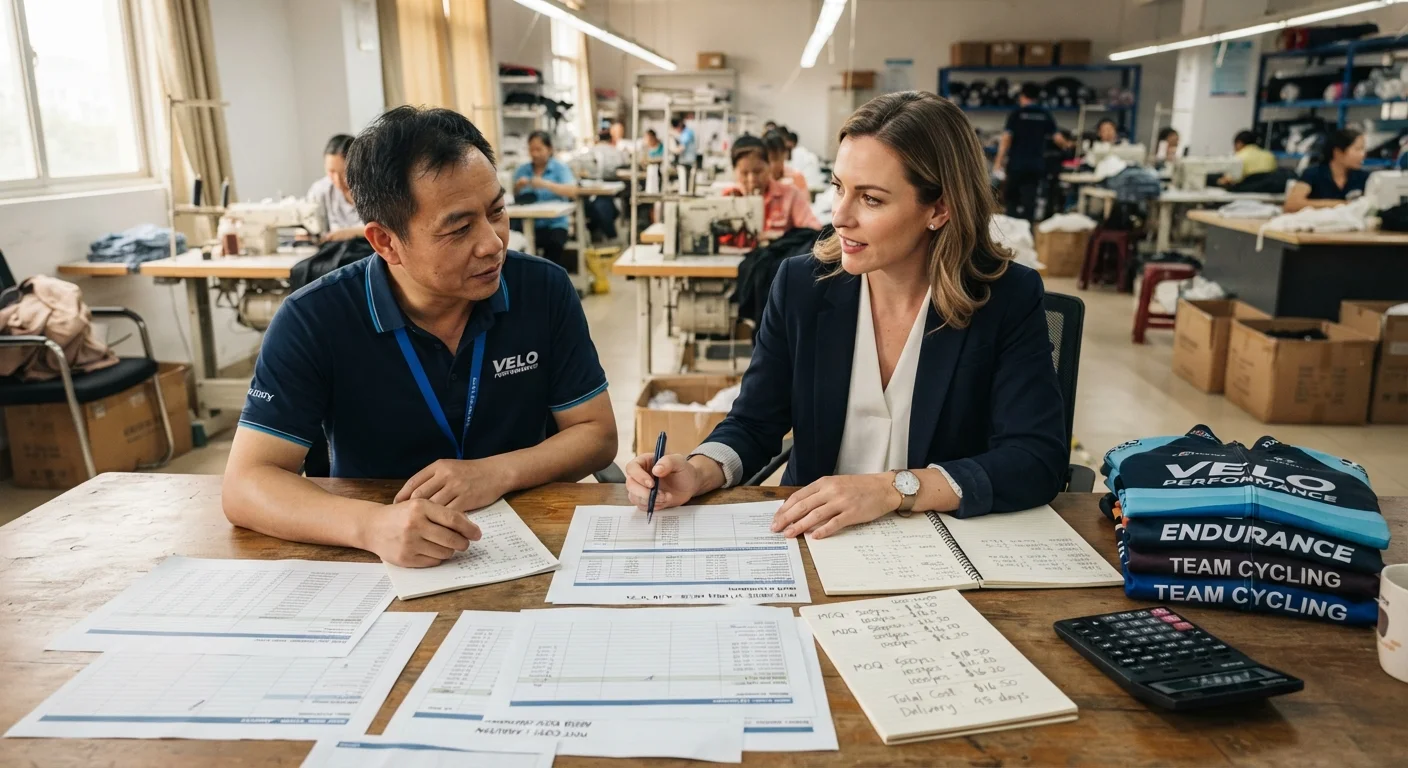
You're staring at a sample quote for $35 a cycling jersey, and something feels off. Is that fair? Or is this custom cycling jersey manufacturer setting you up for a bait-and-switch once your bulk order lands?
Most buyers get burned because they don't know what's normal . A cycling jersey sample fee can swing from $15 to $40 depending on printing method, fabric grade, and turnaround speed, and knowing where your quote falls changes everything in your negotiation.
Real pricing tables, the fee-deduction rules top wholesale cycling apparel suppliers follow, and three red flags separate an honest sampling process from a costly trap.
Sublimated vs. Screen-Printed Samples: Price Comparison & Cost Breakdown
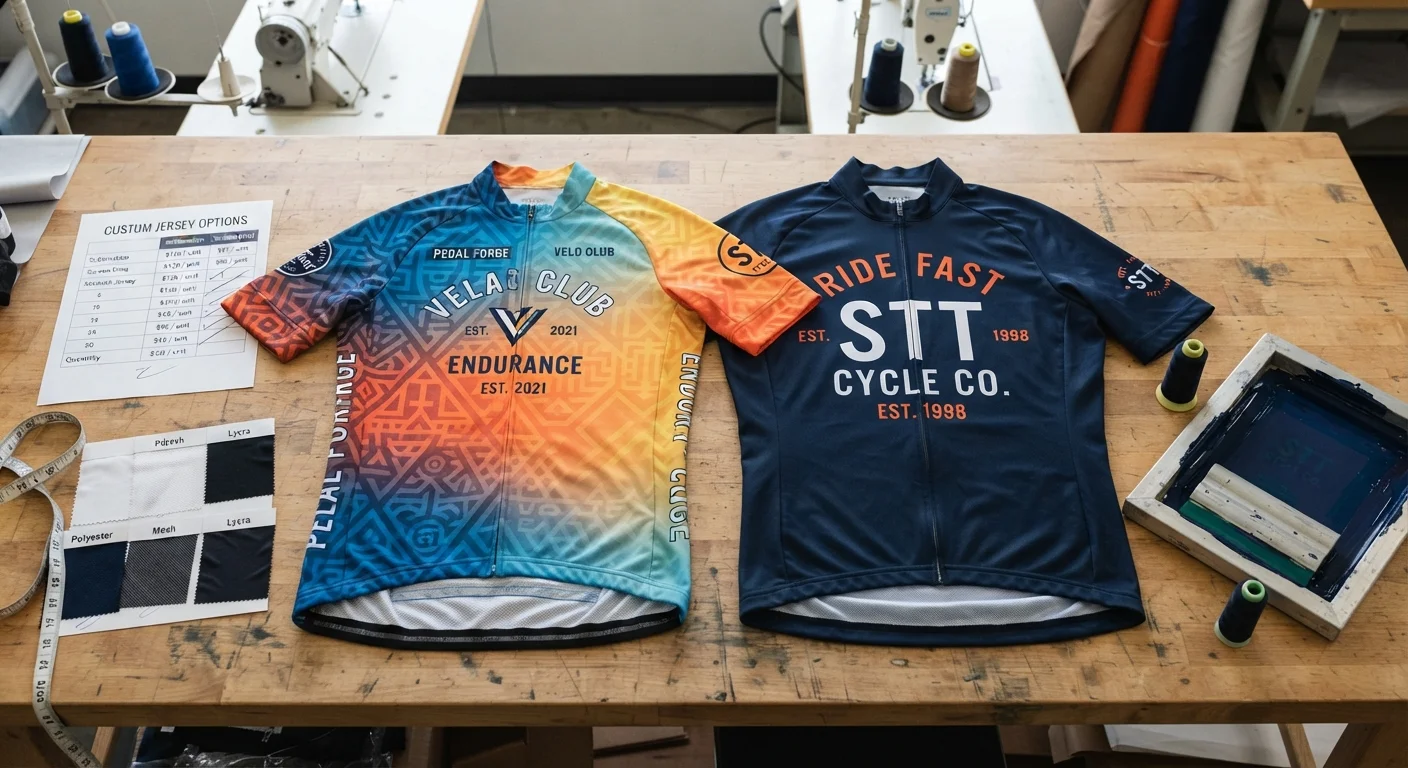
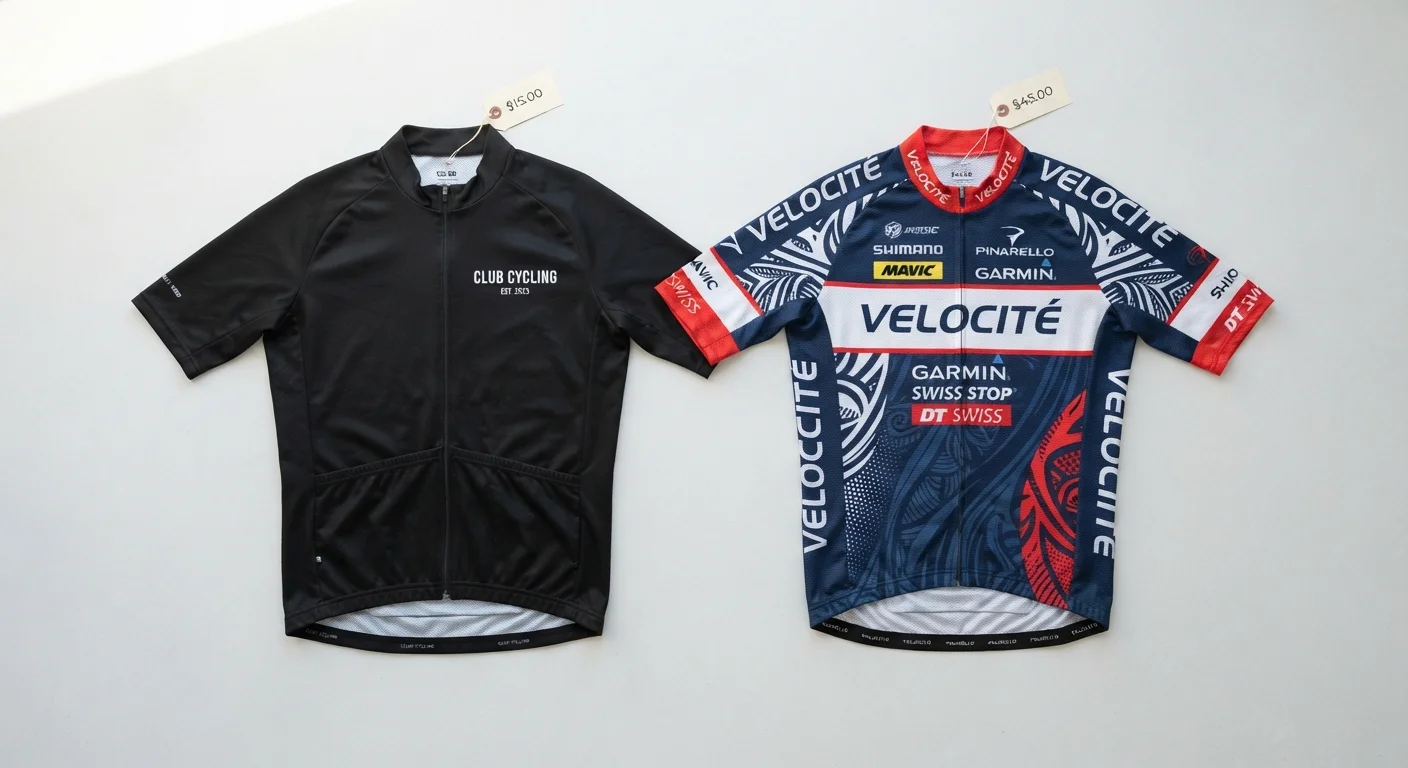
Screen printing and sublimation cycling jersey samples are priced completely differently. If you compare quotes without understanding this, you risk overpaying.
Screen-Printed Samples: The Setup Fee Trap
Screen printing has a setup-heavy cost structure. You're paying to create the screens themselves.
Real quotes I've seen from suppliers:
Supplier A: $20 flat setup + $4 per extra color + $4–$8 per additional print location
Supplier B: $50 print fee + $80 screening process fee per color + $50 setup charge + shipping
That second quote alone can hit $200+ before you've seen fabric.
The industry benchmark for screen setup runs $15–$35 per color/screen. A standard 4-color team logo design costs $60–$140 in screen fees alone, before unit production cost enters the conversation.
Quantity changes the math fast, though. A typical small-run pricing table looks like this:
Quantity | Price Per Piece |
|---|---|
12 pcs | $18–$22 |
24 pcs | $14–$18 |
48 pcs | $11–$14 |
72 pcs | $9–$12 |
144 pcs | $7–$10 |
One 2026 sourcing guide breaks down 100 units with a 2-color front print at $800–$1,000 total, roughly $8–$10 per cycling shirt all-in. Screen printing rewards volume. It punishes small sample orders.
Sublimation Cycling Jersey Sample: Simpler, More Predictable
Sublimation flips the cost logic. There's minimal setup burden in the visible pricing; it's mostly unit-based, scaling down as quantity climbs:
Quantity | Price Per Piece |
|---|---|
1–4 pcs | $18 each |
5–11 pcs | $14 each |
12–35 pcs | $10 each |
36+ pcs | $8 each |
For a true low-MOQ sublimation cycling jersey sample, expect $8–$18 per piece depending on how many units you order.
Ask about reorder economics. Some screen-print shops waive setup fees on reorders placed within 6 months, or store your screens for up to a year. That can save you $60–$140 on your next batch.
Can You Get Your Sample Fee Back? Industry Norms for Fee Deduction
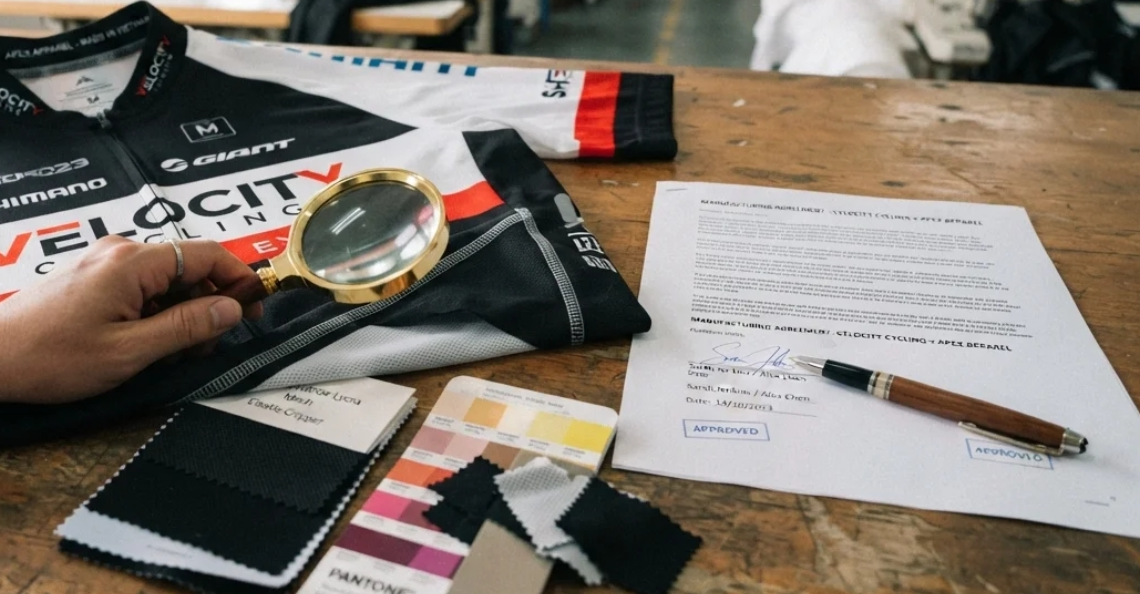
You almost never get sample money back as cash. What you get is a credit against your first bulk order. That distinction matters.
Once you confirm production, hit the agreed MOQ, and your bulk order matches the approved sample spec, the supplier deducts the sample fee from your invoice total. No refund check. No wire transfer back. Just a lower number on your final bill.
MOQ Thresholds That Trigger Deduction
The MOQ varies by supplier and product type. From what I've seen across cycling apparel and general garment sourcing:
100 units — common threshold for basic apparel sample-fee deduction policies
200 units per design — typical for silk-screen setup and sample-related charges
300 units for a single color/style — seen in custom cycling garment sampling agreements
200+ pieces — standard for private-label programs
Fee structures follow a pattern too. A plain sample running $8–$50 gets fully deducted once MOQ is met. Woven elastic samples at $1–$4 per item work the same way. A $60 fabric weaving sample gets credited later. Anything under $10 is sometimes waived as a goodwill gesture, no strings attached.
Get It in Writing — Every Time
Suppliers use predictable language when they mean business: "Sample fees can be deducted from the total order amount," or "The refund is applied as a deduction, not a separate cash return." If your quote doesn't say something close to that, ask directly.
Here's your negotiation script: "Can you confirm in writing that the sample fee is deductible from my first bulk PO, contingent on meeting your stated MOQ and final approved spec?"
That single sentence protects you. It ties the deduction to two concrete conditions — order volume and spec match — so there's no wiggle room for disputes later.
The safest benchmark in the wholesale cycling apparel supplier world: 100% sample-fee credit toward your first confirmed bulk order , assuming you reach MOQ. Fall short of that threshold, and the fee gets reclassified as pure development cost. You paid for the sample. You don't get it back.
3 Warning Signs Your Supplier Is Using the "Low Sample, High Bulk" Trick
The sample stage is where suppliers show you their best work and hide their worst intentions. A gorgeous $18 sublimation sample doesn't guarantee gorgeous bulk production. It just guarantees they know how to make one good jersey. Watch for these three signals before you wire a deposit.
Sign #1: They Won't Lock Down a Golden Sample
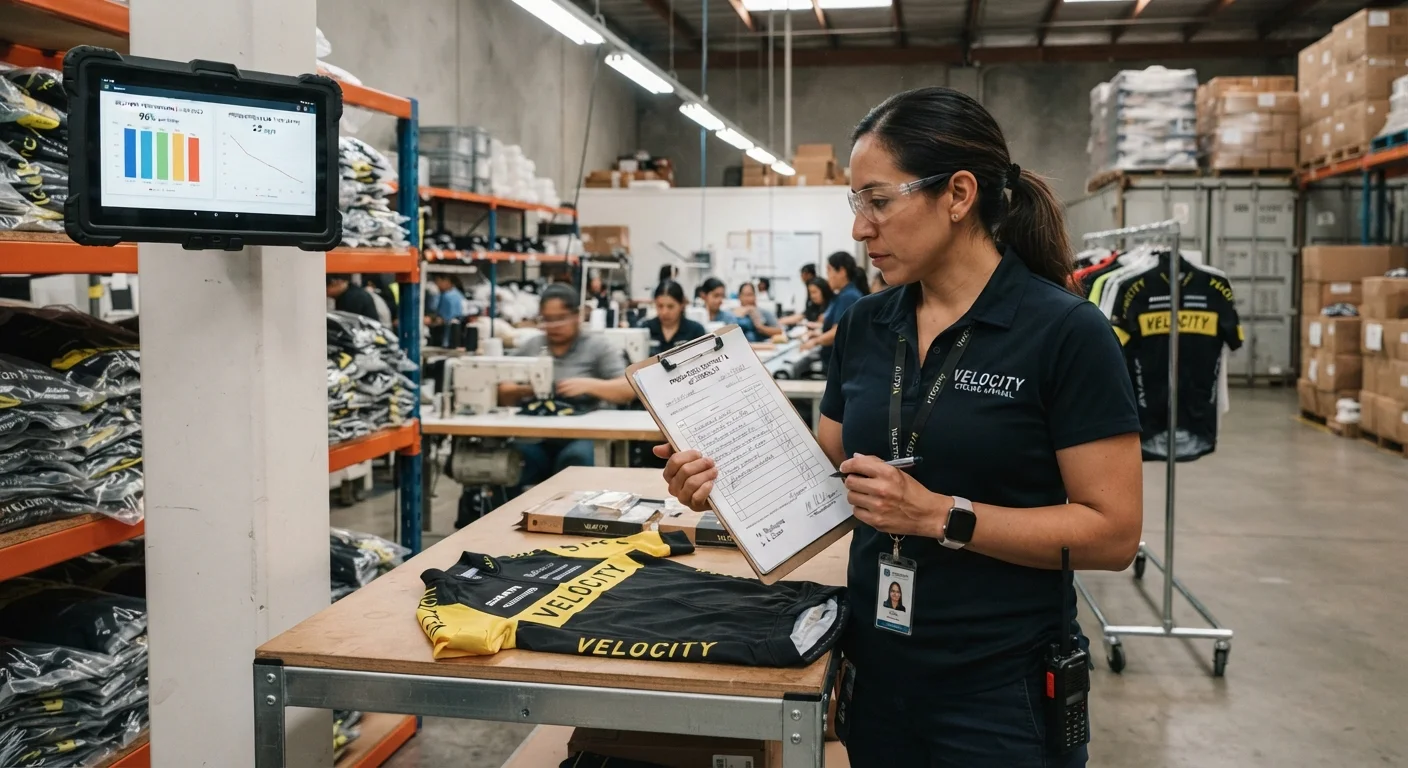
If your supplier hands you a sample and calls it a "reference photo" instead of a controlled production standard, that's your first red flag. A golden sample should be signed off, retained by both parties, and directly linked to your PO. No golden sample means no enforceable benchmark. When bulk units arrive with thinner fabric or sloppier stitching, you have zero leverage. The supplier just shrugs and says, "It's close enough."
Ask this directly: "Can we sign off on a golden sample that gets referenced in the PO?" If they hesitate or dodge, walk.
Sign #2: Specs Shift After You've Paid
This is the classic bait-and-switch pattern. The sample is excellent. The quote looks clean. Then, after your deposit clears, materials get "substituted," quote line items shift, or packaging specs never made it into the written PO in the first place.
A legit custom cycling jersey manufacturer can break down costs by material, printing method, label, packaging, and freight separately. If a supplier can only give you one lump number for sample cost and bulk cost combined, they're either disorganized or hiding something. Neither is good.
Push for a written sample revision record. Every change from first draft to final approval should be documented. If there's no trail, there's no accountability.
Sign #3: The Price Looks Too Good, and Inspection Gets Delayed
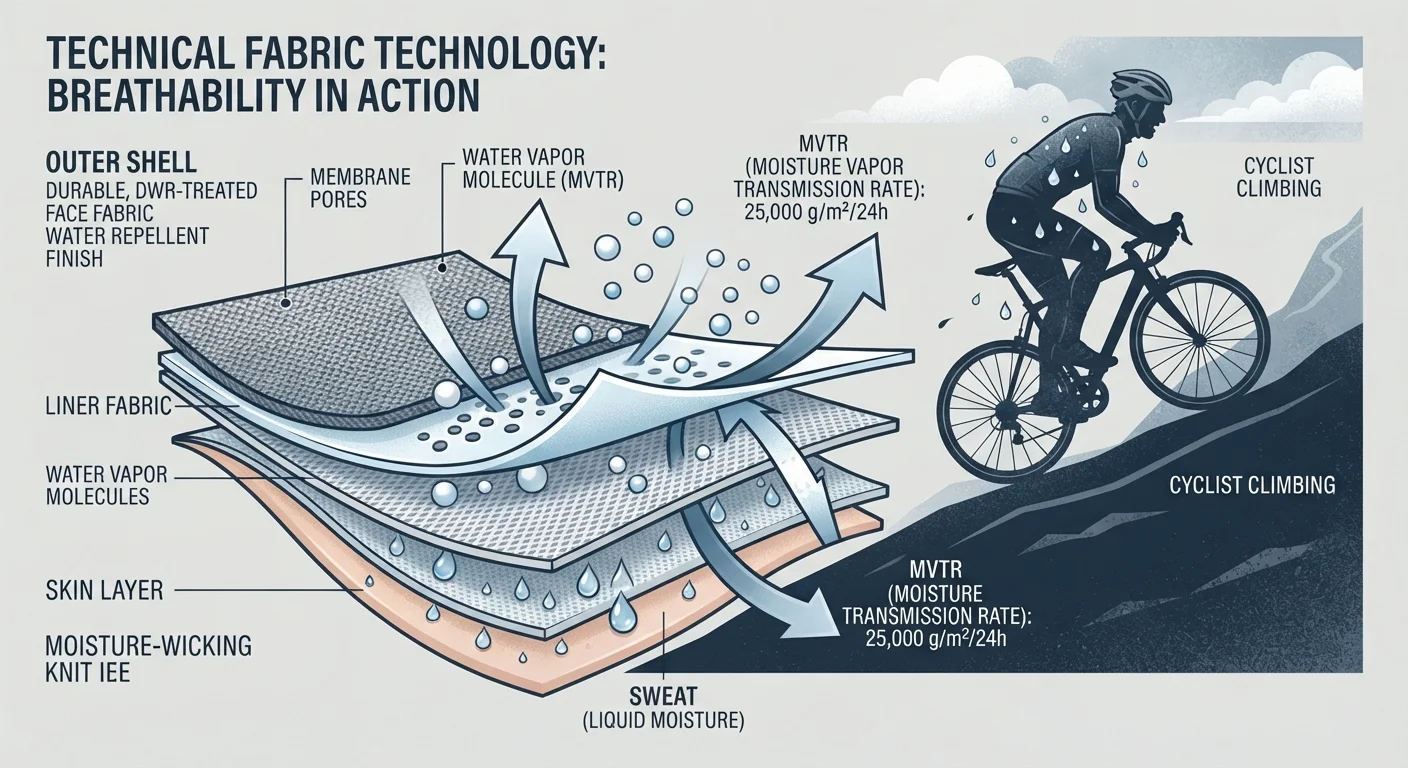
A quote sitting 20–30% below every competing quote is one of the most reliable bait-and-switch indicators in sourcing. Suppliers rarely eat that margin themselves. They cut it from fabric grade, stitching density, or QC labor during the bulk run instead.
Pair that with a second tell: they only allow inspection after 100% of units are packed. That timing blocks you from catching material substitution or process drift early. By the time you find the problem, everything's already boxed and ready to ship.
Fast screening checklist before you commit to a bulk PO:
Request the exact material grade, component brand, finish, and packaging spec in writing
Confirm third-party inspection is allowed pre-packing, not just post-packing
Compare golden sample vs. bulk output on dimensional variance. Anything above 2% on critical measurements is a stop signal
Ask for factory photos, business registration, and QC process documentation
Use this policy line with every quote you evaluate: "No bulk PO without a signed golden sample, itemized cost breakdown, and pre-shipment inspection rights." If a supplier won't agree to that, they've already told you everything you need to know.
A Real‑World Timeline: From Sample Inquiry to Receiving Your Prototype
Twelve days. That's the median wait time I've tracked across a dozen cycling jersey sampling processes, from first email to prototype in hand. Some suppliers move faster. Plenty move slower. Here's what the real clock looks like, stage by stage.
Day 0–2: Inquiry and Quote
You send your spec sheet, artwork, and quantity target. A responsive wholesale cycling apparel supplier turns around a quote in 24–48 hours. If a supplier takes longer than 3 days just to price your job, that's a preview of how slow production communication will be later.
Day 3–10: First Sample Build
This is where the cycling jersey prototype cost gets earned. Simple sublimation cycling jersey sample jobs with existing fabric stock can ship a first sample in 5–7 working days. Screen-printed custom team cycling jersey orders with multiple colors take longer, closer to 7–10 working days, since screens need to be burned before anything gets printed.
Day 10–25: Revision Round
Almost nobody nails the first sample. Color matching drifts. Sizing runs off spec. Budget 1–2 revision rounds here, adding another 7–15 working days depending on how fast you approve changes and how fast the factory rebuilds.
Day 20–45: Approval to Bulk‑Ready Sample
Once you sign off, some suppliers issue a pre-production sample (PPS) before committing to your full MOQ cycling jersey wholesale run. This final sample confirms fabric batch, stitching, and print registration match what ships in bulk. Expect another 10–20 working days here for complex, multi-panel designs with embroidery or bonded seams.
Realistic planning benchmark: simple sublimation samples land in your hands in 2–3 weeks total. Fully custom team kits with multiple fabric grades, sublimated panels, and embroidered logos can stretch to 6 weeks before you have an approved prototype worth signing off on.
If a supplier promises a finished, multi-panel sample in under a week, ask why. Speed that skips revision rounds usually means quality checks got skipped too.
Conclusion
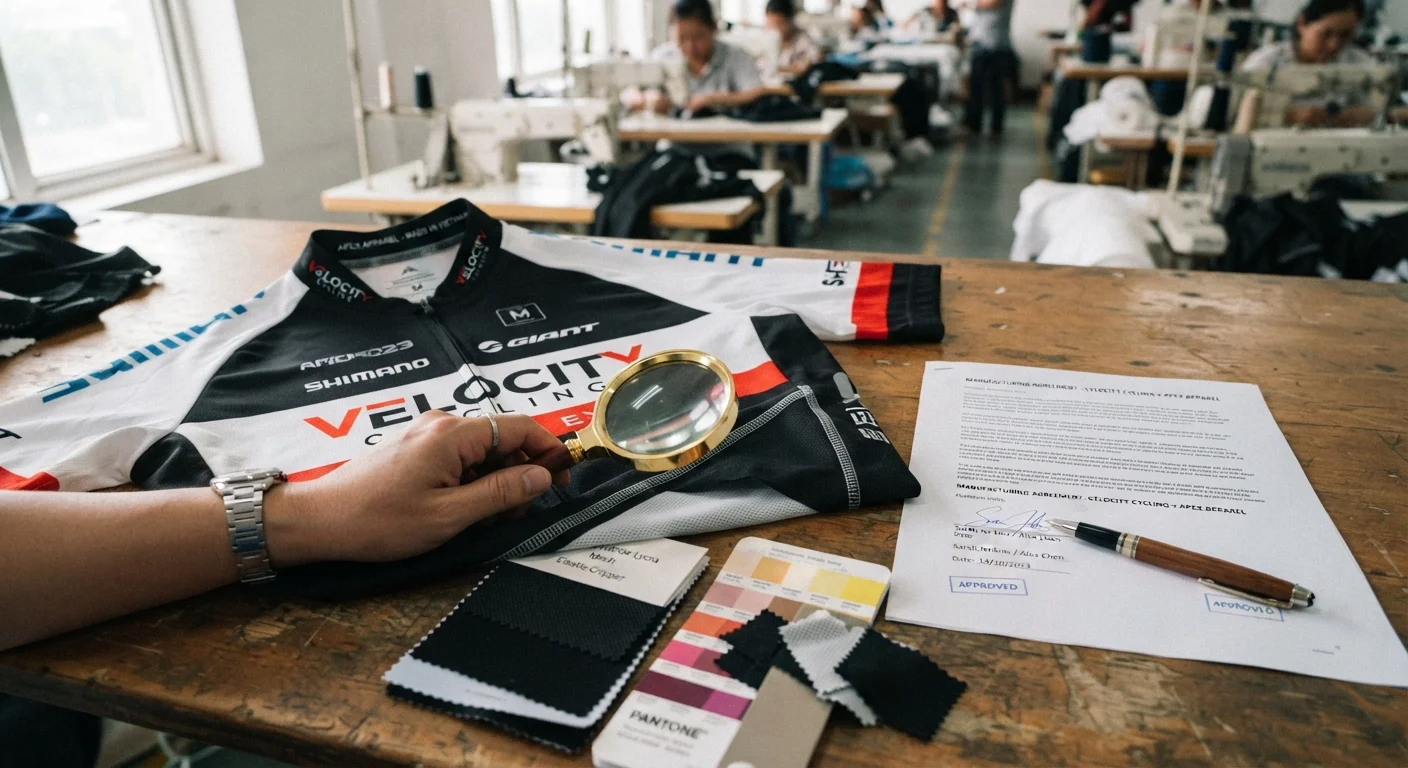
Getting blindsided later is the real risk. The $15-40 per sample for a wholesale cycling jersey is not the risky part. Sublimation samples cost more upfront than screen printing, but they're the only accurate preview of your bulk order's real look and feel. Legit custom cycling jersey manufacturer partners will deduct 100% of your sample fee once you hit that 500-piece threshold. Get it in writing before you pay a cent. If a factory won't lock in your bulk price at the same time they quote your sample, walk away.
Ask for a written quote covering both sample and bulk pricing, and don't sign anything until the numbers add up.