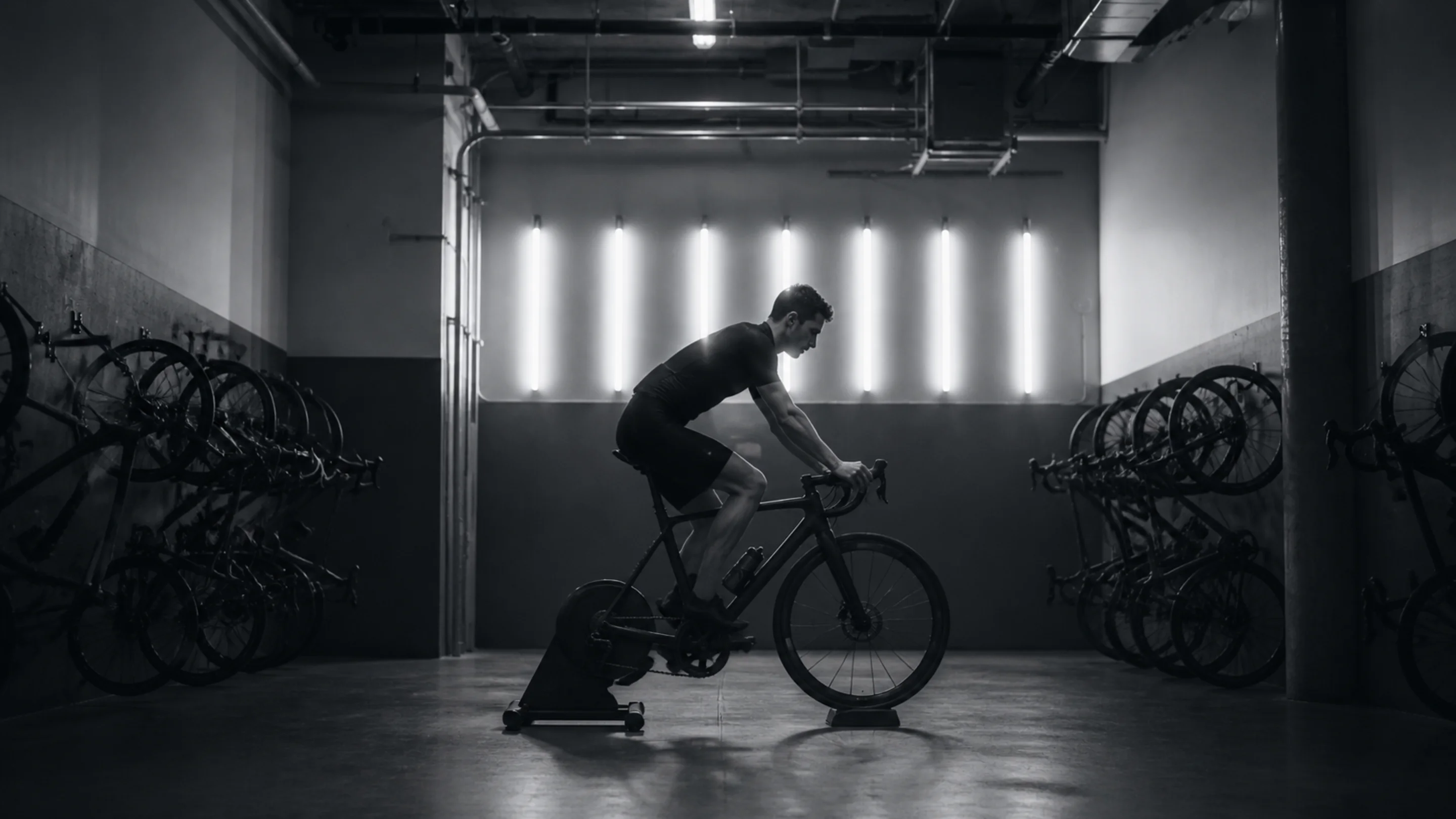
Indoor Cycling Apparel Built for Cooling Without Airflow
Trainer sessions run hotter than the same effort outdoors, because there's no wind to help. See how the fabric answers that.
Where Indoor Riding Sits: Zero Wind, Maximum Heat
Three of the four judgment axes barely apply here. The fourth one does all the work.
Riding Posture: Stable, But Not Optimized for Wind
Indoor posture stays relatively fixed on the trainer, but unlike road, there's no aerodynamic reason to optimize for it — indoor riding has no wind resistance to fight, so the fit priority is body comfort, not drag reduction.
Road Surface Severity
There's no surface contact on a trainer. This axis simply doesn't produce a spec requirement for indoor riding — which is itself a meaningful data point, not an oversight.
Session Duration: Shorter Sessions, Higher Intensity Density
Indoor sessions often run shorter than outdoor rides but at higher sustained or interval intensity, which concentrates heat and sweat output into a tighter window than the same effort spread across an outdoor ride would.
Environment: The Only Discipline Here at Zero
No wind, no evaporative airflow, no weather variable at all — indoor riding is the only discipline on this site where the environment axis reads zero. Every other page here answers to some outdoor condition; this page answers to the complete absence of one.
Is this your page?
If you're riding a stationary trainer indoors, this page is built entirely around that fact. Every outdoor discipline on this site — even commuter's short daily trip — deals with wind or weather in some form; indoor doesn't.
Fabric Built for Cooling Without Airflow
When there's no wind to help evaporate sweat, the fabric structure has to do the whole job.
Why Outdoor Fabric Logic Doesn't Transfer Indoors
Outdoors, moving air constantly pulls moisture away from the skin and helps sweat evaporate even before a fabric's own wicking structure does much work. Indoors, that assist doesn't exist — the fabric alone has to move sweat off the skin and let it evaporate fast enough to keep pace with an output that, on a trainer, tends to run hotter for the same effort level than the equivalent outdoor ride.
What a Higher Mesh Ratio Actually Buys
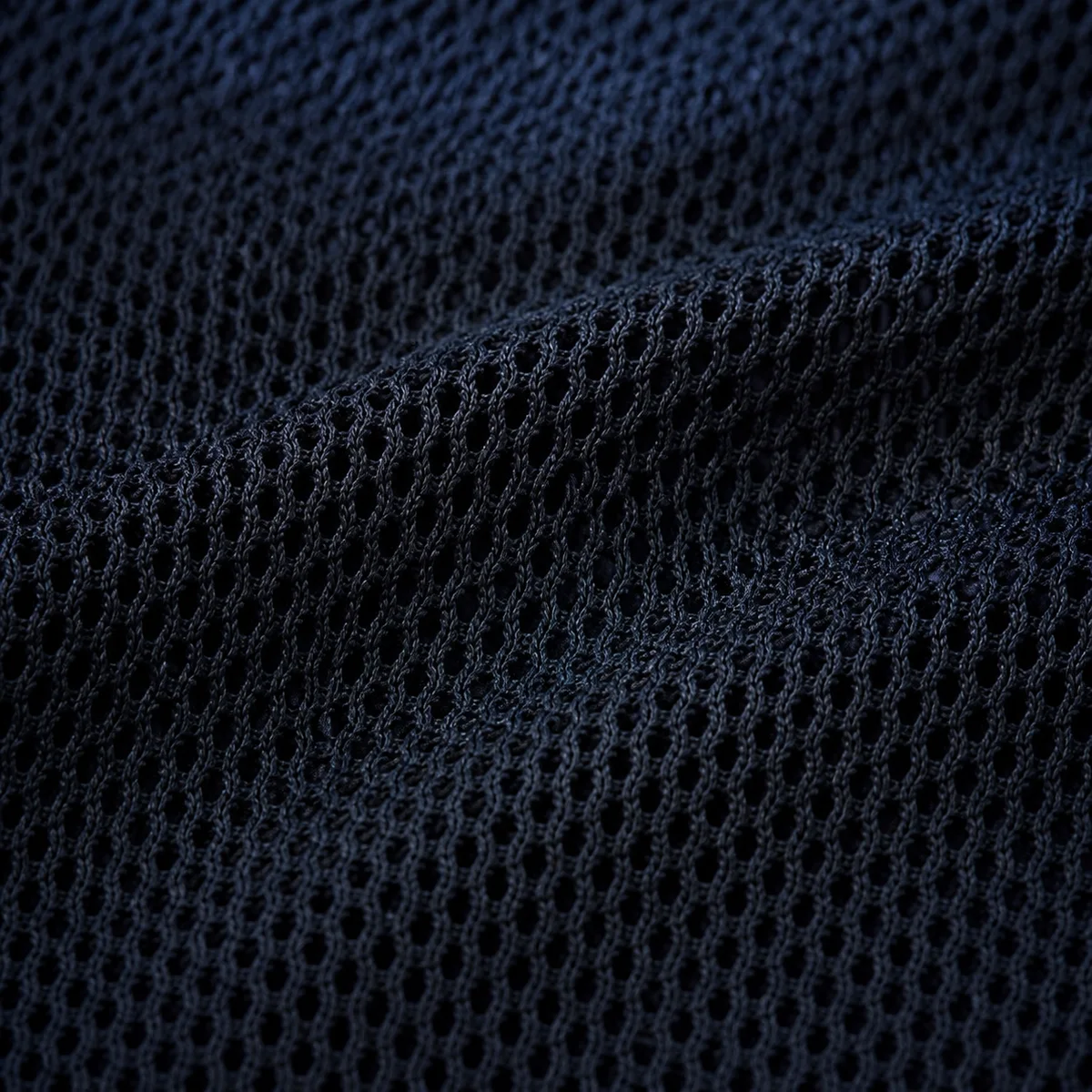
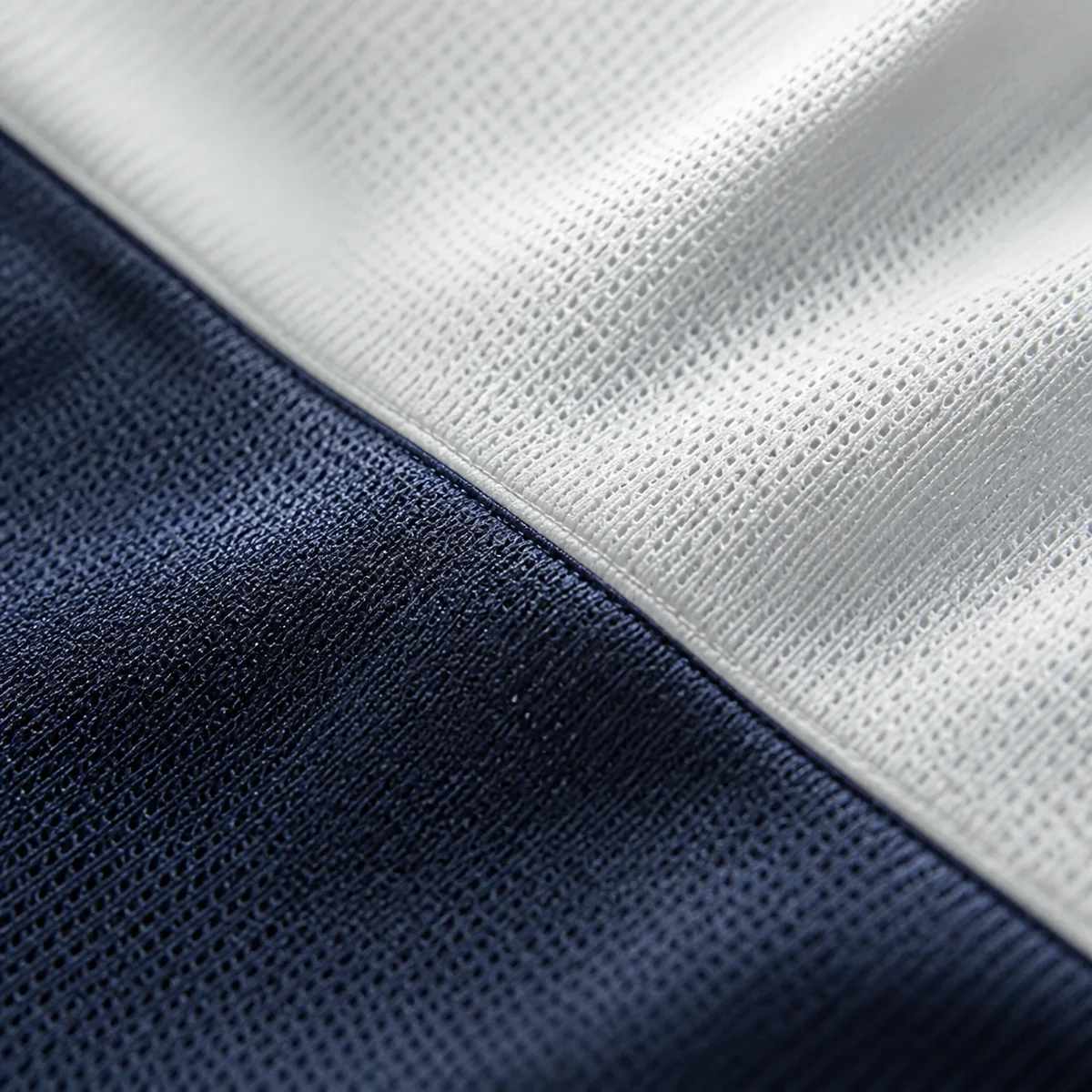
A higher mesh ratio increases the surface area exposed to whatever air movement does exist in a room — a ceiling fan, an open window, simple convection off the skin — which is a far smaller assist than outdoor wind but still worth capturing. This isn't the same mesh ratio used on an outdoor kit turned up a notch; the balance between mesh and structural support shifts further toward mesh than an outdoor cut would ever go, since there's no wind load to resist.
Lighter Construction, Down to the Seam
The lighter build extends past the mesh itself into seam and panel construction — fewer structural layers carrying the extra weight a wind load would otherwise call for, since there's no wind to resist indoors. Every ounce removed here is an ounce that isn't trapping heat the body is already struggling to release without natural airflow.
0
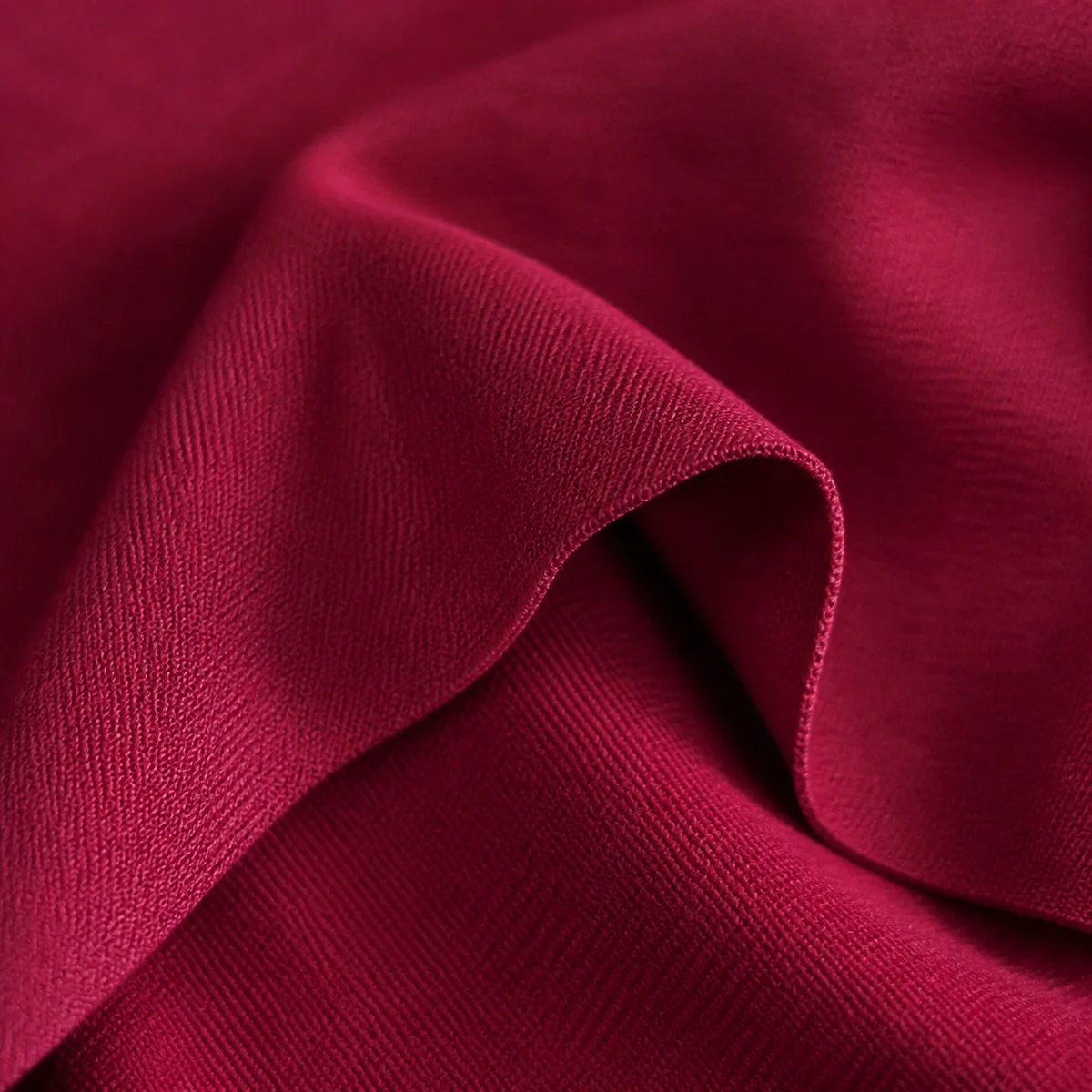
Nylon/spandex fabric tiers we draw the indoor-specific blend from
Purposeful Reduction, Not a Cut Corner
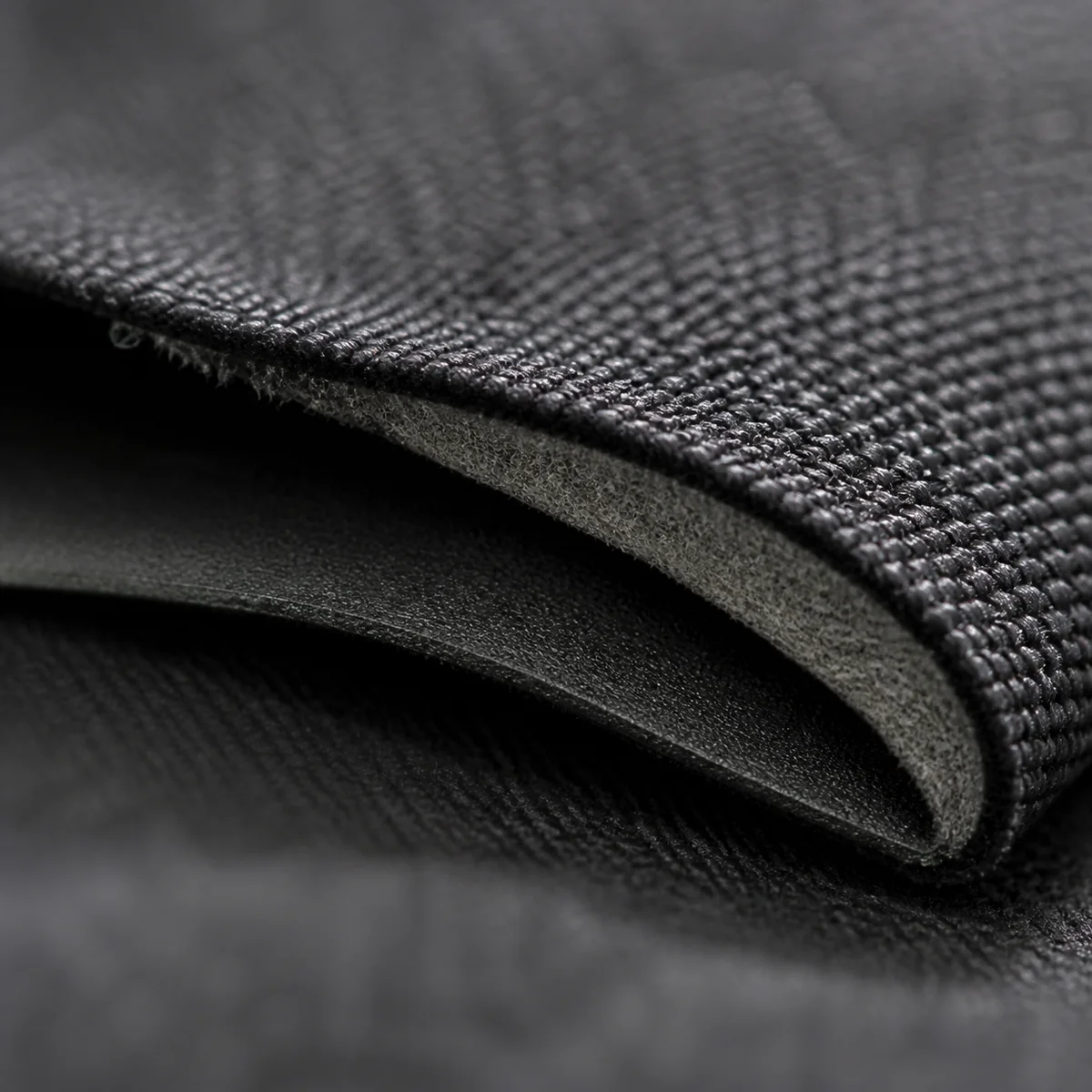
An indoor kit doesn't need any windproof or waterproof layer — there's no wind or rain on a trainer, and a laminate layer built for weather that never happens only adds weight and heat with nothing gained.
What's stripped out here is stripped out on purpose, not cut to save cost — the layer simply has no job to do on this one.
Start Your Indoor Kit
Start Your Indoor KitWhat We Build for Indoor Programs
The garments an indoor kit typically includes, cut to the reduced, cooling-first spec above.
Indoor programs typically run short-sleeve jerseys built from the lighter, higher-mesh-ratio structure described above — no vests, no outerwear layers, since neither has a job to do in a zero-wind environment. Sublimation, heat transfer, and computerized embroidery remain available, kept to lighter placements that don't add unnecessary fabric weight back onto a kit built specifically to minimize it.
Short-Sleeve Jersey
Higher mesh ratio, lighter seam construction — the core indoor garment.
Sublimation
Full-coverage print, kept to lighter placements.
Heat Transfer
Available for logo and team-color placements.
Computerized Embroidery
Available where added weight is negligible.
Indoor Cycling Apparel Questions
What buyers ask before placing a first indoor kit order.
Start Your Indoor Kit
Tell us your training intensity and format — we'll build the fabric spec around it.