
Custom Commuter Cycling Apparel: One Garment, Three Situations, Same Day
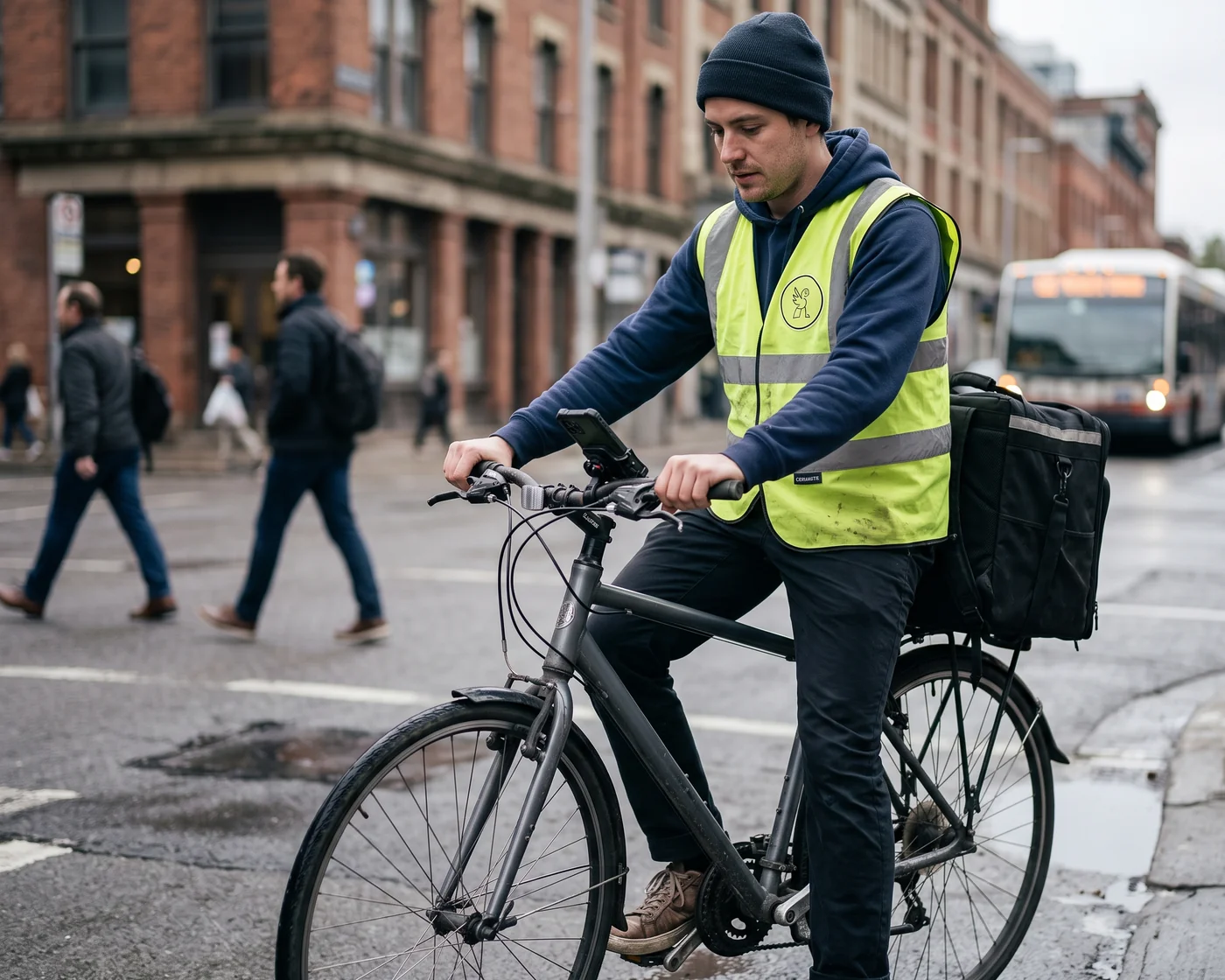
Riding in at first light. Walking through reception. Sitting at a desk until dark. Most cycling apparel answers to one of those. Commuter apparel has to answer to all three before the day is over.
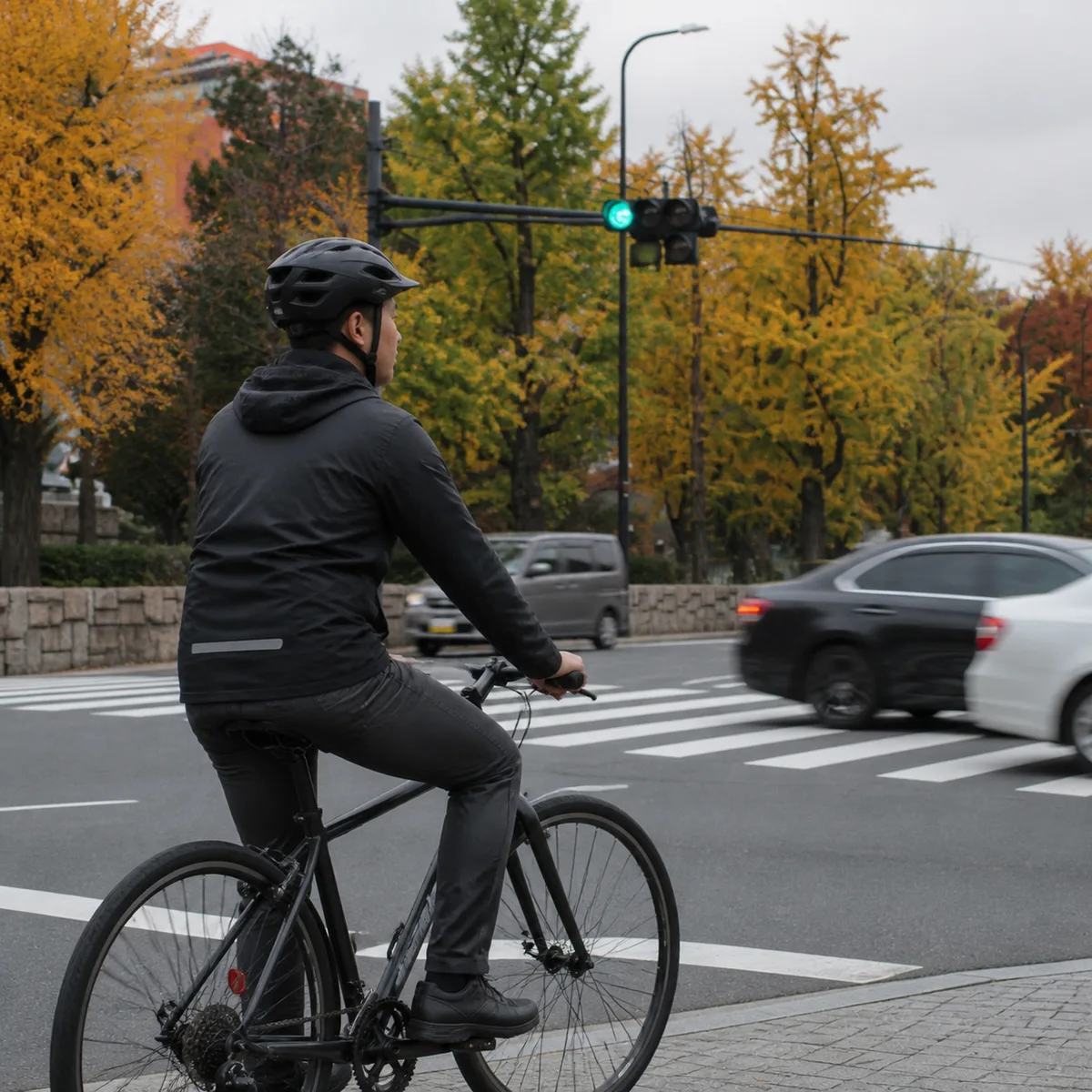
- Riding Forward-leaning, in traffic, in the dark at both ends of the year.
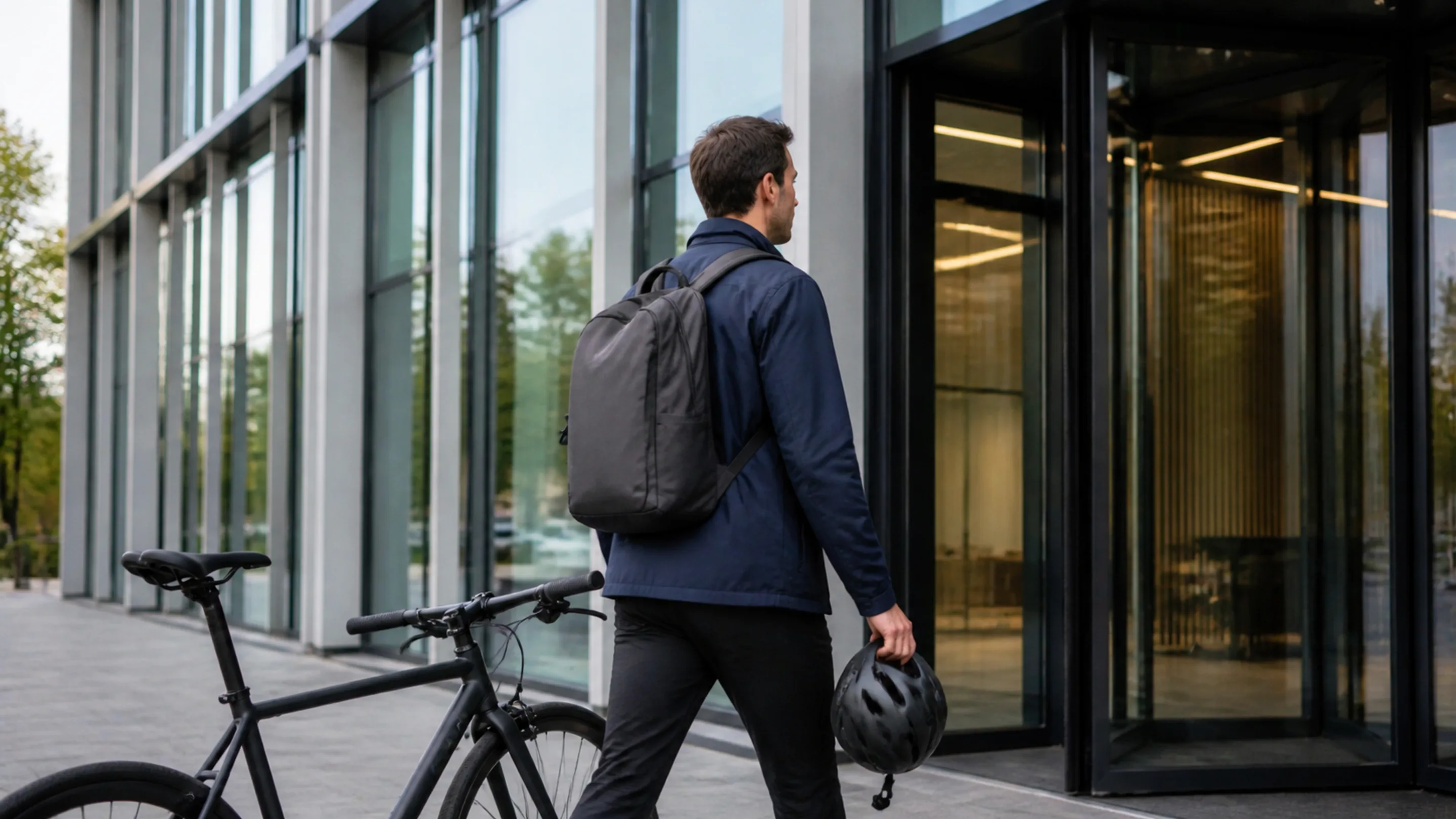
- Walking Upright, through a building, in front of colleagues.
- At a desk Static, for the whole working day, with nothing moving to relieve it.
Positioning
Where Commuting Sits Among Riding Scenarios
Before any fabric or reflective decision makes sense, it helps to place commuting on the four axes that actually separate it from the rest of this site. This section places it. It solves nothing yet.
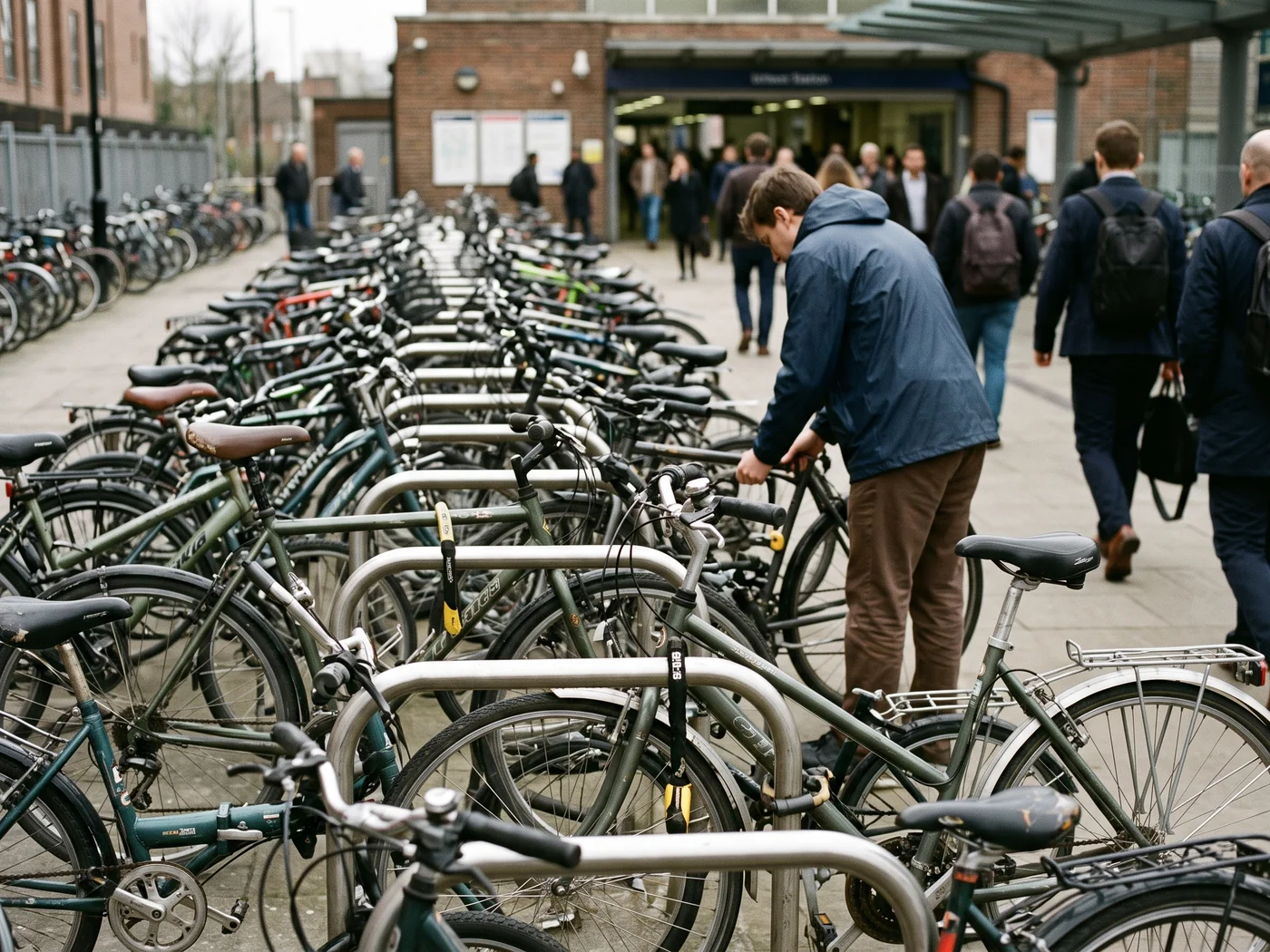
Axis 1 Frequency: Five Days a Week, Not One
A recreational garment is worn once or twice a week and washed after each ride. A commuting garment goes out twice a day, five days a week, and is washed at that same rate.
- What it changes
- Cloth selection, decoration method and elastic recovery all follow from that number, not from any single hard ride.
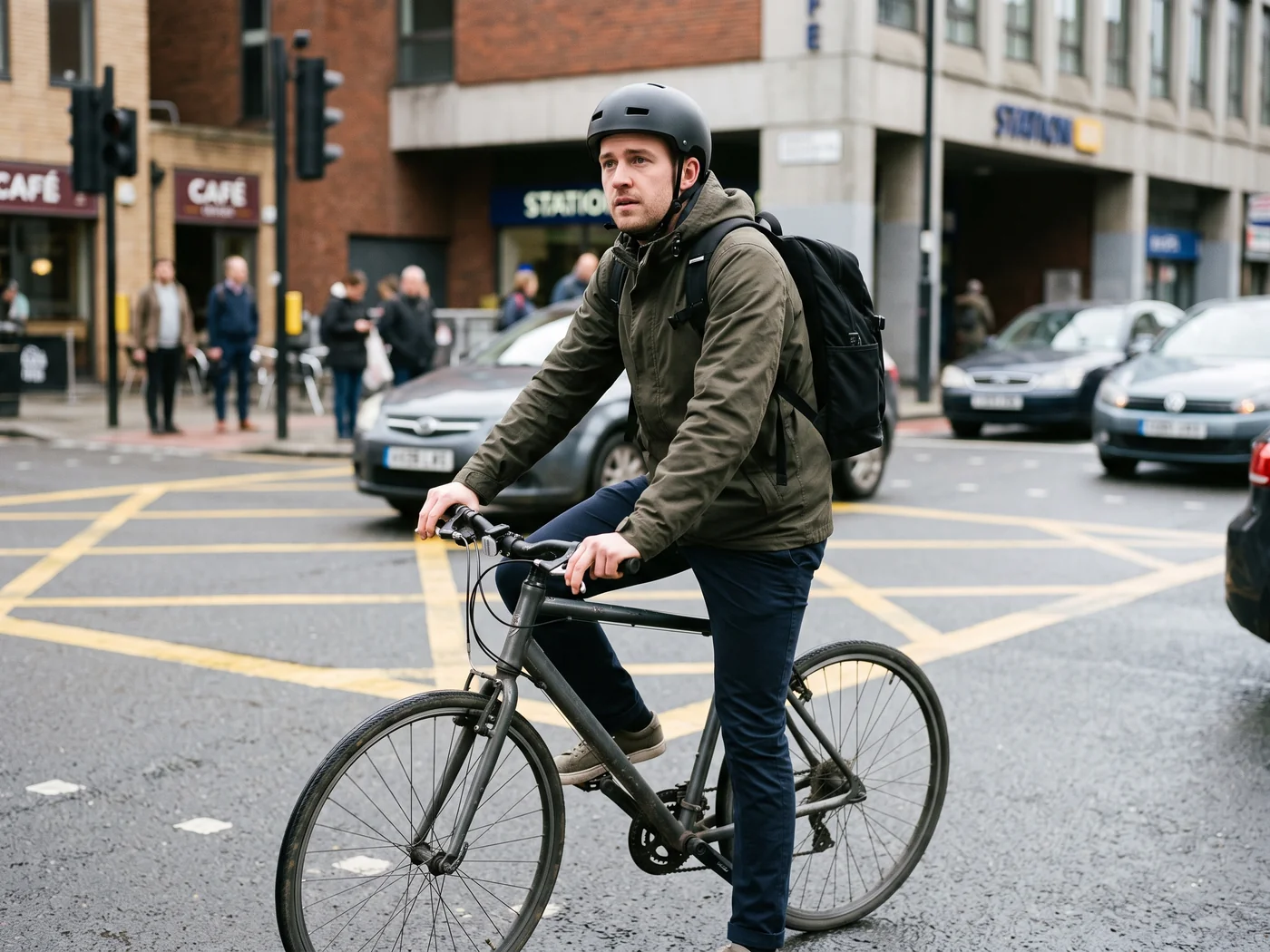
Axis 2 Duration: Short, Repeated, Never Long
Most commutes are measured in minutes. That removes a whole category of problems this factory normally designs around — sustained thermal load, on-bike nutrition, hours of pressure in one posture.
- What it changes
- It replaces them with a different problem: constant stopping, starting, and standing at junctions.

Axis 3 Light: Dark at Both Ends
For a large part of the year the outbound and return trips both happen outside daylight. The rider is not choosing to ride at dusk; the calendar chose for them.
- What it changes
- Visibility stops being an accessory decision and becomes a pattern decision.

Axis 4 Destination: Indoors, Among Colleagues
This is the axis nothing else on this site has. Other scenario garments end their working life at a car park or a front door. A commuting garment walks into a building, and then stays on — or has to be got out of and packed away — in front of other people.
- What it changes
- The garment itself, not just its engineering.
Four axes, and only the last one is unique to commuting. The first three change the engineering. The fourth changes the garment.
Education
Reflective Placement, Not Reflective Strips
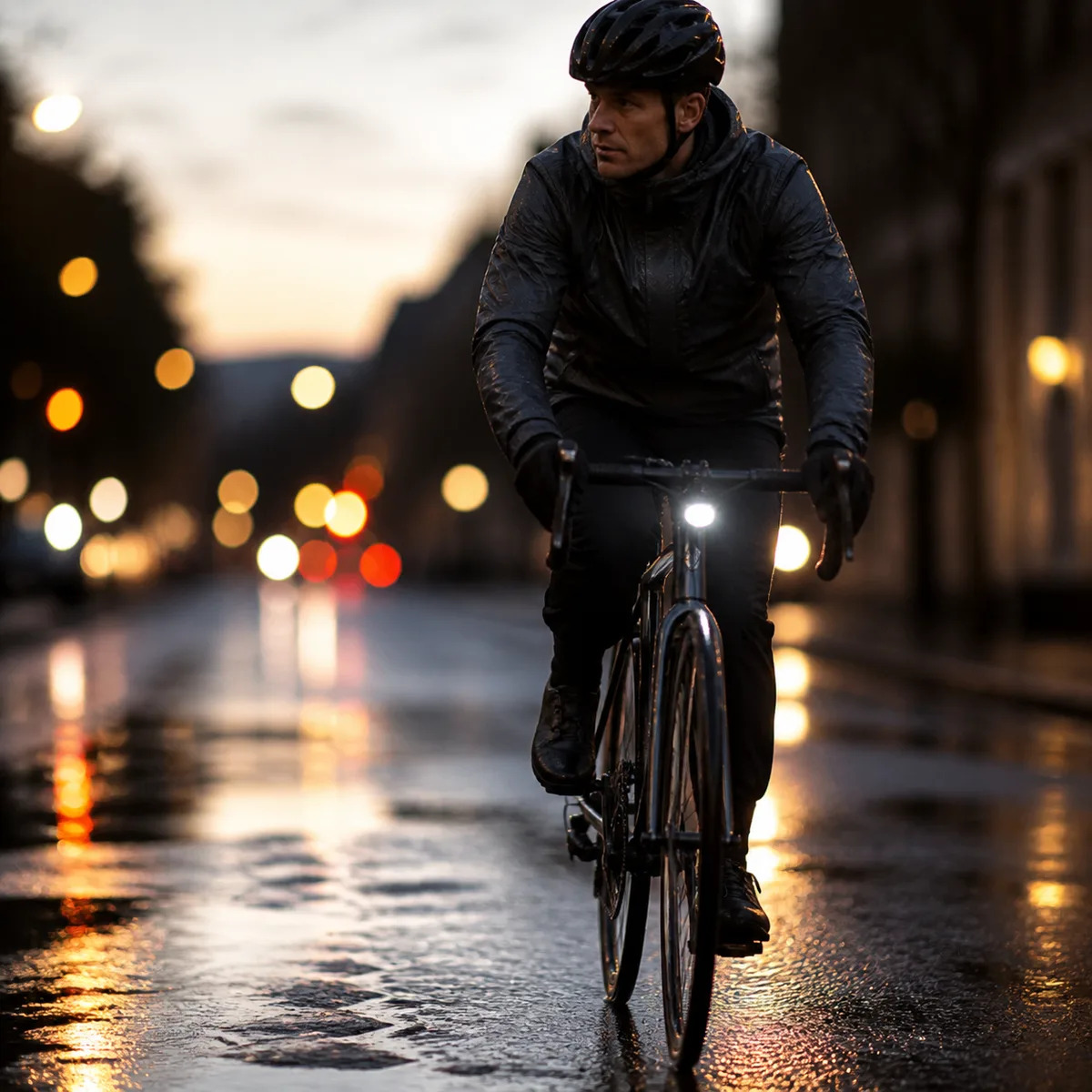
Adding reflective material is easy. Deciding where it goes means asking which direction the car is actually coming from, and what the driver's headlights are doing when it gets there.
- From behind
- From the side
- Sweeping
Three Approach Geometries, Three Different Answers
A driver does not encounter a rider from a fixed angle, and headlight beams do not illuminate a rider evenly. Three geometries account for most of what a commuter meets, and each one lights a different part of the garment:
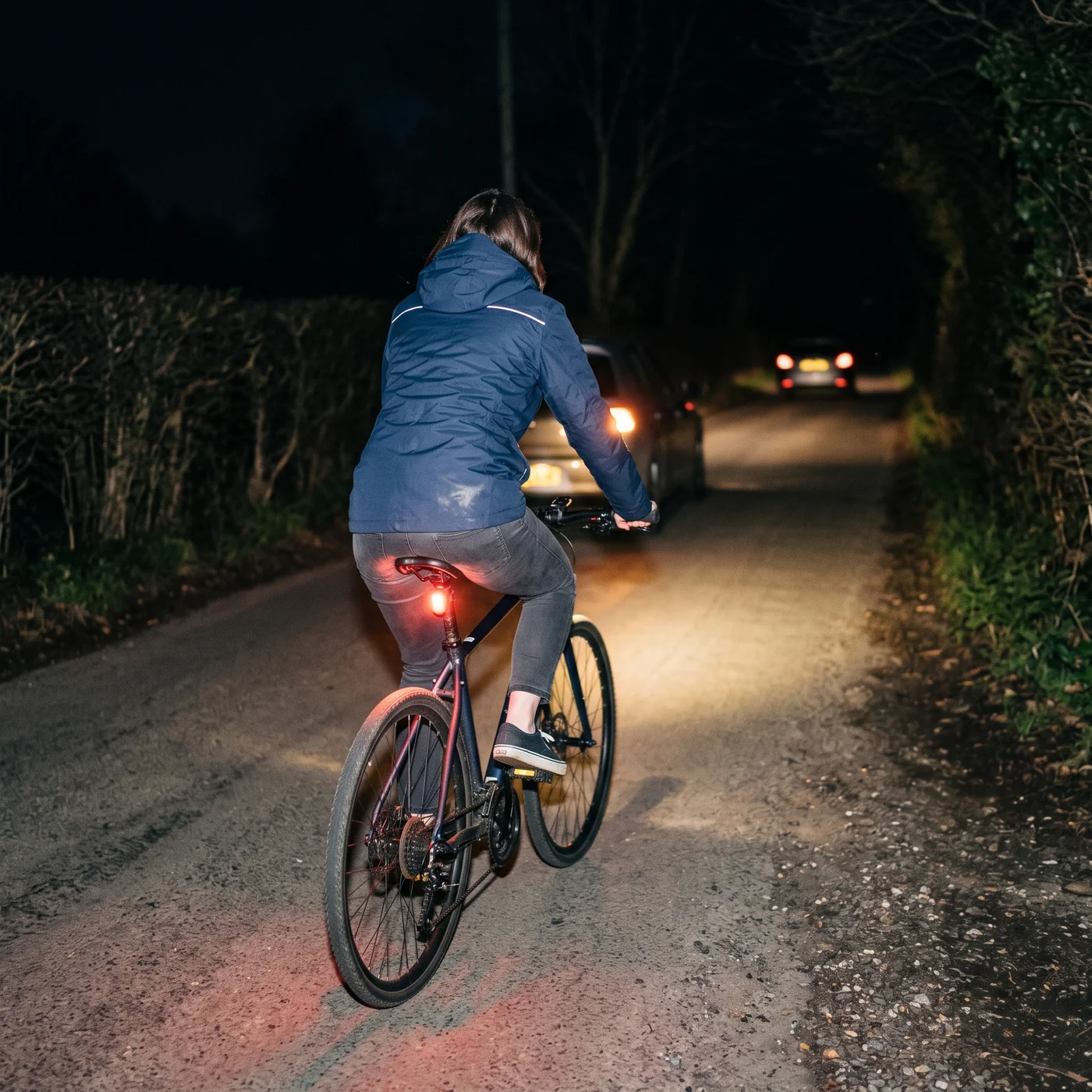
- Overtaking from behind. Low beams strike the rider's lower back, hips and heels first. Reflective material high on the shoulders is barely in the beam at this range; material at hem level and below is.
- Emerging at a junction. The vehicle approaches across the rider's flank, so it sees a profile, not a back. Anything placed only on the rear panel contributes nothing here — the side seam, outer sleeve and outer leg are the surfaces in view.
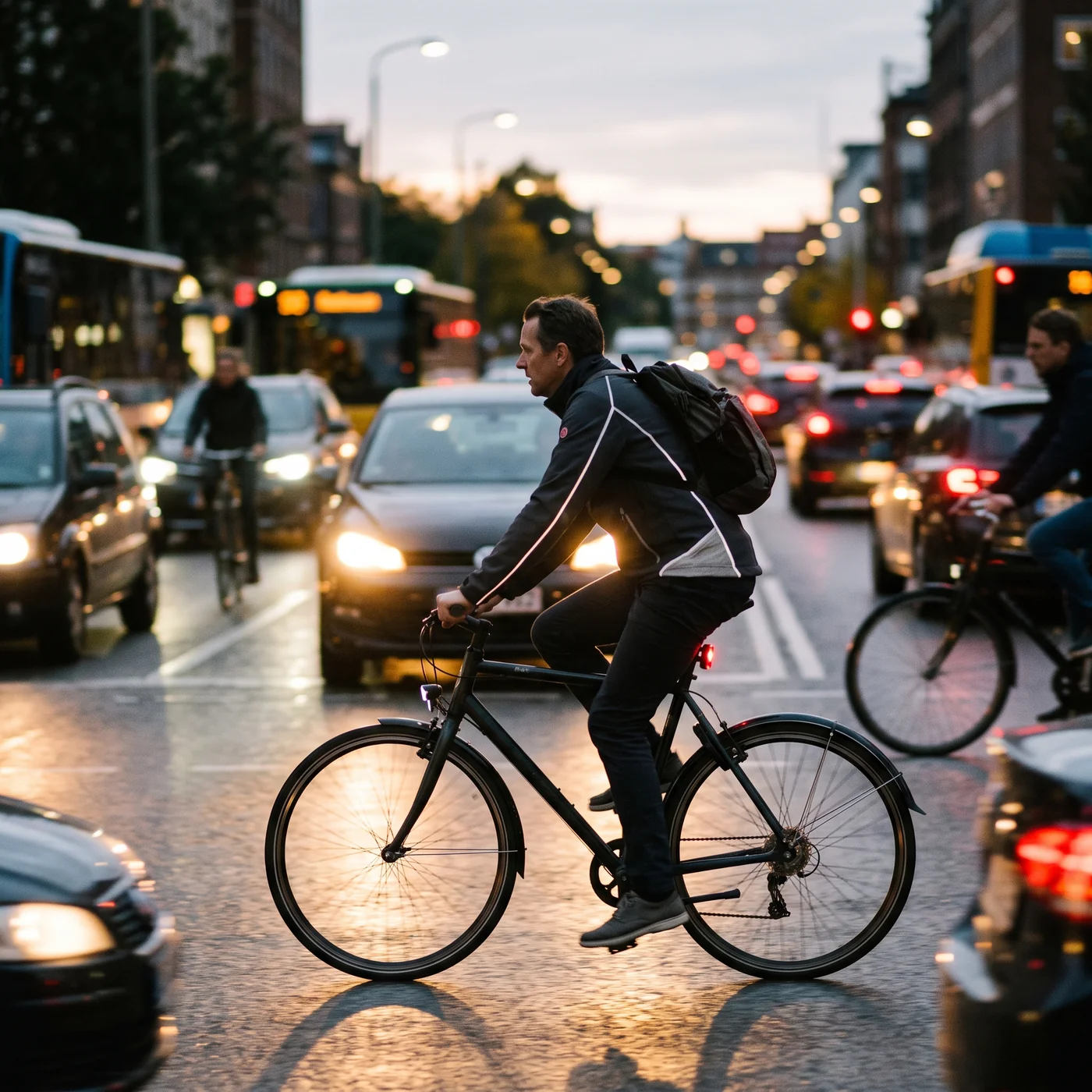
- A vehicle turning across the rider's line. The beam sweeps rather than holds. The rider is lit for a fraction of a second, at an angle that changes throughout, which puts a premium on having reflective material on more than one plane.
Why Moving Parts Read Better Than Flat Panels
A rectangle of reflective on a back panel returns light as a static shape, and a static shape in a driver's peripheral vision competes with signage, kerb markings and parked vehicles.
Reflective placed where the body articulates — ankle, knee, wrist, shoulder blade — returns light in a repeating rhythm as the rider pedals. That rhythm is the part a driver recognises as a person rather than as roadside furniture, and it is available at no extra material cost. It is purely a placement decision.
The Dead Areas
Two of them, and both are avoidable at the pattern stage. The first is any surface that spends the ride underneath a backpack, messenger strap or shoulder bag — reflective material there is not dim, it is covered.
The second is a panel that folds against itself in the riding posture, such as the small of the back on a garment cut without extra rear length.
How we handle standards
Reflective placement is ours to argue about; conformity is yours to specify. If your programme has to meet a particular high-visibility specification, we develop and sample against the standard you name and the placement map you approve.
We do not publish a standard of our own to imply otherwise. Reflective print and taping process detail belongs on Printing Methods and is not repeated here.
Education
A Fit That Works Riding, Walking, and at a Desk
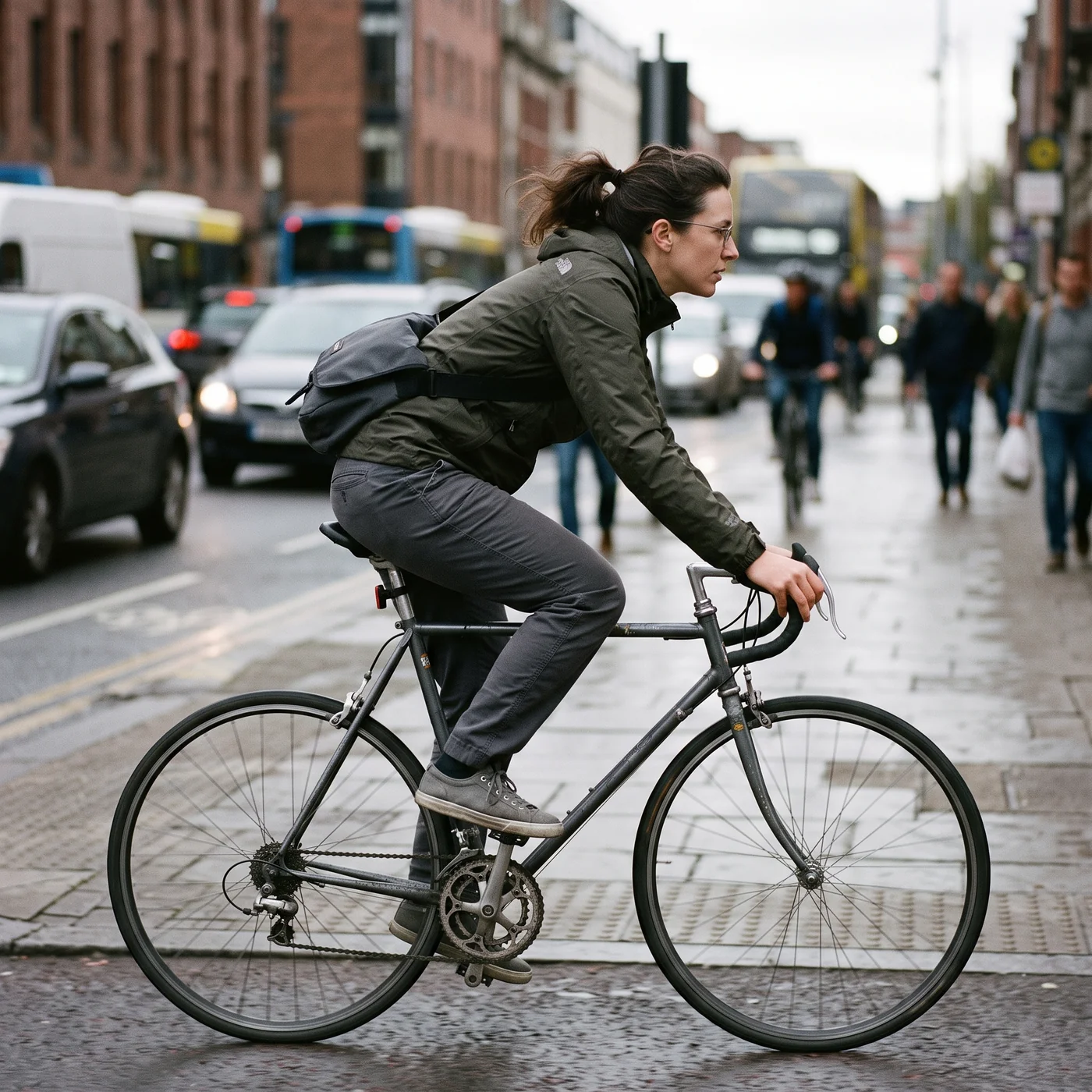
Three postures, one pattern. They do not want the same thing, and two of the three conflicts have to be resolved on the cutting table rather than talked around.

| Posture | What it asks of the garment | Where it fights the others |
|---|---|---|
| Riding | A forward-leaning torso lengthens the back and shortens the front. The rear hem needs to drop, sleeves need reach, and the collar needs to sit clear of a raised chin. | Every millimetre of rear length added for the bike is length that has nowhere to go once the rider stands up. |
| Walking | An upright body wants a level hem, a shoulder line that hangs cleanly, and no pooling of fabric at the lower back. | A hem shaped only for the bike reads as a tail on foot; a gripper that holds correctly when pedalling is visible as a ridge when standing. |
| Seated at a desk | Hours of static sitting. Nothing at the waist may dig, the collar has to lie flat under a lanyard or jacket, and the seat panel is under continuous pressure. | Compression that feels supportive for twenty minutes of riding is the same compression at hour six of sitting, when nothing is moving to relieve it. |
Conflict One: Rear Length
A dropped rear hem is right for the bike and wrong standing still, so the extra length is built as a shaped curve with the fullness taken out at the side seams, rather than as a straight extension of the whole back panel.
The garment gains coverage in the position that needs it without gaining a tail in the position that does not.
Conflict Two: The Waistband
On trousers it takes both the postural change and the seated hours, so it is specified as a component in its own right — with the stretch and recovery to close over a forward-leaning waist and then sit flat, unfelt, through a working day.
The one we resolve by restraint
Grippers. A silicone gripper is genuinely useful on a sleeve or leg hem while riding, and genuinely unwelcome pressed into skin for eight hours. On commuter pieces we specify it on the rear arc only, or leave it off the garments most likely to stay on indoors.
Restraint is cheaper than cleverness here, and more comfortable. General pattern method lives on Riding Fit & Pattern Development.
Have a Commuter Range in Mind Already?
Send it over and we will tell you which parts are a pattern decision and which are a specification decision.
Send Your BriefEducation
Water-Resistant, and Where That Stops
A durable water-repellent finish is the right answer for a twenty-minute commute and the wrong answer for an afternoon in steady rain. Worth being precise about which one you are buying.
- Duration
- Pressure
- Wear
What a DWR Finish Actually Does
The finish sits on the surface of the cloth and stops the face of the fabric taking up water. Rain beads and runs off instead of soaking in.
The practical benefit is less about staying dry than about the garment not gaining weight and not going limp and cold against the rider — a wetted-out shell clings, chills and stops breathing, and that transition is what a repellent finish delays.

Where It Stops
Three boundaries, stated plainly. None of them is a caveat buried in a spec sheet — each one is a thing a rider will notice on a particular kind of morning.
- Duration. It sheds a shower and road spray thrown up by the wheels. It is not asked to hold out sustained rain, and it will not.
- Pressure. Water pushed against the cloth — under a backpack strap, at a shoulder where a bag bears down — passes through sooner than water simply landing on it.
- Wear. The finish is a surface treatment, so abrasion and repeated washing gradually reduce it. It is renewable by the wearer; it is not permanent.
Why We Say Water-Resistant and Never the Other Word
Because a commuter garment is not a rain shell with a rated membrane, and calling it one converts a good product into a complaint. Our outer layers, vests and commuter trousers are specified as water-resistant, with an optional DWR treatment named in the tech pack.
If your programme genuinely needs sealed weather protection as its headline function, say so at the brief stage — that is a different garment, and we would rather have that conversation before sampling than after delivery. Fabric family detail sits on Custom Fabric Development.

Education
Layering for One Day, Not One Season
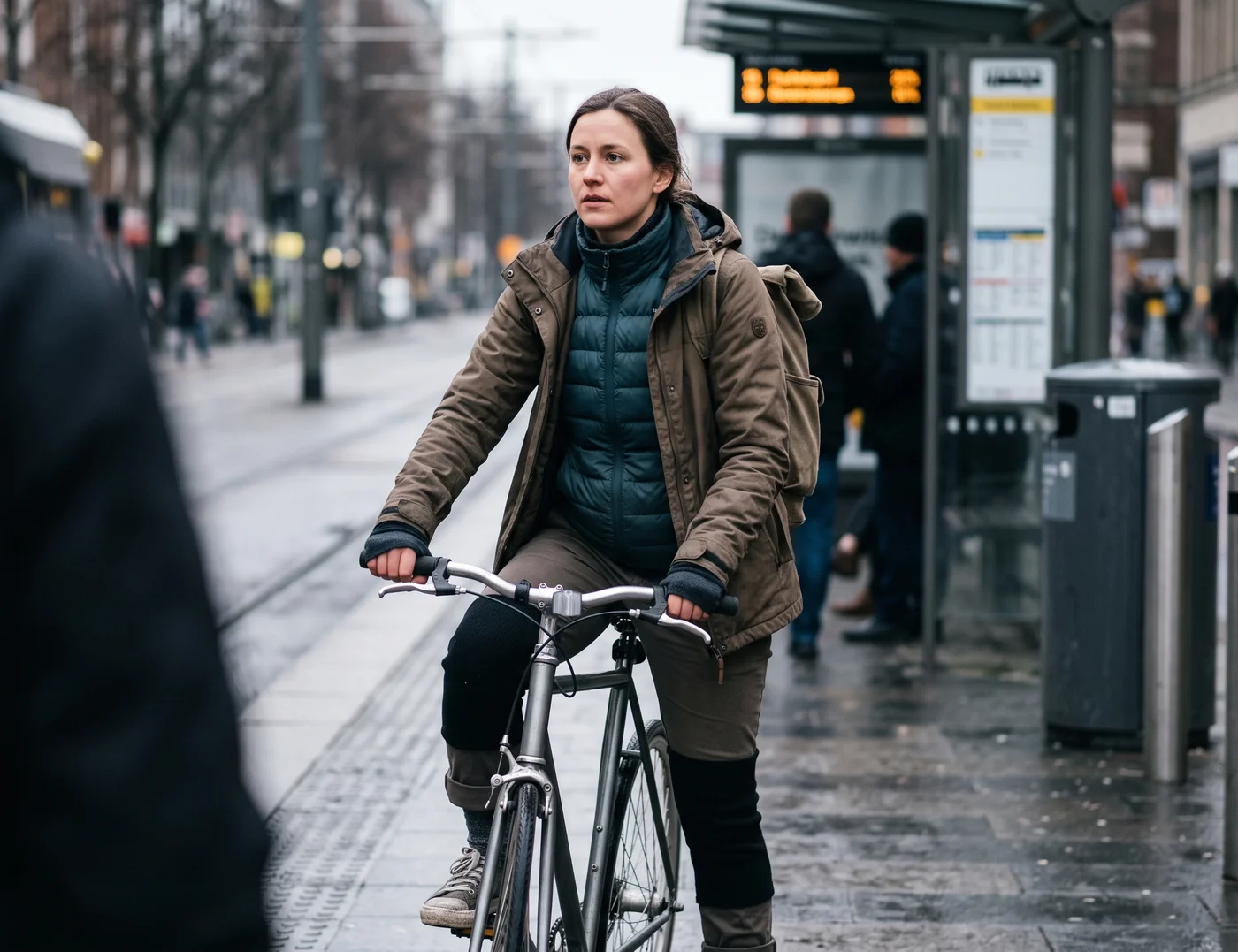
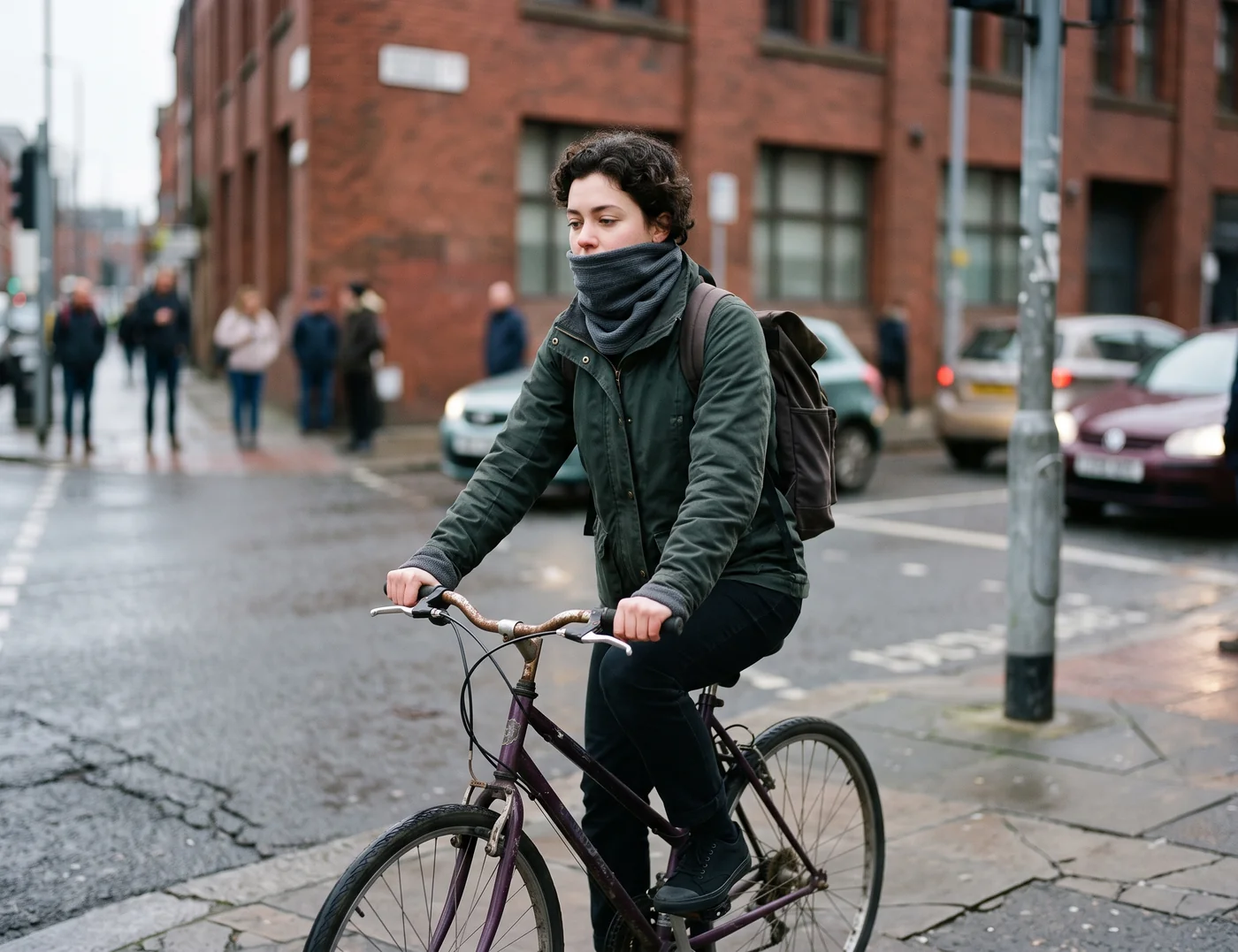
The temperature swing a commuter dresses for happens inside a single day — and half of it happens indoors, which is the part most layering advice ignores.
A commuter leaves cold, arrives warm, spends the working day in a heated or cooled building, and rides home into conditions different from the ones they set out in. That is the range one set of garments has to cover, and it is a different problem from dressing for a long day outdoors.
-
Base layer
Its job on a commute is mostly what happens after the ride: moving moisture off the skin quickly enough that the rider is not sitting damp at a desk half an hour later.
-
Arm and leg warmers
Chosen because they come off at the destination and pack flat. They let one short-sleeve garment cover a much wider band of mornings without a second full garment in the wardrobe.
-
Vest
Blocks the chest, leaves the back open. The most useful single piece for the shoulder seasons, and the one most likely to stay on indoors.
-
Outer layer
Carries the water-resistant finish, and carries most of the reflective placement discussed earlier.
The constraint specific to commuting
Every removable layer has to satisfy one of exactly two tests at the destination:
- Packable — small enough to go into a bag that is already carrying a laptop and a lock.
- Presentable — it can simply stay on in an office without looking like sports kit.
A layering system that satisfies neither gets abandoned by the wearer in week three, and no amount of specification recovers from that.
Proof
What Daily Wear Actually Tests: the Wash Cycle
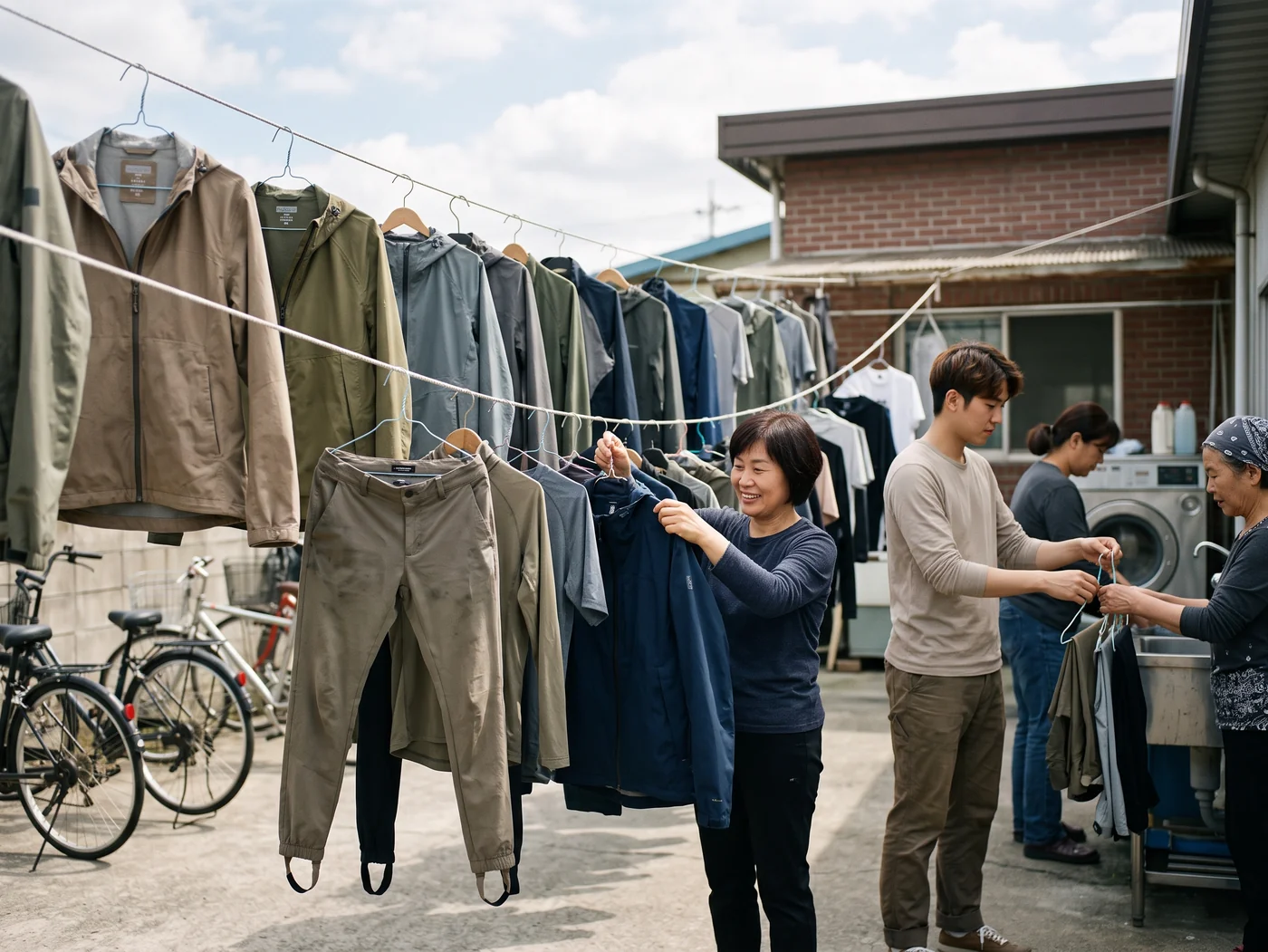
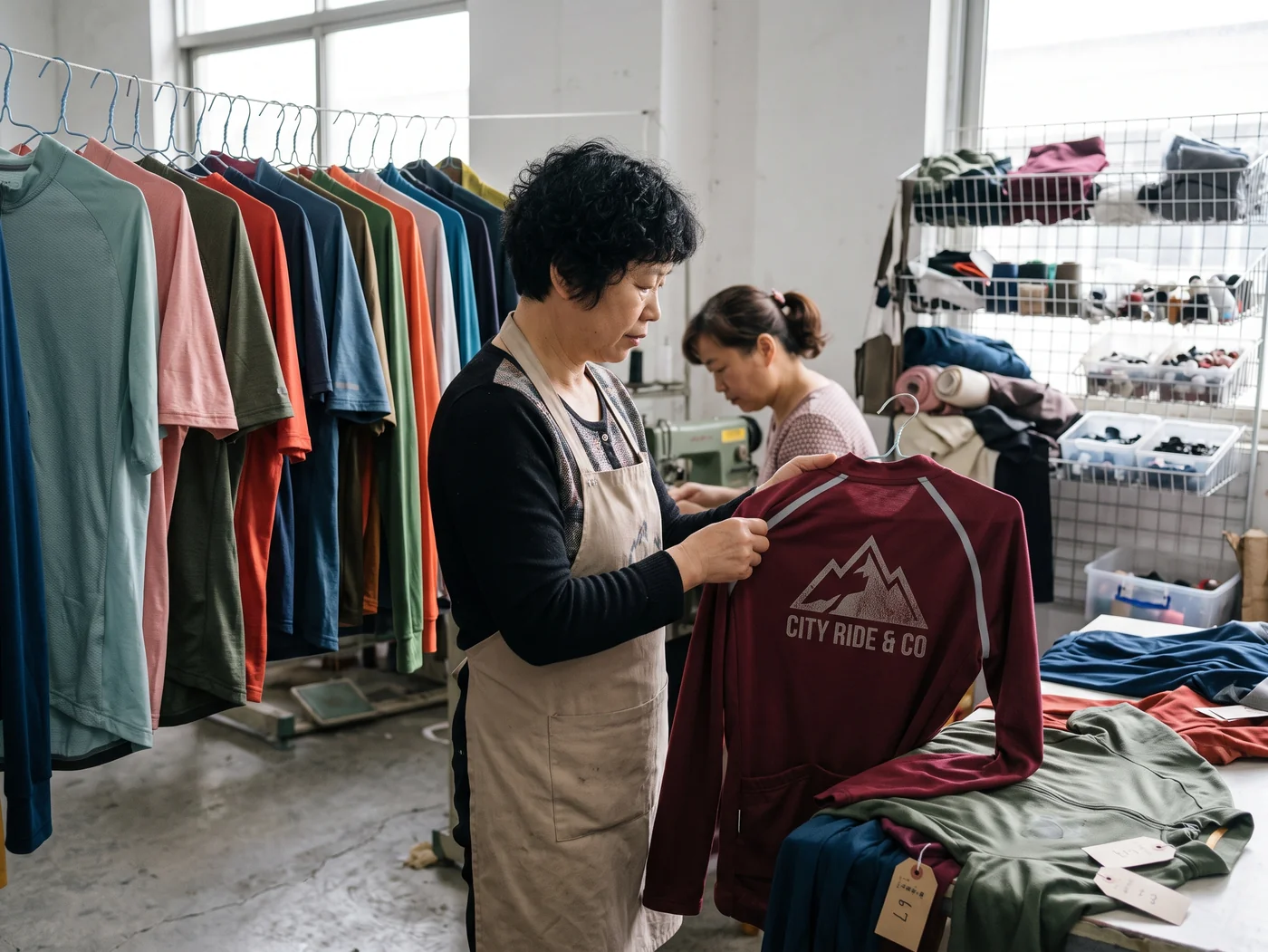
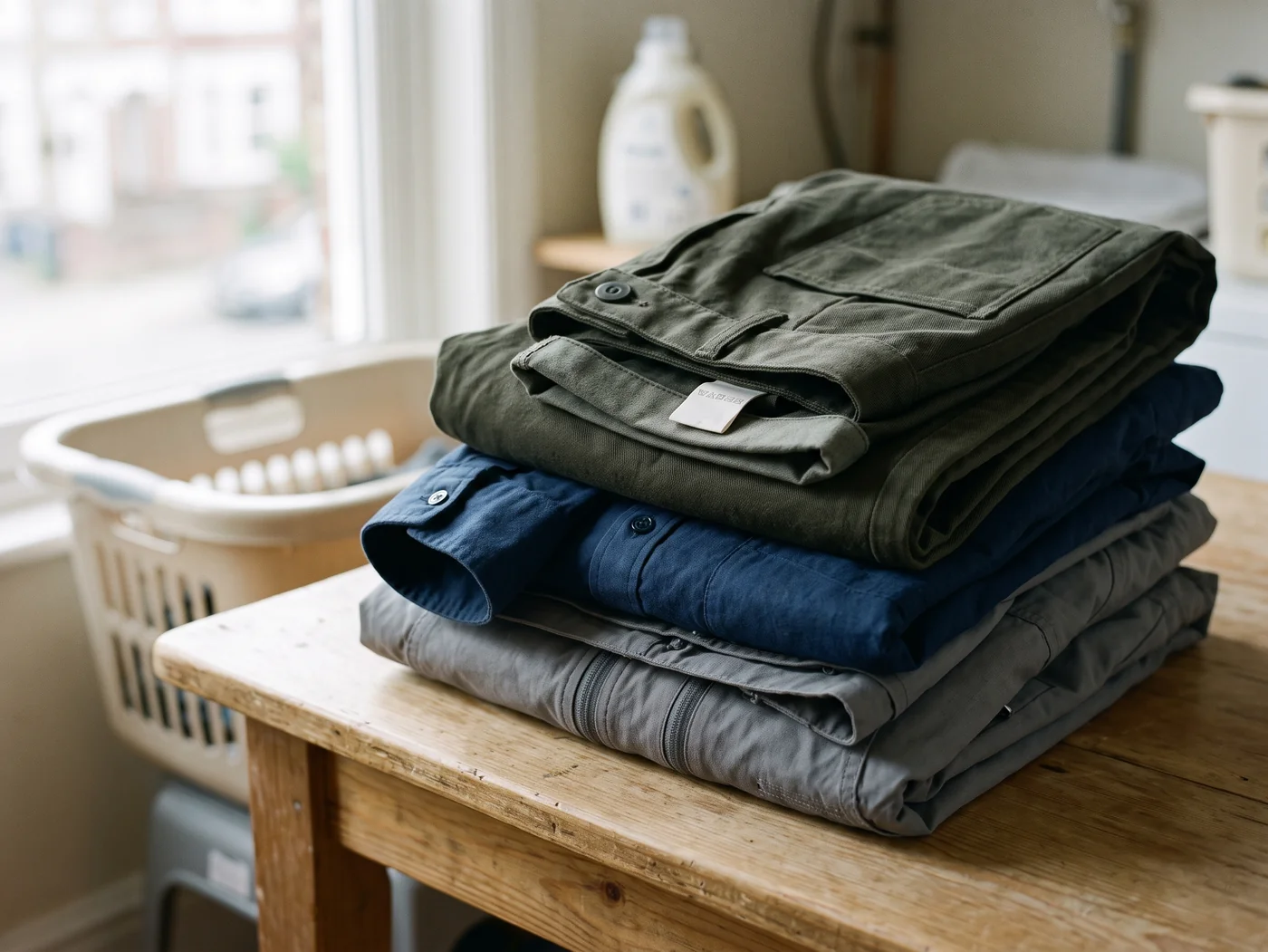
Ten rides a week means ten washes a week. Over a year that is the difference between a garment that has been laundered a few dozen times and one that has been laundered a few hundred.
The Four Things That Fail First
Not the fabric tearing — that is rare. What comes back from high-frequency programmes is narrower and more predictable.
- Elastic recovery at cuffs, hems and waistbands. The first place a garment starts to look tired, and the reason a waistband is specified as its own component.
- Decoration adhesion. Heat-transfer and reflective print survive appearance testing easily and wash cycles less easily, so on commuter pieces they are specified against the wash count rather than against the sample photo.
- Colour retention. Dark commuter colours are chosen partly because they hold up; full-width sublimation on a light ground is a different maintenance proposition and the buyer should know that at design time.
- Abrasion at the seat and shoulder. Not from riding. From a saddle five days a week, and from a bag strap — which has its own section below.
The two numbers we hold against it
A weight appropriate to the piece, and an abrasion floor the cloth has to clear to get into the garment at all. Those two are the honest answer to "will it last the year".
We do not claim an antimicrobial or odour-control treatment on these garments, and we do not name a third-party fabric technology to stand in for one. What carries a daily-wear programme is cloth selection, decoration specified for wash count, and elastic components chosen for recovery.
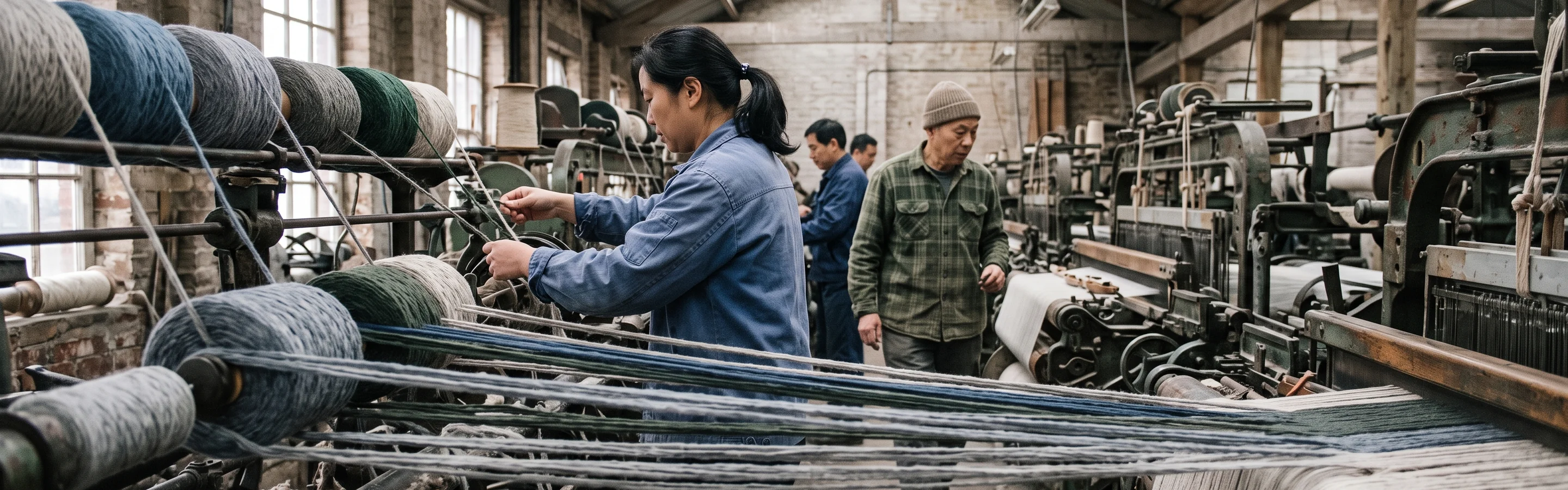
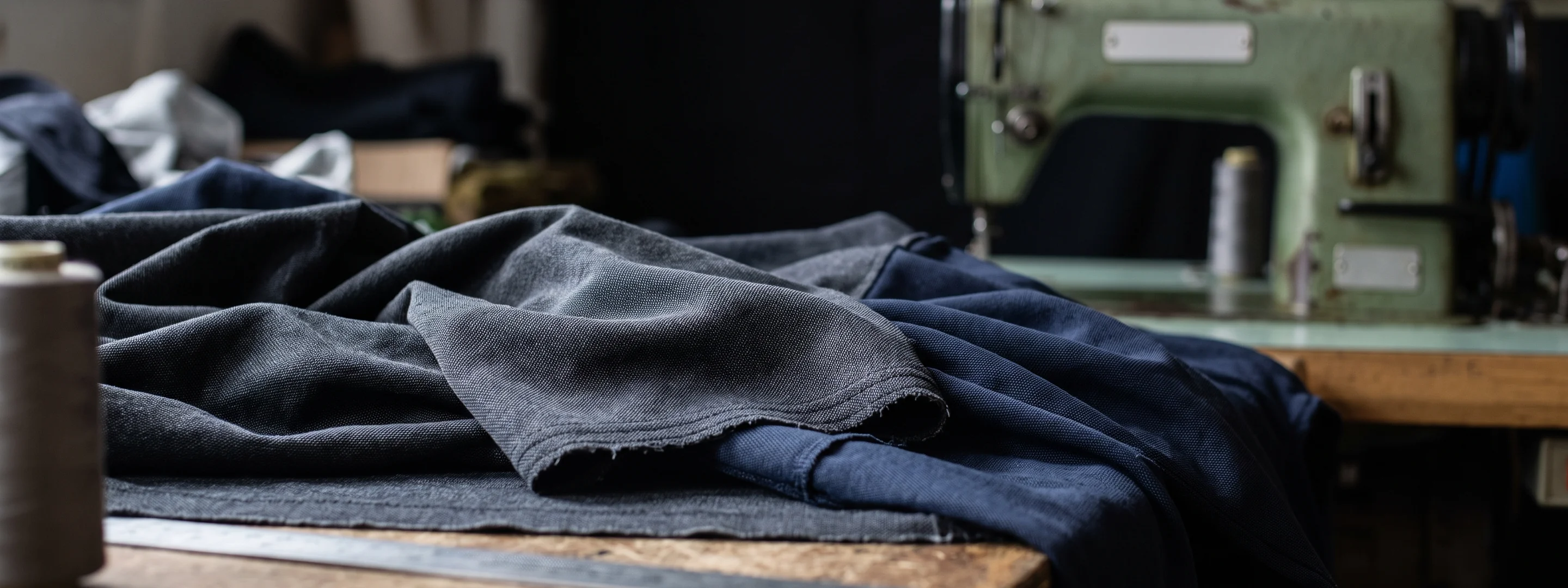
A commuting garment spends more of its life indoors than on the bike, and it is judged in both places.
Education
Bag Straps, Locks, and the Wear They Cause
Every commuter carries something. That single fact produces a wear pattern no other riding scenario on this site has to design around.
- Band wear
- Point wear
Band Wear: the Straps
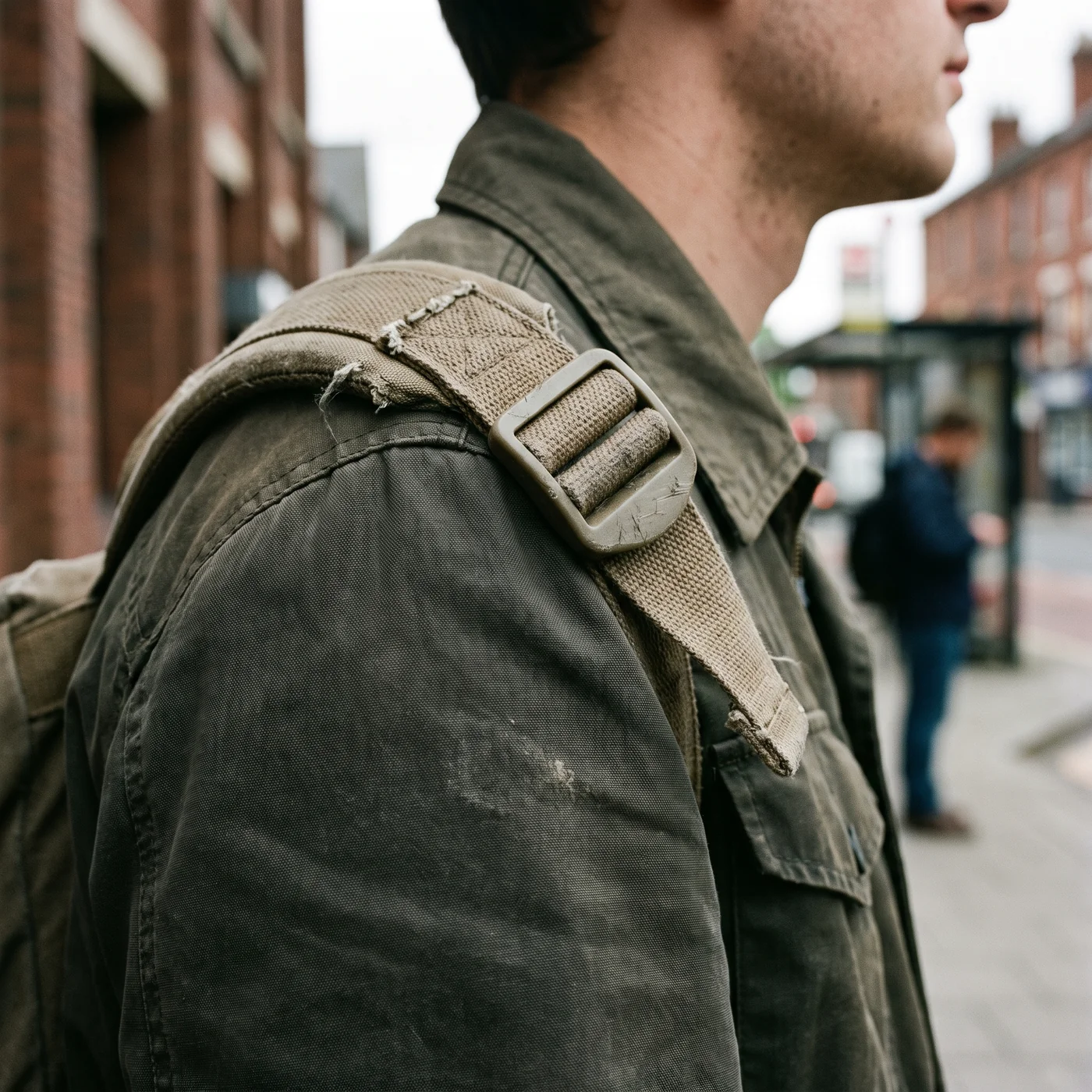
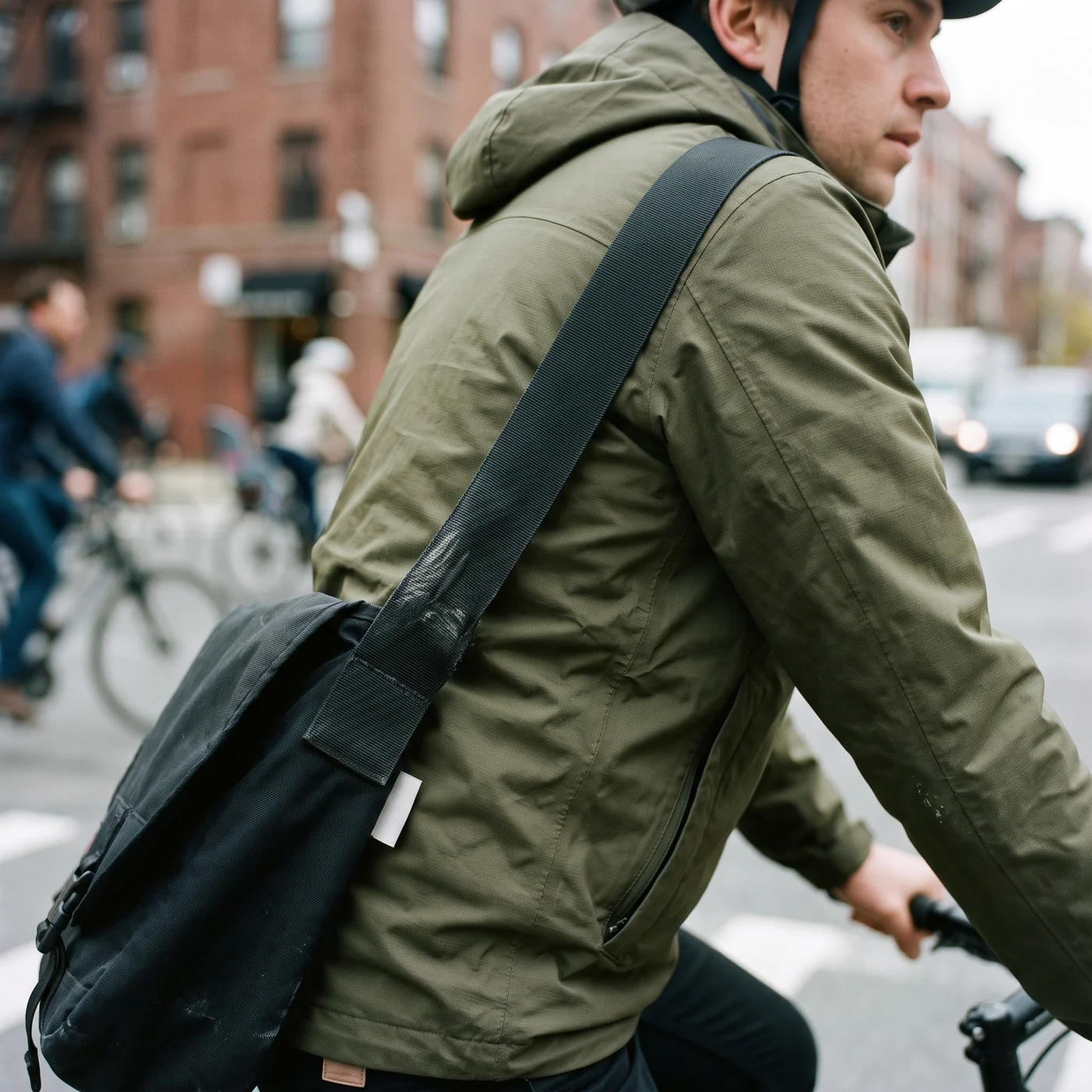
A backpack loads two narrow bands over the shoulders and across the upper chest. A messenger or shoulder bag loads one, diagonally, and rotates against it at every pedal stroke. Either way the load lands in the same place twice a day for the life of the garment.
The consequences are ordinary and entirely predictable: pilling and gloss along the band, faster elastic fatigue where a strap crosses a seam, and decoration wearing off under the strap before it wears anywhere else.
Point Wear: Buckles, Clips and Locks
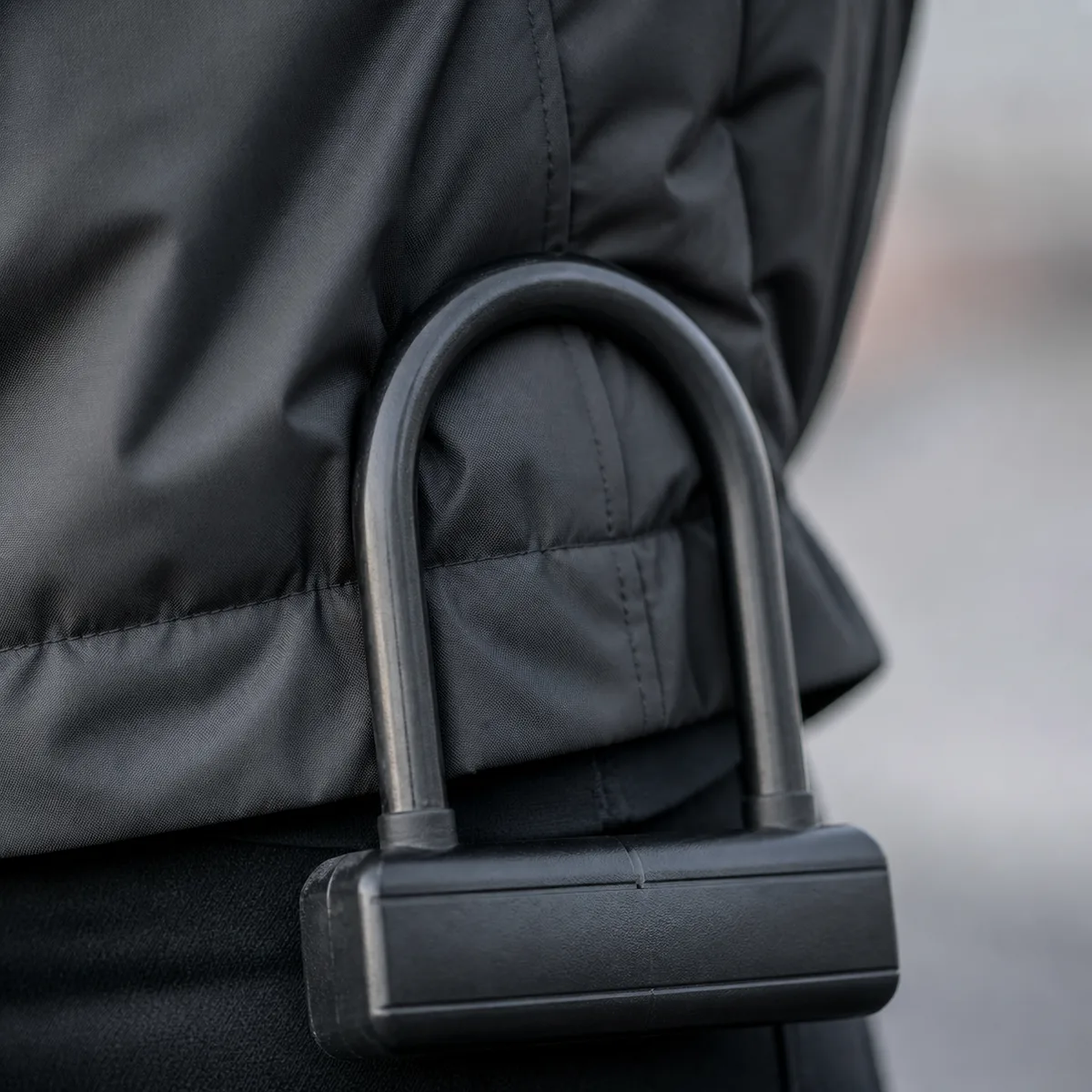
Sternum clips, adjuster hardware and the tail of a strap all press a small hard object into one spot. A D-lock or chain carried against the body or clipped to a rack does the same thing with more weight and less predictability.
Point loads concentrate abrasion where band loads spread it, which is why they show up as a mark rather than as a general shine.
What We Do With It at the Pattern Stage
Three decisions, all cheap if taken early and all expensive after sampling:
- Map the strap path first, then place decoration. Logos, reflective and heat-transfer are routed out of the band, not centred on the panel and hoped for.
- Keep seams out of the band where the pattern allows. A seam under continuous strap load fatigues before the cloth does.
- Reinforce, or accept and disclose. Where a strap path cannot be avoided, the panel is specified with that in mind, and we say plainly which areas will show wear first.
For a corporate programme this matters more than it sounds: the garments carry someone's brand mark, and a logo scuffed off under a rucksack strap is the failure the programme owner will actually be asked about.
Risk reduction
What a Commuter Programme Doesn't Need
Reverse qualification. Four things a commuter range can leave out, and where the money they would have cost is better spent.
| Leave it out | Spend it here instead |
|---|---|
| Leave out Race fit. A close competition cut is uncomfortable walking and worse sitting, and the ride is too short to reward it. | Pattern work across three postures. The single most expensive and most useful thing on a commuter garment, and the hardest to add later. |
| Leave out Aerodynamic seam routing. Real on a long fast ride, irrelevant across a few miles of stop-start traffic. | Reflective placement mapped to approach angles. Costs nothing in material; changes the outcome the programme exists for. |
| Leave out Extreme lightweight construction. Lightness buys nothing here and costs abrasion resistance, which is exactly what daily wear consumes. | Wash-cycle durability. Cloth weight and decoration specified against the laundering the garment will actually see. |
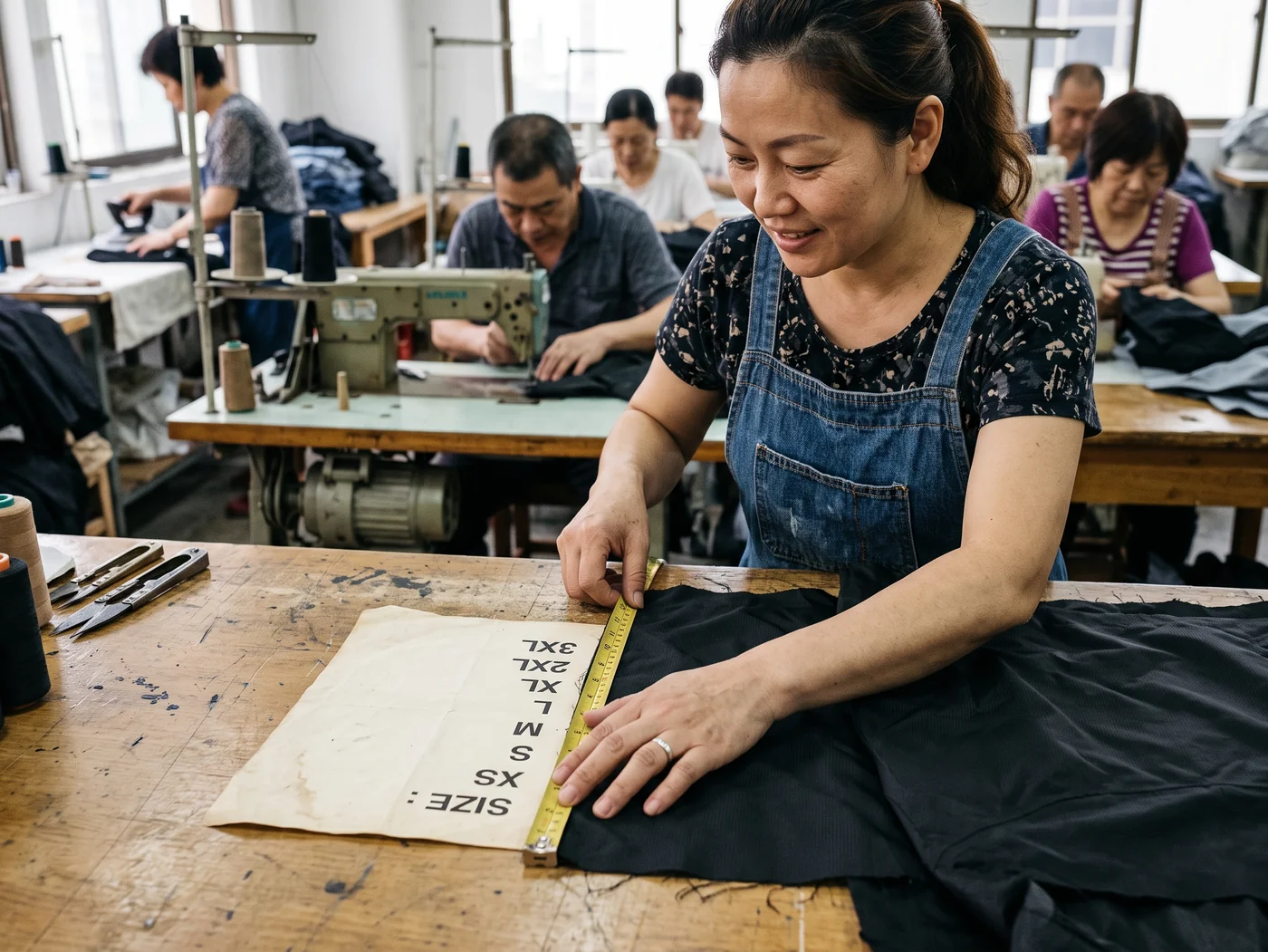
| Leave out A full graphic system on every piece. Ambitious all-over artwork on nine pieces multiplies approval rounds and maintenance. | Size range breadth. A programme is only as good as its worst-fitting participant, and mixed staff groups span a wide range. |
Who should not buy this
If what your riders actually want is performance kit for weekend training, a commuter range is the wrong purchase and this is the wrong page — our scenario pages cover that properly.
If your programme is mostly about event-day logistics for a large field rather than about the garments themselves, Cycling Events & Corporate Orders is the better starting point. Saying that here costs us a few inquiries and saves you a sampling cycle.
Navigation
Garment Types We Build for Commuter Programmes
Nine pieces. Each line says what is customisable, not what it is made of — specifications belong in a tech pack, not on a card.
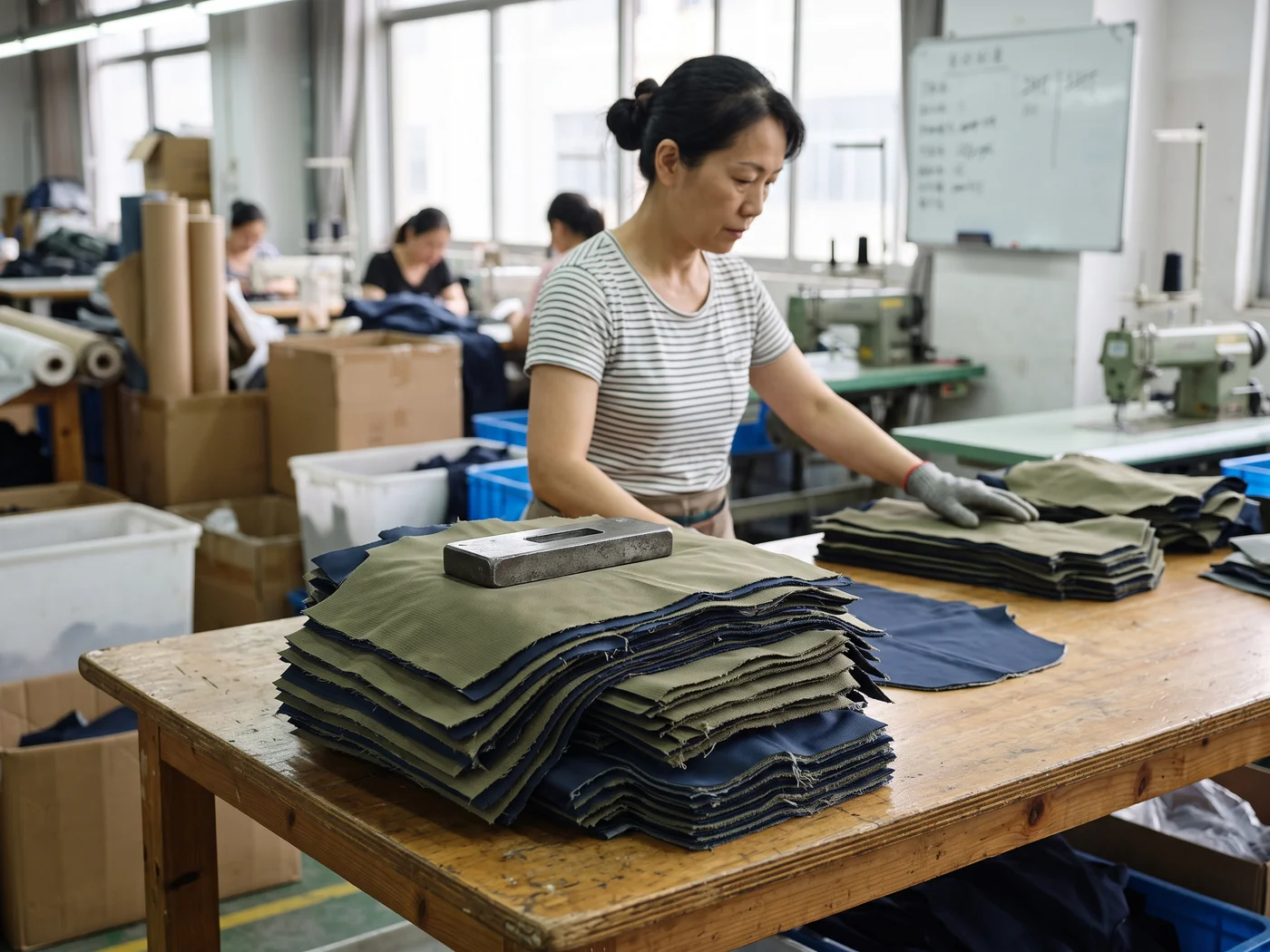
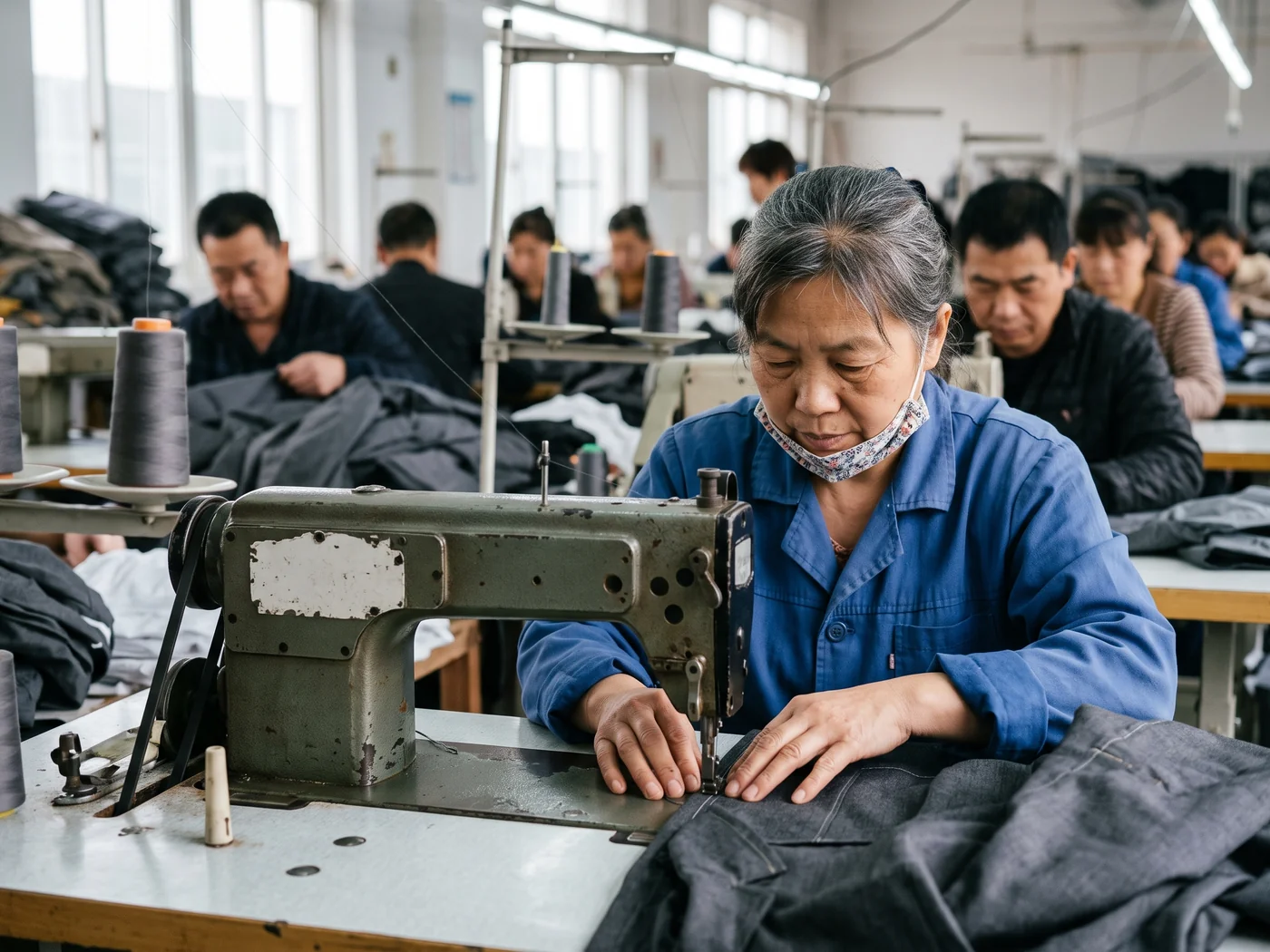
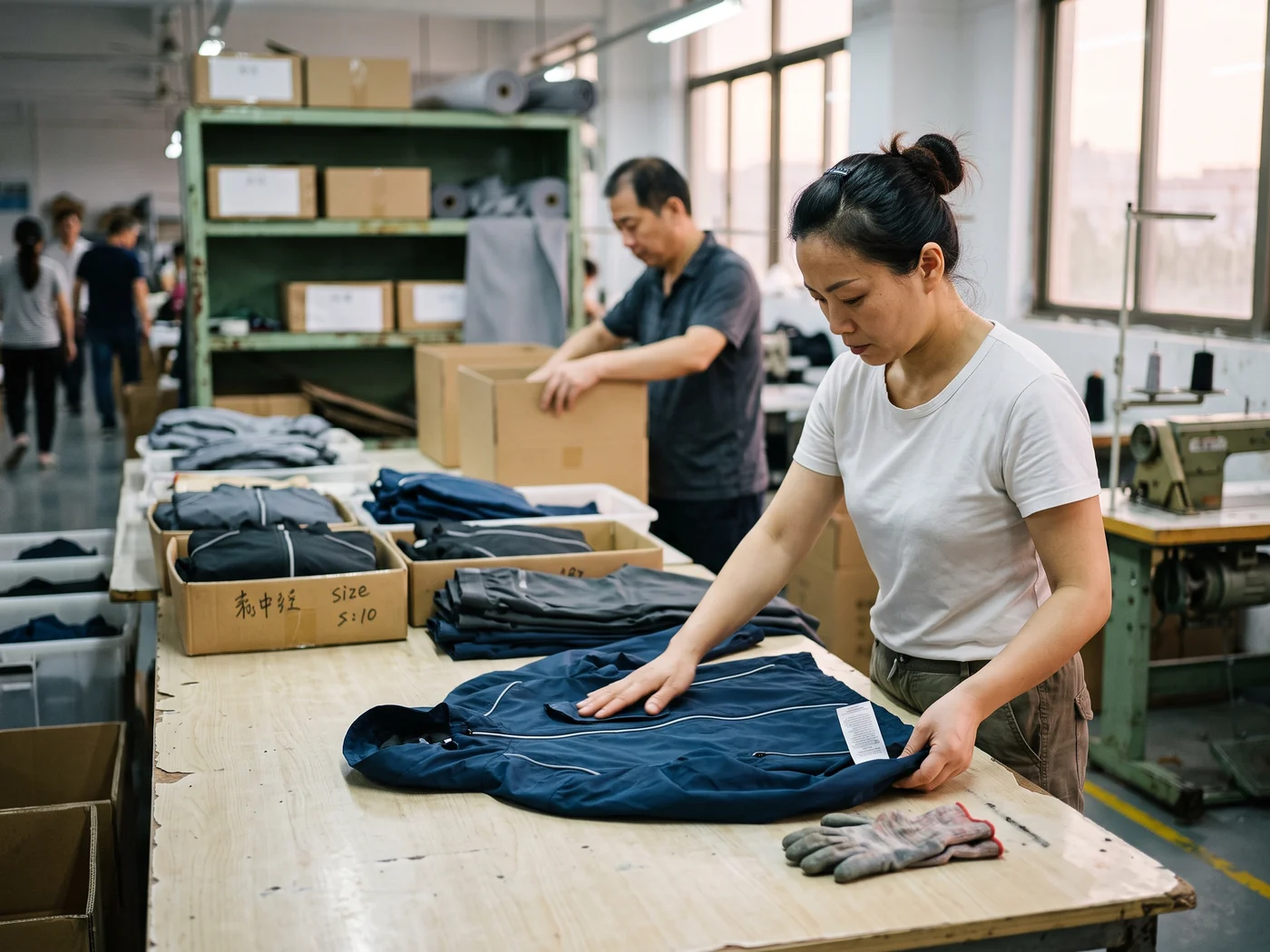
-
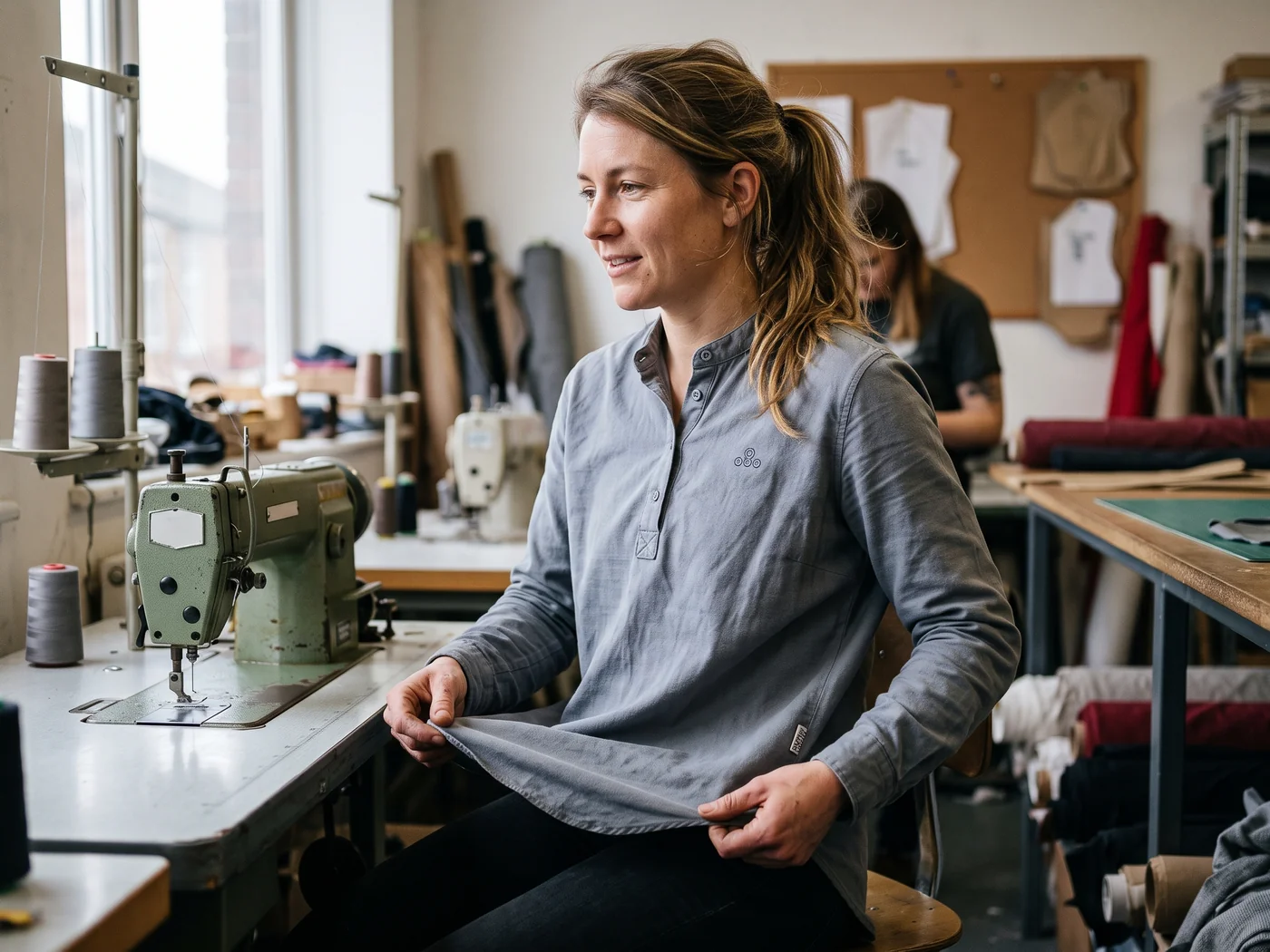
Commuter jersey / shirt
Relaxed cut with a shaped rear hem; collar and placket detailing specified to read as a shirt off the bike.
-
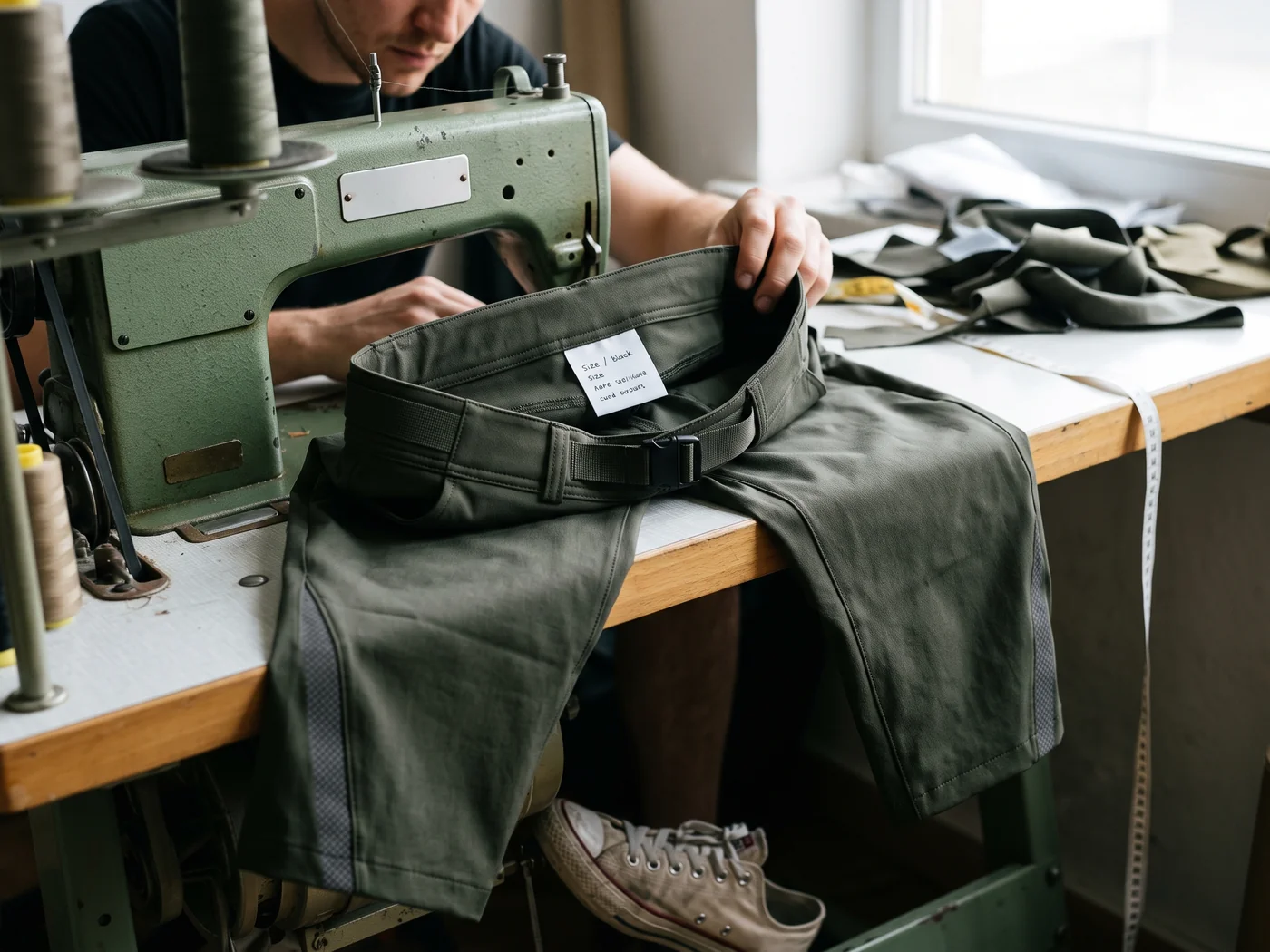
Commuter trousers & three-quarter
No chamois; waistband engineered as its own component, reflective detail at the ankle where overtaking beams land.
-
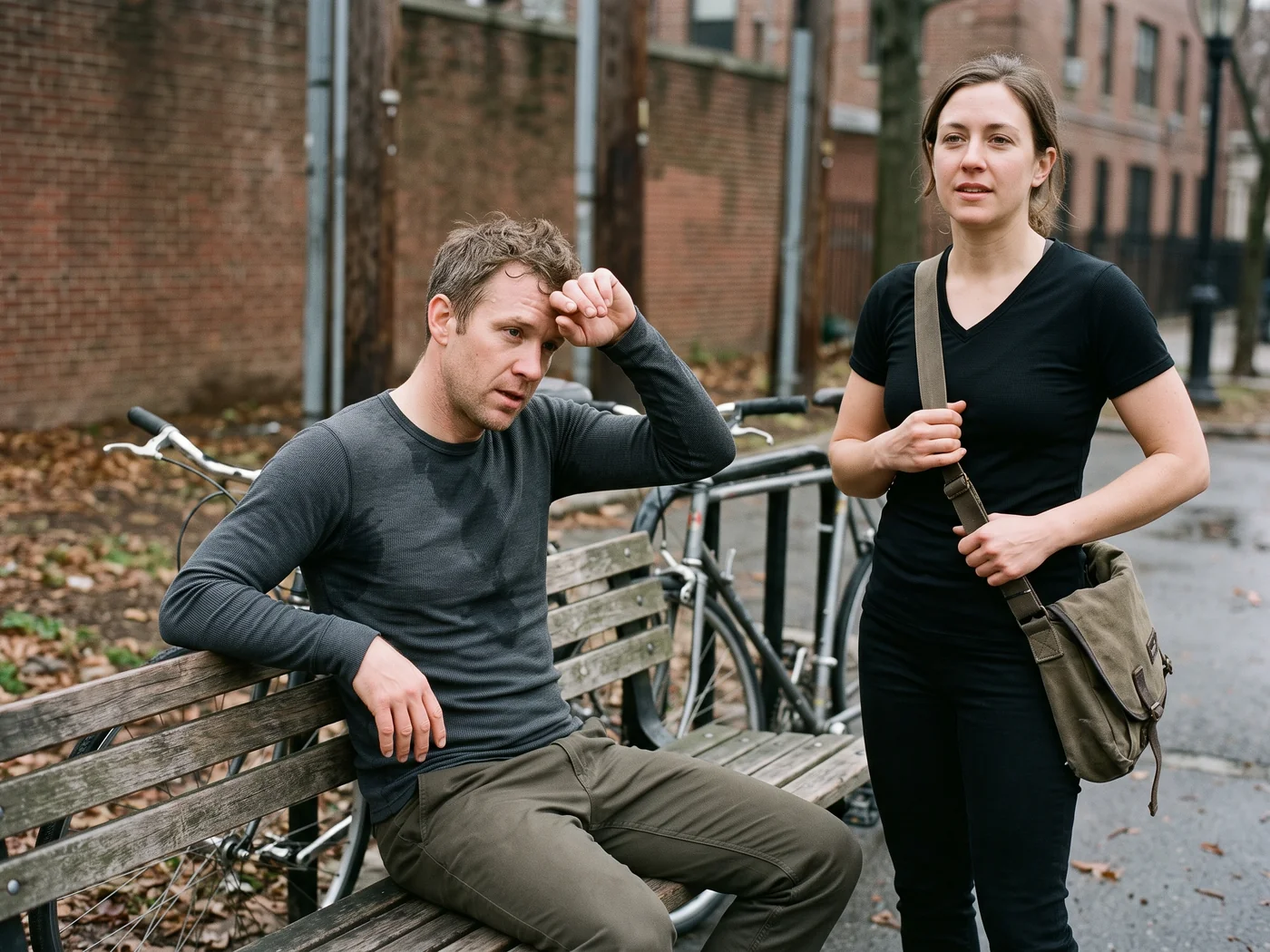
Base layer, short & long sleeve
Specified for moisture movement off the skin, in weights matched to the outer pieces.
-
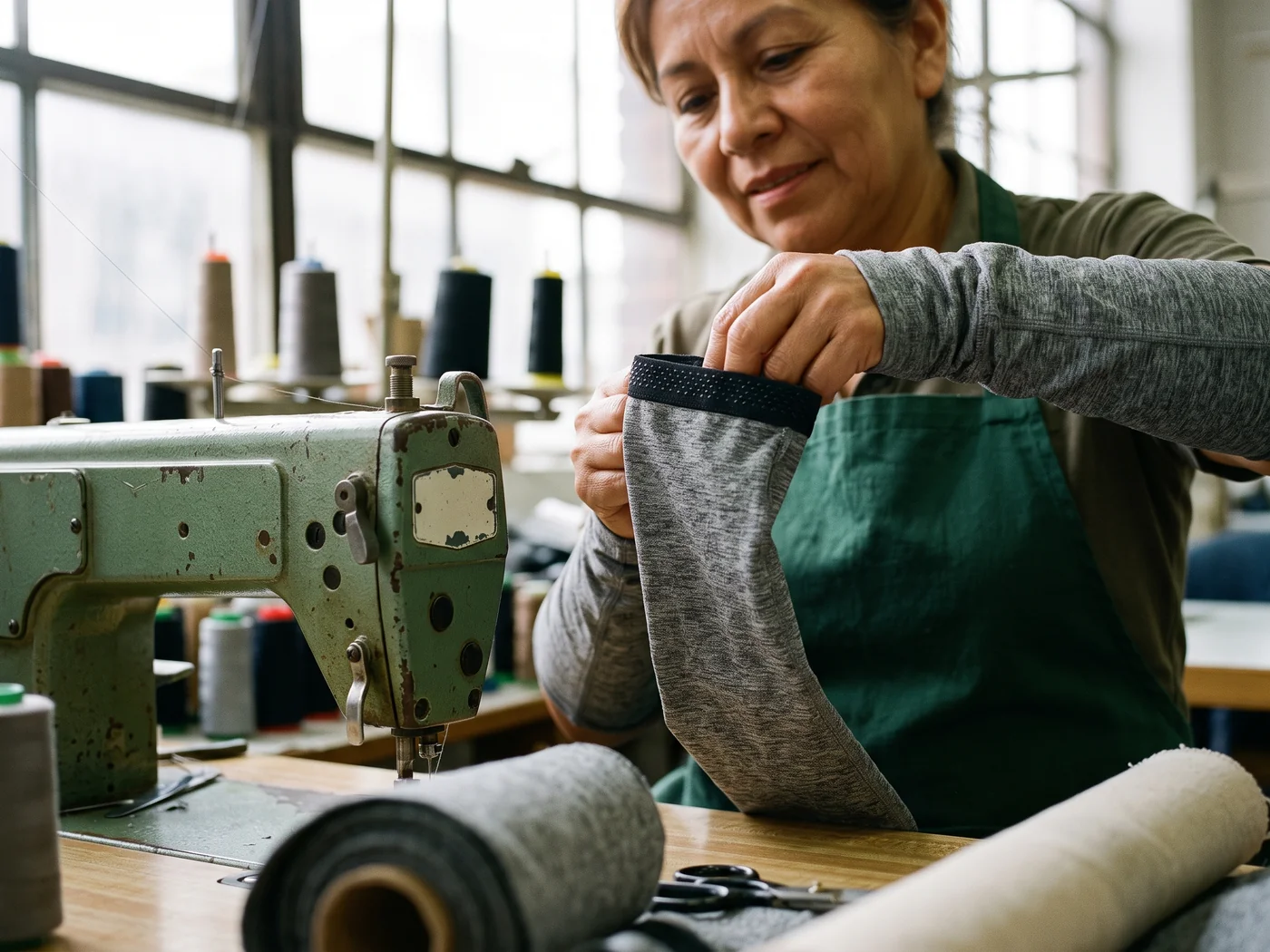
Arm warmers
Full-length or shortened, with gripper placement chosen for whether the piece stays on indoors.
-
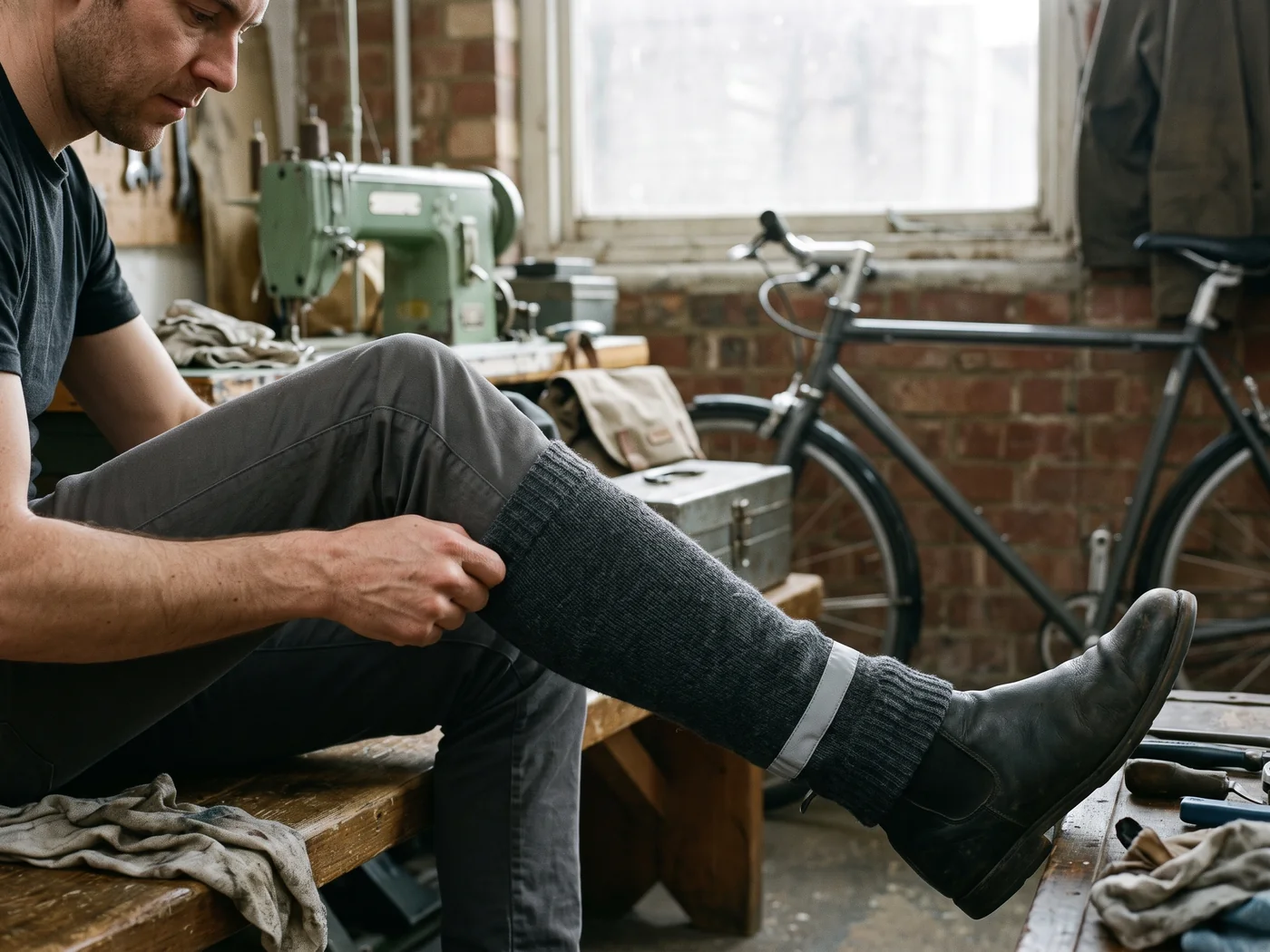
Leg warmers
Matched to the trousers or to the shorts already in the range, with reflective at the lower cuff.
-

Vest
Wind-blocking front, open back, water-resistant finish optional. The workhorse of a shoulder-season programme.
-
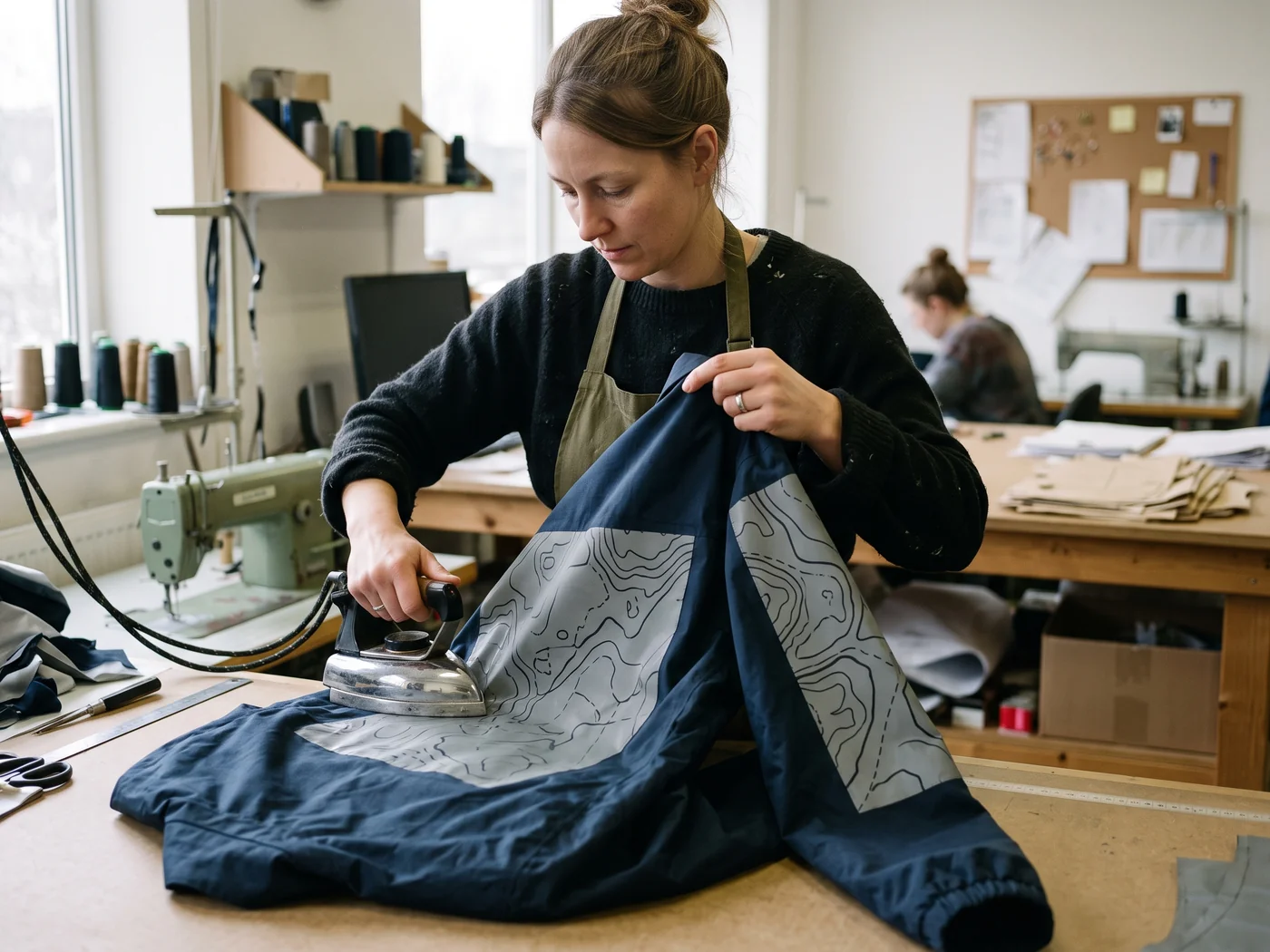
Rain-shell jacket
Water-resistant outer layer carrying the primary reflective map. Sealed-membrane weather protection is a different garment.
-
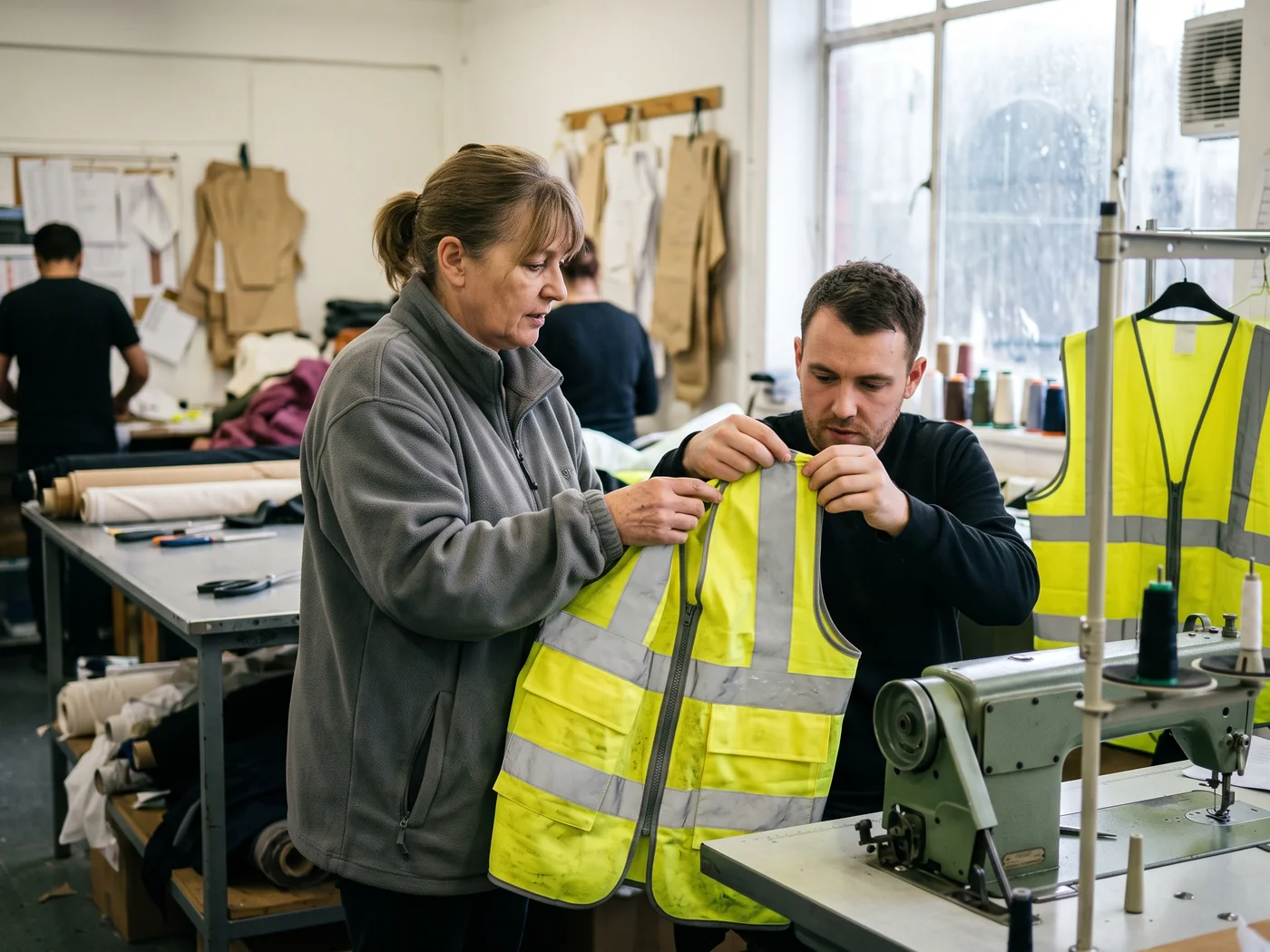
Reflective vest
Worn over anything, sized to fit above a jacket, and developed to whatever visibility specification your programme names.
-
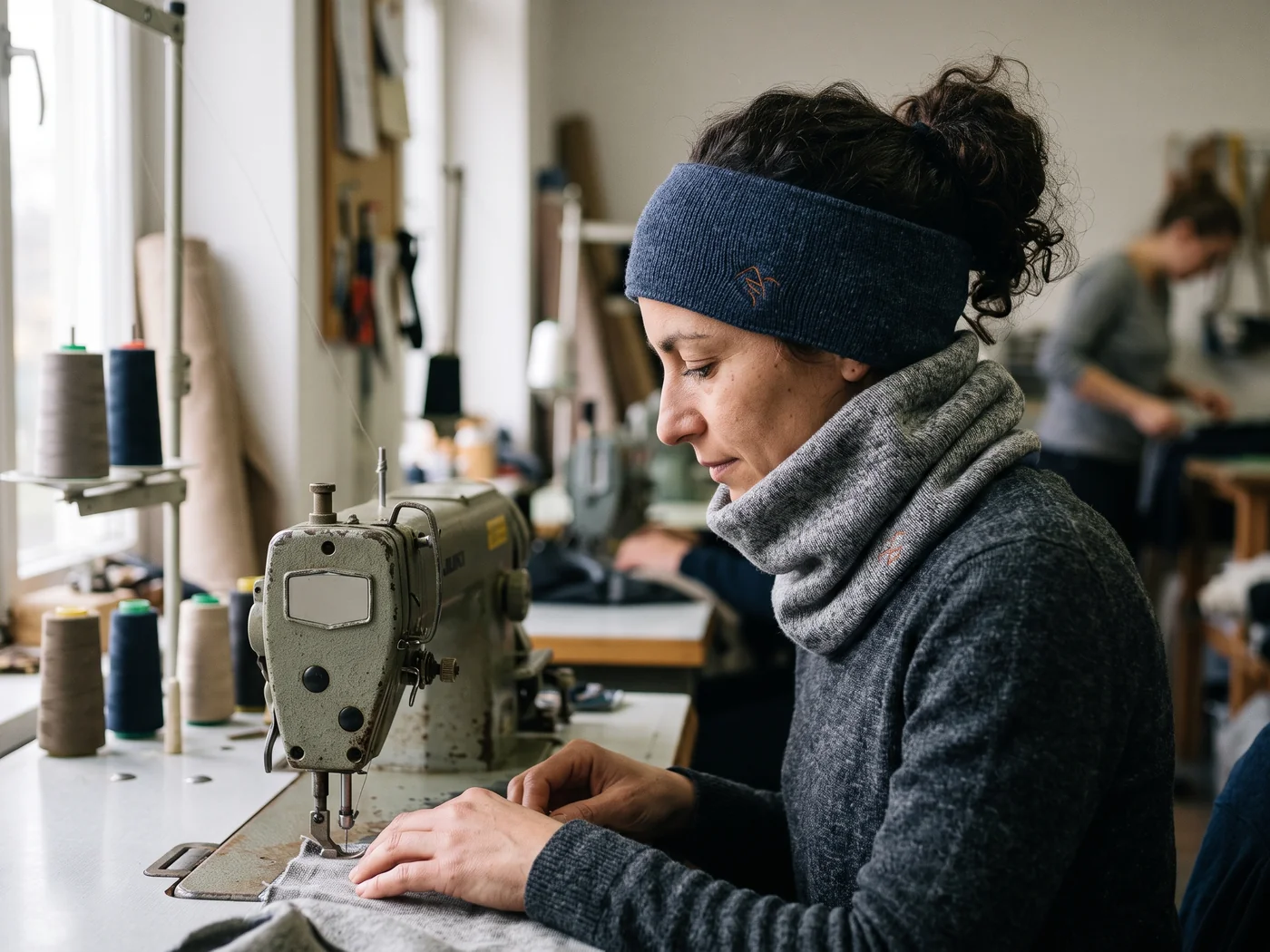
Headband & neck gaiter
The cheapest way to extend a range's temperature span, and the easiest place to carry a brand mark.
Decoration across all nine: full-width digital sublimation, heat transfer, computerised embroidery, reflective print and taping, and silicone gripper embossing.
What is not on this list, and will not be: gloves, footwear of any kind including overshoes, helmets and hardware such as computers or lights. Those are not garments we make, and a supplier who offers them alongside this list is describing a trading operation rather than a factory.
Ready to Put a Number of Riders Against This?
A head count and a date are enough for us to tell you whether the timeline works.
Talk to Our Development TeamComparison
Commuter vs. Recreational: What Actually Changes
Same factory, same lines, same cloth family — and eight specification decisions that come out differently. Worth reading if you already buy recreational kit and are adding a commuter range to it.
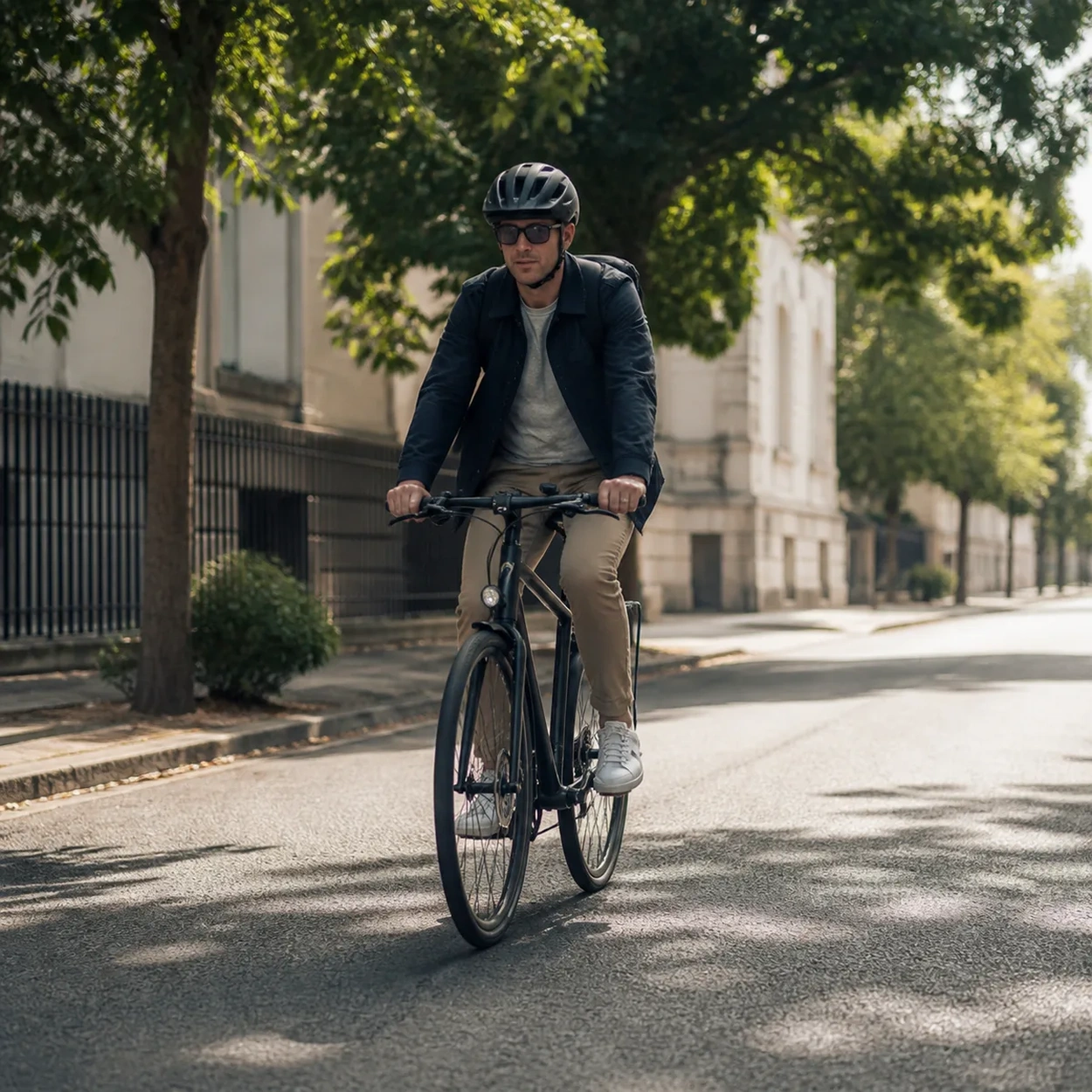
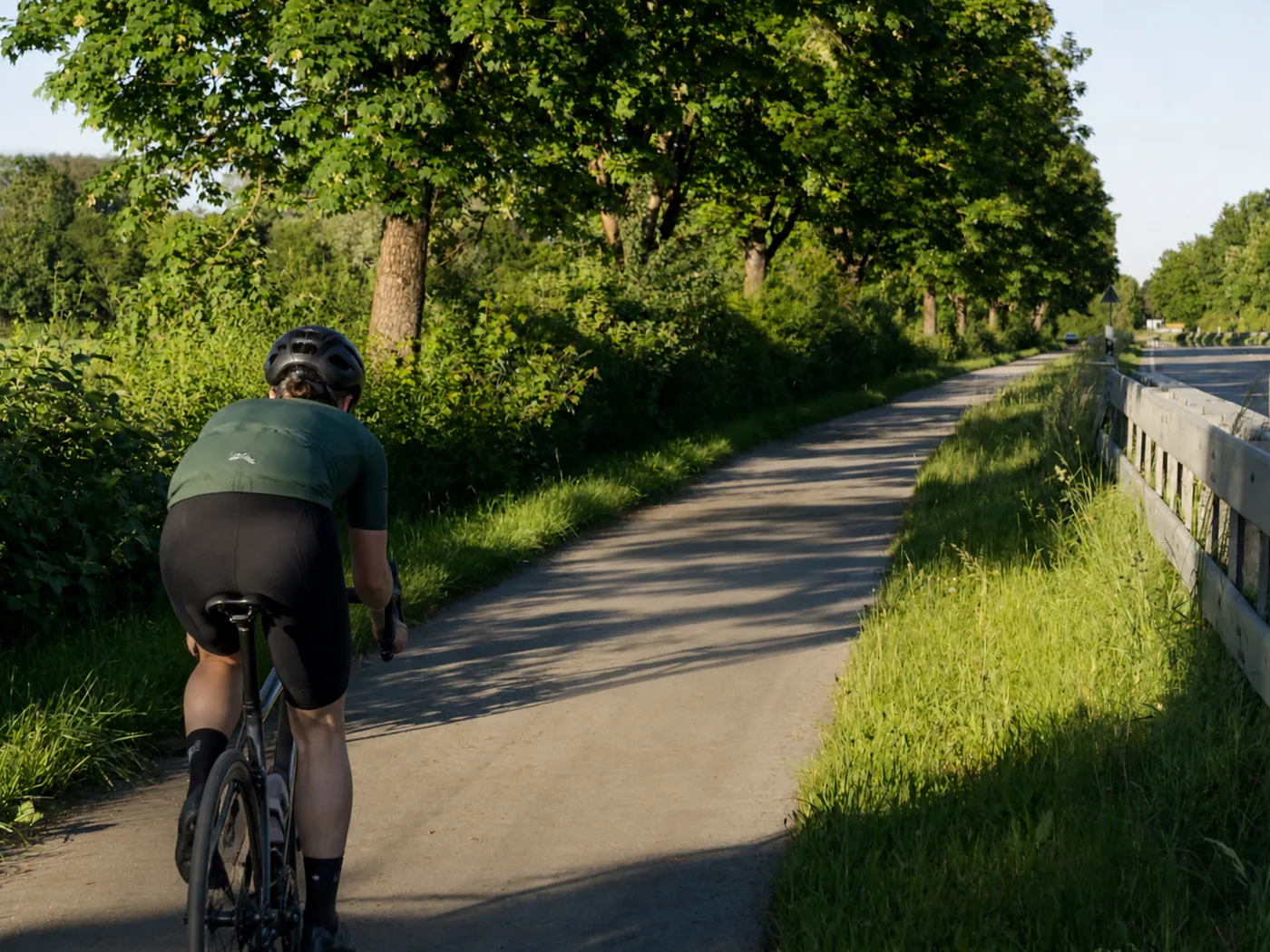
| Decision | Recreational range | Commuter range |
|---|---|---|
| Wear frequency | Once or twice a week, washed after each use | Ten rides and ten washes a week, all year |
| Session length | Continuous hours in one posture | Minutes, repeated, with constant stops |
| Light conditions | Chosen — mostly daylight, mostly dry | Given — dark at both ends for much of the year |
| What “fit” means | Optimised for one riding position | Acceptable in three positions, excellent in none |
| Decoration priority | Graphic impact and team identity | Survives the wash count and avoids the strap path |
| Reflective | An accessory, often seasonal | A pattern decision taken before artwork |
| Size range | Self-selecting riders, narrower spread | Whole-workforce spread, XS–3XL as standard |
| End of the ride | A car park or a front door | A building, other people, and a working day |
Reading the right-hand column
Almost nothing about a commuter range is a softer version of a recreational one. The constraints are simply different, and a few of them are tighter.
Which is why a buyer already running a recreational range cannot reuse its specification sheet here and expect the result to hold up.
Risk reduction
How a Corporate Bike-to-Work Programme Runs
Six steps with the days attached, and what you hold at the end of each one. Written for the case that has the least slack in it: a fixed event or launch date that will not move.
-
Brief and Rider Count
You tell us the head count, the spread of body sizes across the group, which pieces the programme includes, and the date it has to be in people's hands.
a straight answer on whether that date is achievable before anything is drawn.
-
Spec Handover
Artwork, any visibility specification you have to meet, and a size list.
a size list assembled from guesses is the single most common cause of a re-cut, and no amount of production speed recovers a week lost to it.
-
Sampling 5–7 days
a working sample of the lead piece with your decoration applied and the reflective map in place.
Sample pieces sit outside the order count.
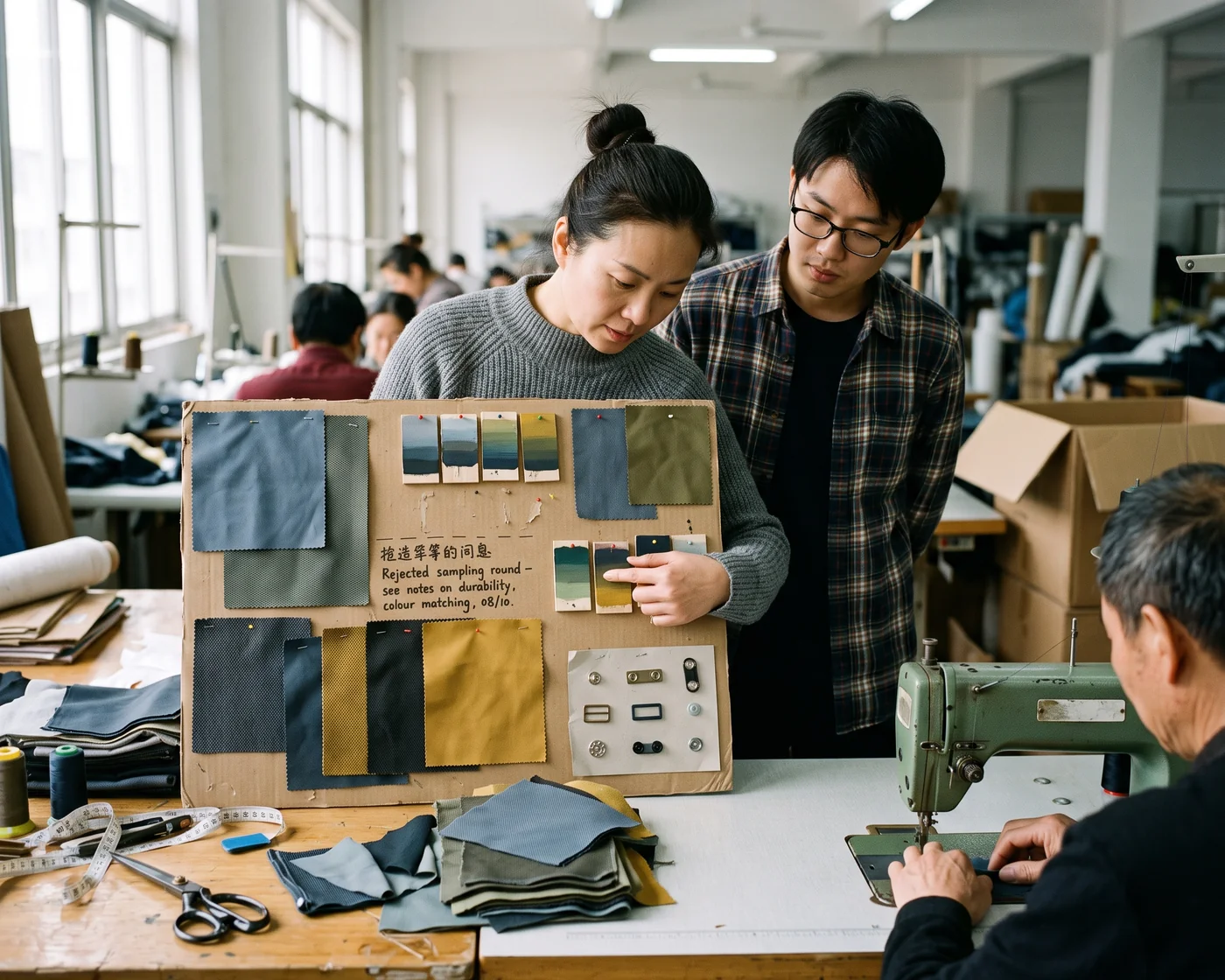
What a sampling round is decided against. -
Revisions 2 rounds
Two rounds carry no additional sampling charge. On commuter programmes the changes are nearly always placement rather than construction — a logo moved out of a strap path, reflective dropped to hem level, a hem curve softened for standing.
-
Bulk Production 20–30 days
Counted from sample confirmation, not from your first email.
Six inspection gates run before anything ships; they are set out in full on Quality Control and not repeated here.
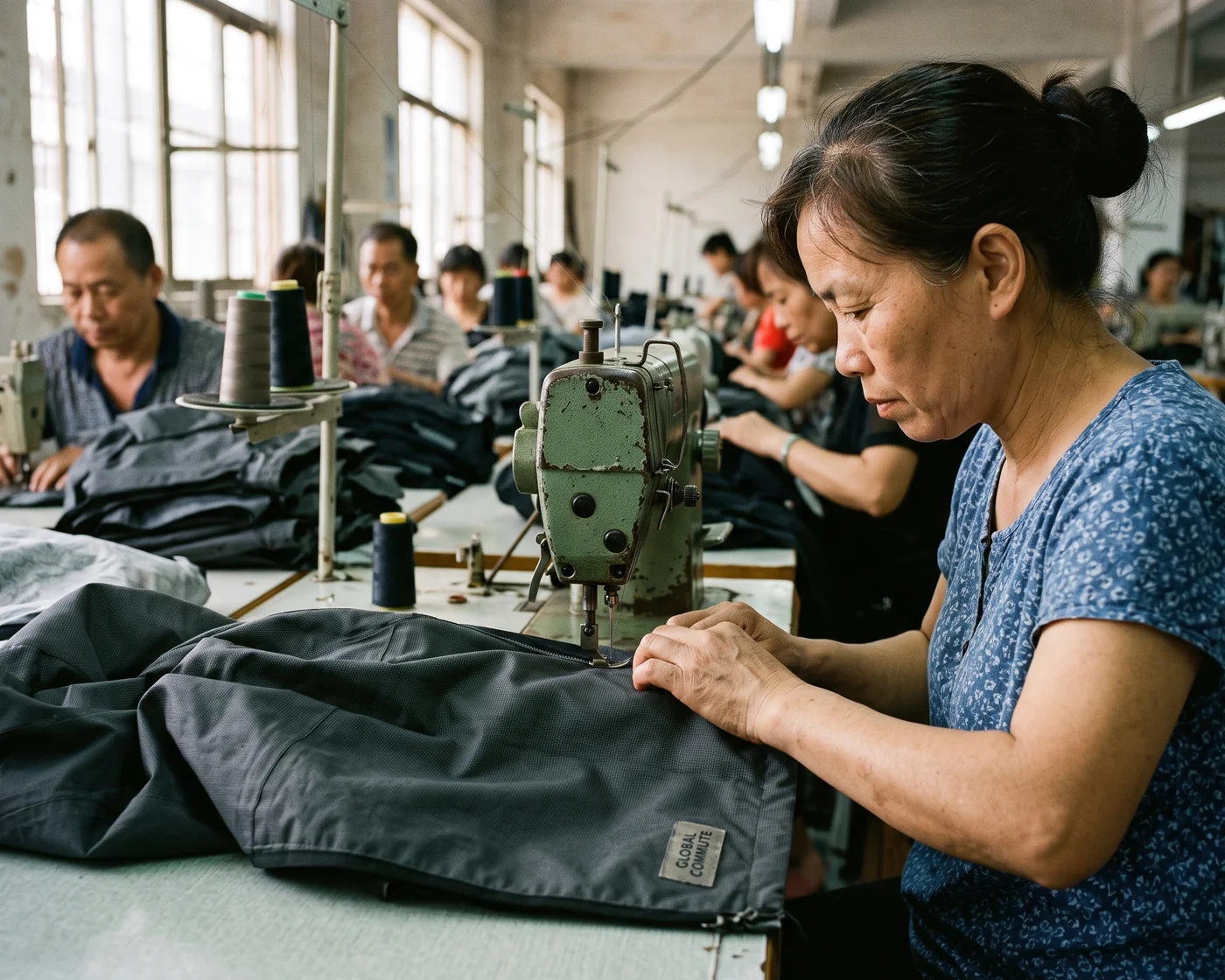
Bulk runs on the same lines as our team kit. -
Delivery Against the Date
Sequenced backwards from the date you gave in step 1, with the widest sizes scheduled first because they have the least room for a second attempt.
A corporate charity ride in the United States: roughly eighty riders, a wide spread of sizes across a general staff group rather than a self-selecting club, and a fixed event date. The constraint was never the piece count — it was that the size spread and the immovable date had to be solved at the same time, which is why the sequencing in step 6 exists.
Rush production can compress to 12 to 15 days where a slot is confirmed in advance. Asking for it afterwards is a different conversation, and usually a worse one.
Risk reduction
Commuter Programme Questions
What buyers ask before sending a first commuter brief.
You name it, we develop and sample against it. Conformity is a property of a specification you hold and a test you commission, so we do not publish a standard of our own to imply we have already met yours.
What we bring to that conversation is the placement map — which surfaces are in a driver's beam from which direction — and that part is ours to get right regardless of which specification sits on top of it.
Water-resistant, by way of an optional DWR treatment on outer layers, vests and commuter trousers. It sheds showers and wheel spray and stops the fabric wetting out and going cold.
It does not hold out sustained rain, it lets water through under strap pressure, and the finish gradually reduces with washing and abrasion. We do not describe any garment on this page as sealed weather protection.
That is the right question for a commuter range. Fabric weight is selected inside a 140–230 gsm band by garment type and season, and main-body cloth clears 30,000 Martindale cycles before release to cutting. Decoration is specified against the wash count rather than against the sample photograph.
We do not claim an antimicrobial or odour-control treatment, and we do not borrow a third-party fabric technology name to stand in for one.
A working sample takes 5 to 7 days once the specification is complete. Two revision rounds carry no additional sampling charge. Bulk runs 20 to 30 days from sample confirmation. Rush production can compress to 12 to 15 days with a production slot confirmed in advance.
Our own size table runs XS–3XL in separate men's and women's patterns. Your own size chart can replace it during development.
For a workforce programme this matters more than for a club order — the spread across general staff is wider than across self-selecting riders, and the widest sizes are the ones worth scheduling first.
30 pieces per style per colourway. Three things follow from that:
- Sizes mix freely inside one colourway.
- Each additional colourway counts its own 30.
- Sample pieces sit outside the count entirely.
The full ordering logic lives on MOQ & Wholesale Pricing.
Gloves, footwear of any kind including overshoes, helmets, and hardware such as computers and lights. None of those are garments, and none of them come off our lines.
We also do not hold finished commuter stock — every programme here is developed and produced against a specification.
Inquiries are answered within 24 business hours. A quote follows within 48 hours once a complete tech pack is in hand.
Start Your Commuter Programme
Send the rider count, the size spread, and the date it has to land. That is enough for a real answer rather than a brochure.