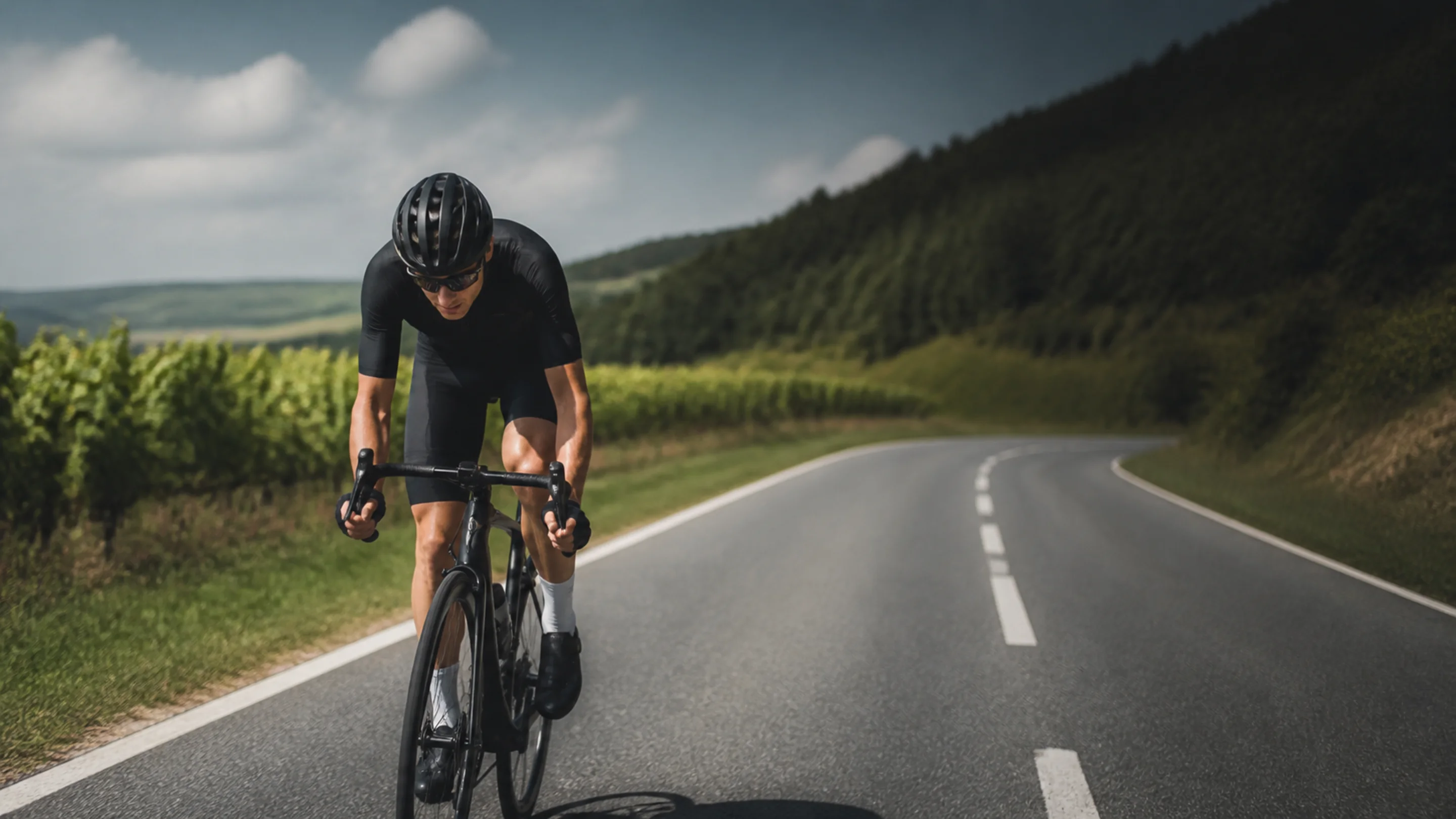
Custom Road Cycling Apparel Manufacturer for Race, Endurance and Club Collections
We develop custom road jerseys, bib shorts and cycling apparel collections engineered around aerodynamic performance, rider comfort and brand identity.
Road Cycling Apparel Collections for Brands and Teams
Develop performance-focused road cycling apparel including jerseys, bib shorts and seasonal layers for racing, endurance riding and cycling brands.
01
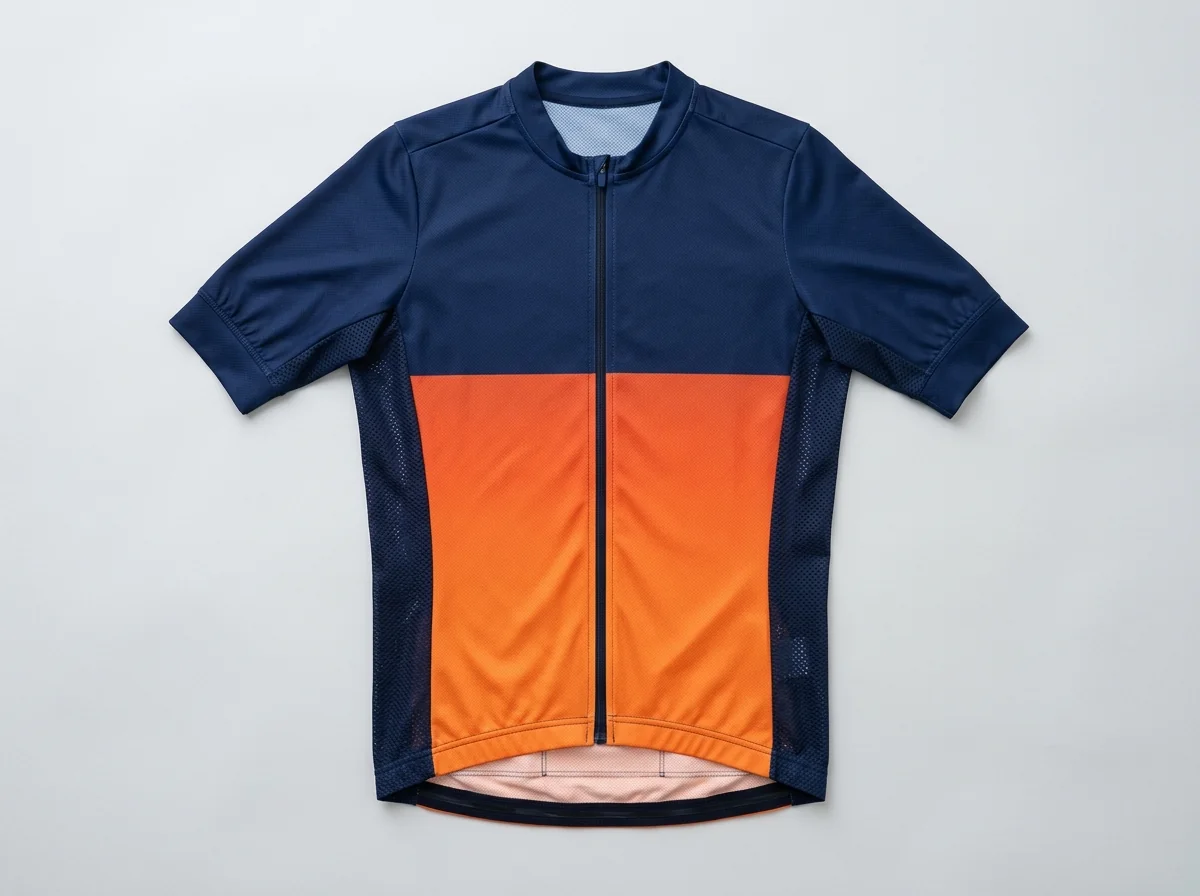
Custom Road Cycling Jerseys
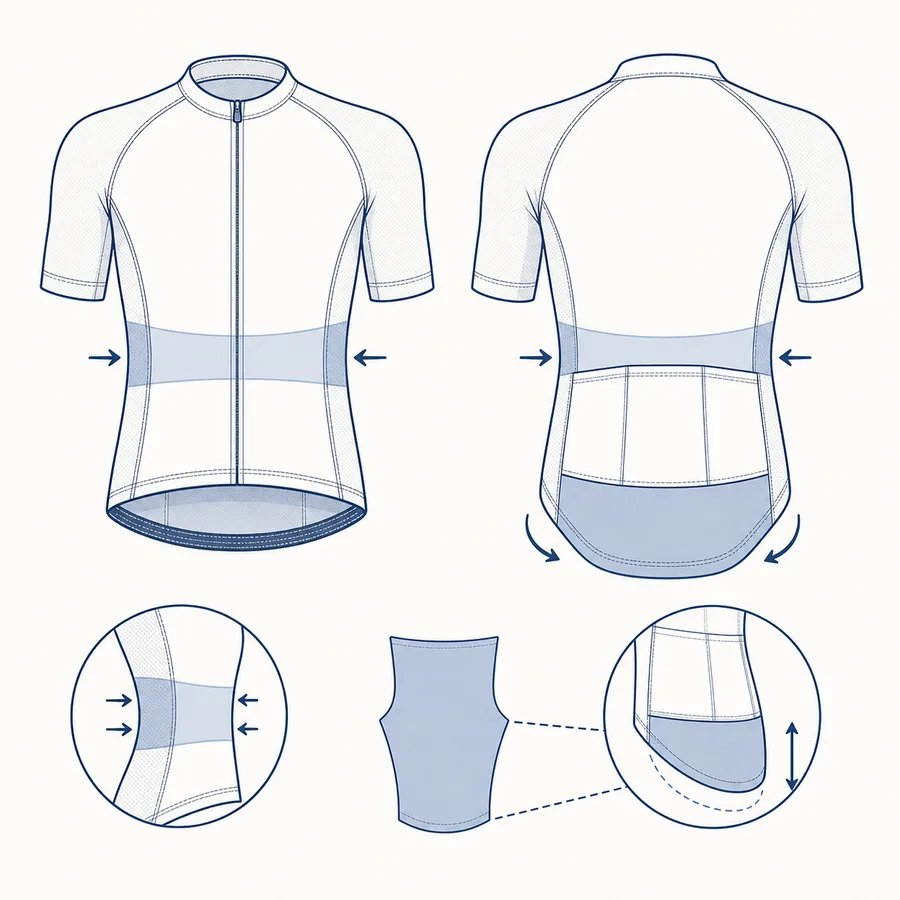
Built around the forward-lean posture road riding holds for hours, the rear panel is cut longer than a standard jersey pattern so it doesn't ride up mid-race, with seams routed around high-tension lean zones instead of cutting straight across them. Chest and back panels switch between compression and open-mesh fabric zones to balance breathability against the aerodynamic pull of a tucked position.
02
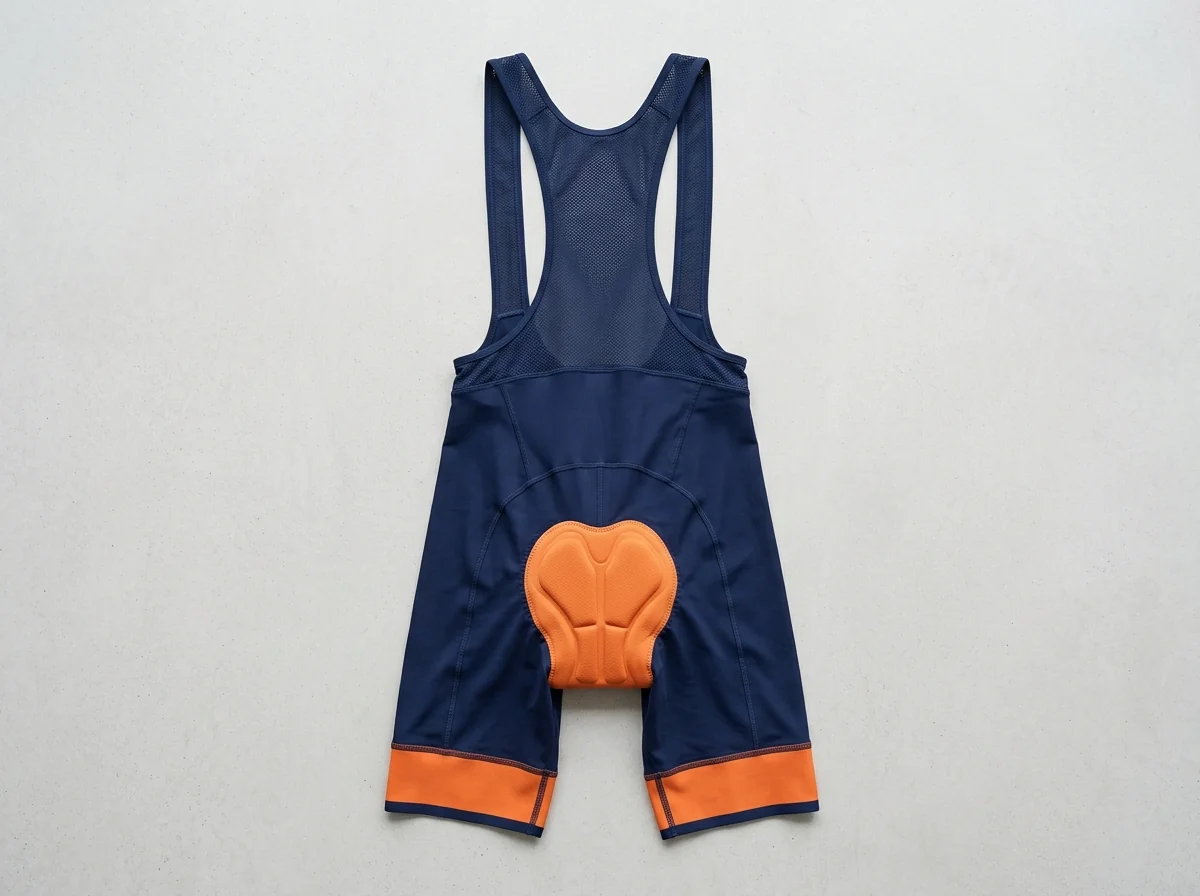
Custom Road Cycling Bib Shorts
Bib straps sit flat under a jersey without pressure points, and chamois density is set for a steady, hours-long session rather than a stop-start ride — built for endurance road mileage, not a quick spin around the block.
03
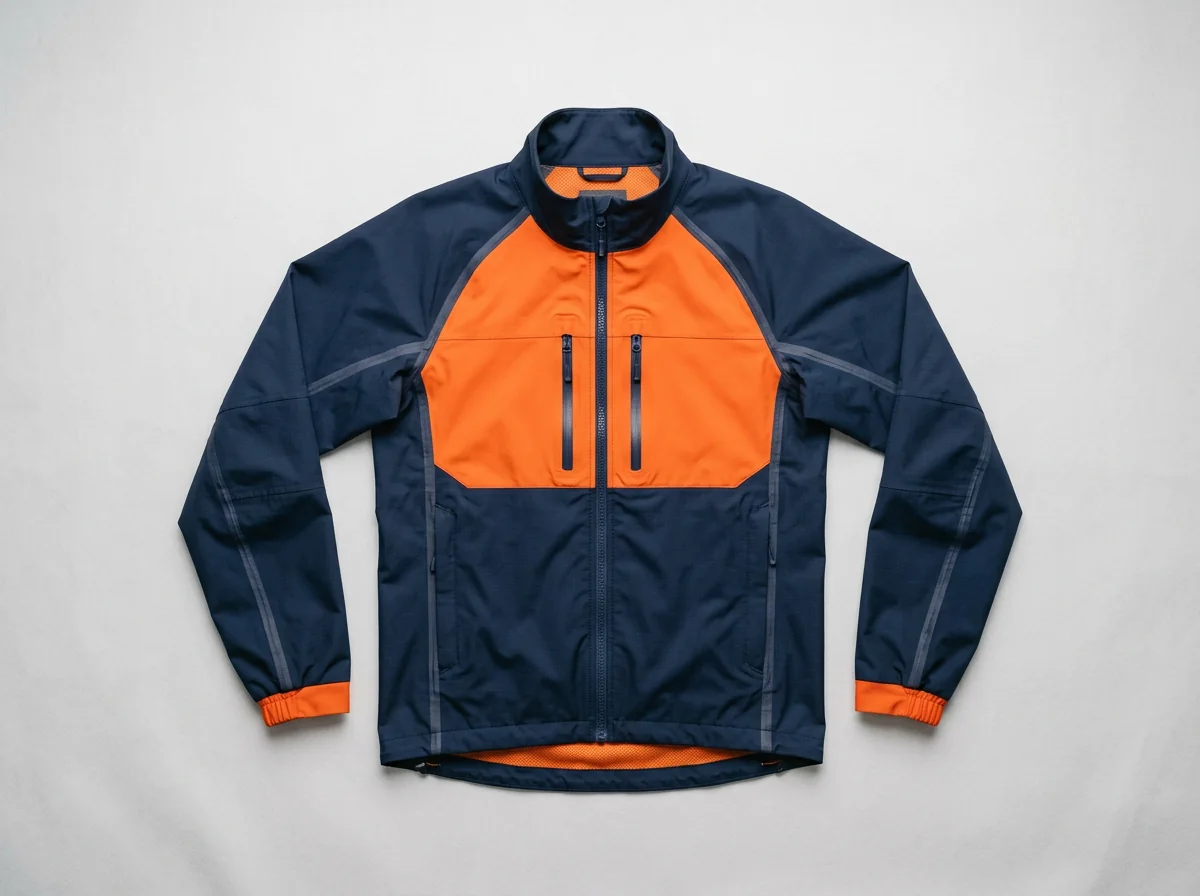
Custom Road Cycling Jackets
A windproof, packable shell that folds into a jersey pocket for changeable race-day weather, with venting placed to shed heat once a climb turns into a headwind sprint.
04
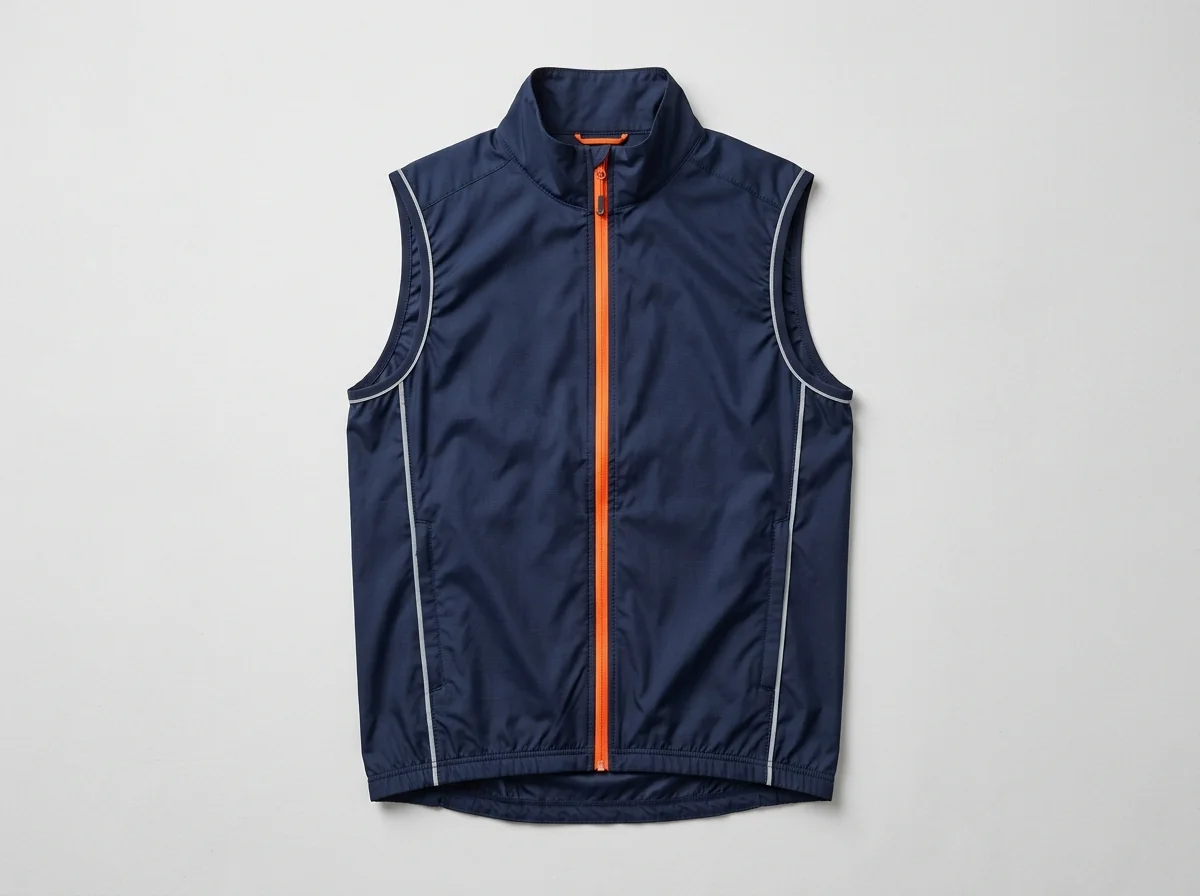
Custom Road Cycling Vests
Core-only wind and chill protection that leaves the arms free for a full range of motion, easy to fold into a pocket once the morning chill burns off.
05
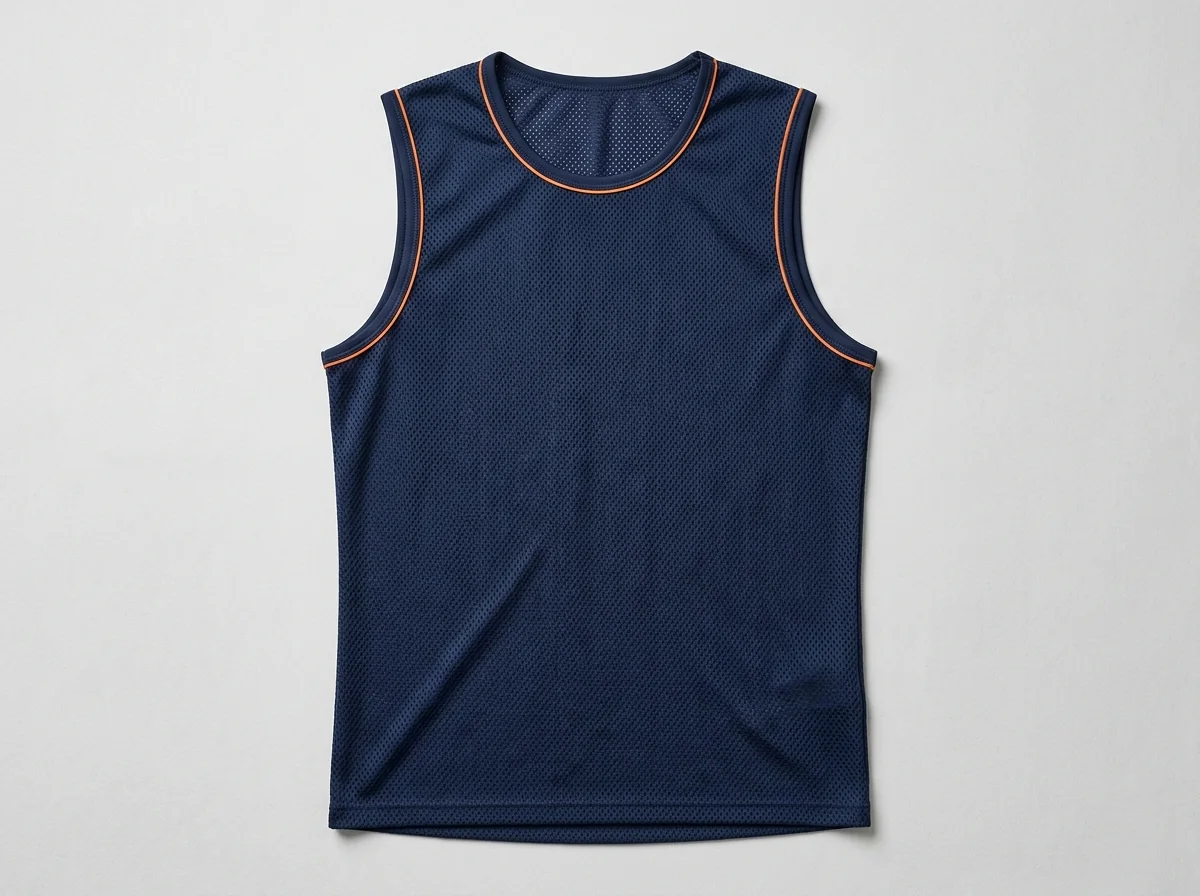
Custom Cycling Base Layers
Moisture is pulled off the skin and pushed out through the jersey mesh rather than trapped against it, with lightweight and midweight options graded to different temperature ranges across a season.
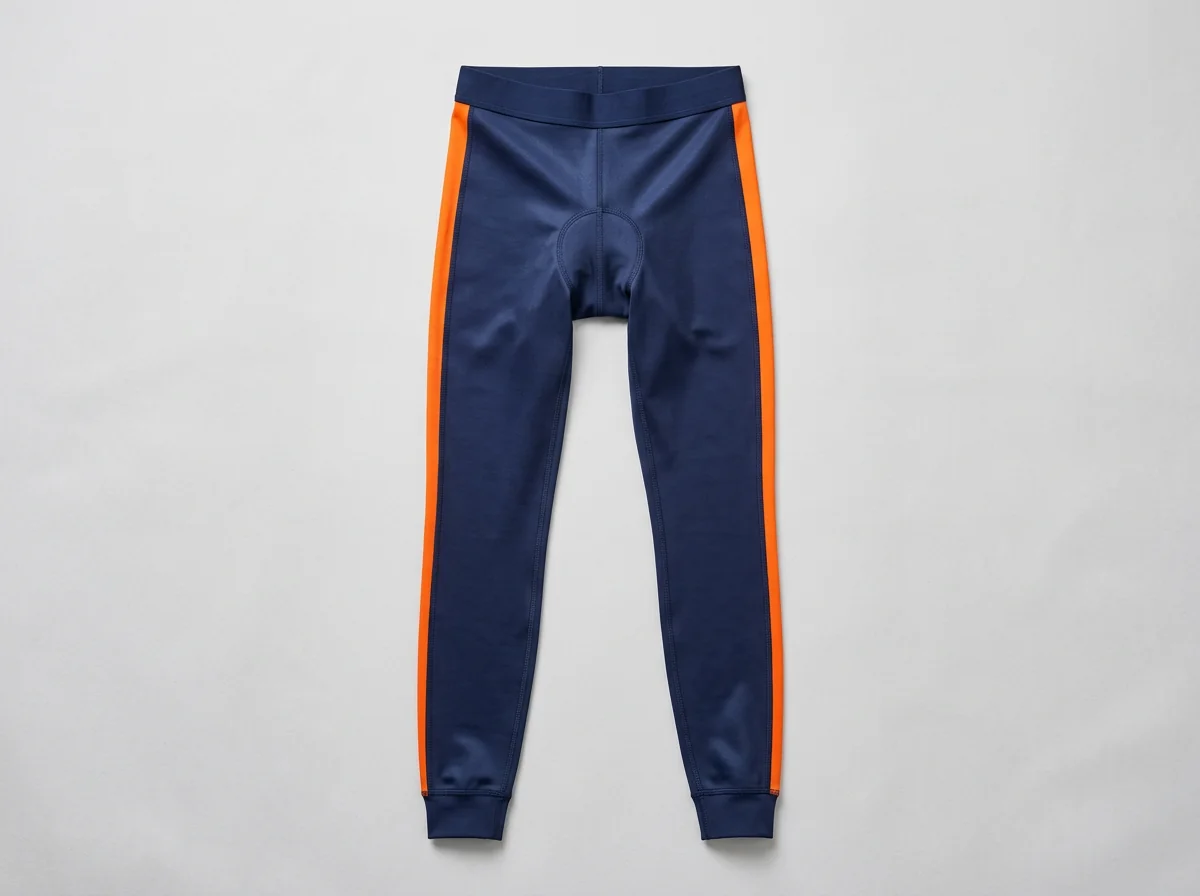
Cycling Tights & Bib Tights
Full-length coverage that carries the same forward-lean panel logic as the bib shorts, built for cold-weather training miles rather than race-day heat.
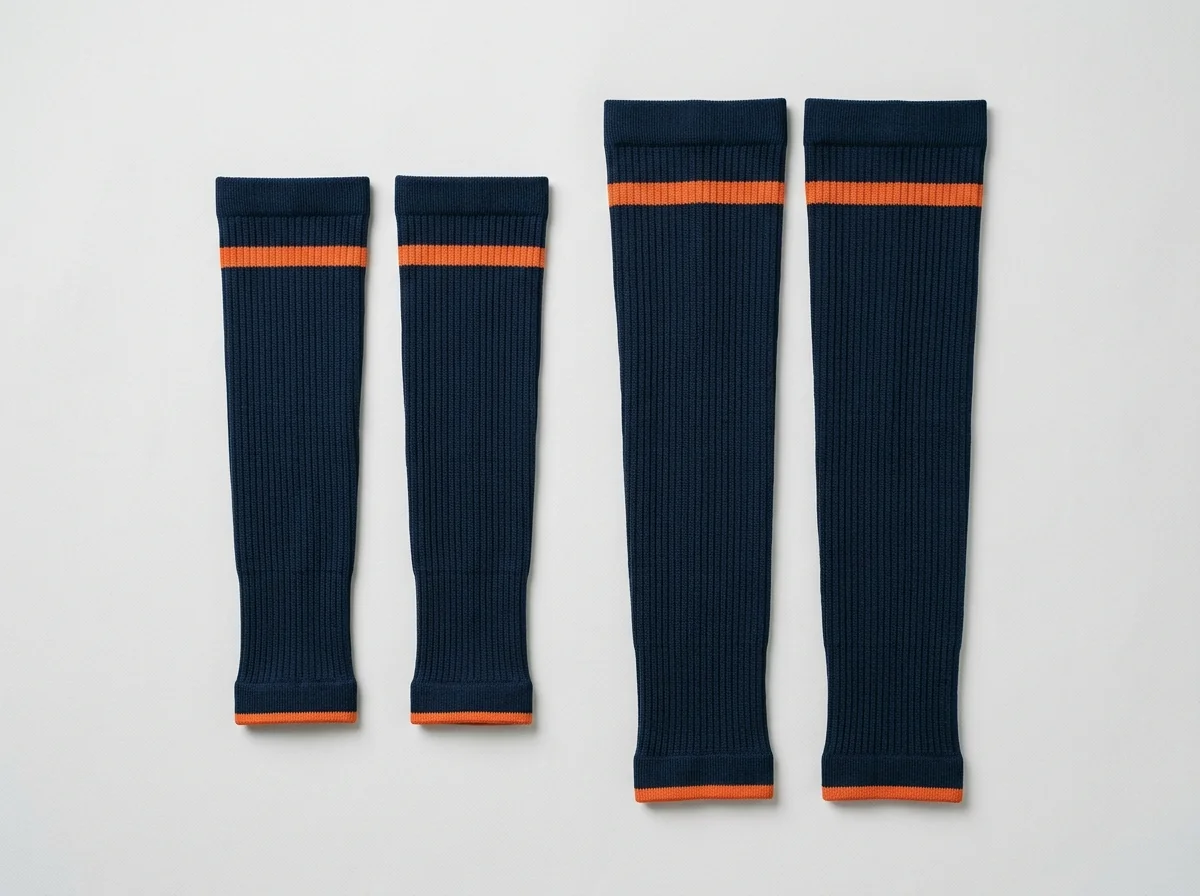
Arm & Leg Warmers
Detachable arm and leg pieces that layer under a jersey or bib shorts for a cold start and come off mid-ride once temperatures climb, without swapping the whole kit.
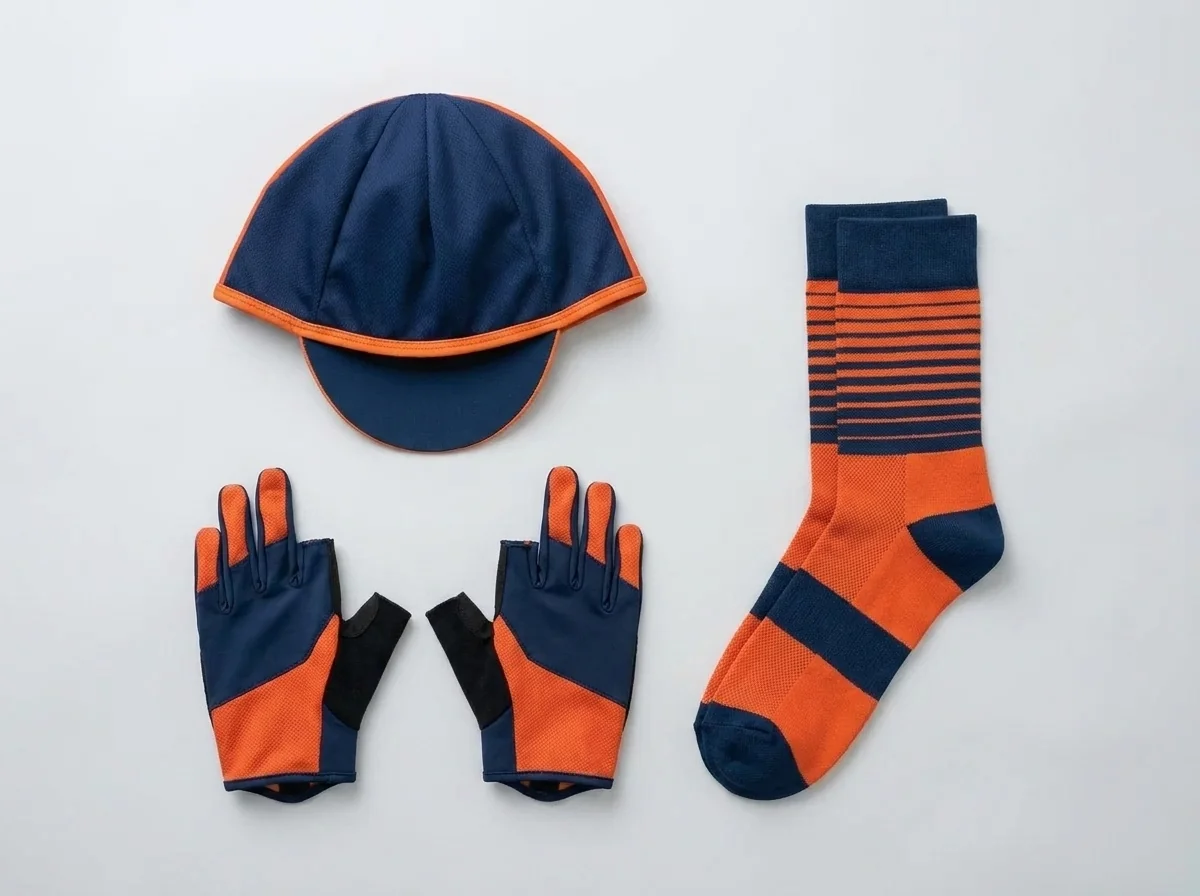
Cycling Accessories
A cycling cap, fingerless gloves and performance socks — the smaller pieces that round out a team kit order alongside the jersey and bib short program.
Developing Road Cycling Apparel for Different Rider Needs
We develop custom road cycling apparel solutions for racing teams, endurance riders, cycling clubs and performance-focused brands.
01
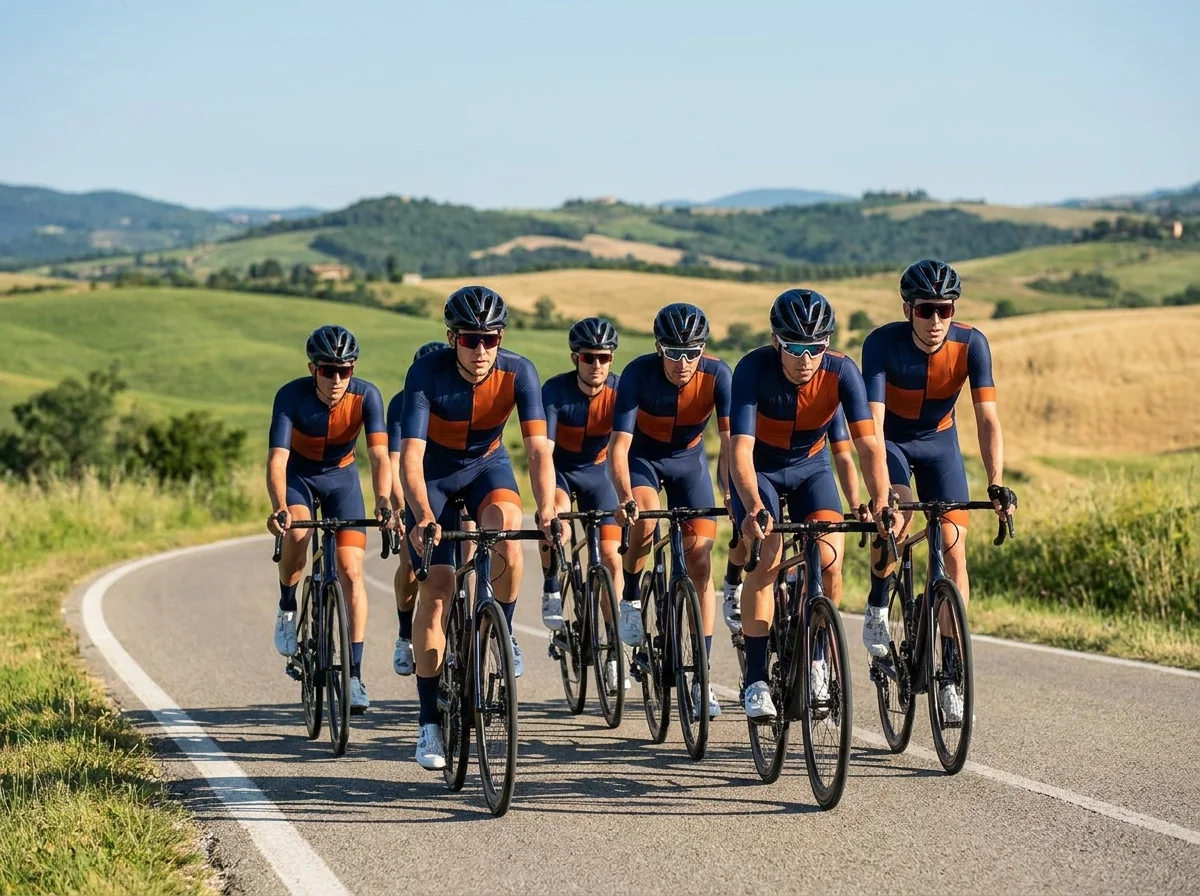
Race Cycling
Built around race-day needs — a cut that follows the forward-lean racing position, aero-focused seam routing, and a delivery cadence that lines up with your season's race calendar.
02
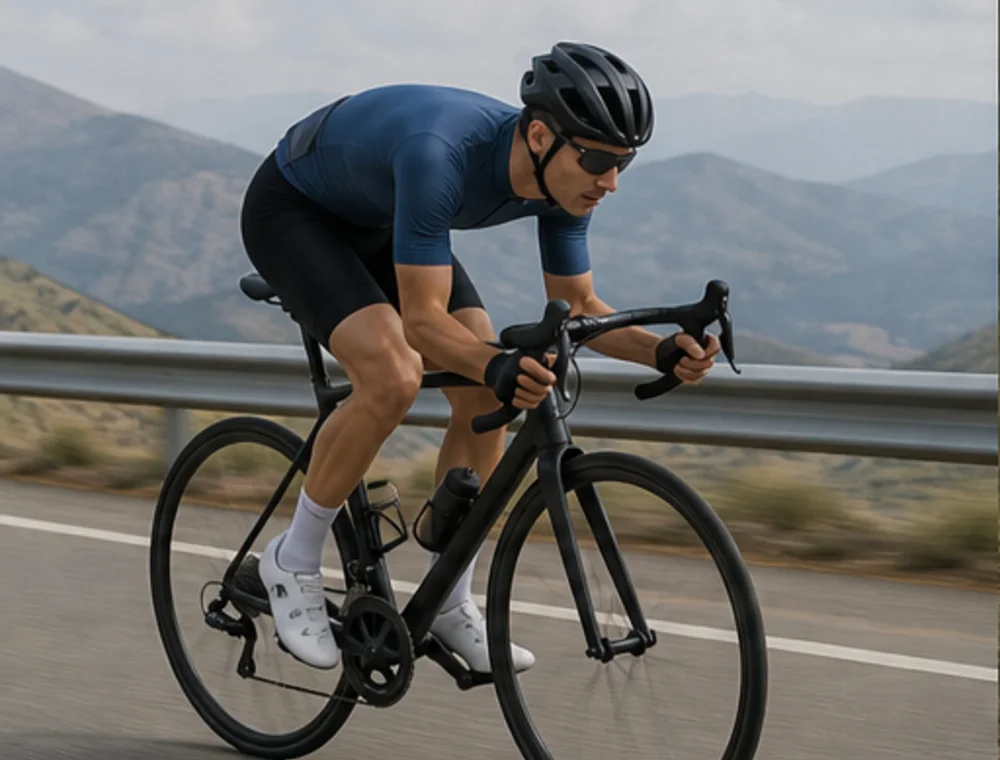
Endurance Cycling
Developed for multi-hour mileage — saddle-pressure distribution tuned for a steady position, and a layering logic that carries a rider through a temperature swing across a single ride.
03
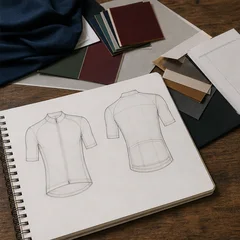
Club Cycling Collections
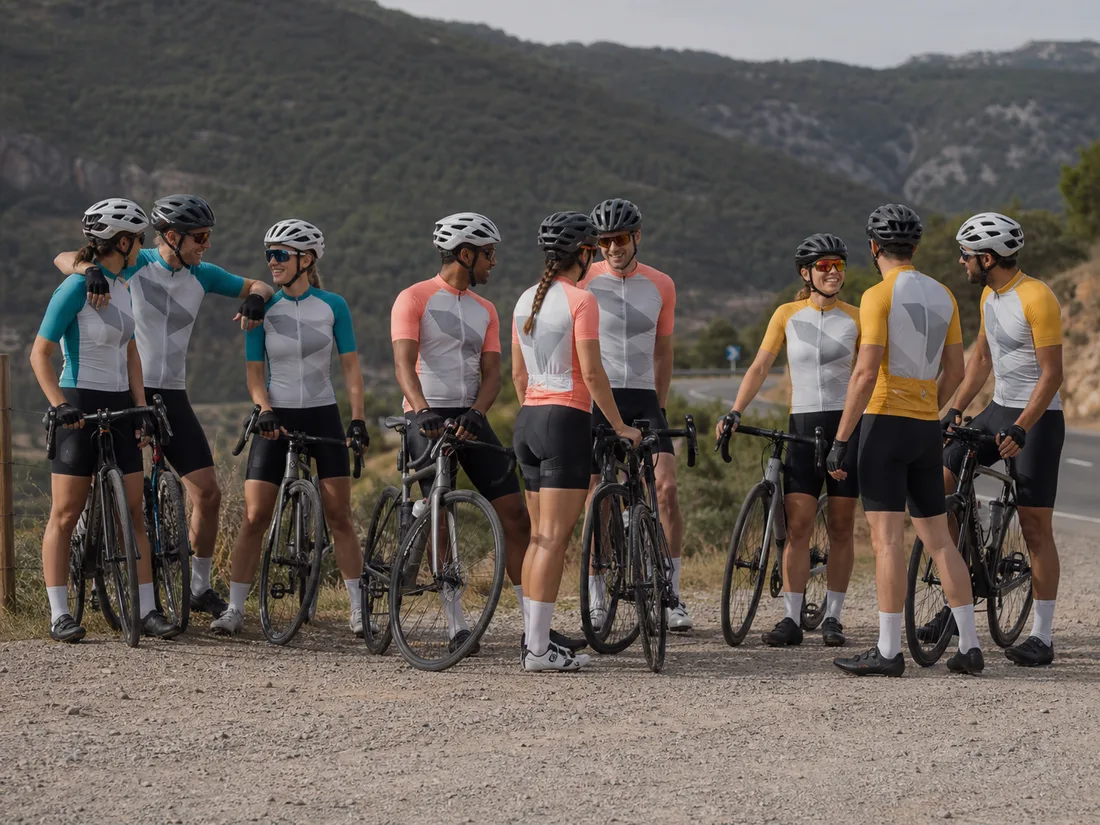
Built for club and team purchasing — rosters typically run 20-200 riders and shift by season, so we keep pattern and spec on file, and around 55% of orders come from repeat clubs reordering straight into production rather than starting a new development cycle.
04
Cycling Brands & Private Labels
Built for brands starting from a blank collection — a 30-piece minimum per style and colorway, private main and neck labels, freely mixed size runs, and a full tech-pack-to-production development path.
Road Cycling Apparel Performance Considerations
Road cycling apparel requires a balance of speed, comfort and functionality. We consider different performance requirements when developing each product collection.
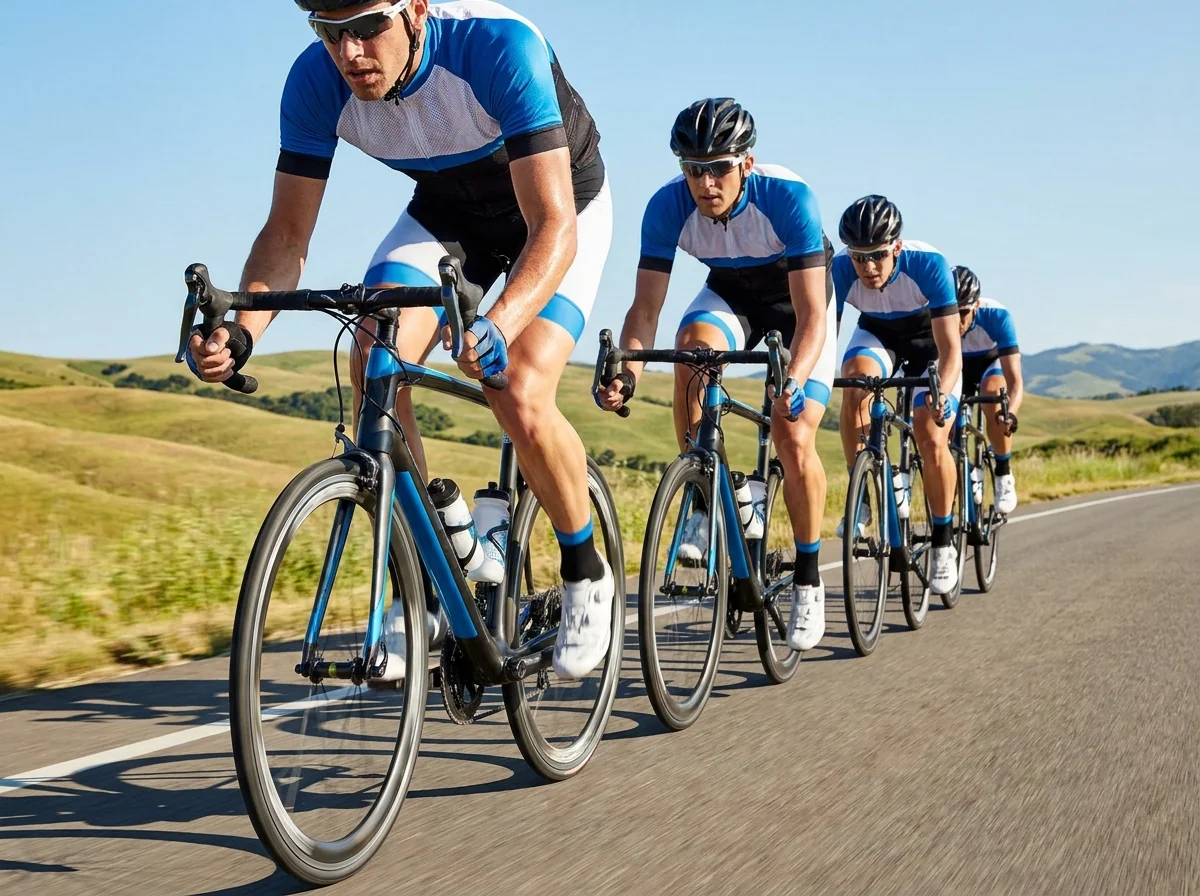
Aerodynamic Performance
Rider Requirement
- Race riding
Performance Priority
- Speed efficiency
Apparel Consideration
- Performance positioning
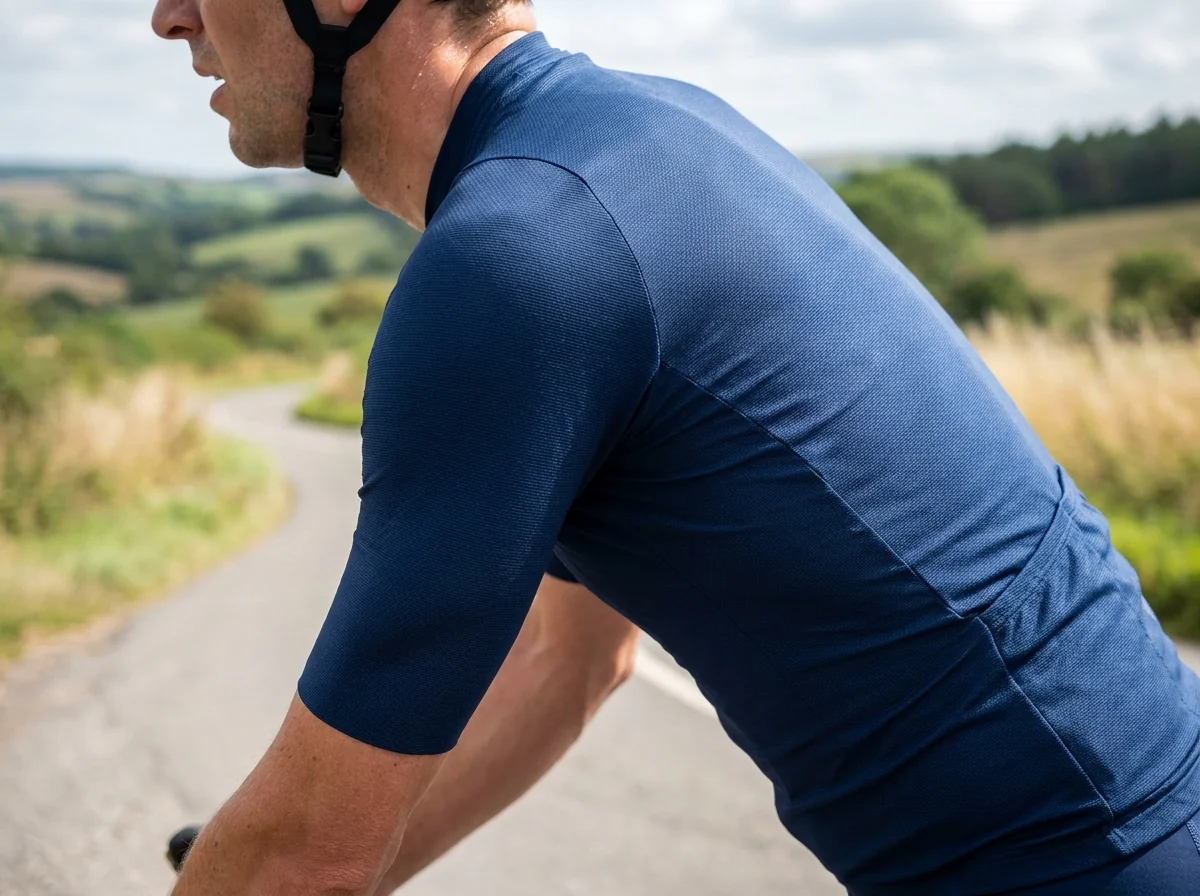
Lightweight Efficiency
Rider Requirement
- Weight balance
Performance Priority
- Performance-focused construction
Apparel Consideration
- Reduced unnecessary elements
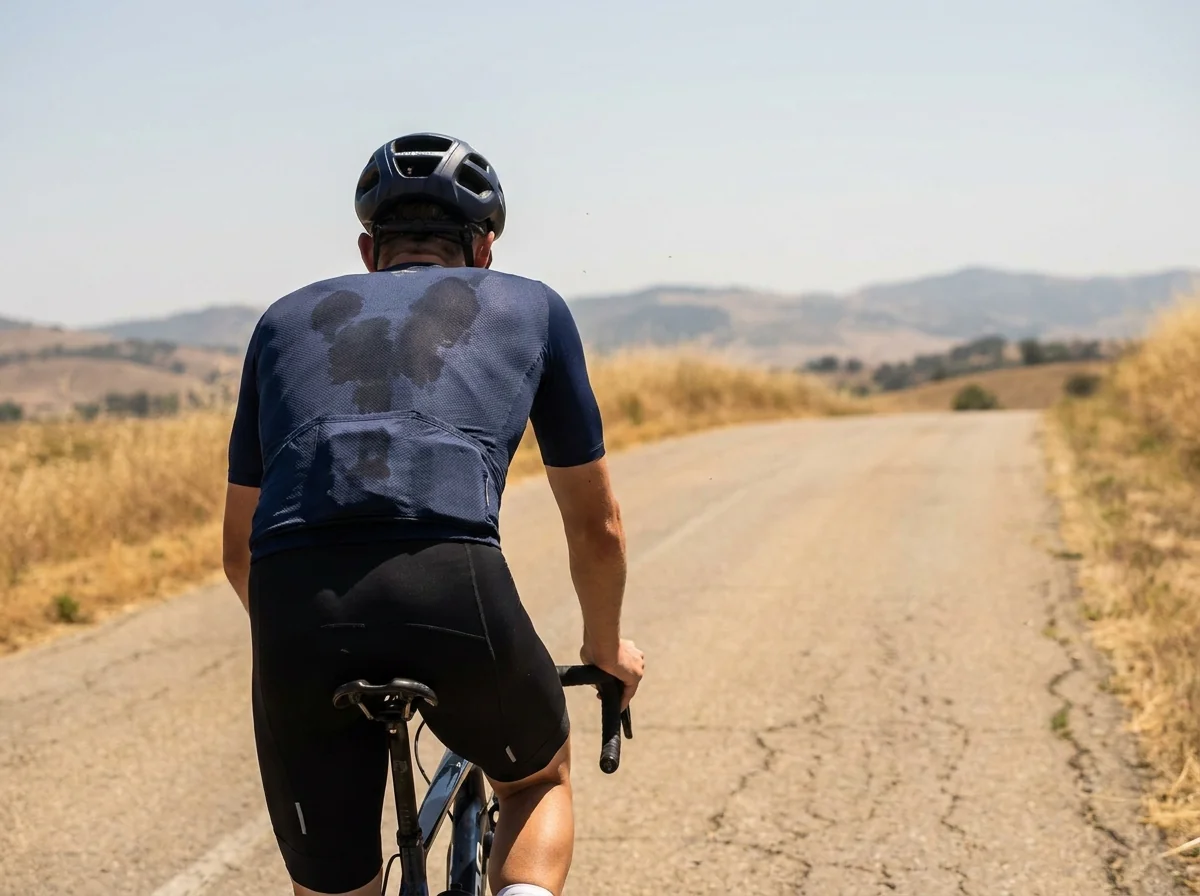
Moisture Management
Rider Requirement
- Sweat control
Performance Priority
- Breathability
Apparel Consideration
- Riding comfort
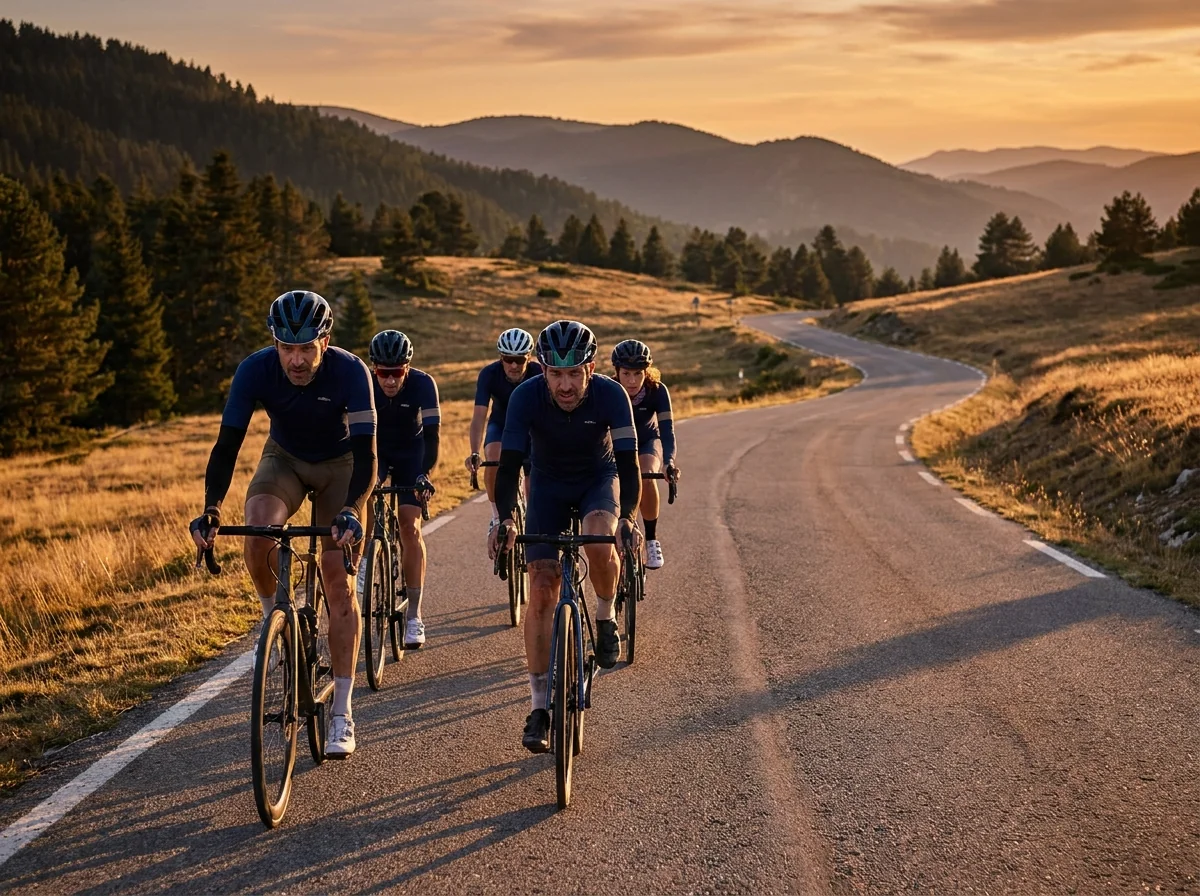
Long-Ride Comfort
Rider Requirement
- Endurance riding
Performance Priority
- Extended riding time
Apparel Consideration
- Consistent comfort
Different Riding Goals Require Different Performance Priorities
- Race Cycling: Aerodynamics + Lightweight
- Endurance Cycling: Comfort + Moisture Management
- Club Cycling: Balance + Versatility
Road Cycling Apparel Development Showcase: From Rider Requirements to Product Solutions
Three development cases showing how road cycling apparel requirements move through a development decision to a finished product outcome.
01
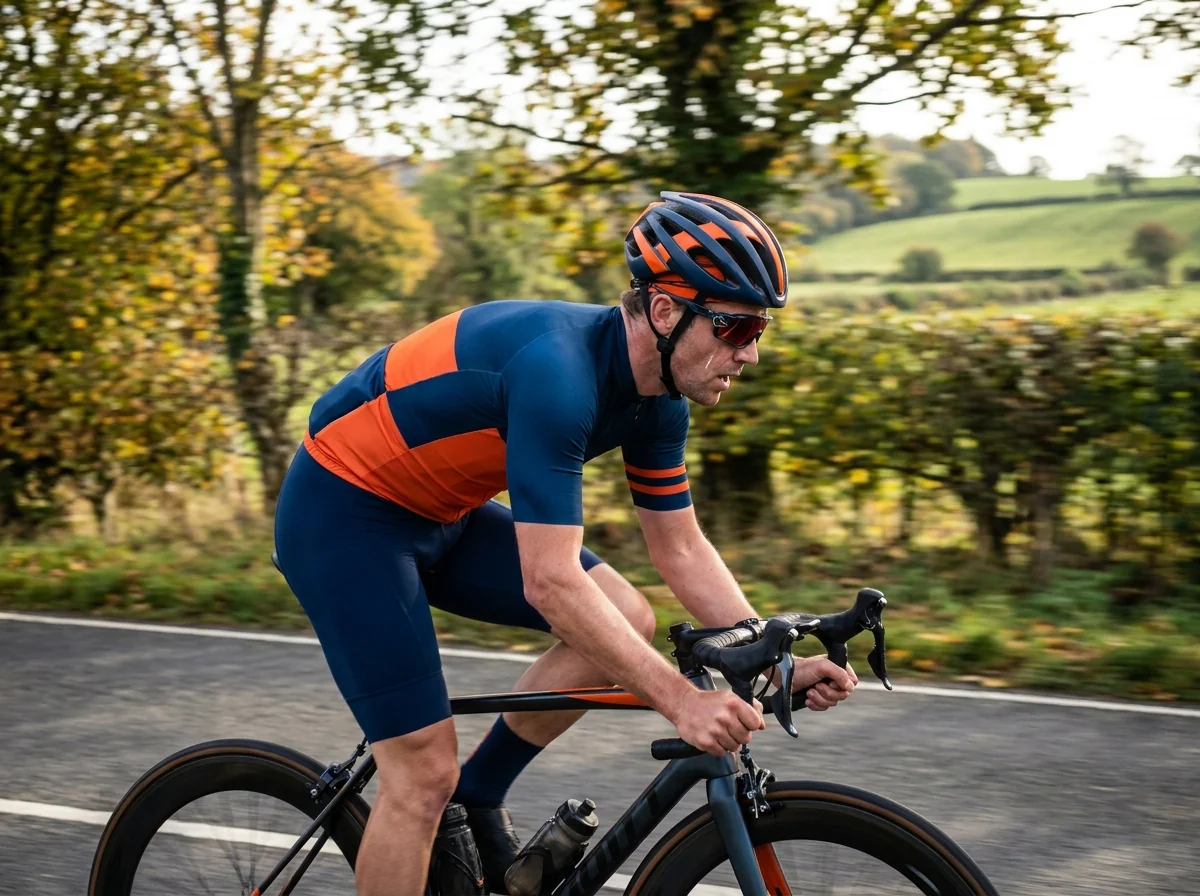
Race Cycling Jersey Development
Riding Requirement
- Race performance
- Aerodynamic positioning
- Lightweight focus
Development Decision
- Performance fit
- Race-oriented construction
- Competition-focused design
Product Outcome
Race-ready cycling jersey collection
02
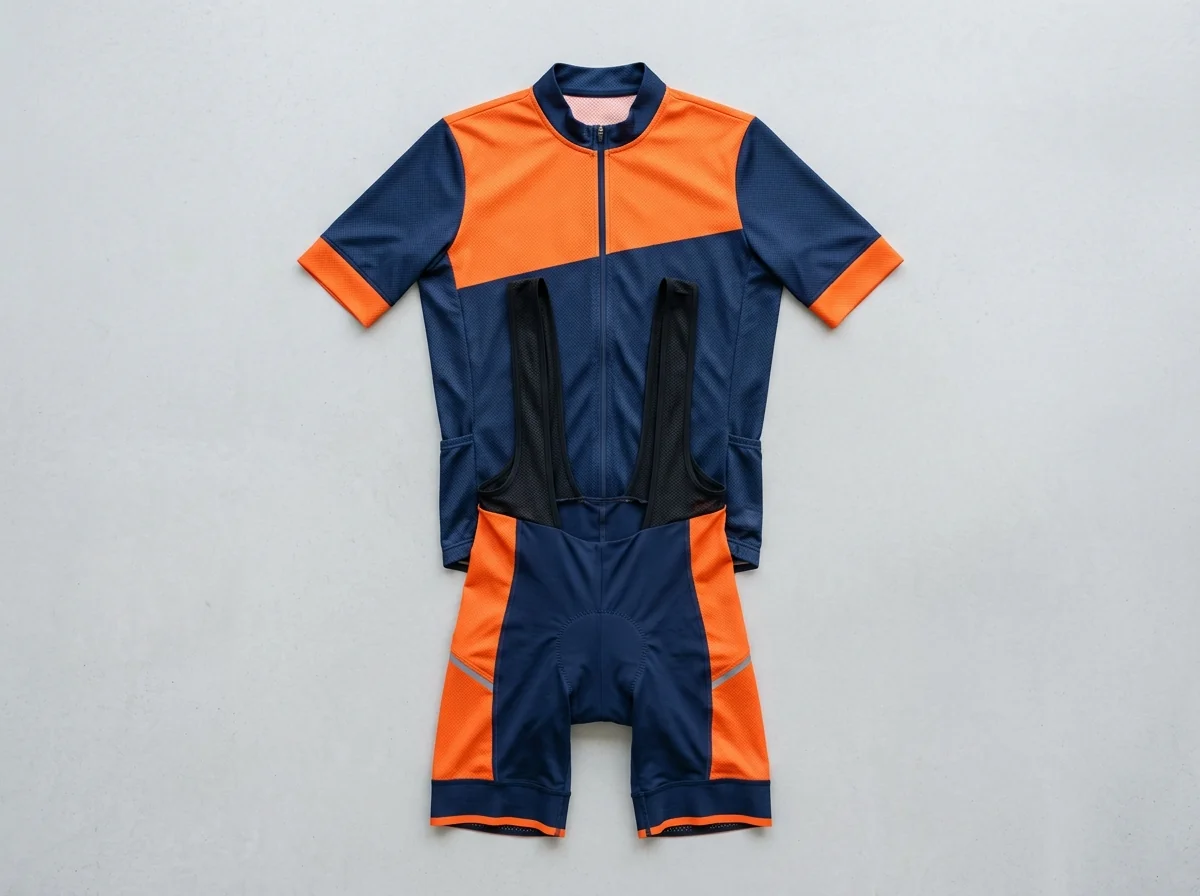
Endurance Cycling Kit Development
Riding Requirement
- Long-distance comfort
- Breathability
- Functional riding experience
Development Decision
- Comfort-focused construction
- Versatile product design
Product Outcome
Endurance cycling apparel collection
03
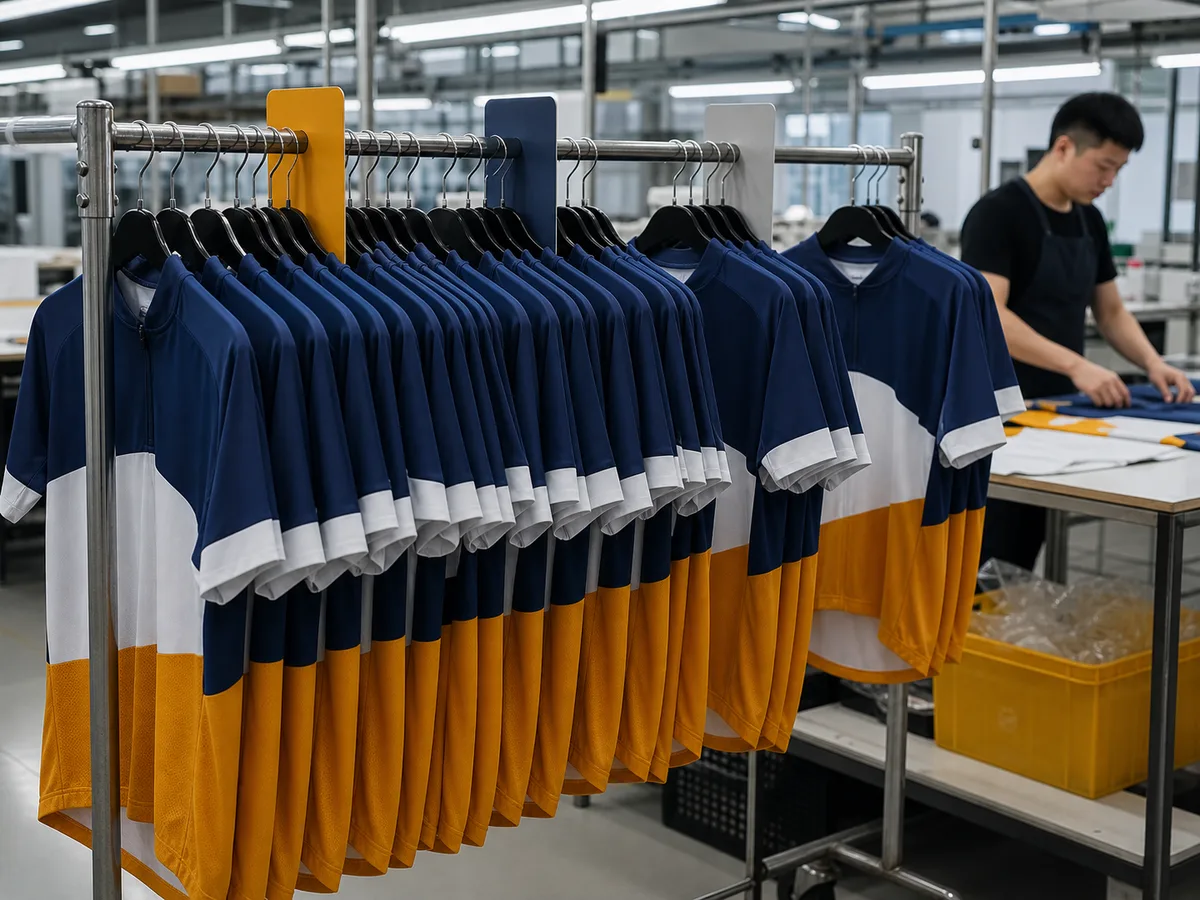
Club Cycling Apparel Development
Riding Requirement
- Team identity
- Consistent sizing
- Group collection
Development Decision
- Unified product appearance
- Multiple size solutions
Product Outcome
Custom club cycling collections
Road Cycling Fit Options for Different Rider Needs
Three fit directions map to different road cycling product positions, helping you choose the right starting point for a collection.
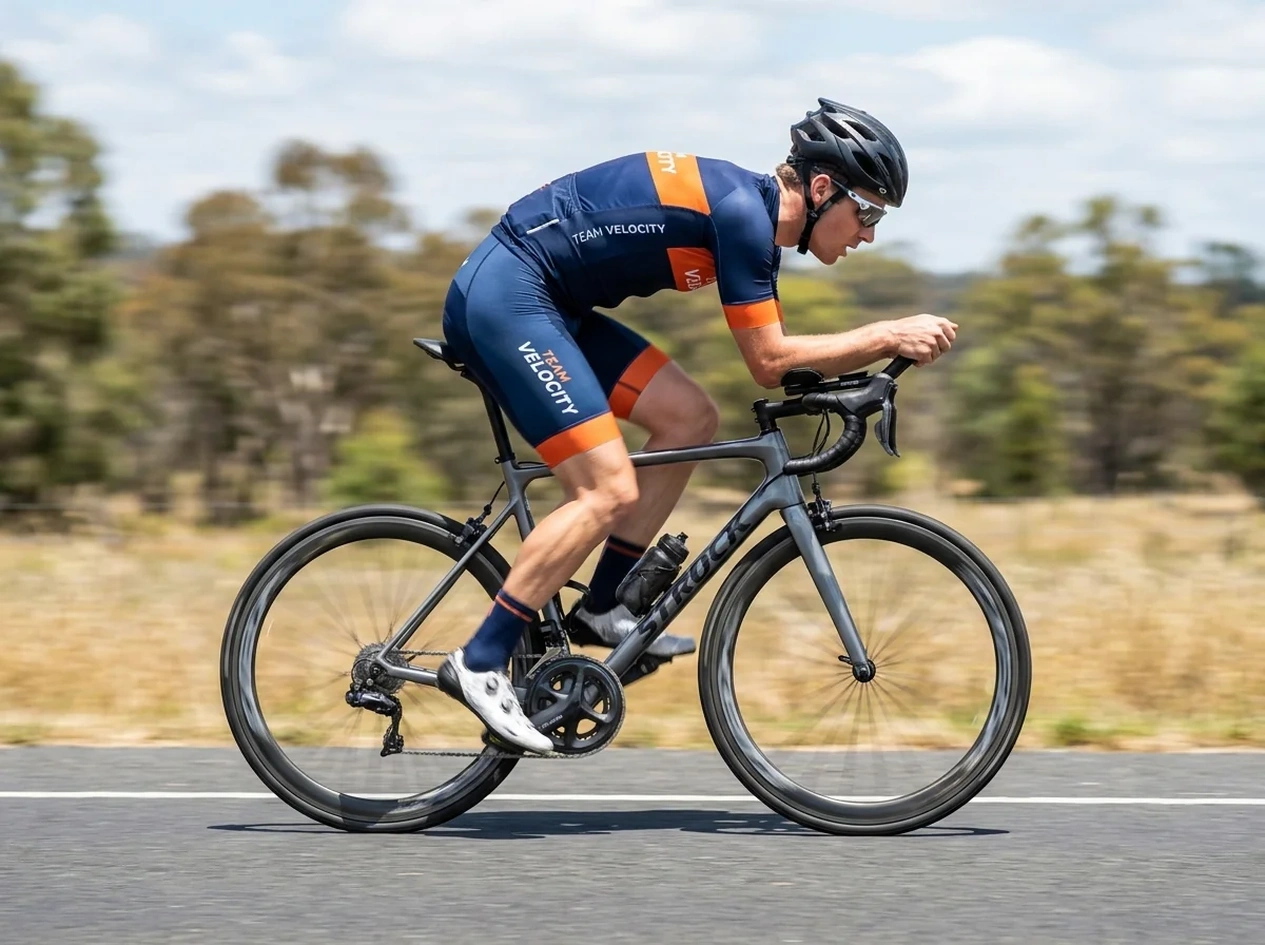
01
Race Fit
Best for
- Competitive riders
- Racing collections
Defined by
- Close-to-body fit
- Performance positioning
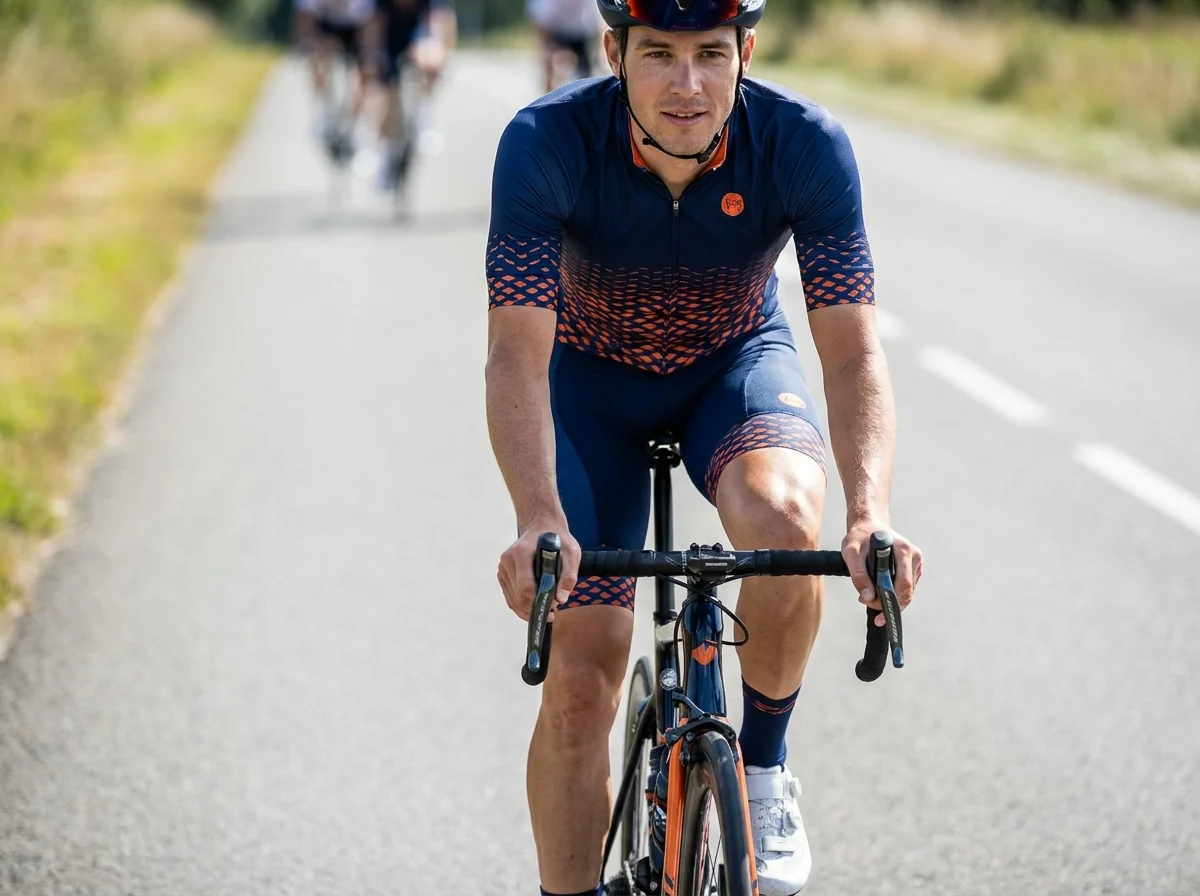
02
Performance Fit
Best for
- Advanced cyclists
- Endurance riders
Defined by
- Balance between comfort and performance
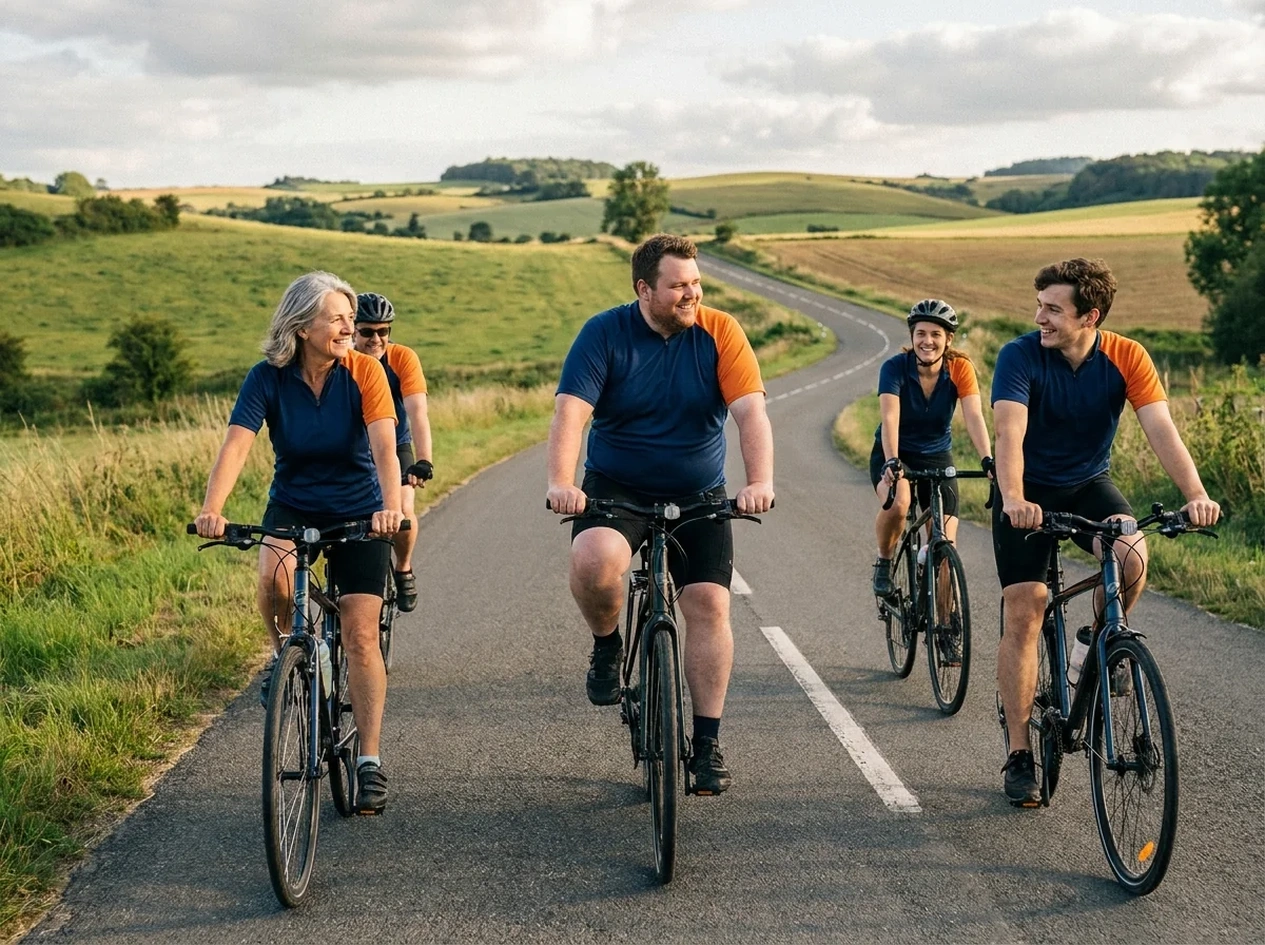
03
Club Fit
Best for
- Cycling clubs
- Recreational riders
Defined by
- More relaxed comfort
- Wider rider suitability
Choosing the Right Fit Direction for Your Collection
Choose your fit direction based on three factors:
- Rider type
- Product positioning
- Market demand
Customize Your Road Cycling Apparel Collection
Four directions define how much of your road cycling collection you can customize.
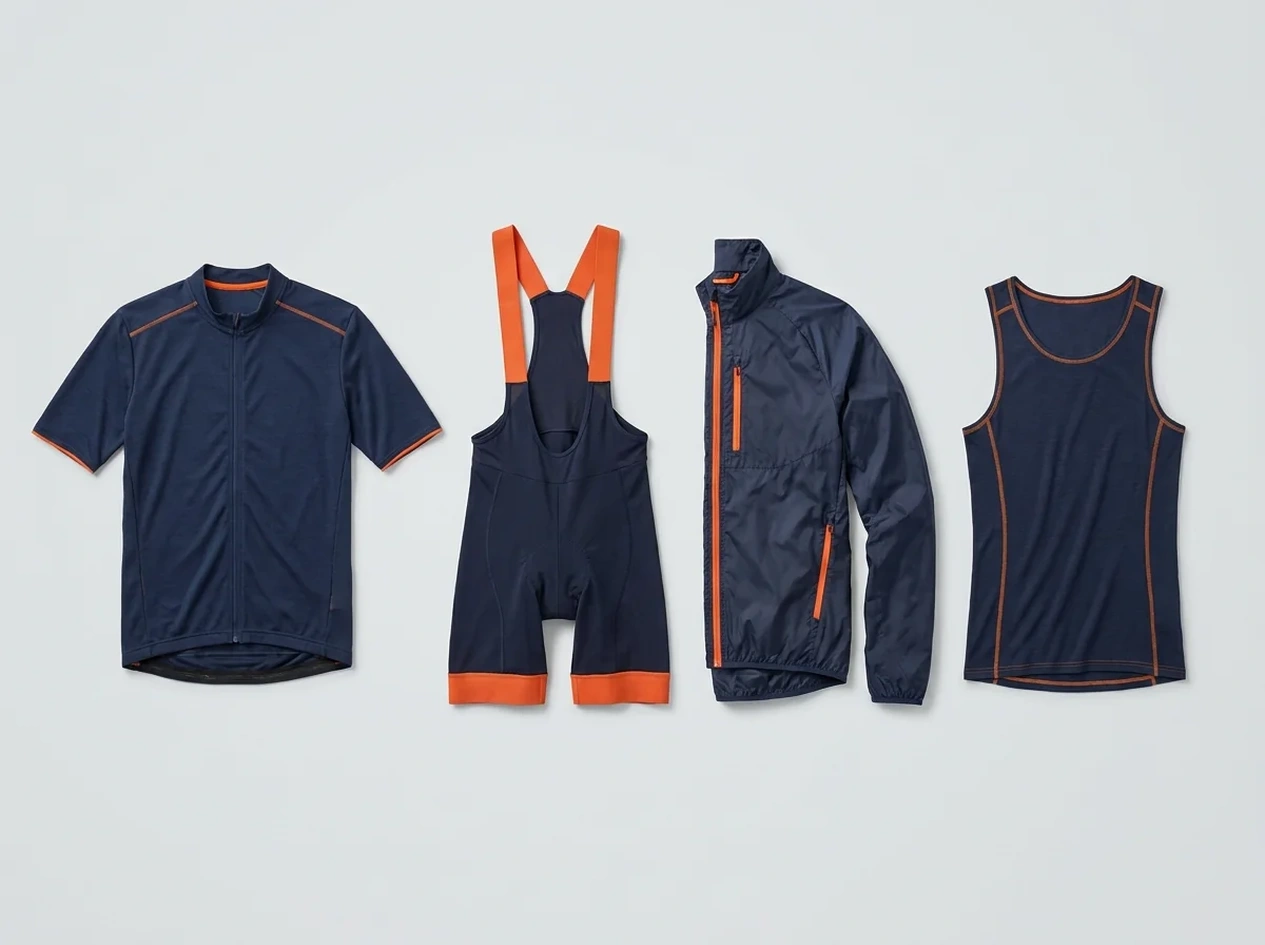
Product Selection
Choose the garments in your collection.
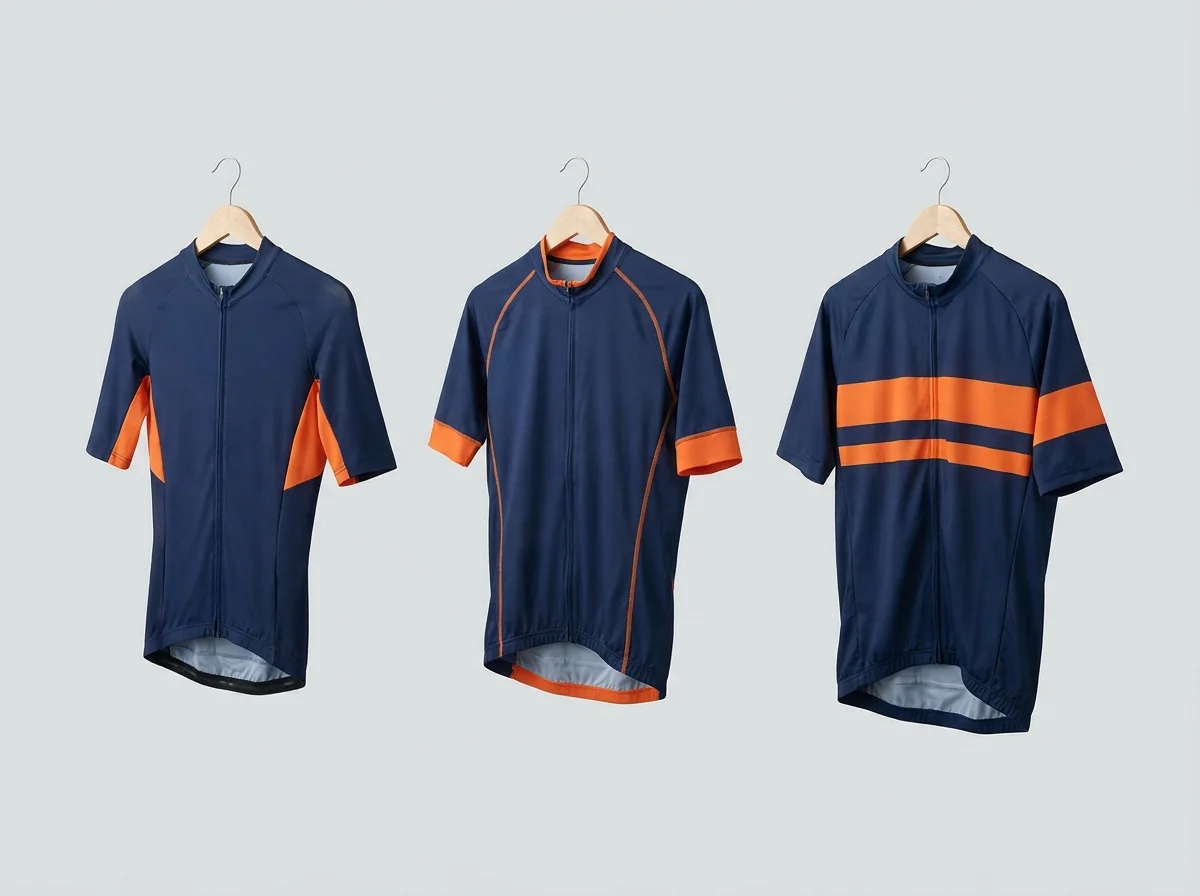
- Cycling Jerseys
- Bib Shorts
- Jackets
- Base Layers
Fit Selection
Choose the fit direction for your collection.
- Race Fit
- Performance Fit
- Club Fit
Collection Development
Choose the collection scope.
- Seasonal collections
- Team collections
- Brand collections
Branding Elements
Choose how your brand appears on the kit.
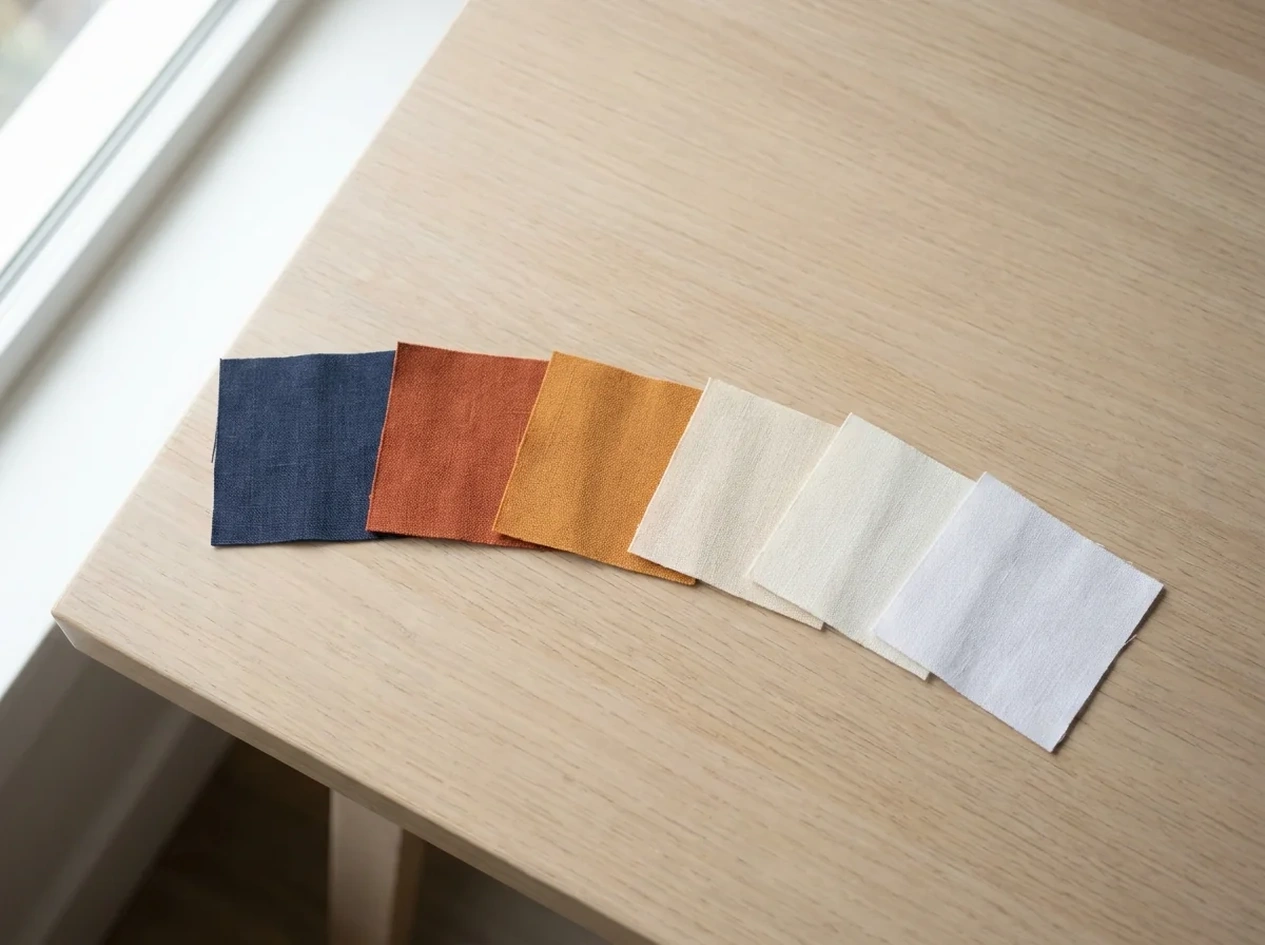
- Custom colors
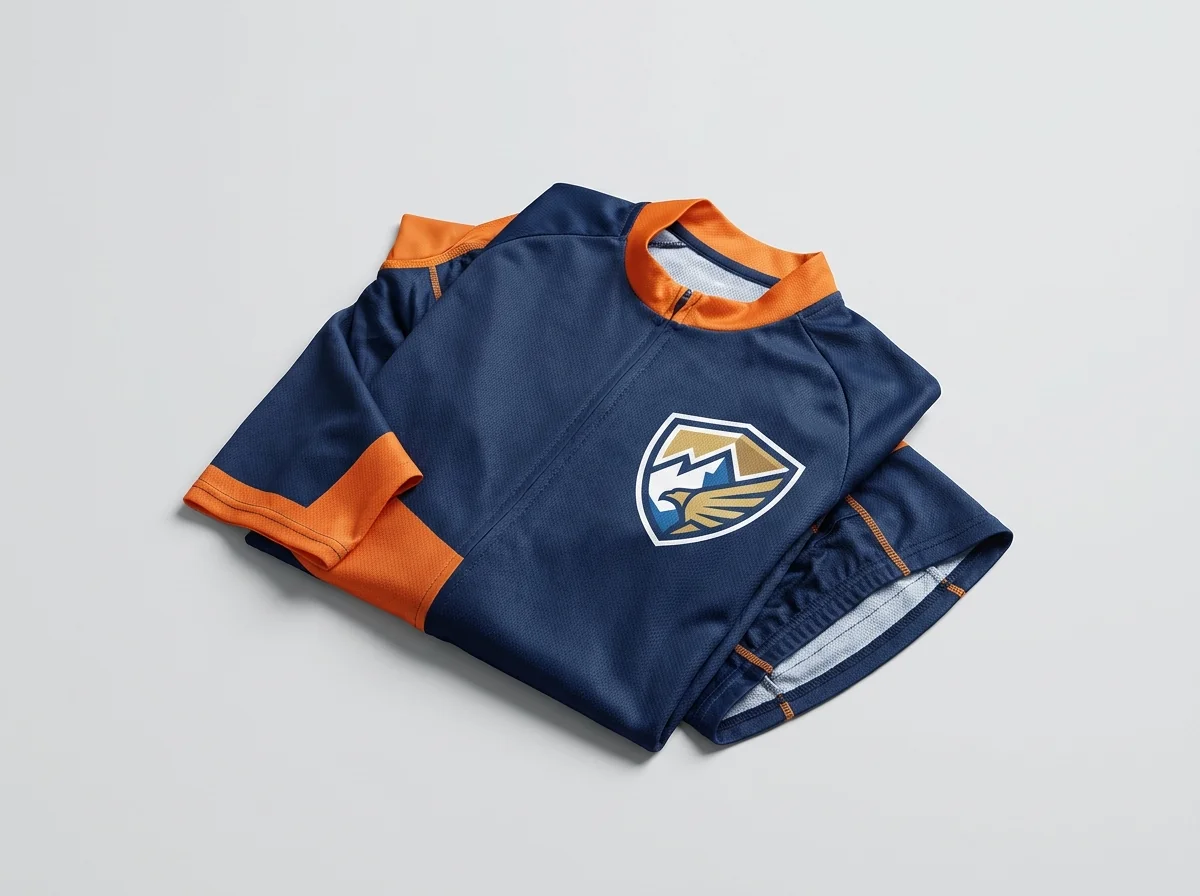
- Logos
- Sponsor elements
Road Cycling Apparel Solutions for Different Customers
We develop road cycling apparel for four types of customers, each with its own product and branding focus.
Cycling Brands
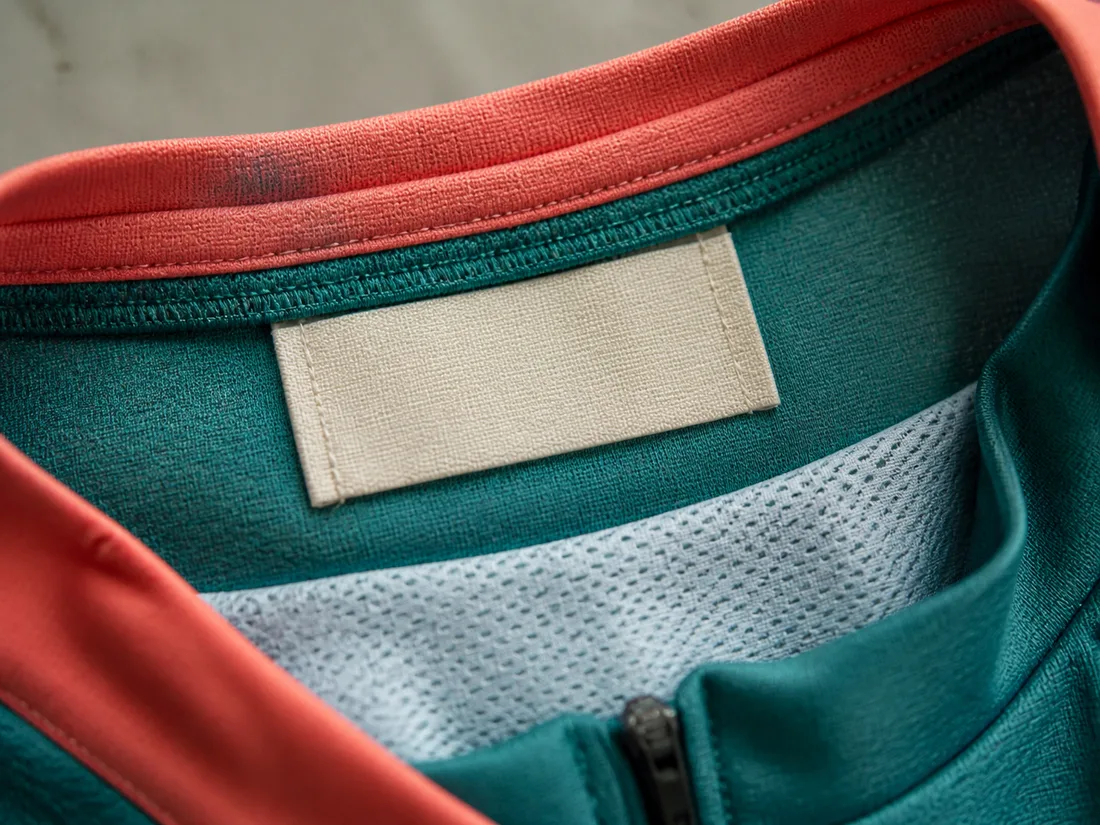
- Private label collections
- New product lines
Racing Teams
- Competition apparel
- Team collections
Cycling Clubs
- Custom club kits
- Group identity
Bike Shops & Retailers
- Retail cycling collections
Road Cycling Apparel Development Philosophy
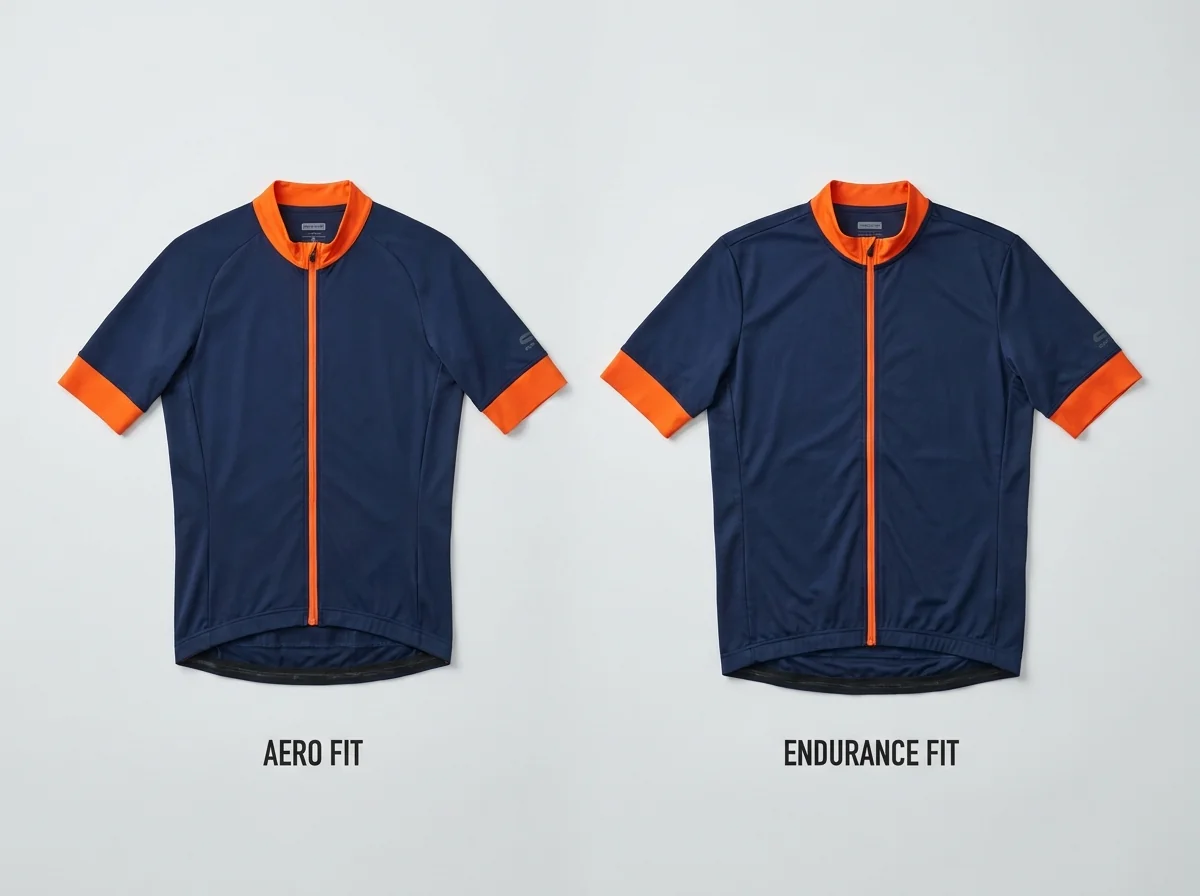
Professional road cycling apparel is developed around riding position, performance goals and collection requirements, not just appearance.
01
Rider-Centered Development
Focus
- Riding posture
- Rider movement
- Long-duration usage
Apparel developed around real cycling conditions.
02
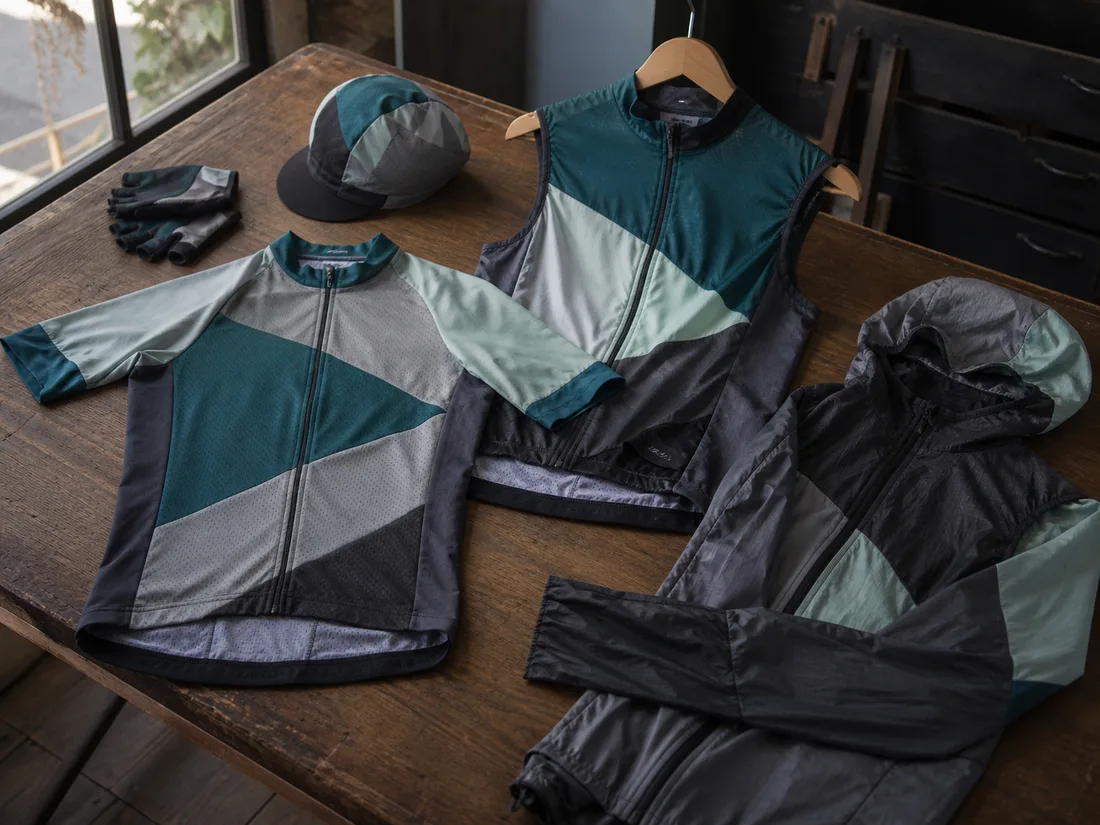
Performance-Driven Product Decisions
Focus
- Race performance
- Endurance comfort
- Product positioning
Different cycling goals require different product decisions.
03
Collection-Oriented Brand Development
Focus
- Product consistency
- Brand identity
- Collection planning
Building consistent cycling collections instead of isolated products.
Sponsor Panel Layout for Road Racing Kits
Sponsor placement follows a hierarchy — and it has to respect the seam routing underneath it, not fight it.
The seam map governs where a panel is allowed to land. A sponsor mark is planned against that map, and the hierarchy is fixed in the same pass, so legibility and the aero cut are never traded against each other. The result is a kit that reads as one mark on a clean surface, rather than a logo fighting a seam it was never drawn around.
A Hierarchy, Not a Free-for-All
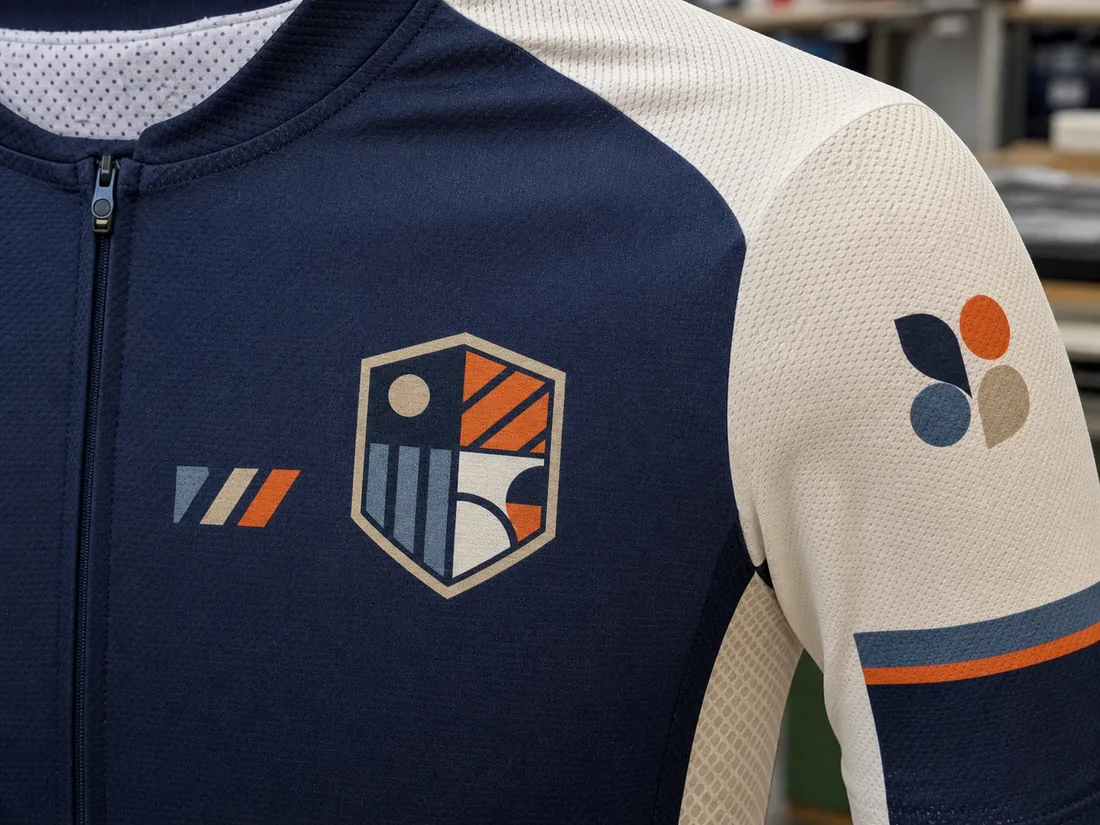
Road racing kits typically carry sponsor placement in a rough order of prominence: a primary mark sits on the chest, where it reads clearly at any speed; secondary marks sit on the shoulder or sleeve; smaller or lower-tier marks go on the lower back. That order exists because legibility drops fast the further a panel sits from the eye level of someone watching the kit pass.
The Panel Has to Respect the Seam Underneath It
A sponsor panel placed without regard for seam routing can end up straddling a routed seam line, which does two things at once: it breaks the aero surface the seam was routed to protect, and it distorts the panel itself, since a seam running through a logo warps how that logo actually reads. Panel layout is planned against the seam map, not laid on top of it afterward.
Getting the Order Wrong Costs Legibility Twice
When placement and hierarchy aren't planned together, the common failure is a secondary mark ending up more visible than the primary one simply because it landed on a flatter panel, while the primary mark gets pushed into a seam-crossing position to make room. Planning both decisions in the same pass avoids that trade entirely.
- Chest — the primary mark, where legibility stays high at race speed.
- Shoulder or sleeve — secondary marks, read as the kit passes.
- Lower back — smaller tier marks, kept clear of the aero checkpoints.
Primary
Chest
The highest-legibility panel on the jersey, where a primary mark stays readable at any speed a rider reaches in the group.
Secondary
Shoulder & Sleeve
Secondary marks sit here, dropping in prominence as the panel moves from the chest toward the lower back.
What We Build for Road Programs
The garments a road kit typically includes, and how they're decorated.
Road programs are typically built from short- and long-sleeve jerseys, vests, and windproof or waterproof outerwear layers, specified against the forward-lean fit described above so a jersey and a vest from the same order actually match in cut, not just in color. Sublimation, heat transfer, and computerized embroidery are all available, applied at the placements a road cut allows without disrupting the aerodynamic surface: chest, sleeve, and a narrow back band rather than a full-panel wrap that would add drag.
Team or club programs ordering road kits together follow the same garment logic per rider, with sizing handled at the order level rather than one-off; if that's your situation specifically — same roster, ordering again next season — Cycling Clubs & Teams covers how that process runs, separate from what's covered here.
- Sublimation — full-colour panel prints with no added seam drag.
- Heat transfer — precise placement on chest, sleeve and a narrow back band.
- Computerized embroidery — structured marks for a raised, durable finish.
Because the same forward-lean pattern drives every garment, a jersey, bib short and vest from one order line up over each other — the layering logic is built into the cut, not left to chance in the tech pack. Decoration lands on the same chest, sleeve and narrow back-band zones on each piece, so the identity reads consistently across the kit.
Road Fit vs. a Generic Athletic Cut, Side by Side
The same four attributes covered above, compared directly against an unmodified generic athletic cut.
The four attributes here are the ones a road cut actually changes. A generic athletic cut is a solid pattern for a body standing upright; it never accounts for one static lean held for hours.
| Attribute | Road-Specific Cut | Generic Athletic Cut |
|---|---|---|
| Rear-panel length | Extended for a held forward lean | Cut for an upright, standing torso |
| Cuff grip | Set against a bent, tucked elbow angle | Set against a relaxed, straight arm |
| Seam routing | Routed around high-tension lean zones | Follows a standard flat-pattern layout |
| Compression ceiling | Capped to leave breathing room in the lean | Not calibrated to a leaned torso |
01
Rear-panel length
Extended so the jersey stays down through a held forward lean, instead of riding up toward the waist.
02
Cuff grip
Set against a bent, tucked elbow angle so the sleeve holds position rather than slipping on an extended arm.
03
Seam routing
Routed around the high-tension lean zones a tuck creates, not cut straight across them like a flat pattern.
04
Compression ceiling
Capped to leave breathing room in the lean, rather than calibrated to an upright standing torso.
A generic athletic cut isn't wrong for what it's built for — it's built for a body that isn't holding one static lean for hours. Put next to a road-specific pattern, the difference isn't styling; it's four separate decisions, covered in detail above, that a generic cut never had to make.
This factory ships to more than 20 countries.
Road Cycling Kit Questions
What buyers ask before placing a first road kit order.
Start Your Road Kit
Tell us your riding posture, roster size, and timeline — we'll take it from there.