Private Label Cycling Apparel, OEM, and ODM — Routed to the Program That Fits
Three ways to work with us, separated by how much of the design is already yours. This page routes you to the one your buyer program actually runs on.
What OEM, ODM, and Private Label Actually Mean
Three labels get used loosely in this industry — here's what each one actually commits to.
OEM
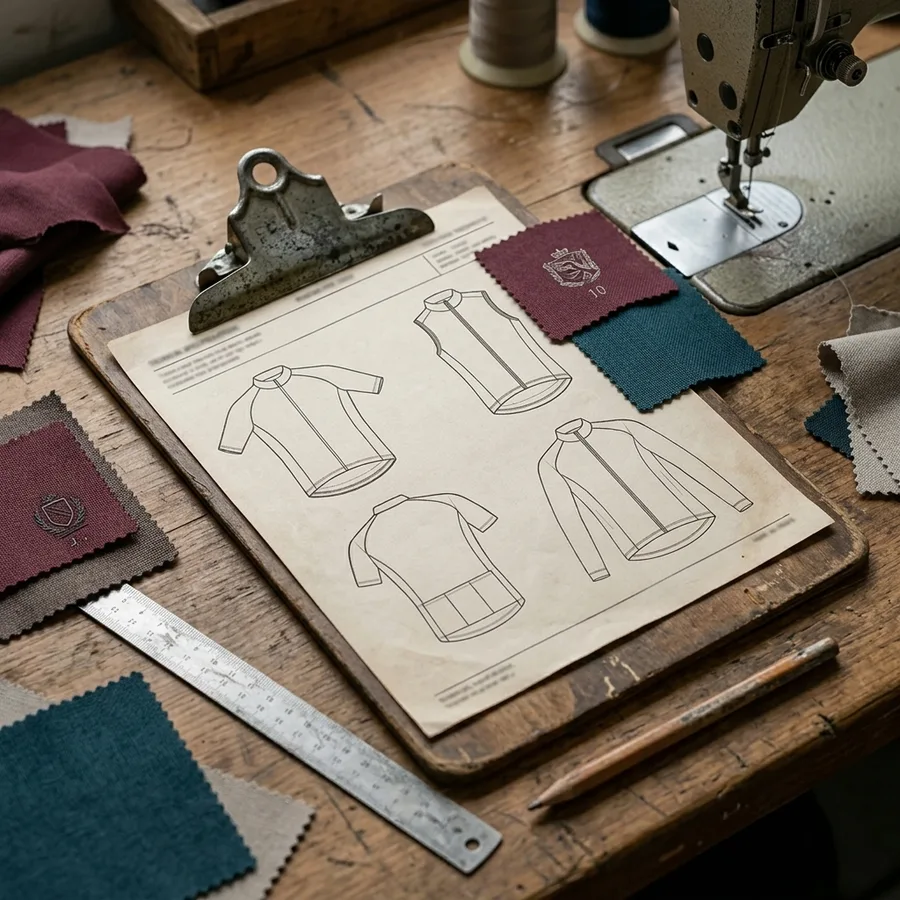
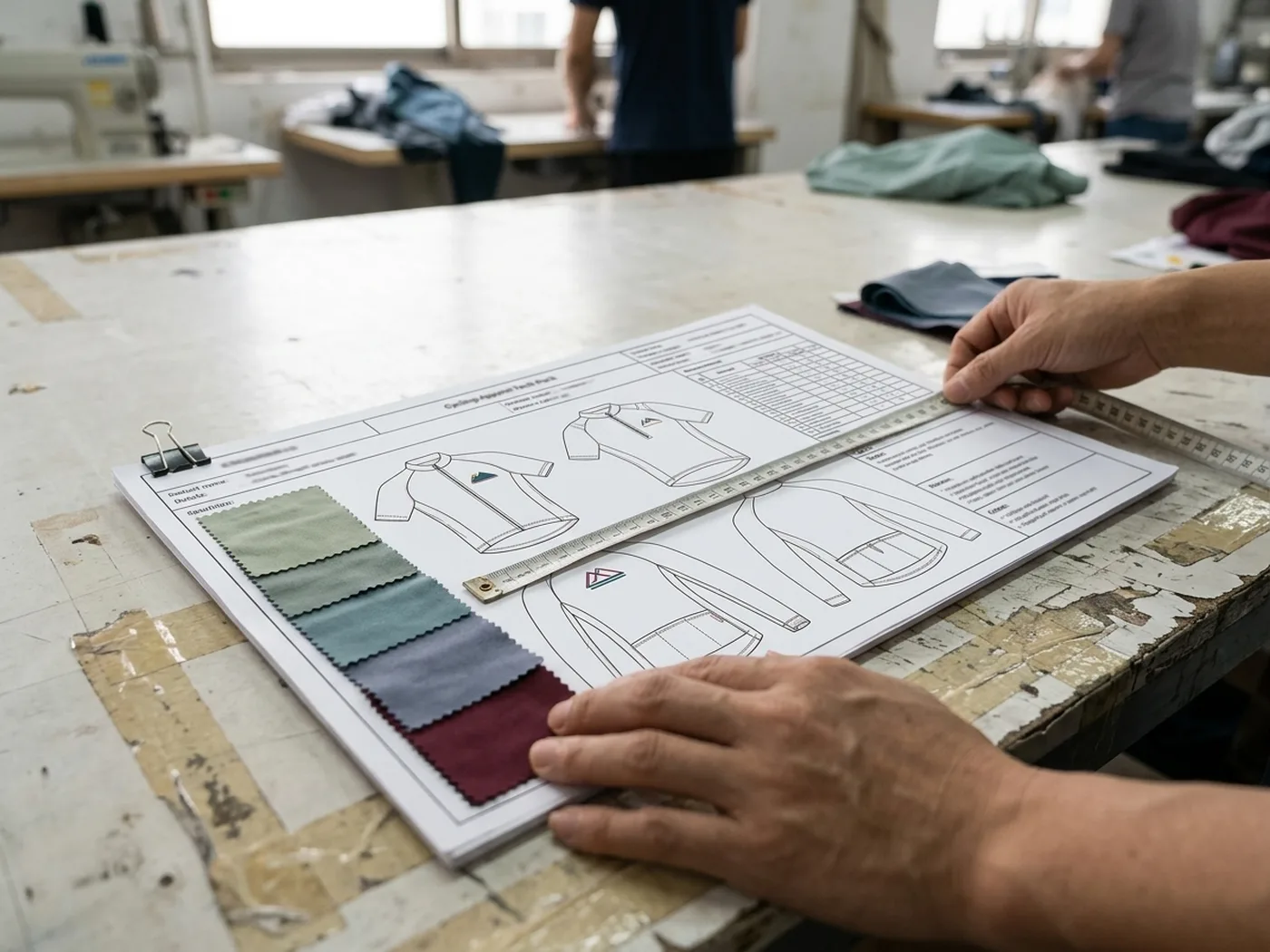
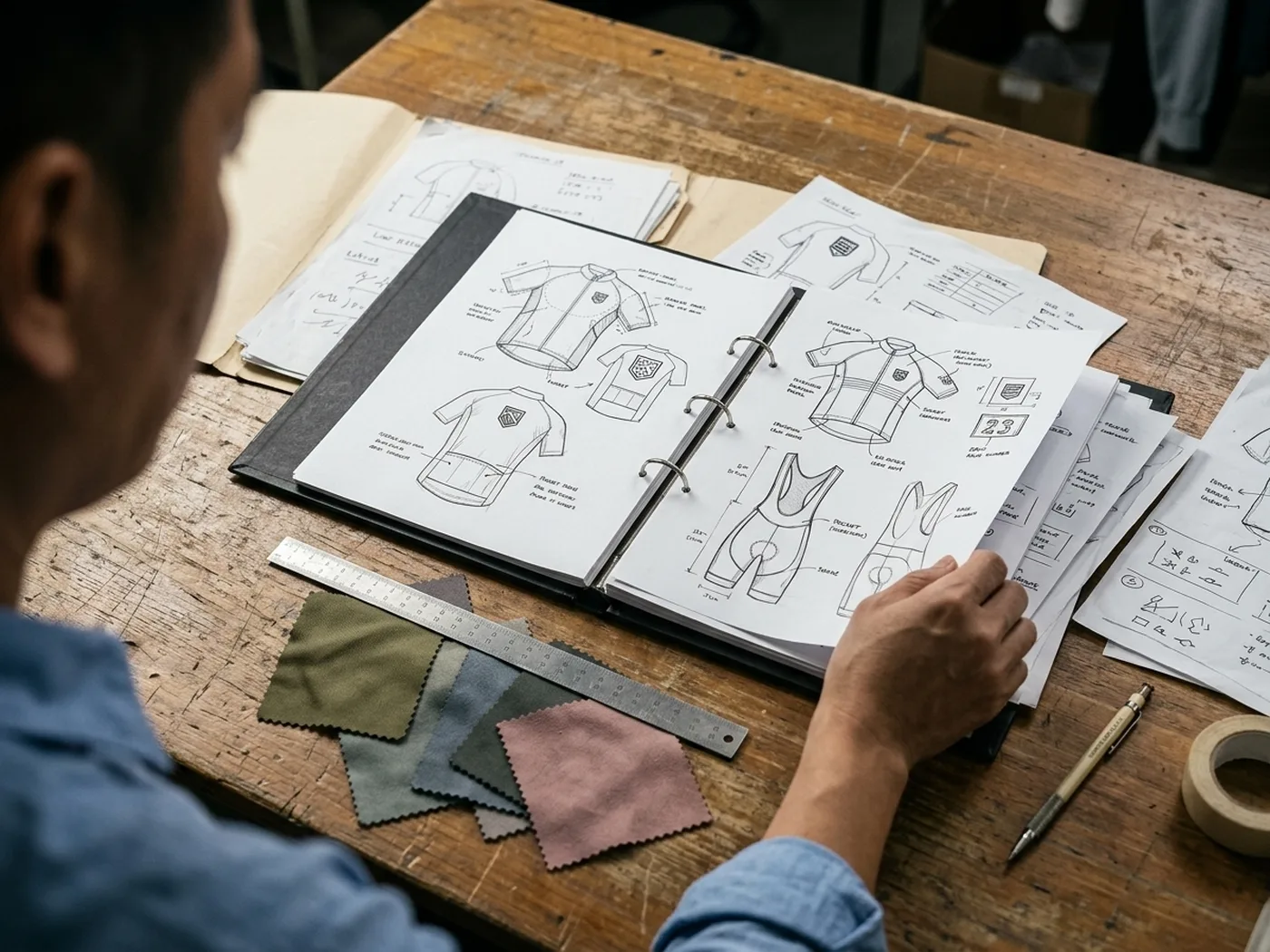
Original Equipment Manufacturer. You supply a complete tech pack — pattern, spec sheet, colorways — and we manufacture to it. The design work is entirely yours; ours is production.
ODM
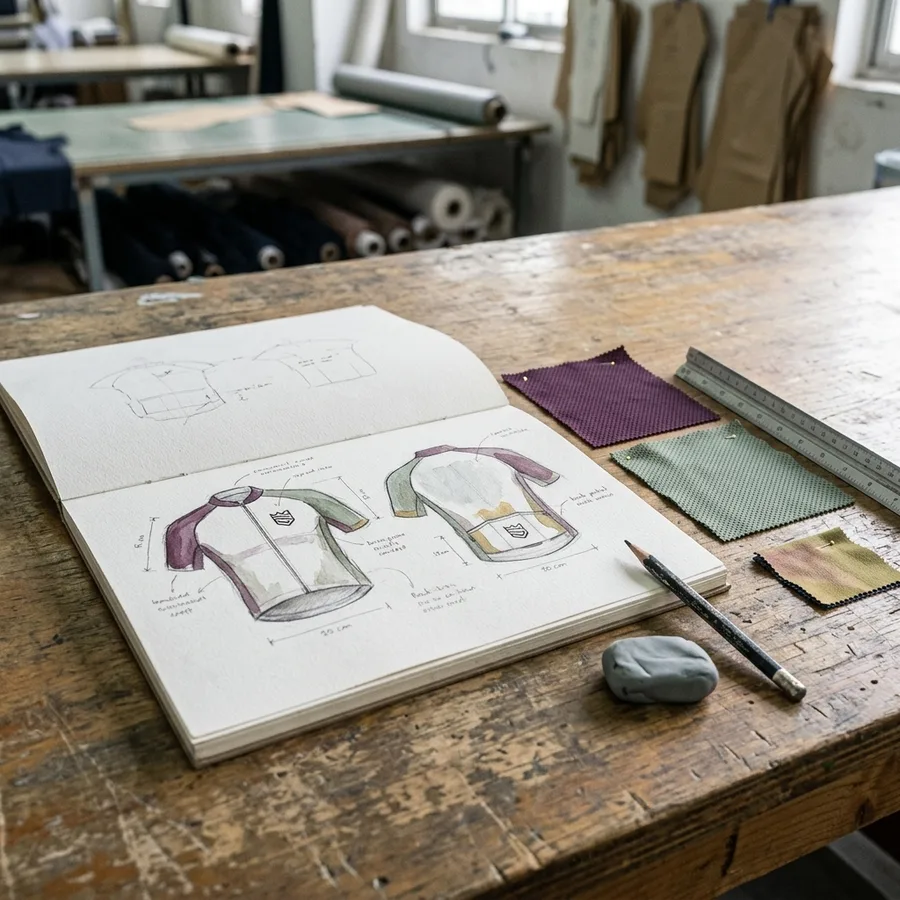
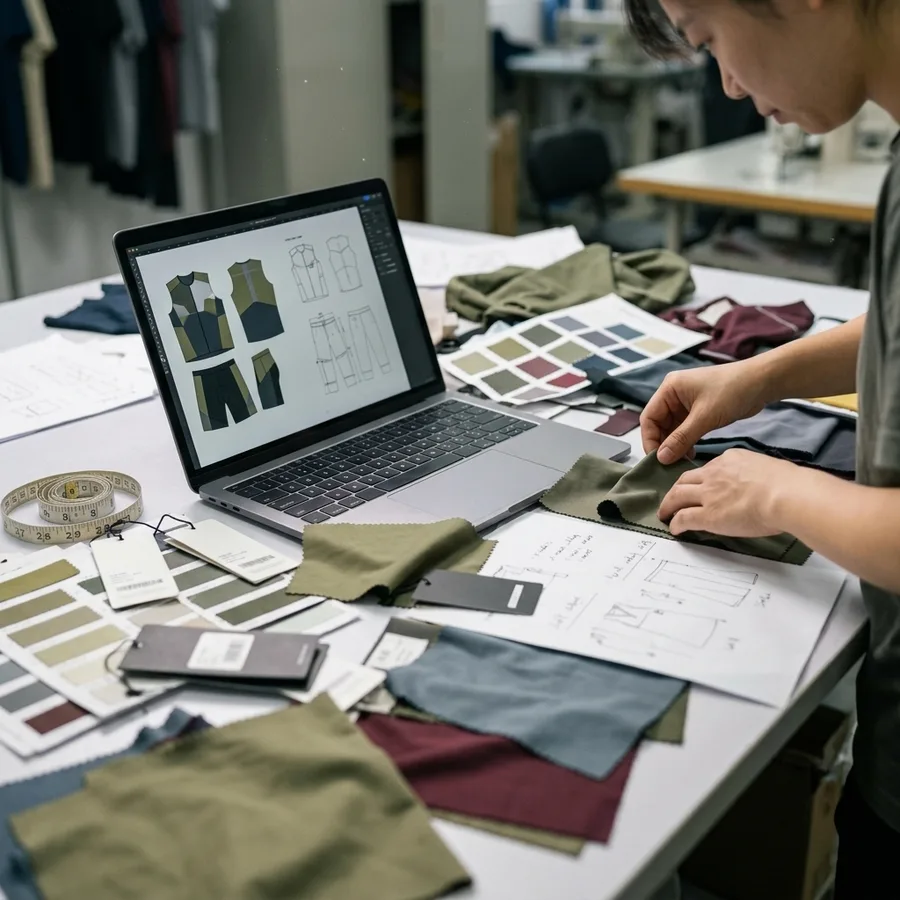
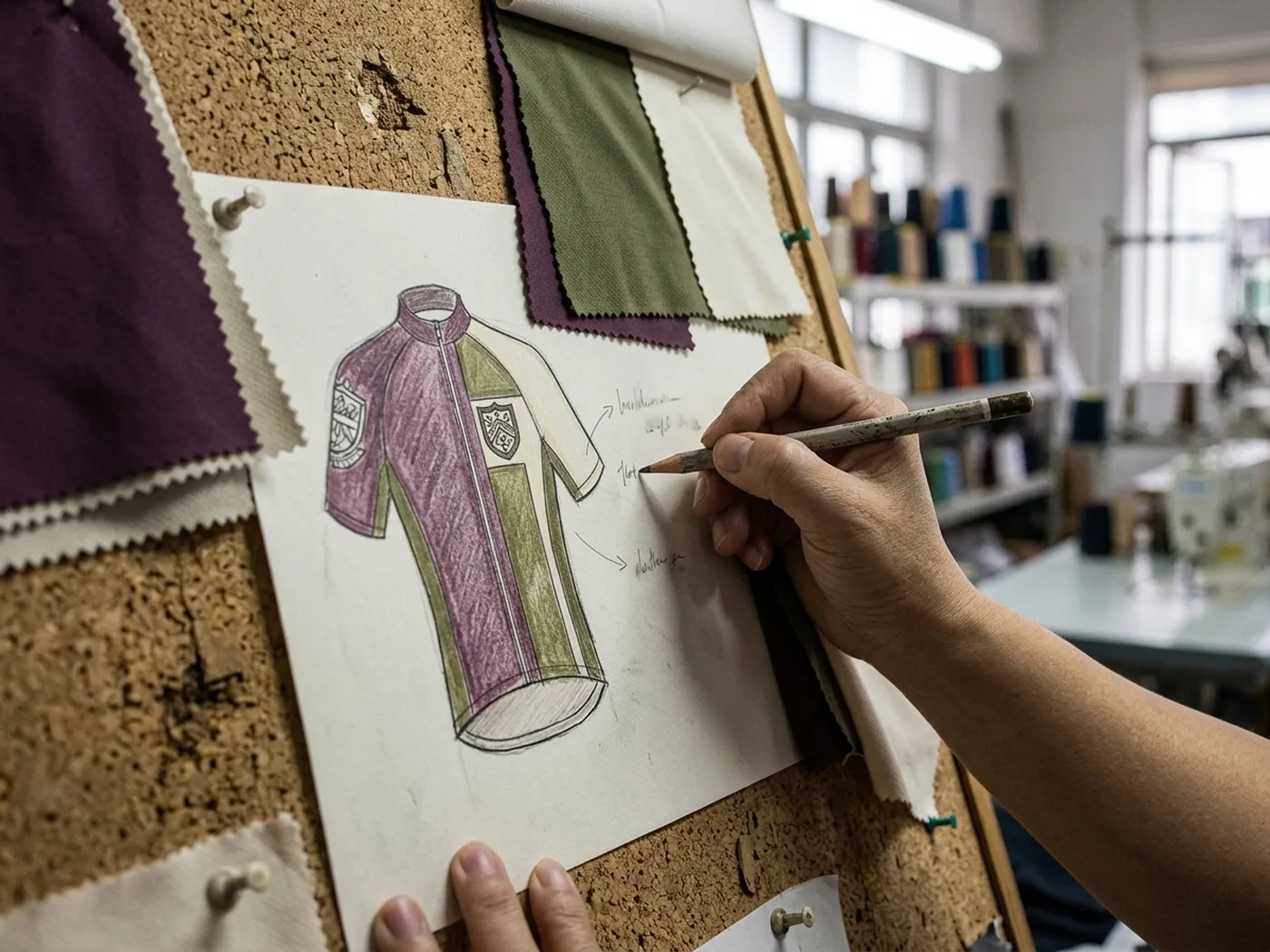
Original Design Manufacturer. You supply a concept or reference images, not a finished tech pack. Our team builds the pattern and spec from that starting point.
Private Label
Your brand name and packaging on the finished product, regardless of whether the design work behind it was OEM or ODM. A branding layer, not a separate production path.
Which Program Fits Which Buyer
The four buyer types on this site don't all use the same model — most lean toward one, some split across two.
| Buyer Type | Typical Program | Why |
|---|---|---|
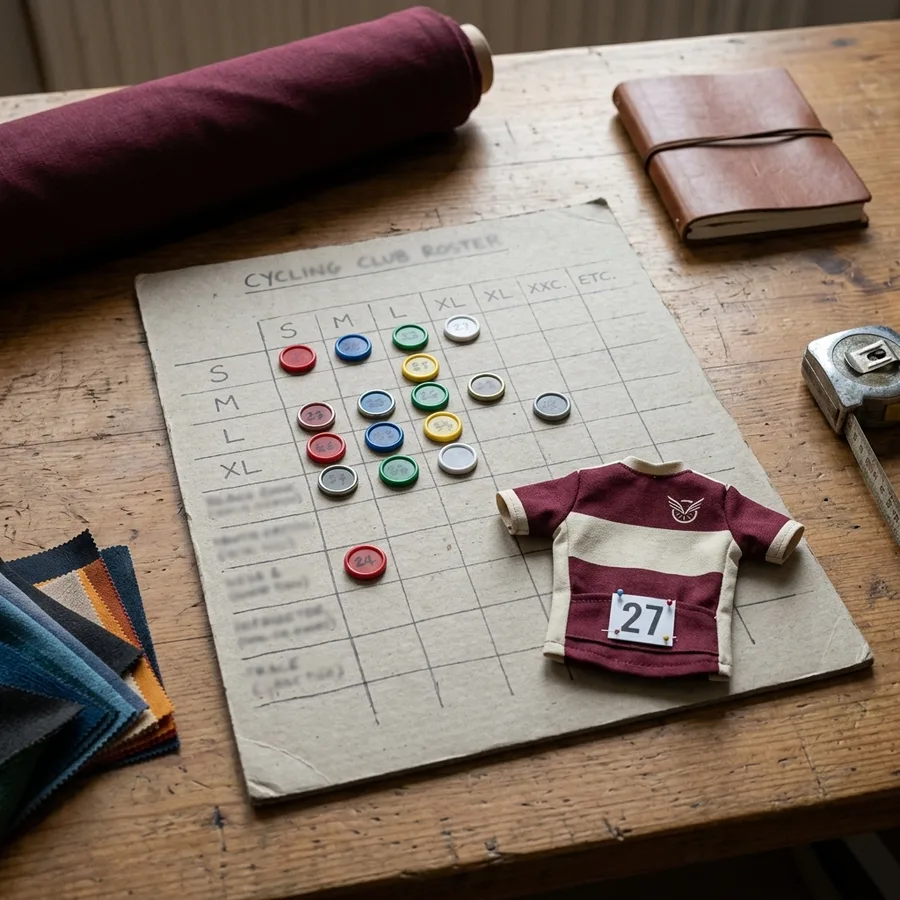
| Clubs & Teams | OEM | Roster and kit spec are usually already decided by the team; we manufacture to it. |
| Brands & DTC StartupsSpans All Three | OEM, ODM, or Private Label | Depends on whether a complete tech pack exists yet — see our Brands & DTC Startups page for how each entry point works. |
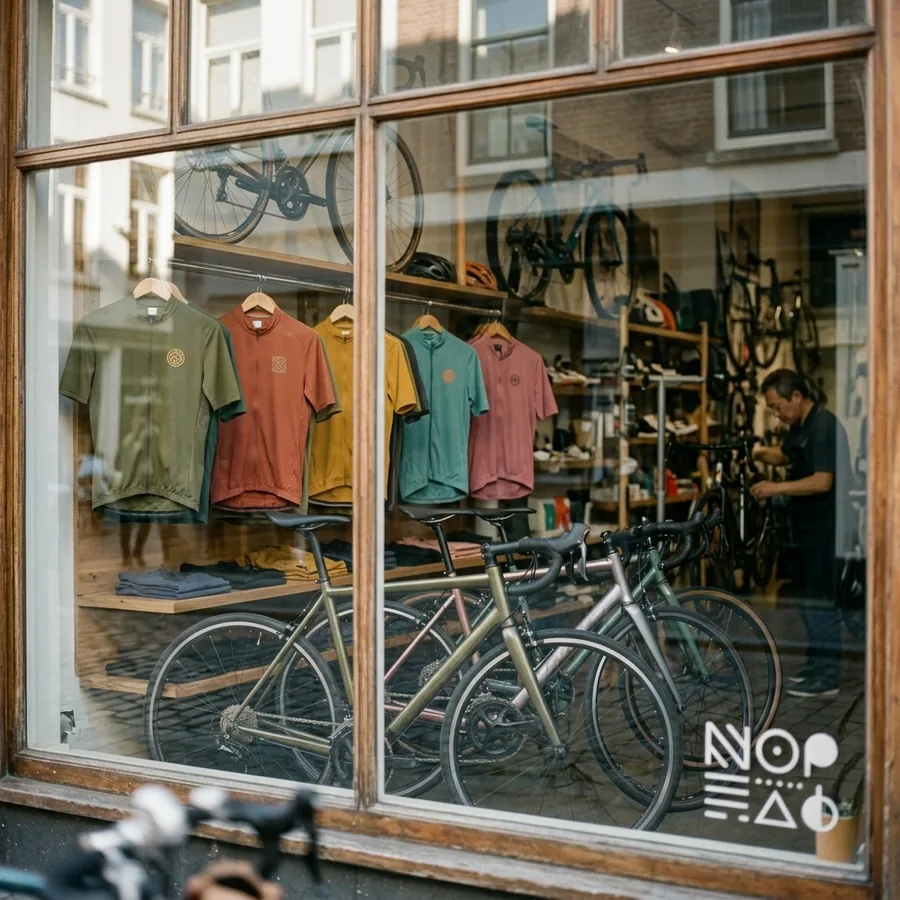
| Bike Shops & Retailers | Private Label | A house-brand SKU added beside existing wholesale stock, usually built from an existing pattern. |
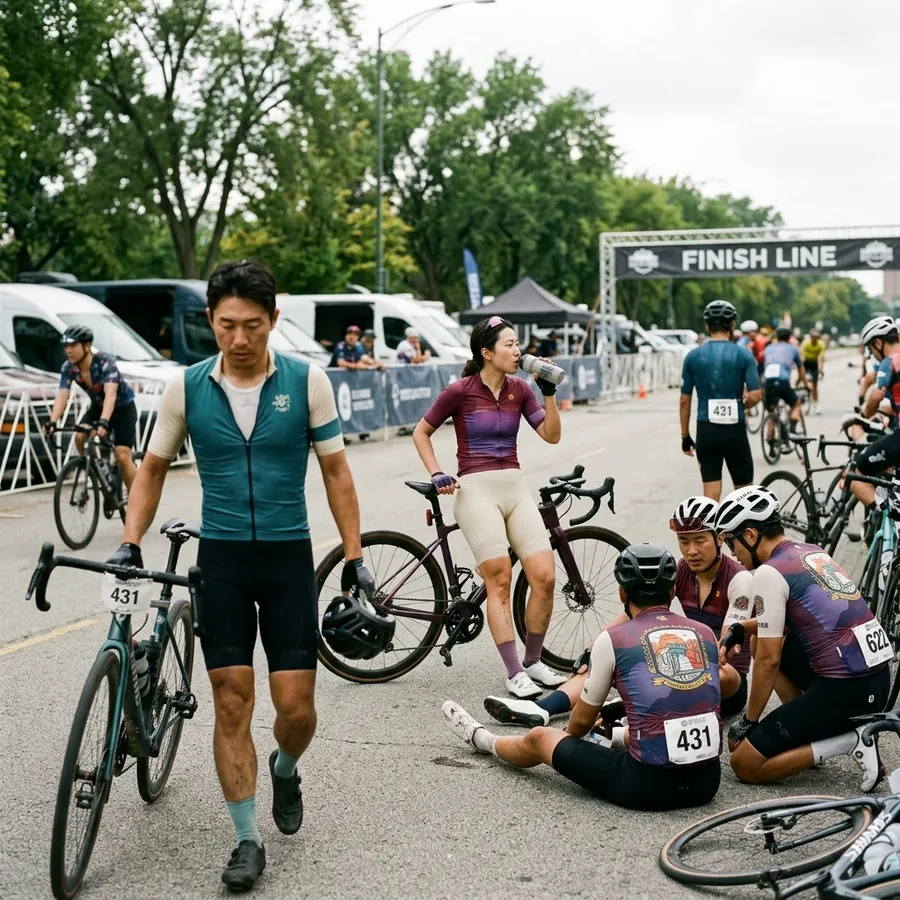
| Events & Corporate | OEM | A one-time commemorative kit, tightly scheduled, almost always built to a supplied spec. |
Clubs & Teams
OEMRoster and kit spec are usually already decided by the team; we manufacture to it.
Brands & DTC Startups Spans All Three
OEM, ODM, or Private LabelDepends on whether a complete tech pack exists yet — see our Brands & DTC Startups page.
Bike Shops & Retailers
Private LabelA house-brand SKU added beside existing wholesale stock, usually built from an existing pattern.
Events & Corporate
OEMA one-time commemorative kit, tightly scheduled, almost always built to a supplied spec.
Brands & DTC Startups is the one buyer type that genuinely splits across all three models, because it's the only buyer type where "do you already have a finished tech pack" isn't a safe assumption either way. The other three buyer types lean toward one model strongly enough that we lead with it, not a menu.
What Actually Changes Between OEM and ODM
The difference isn't marketing language — it changes what you send us and what step one looks like.
What You Provide
A complete tech pack before quoting starts.
A concept, reference images, or a rough description — the tech pack gets built as part of the process.
Where Design Work Happens
Entirely resolved before we see it.
Pattern, fit, and placement happen on our Kit Design & Branding page's process, using your reference material as the start.
What Doesn't Change
Sampling, revision rounds, and bulk production run on the same schedule either way. The six-step framework on our Complete Kit Development page has one track, not a separate OEM and ODM version.
What You Send Us vs. What We Handle, by Program
Section 4 covers what changes between OEM and ODM — this fills in the third column, plus two inputs that page didn't cover.
The tech pack is the headline difference between OEM and ODM, but four separate inputs shift depending on the program, not just one. The table below breaks out what you send at intake and what we handle on our side, program by program.
| Input | OEM | ODM | Private Label |
|---|---|---|---|
| Tech Pack & Pattern | You send the complete pattern, spec sheet, and colorways before quoting starts. | You send a concept or reference images; our team engineers the pattern and finished tech pack from that starting point. | Runs on whichever tech pack the OEM or ODM path underneath it already produced — no pattern step of its own. |
| Sample Approval | You confirm the sample against the spec sheet you supplied. | You confirm the sample against the concept you supplied, since there's no prior spec sheet to check it against. | Confirmed on the same sample as the OEM or ODM track underneath it, not a separate round. |
| Brand Assets & Packaging | Not required unless you're also running private label branding on top. | Not required unless you're also running private label branding on top. | You send logo files, label artwork, and packaging or polybag specs — the one input this program adds. |
| Decoration & Print Files | Print-ready artwork, positioned to your spec. | Rough placement direction is enough; our team finalizes print-ready files during pattern development. | Runs on whichever decoration files the OEM or ODM path underneath it already handled. |
Revisions inside the sample stage are included for the first two rounds either way — the input list changes by program, the sampling terms underneath it don't.
Who Keeps the Pattern and Tech Pack
Ownership works differently depending on which side engineered it — here's what stays with you and what stays with us.
OEM
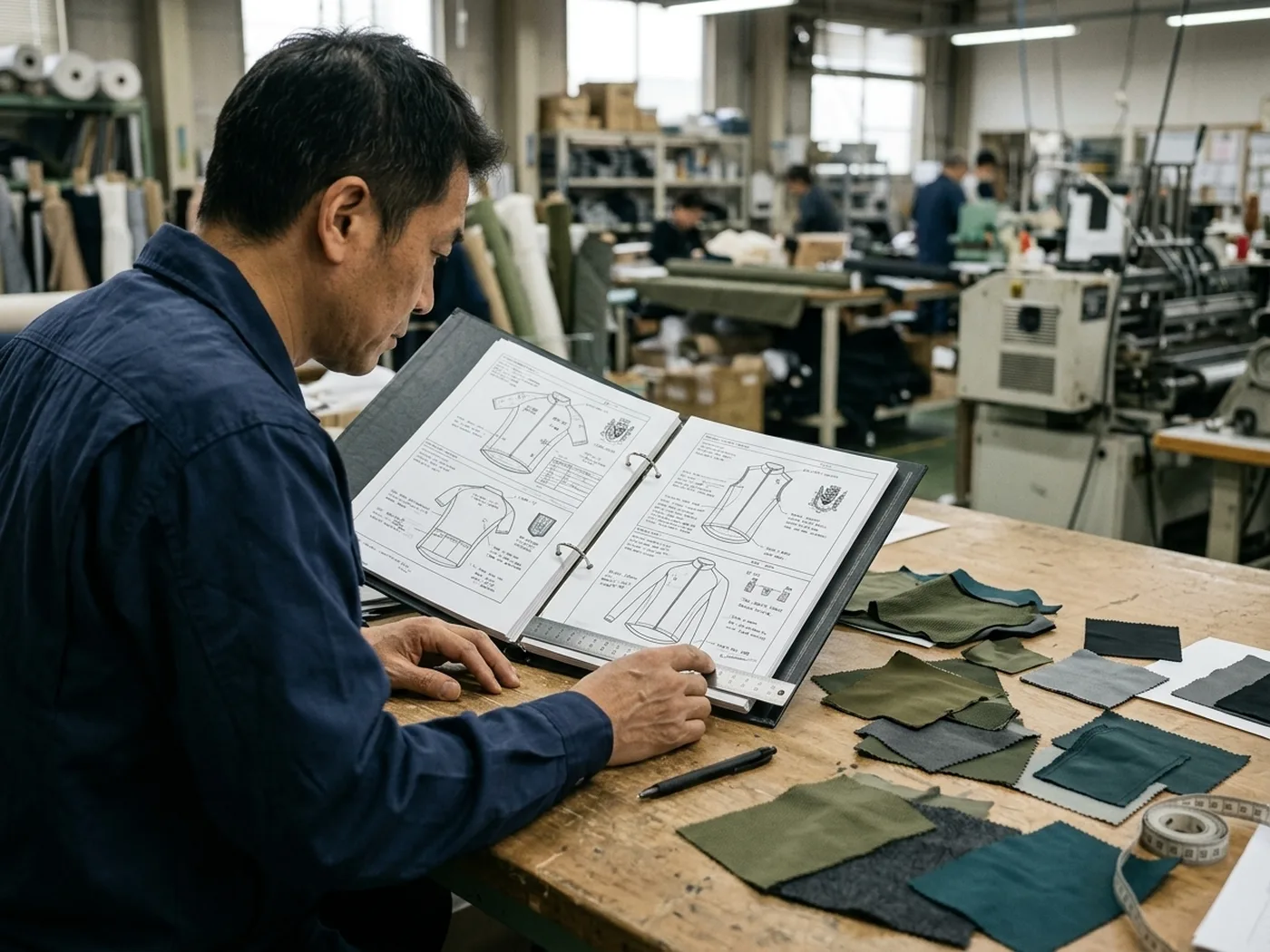
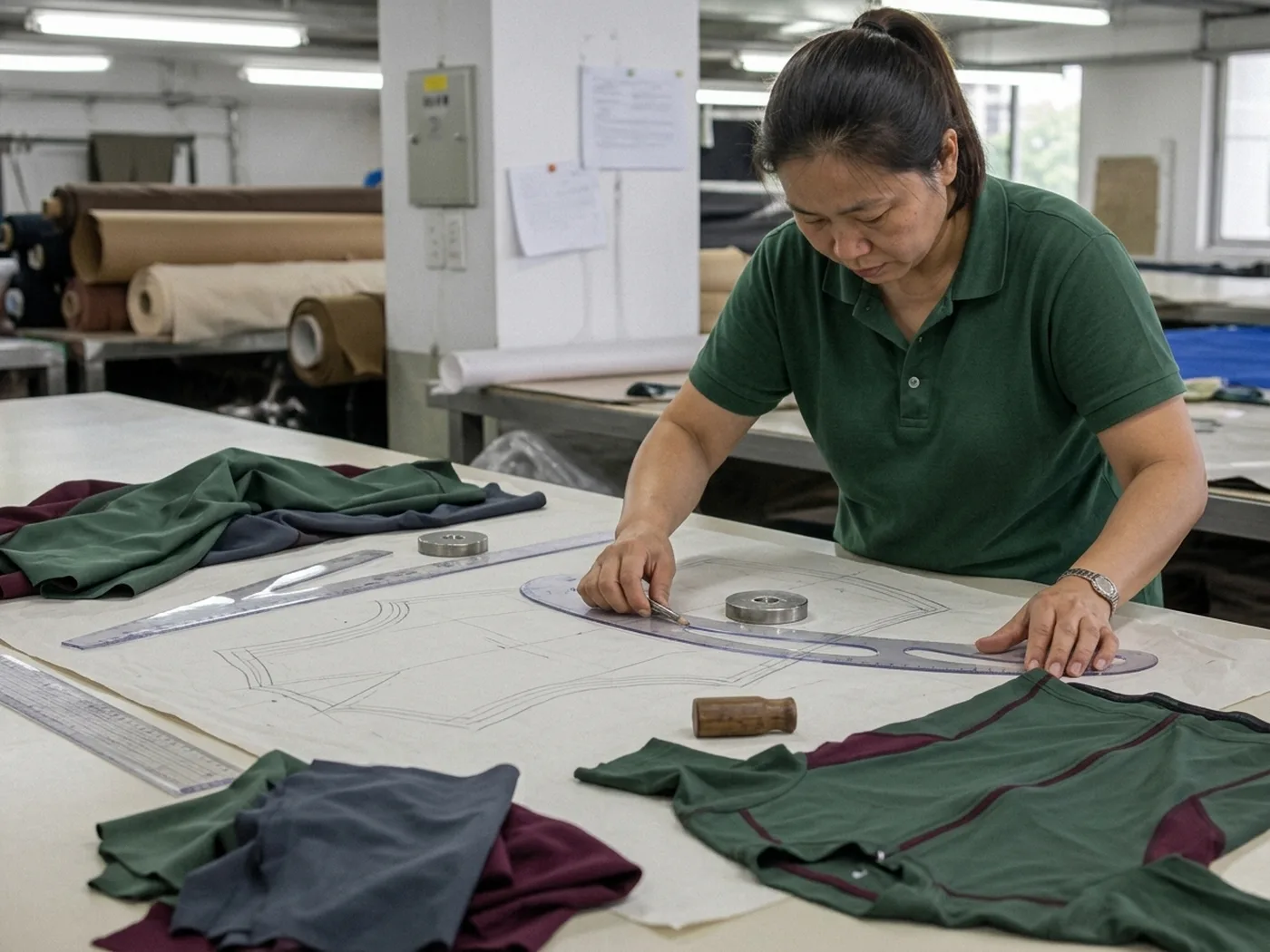
You already own the tech pack before we see it. Pattern, spec sheet, and colorways all originate on your side. We keep a production working copy tied to your order so the line can reference it during a run, but that copy isn't licensed for reuse on anyone else's order.
ODM
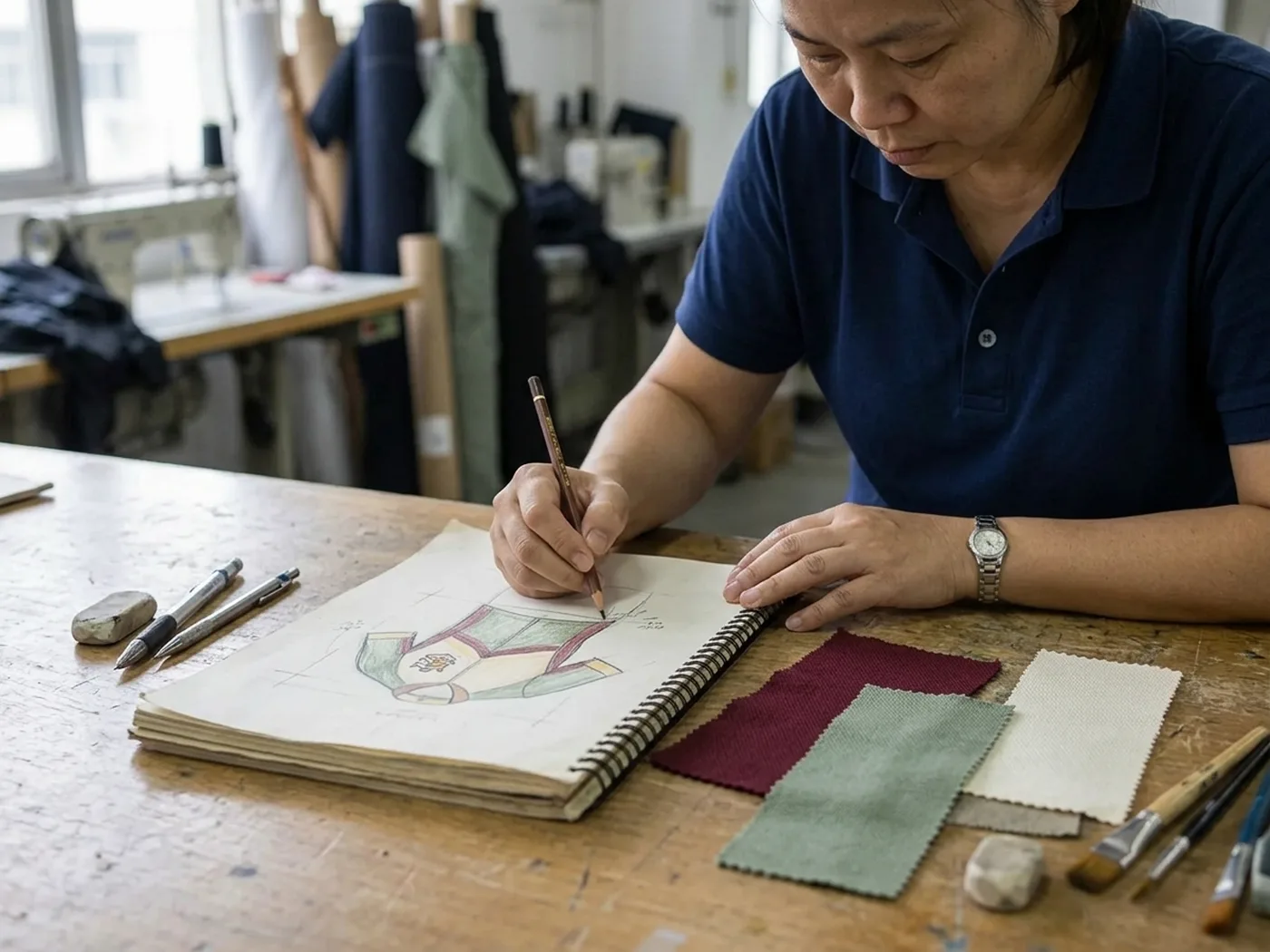
The pattern doesn't exist yet when an ODM order starts. Our team engineers it from your concept or reference images. Once the sample built from that pattern is signed off, the finished tech pack becomes your exclusive deliverable the same way an OEM tech pack already is; we don't reuse an ODM-developed pattern for a different buyer.
Retention
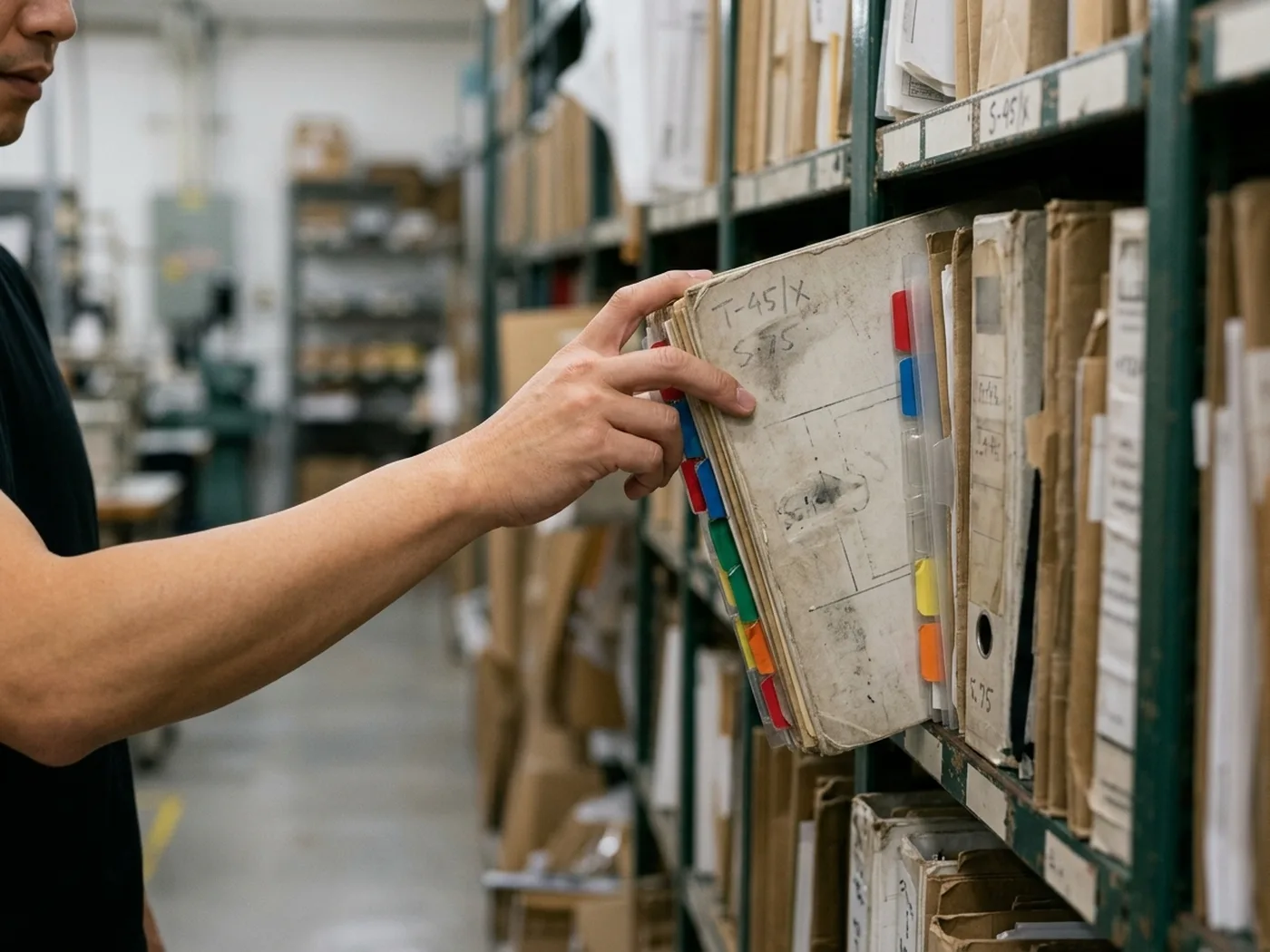
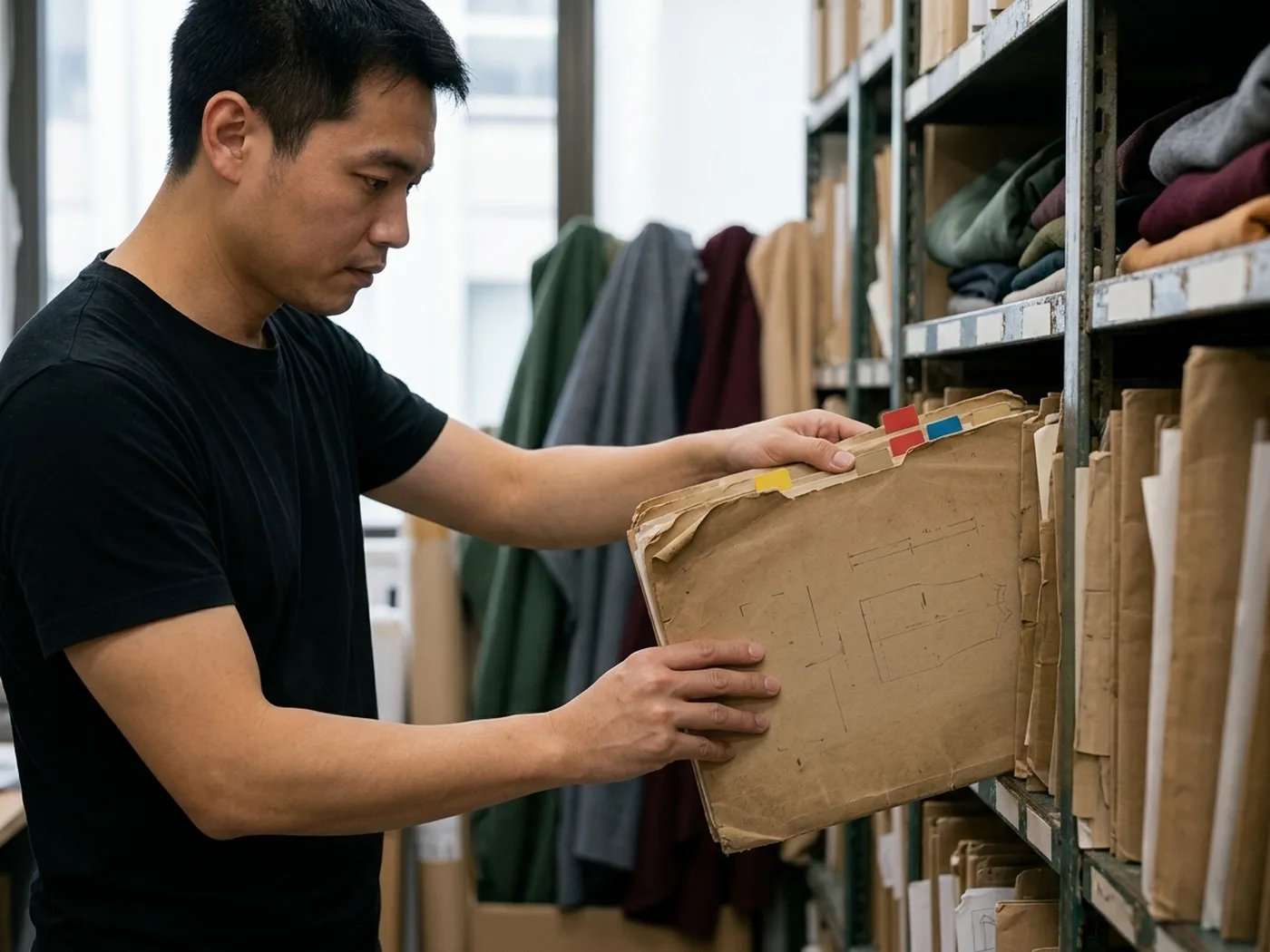
Either way, the confirmed pattern and spec sheet stay on file with us, indexed to your SKU, once the order ships. A reorder or a new colorway on the same garment starts from that confirmed file instead of reopening pattern development — section 9 covers exactly when a reorder still counts as the same program.
Already Know Which Program Is Yours?
Jump straight to the buyer type that matches you in section 3.
What Private Label Adds on Top of OEM or ODM
Private label isn't a fourth production path — it's what happens to the label and packaging on an OEM or ODM order.
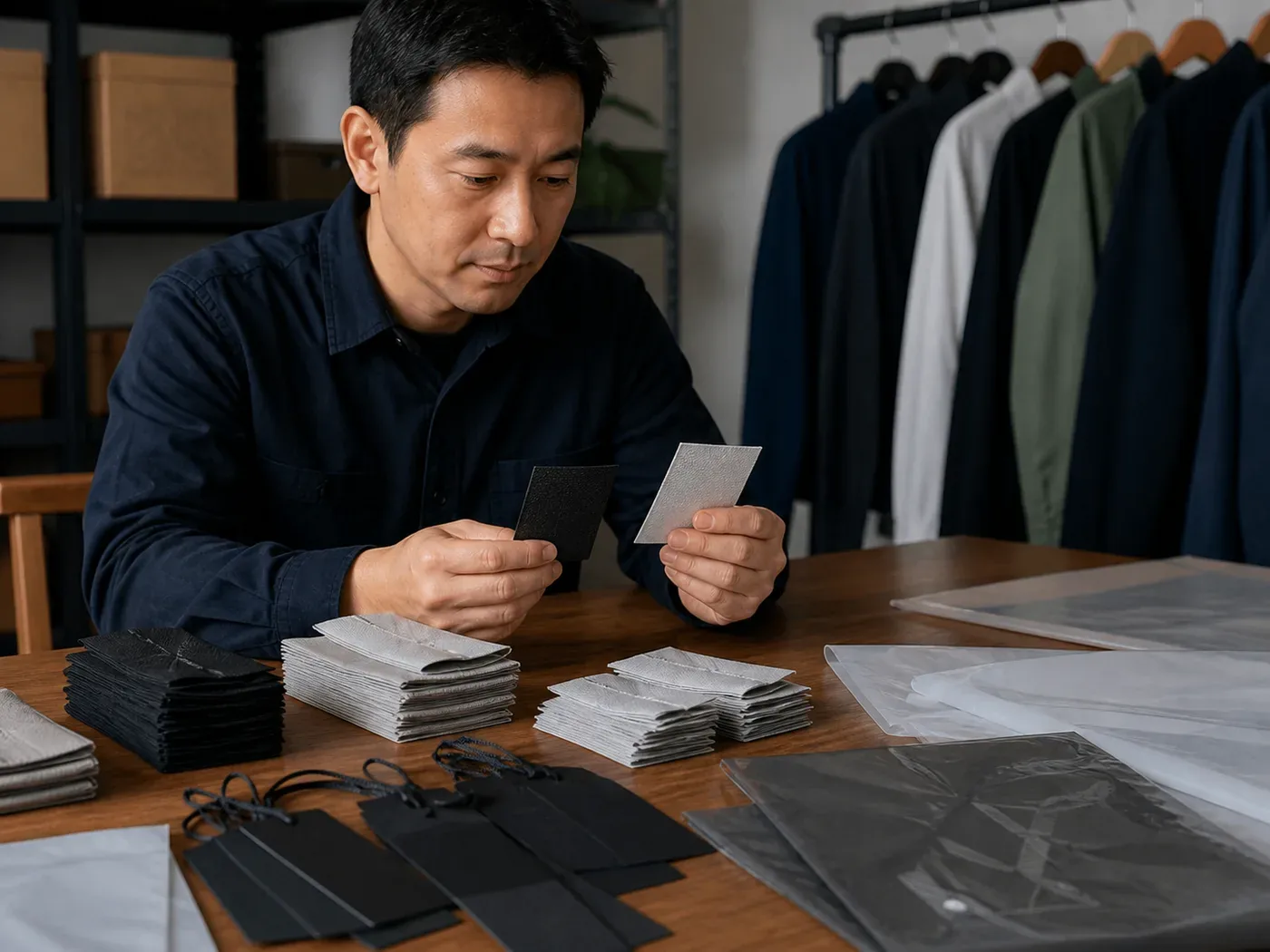
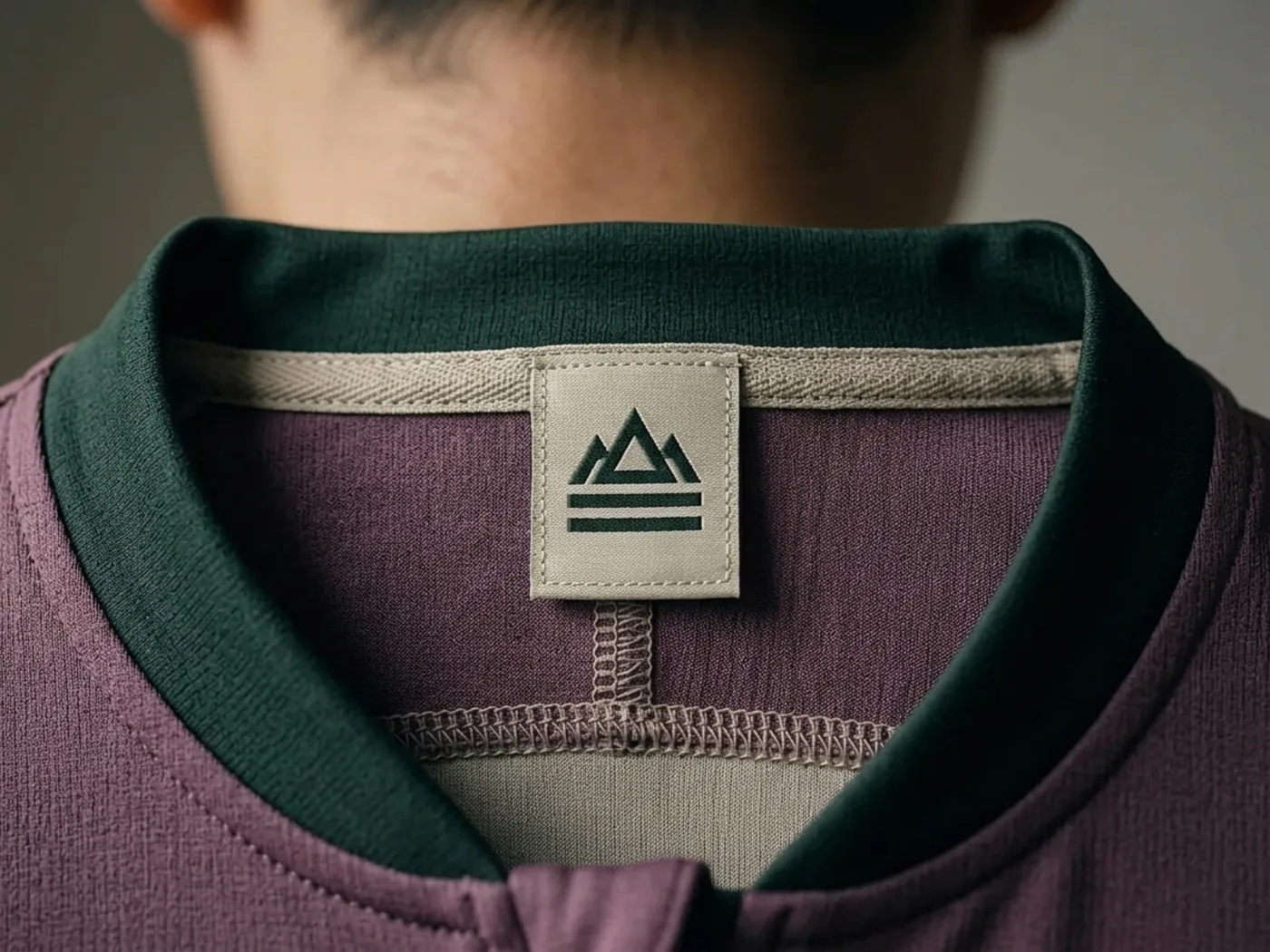
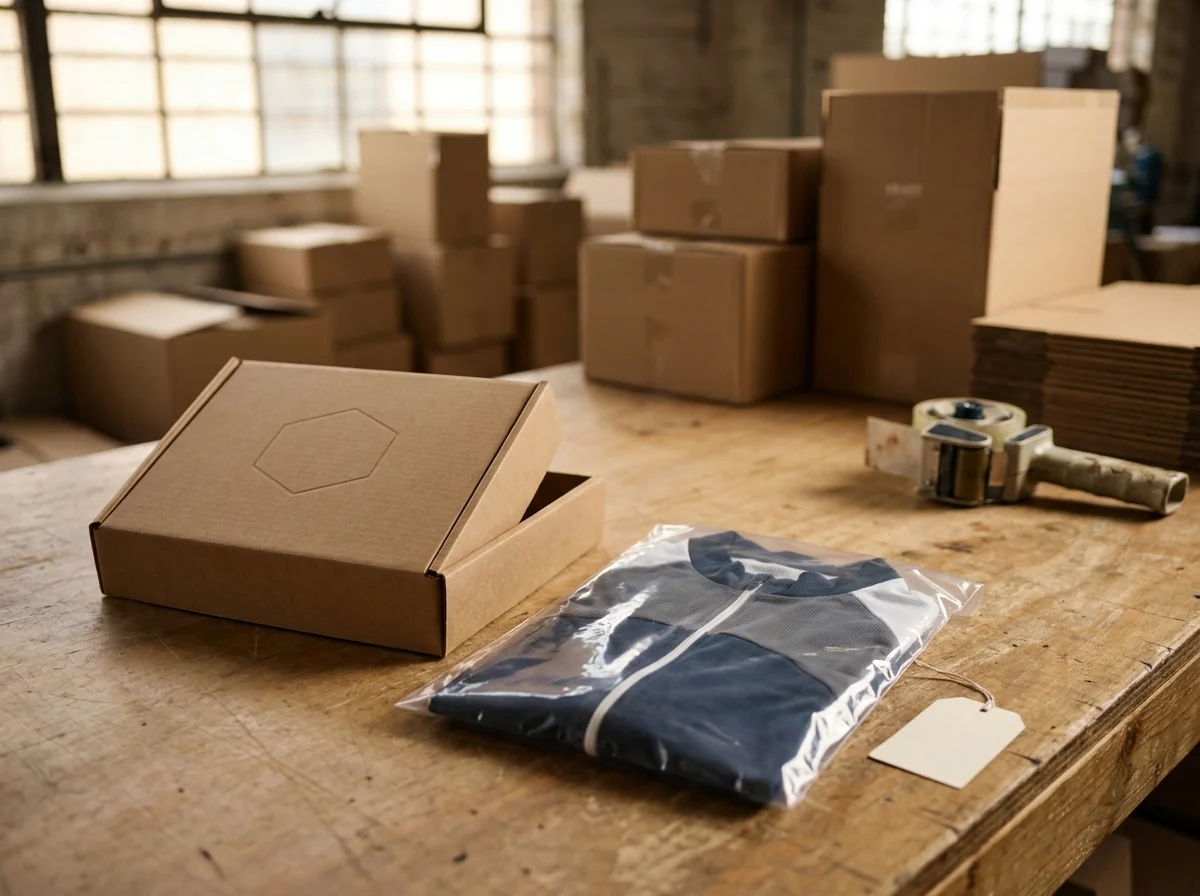
Whichever model builds the garment, private label determines what ships with it: your brand name on the main label, your own packaging or polybag branding, and no factory-identifying marks anywhere a customer would see them.
What private label does not change: the tech pack requirements, the sampling process, or the production schedule. It's a branding instruction layered onto whichever model already applies, not a separate quote.
Which Program Applies to a Reorder or New Colorway
The program label isn't fixed at first order — it can shift once a confirmed pattern exists.
A reorder of the same SKU is OEM, even if the original order was ODM.
Once a tech pack exists — whichever side engineered it — a reorder supplies that confirmed file the same way any OEM order does, and there's no design work left to redo.
A new colorway on an existing pattern is also OEM.
Changing a fabric colorway doesn't touch the pattern itself, so it follows the same confirmed-file path as a reorder, not a fresh ODM cycle.
A new garment style opens a new ODM cycle, even from an existing ODM buyer.
A confirmed pattern only covers the SKU it was built for — a different garment style has no existing pattern to reuse, so it starts the same way the first ODM order did.
Private label branding carries forward automatically.
Whichever program a reorder or new SKU falls under, a buyer who ran private label the first time doesn't need to re-request it — the branding instruction stays attached to the buyer relationship, not the individual order.
Sixty thousand garments run through this factory each month.
Three Things This Page Doesn't Cover
Routing you to the right program is this page's job — these three things belong elsewhere.
Minimum order quantities and pricing structure.
Every program here still runs on the same MOQ logic — that's covered in full on our MOQ & Wholesale Pricing page, not repeated per program here.
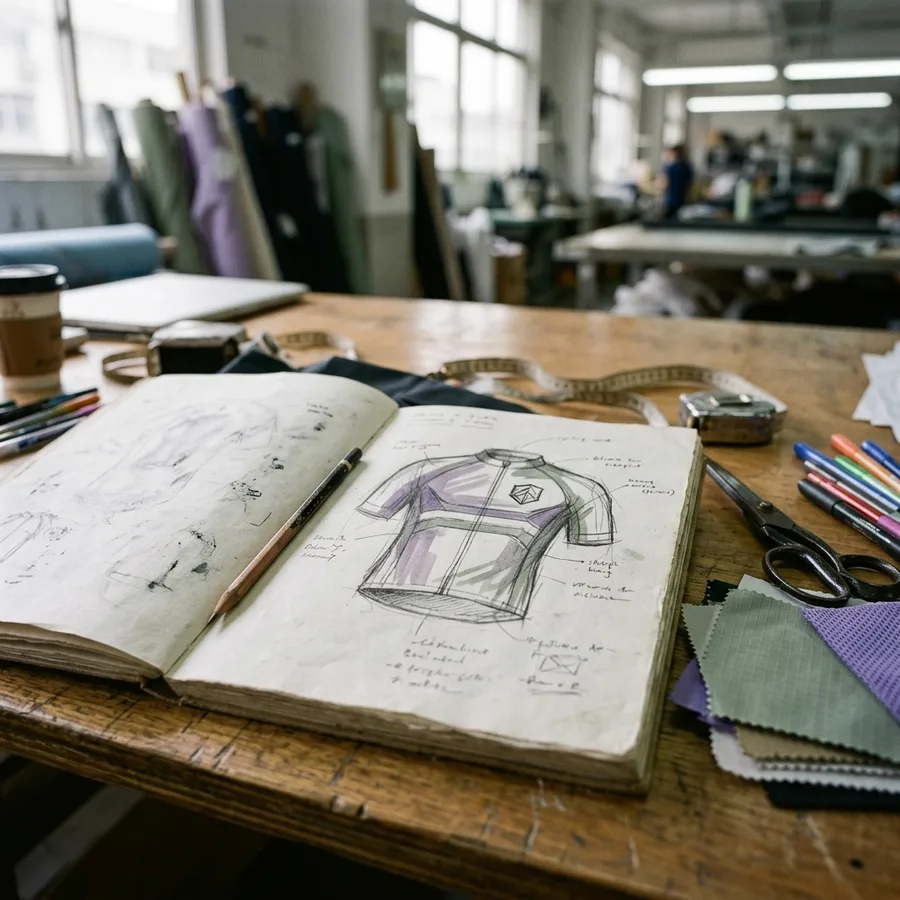
How the design process itself works.
Placement, proofs, and roster customization for ODM or private label branding live on our Kit Design & Branding page.
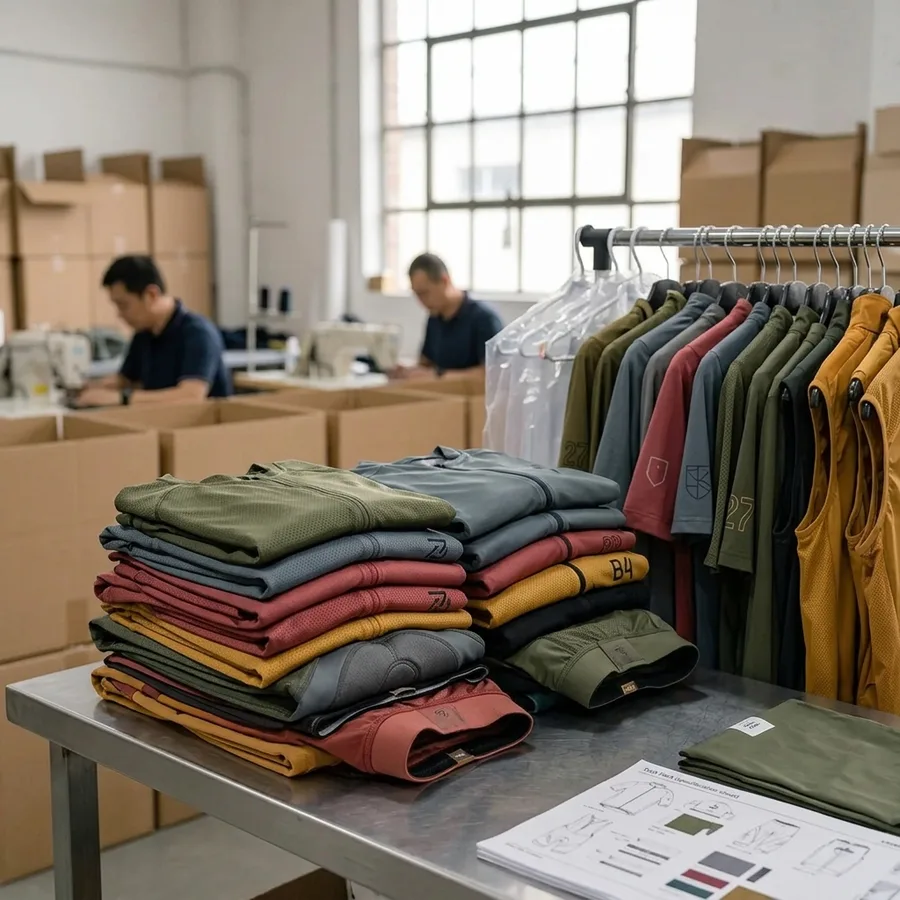
Which garments and scenarios make up your order.
The six-piece vocabulary and scenario-driven kit composition live on our Complete Kit Development page.
Two Ways to Start
Whichever program is yours, the first move is one of these two.
Four Points Where a Program Choice Goes Wrong
Naming where mismatches actually come from is more useful than promising there won't be any.
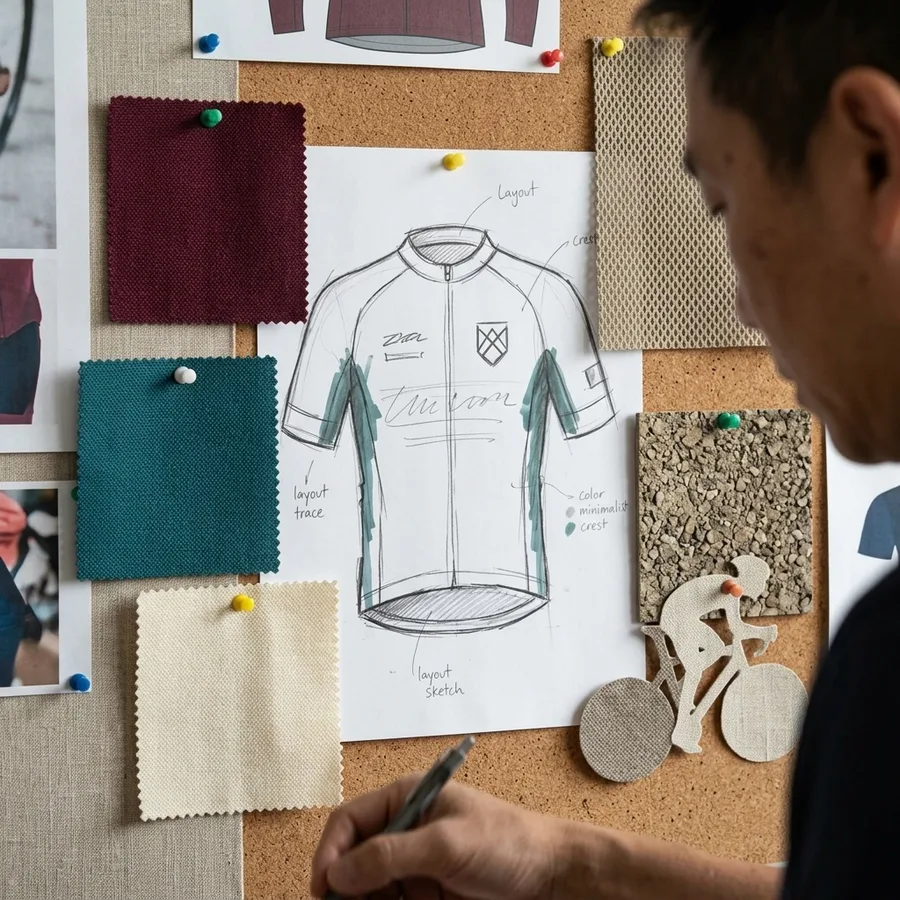
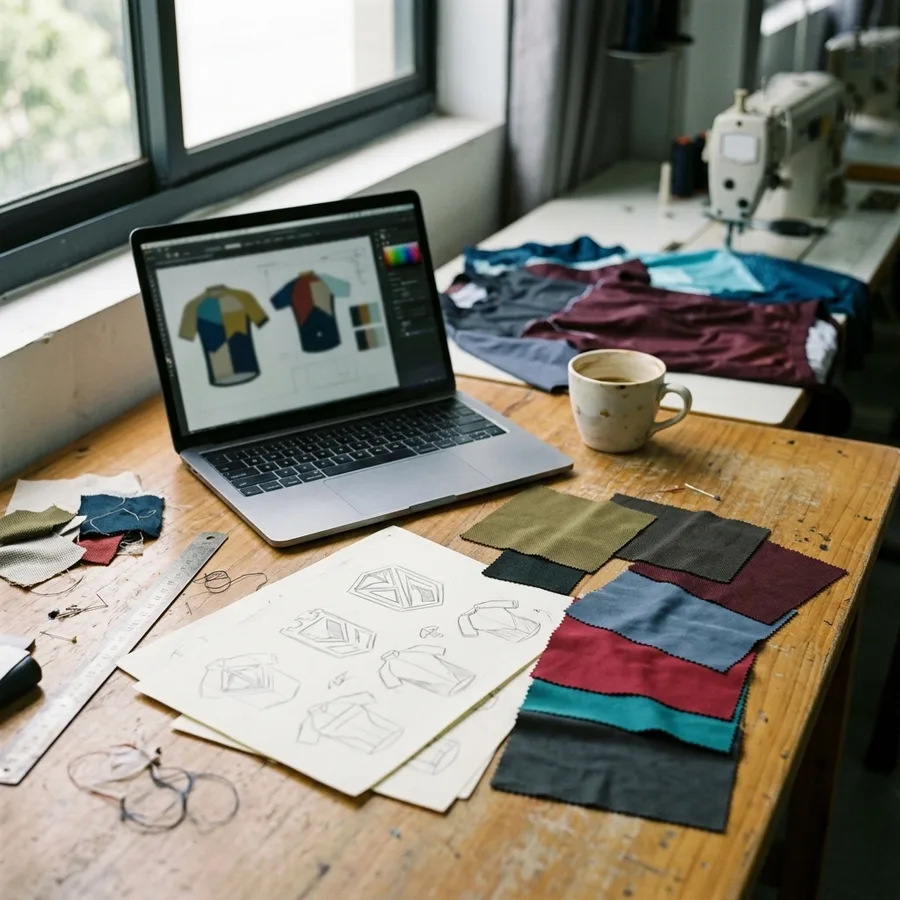
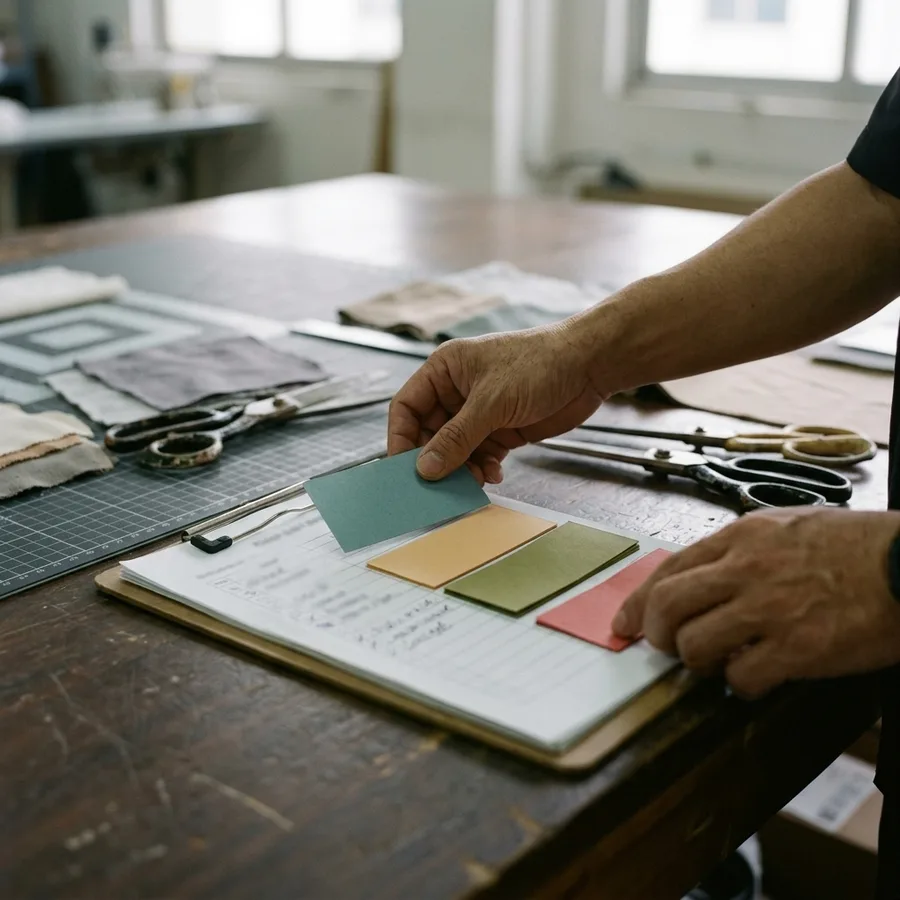
A buyer sends a "tech pack" that's actually a mood board
If the file is reference images rather than a spec sheet, the order is ODM even if it was labeled OEM — mislabeling it delays the quote.
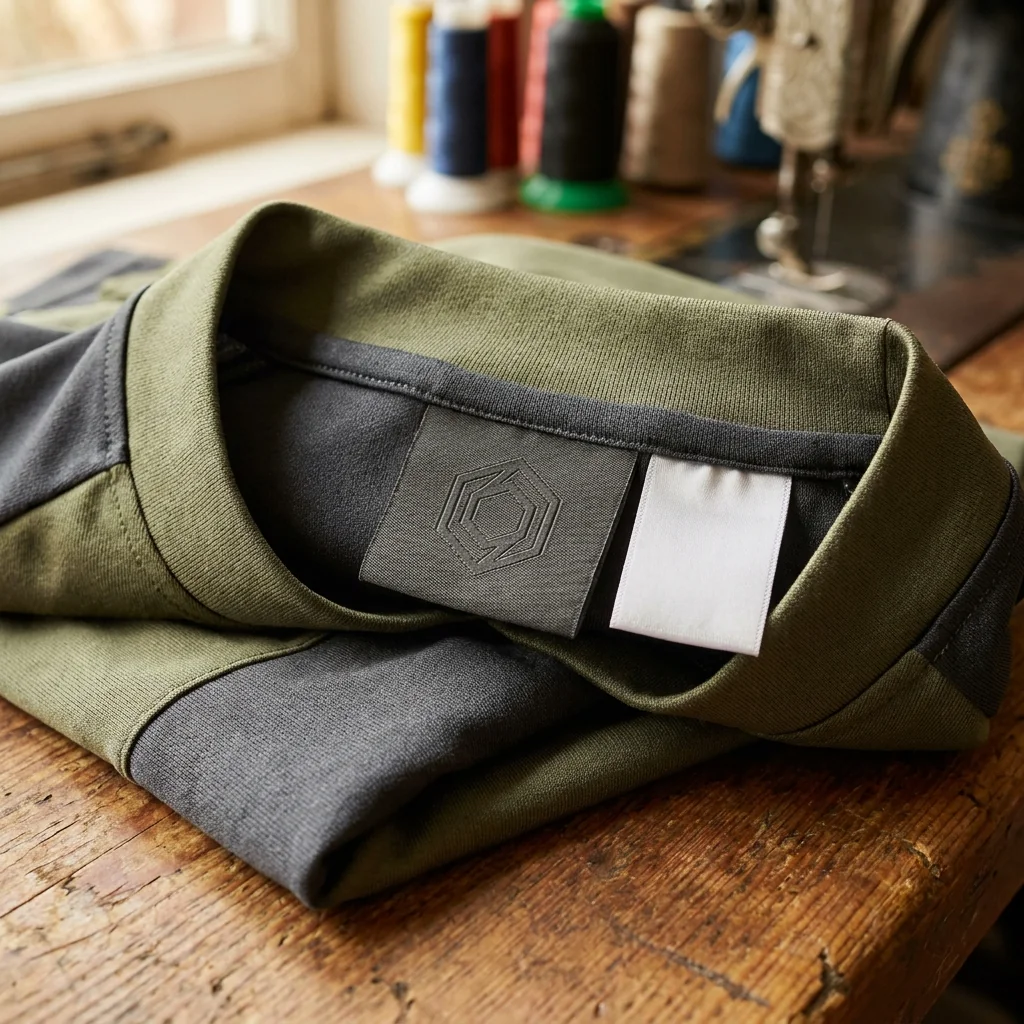
Private label branding is assumed, not requested
Without an explicit instruction, a factory-neutral label is the default — buyers who need their own branding should say so at intake, not after sampling.
A DTC startup picks OEM before a tech pack exists
Starting the OEM path without a complete spec reproduces the same back-and-forth ODM was built to handle — see our Brands & DTC Startups page.
Program and buyer type get decided out of order
Section 3's mapping exists because picking a buyer page first almost always answers the program question — picking a program label first skips that check.
What It Costs to Switch Models Mid-Order
When a "tech pack" turns out to be a mood board partway through, here's what actually resets.
Section 13 names the trigger — a supplied file that reads as reference images, not a spec sheet. Once that's confirmed, four things reset, not just a timeline label:
Quote: 48 Hours
Restarts once the corrected scope is confirmed — the same turnaround as a first-time quote, not an instant revision.
Sample: 5–7 Days
Development moves onto the ODM sampling timeline, since a pattern now has to be engineered instead of built to a supplied spec.
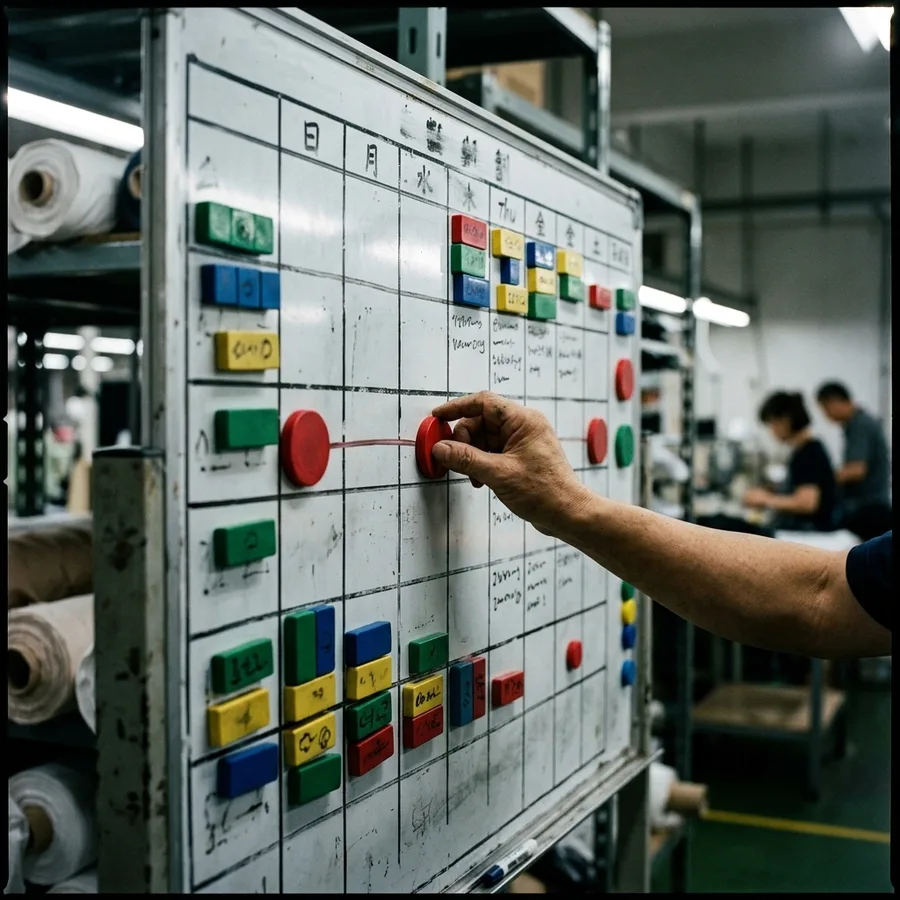
Bulk Clock: Resets
Bulk lead time counts from sample confirmation, not order date — a later sign-off pushes the 20–30 day window back with it.
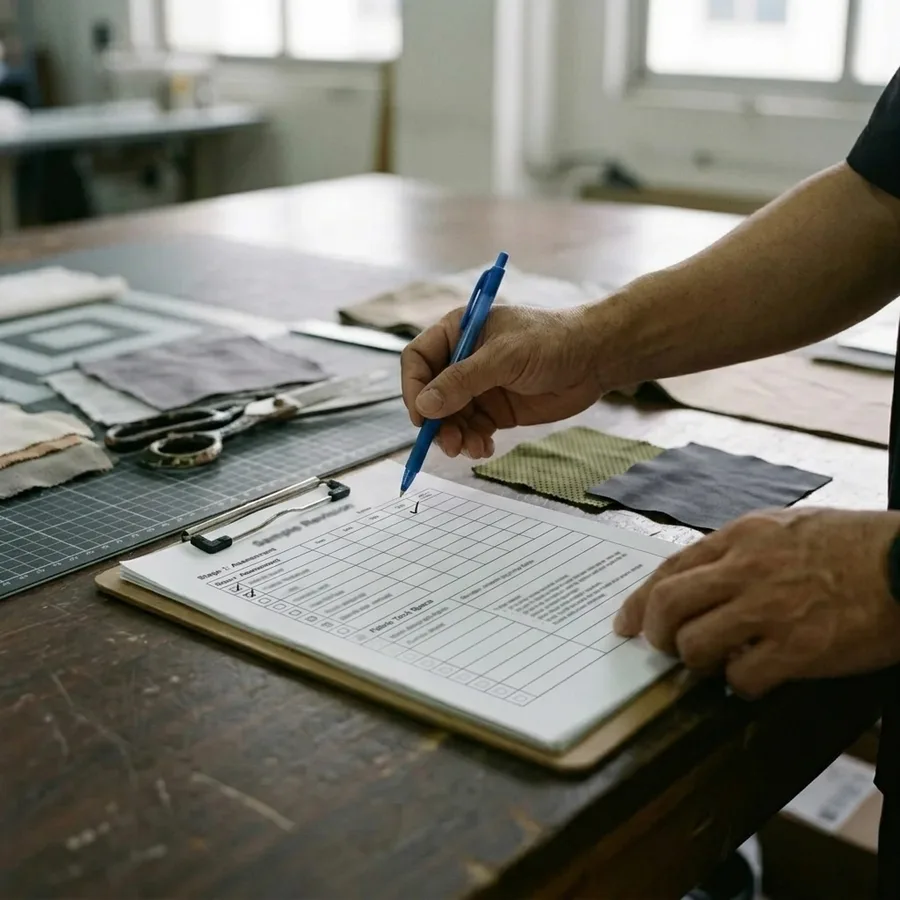
Revisions: 1 of 2 Used
A sample already built on the wrong assumption counts against the two included rounds — one is gone before the corrected pattern even starts.
Common Questions Before You Choose a Program
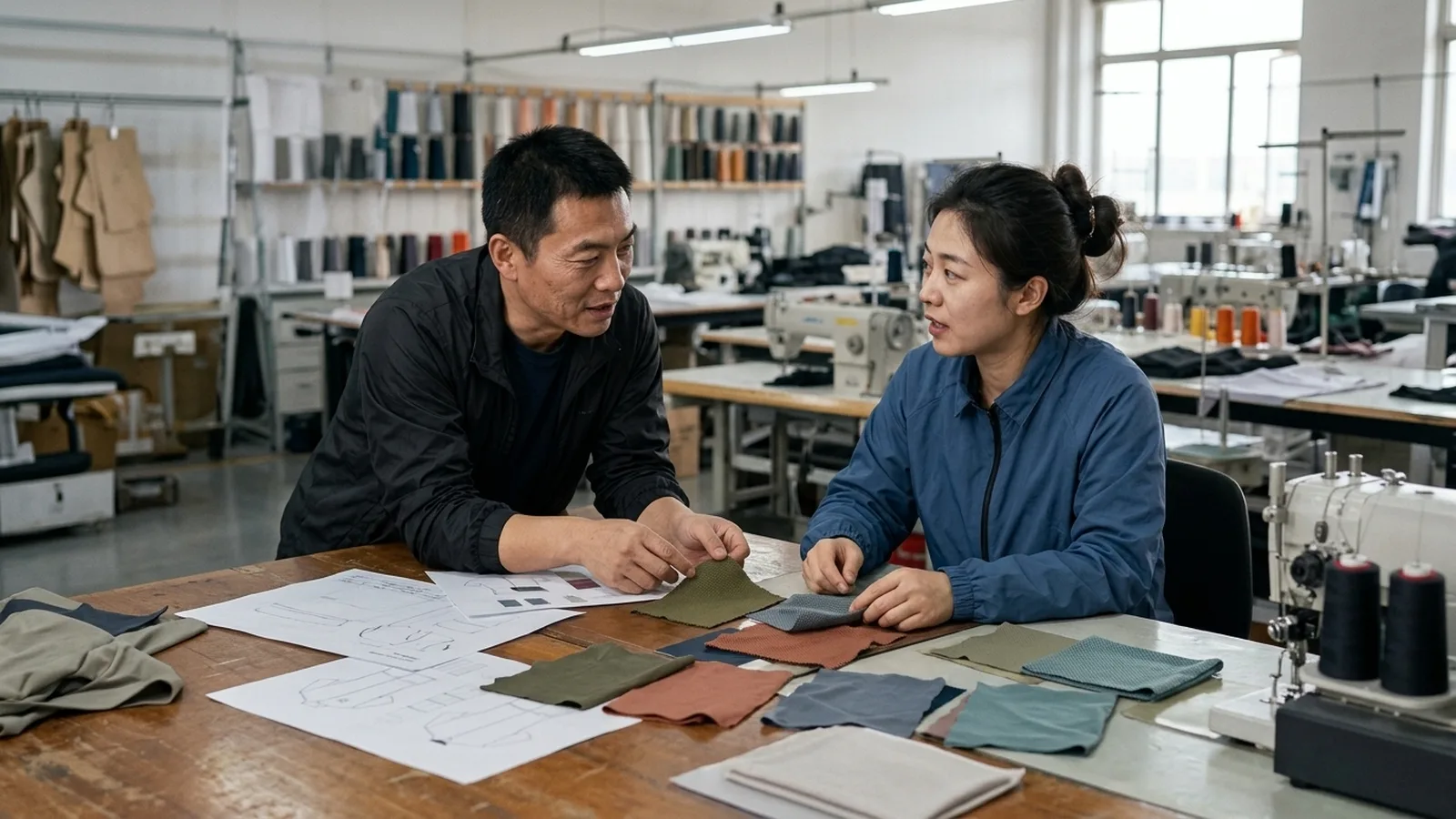
We have a logo and a rough idea but no finished tech pack — is that OEM or ODM?
Can we run private label branding on an ODM order?
Does ODM cost more than OEM?
We're a bike shop — do we need to pick OEM or ODM?
Can one order include garments from more than one program?
Who owns the pattern after an ODM order ships?
Start Your OEM or ODM Conversation
Tell us which buyer type and program fits — or send what you have and we'll help you place it.
Replies land within 24 business hours.