Custom Gravel Cycling Apparel for a Ride That Changes Surface Three Times and Temperature Twice
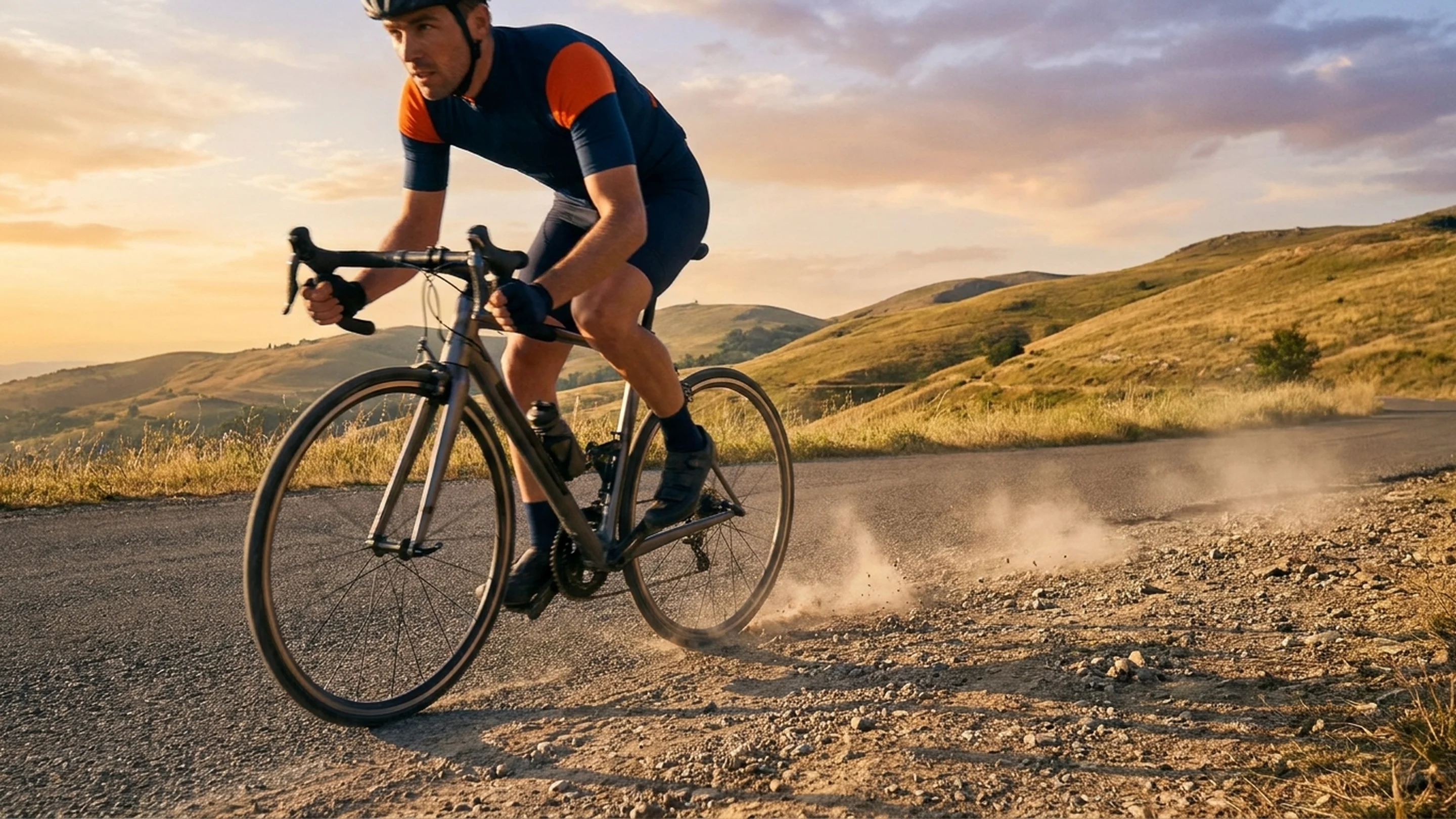
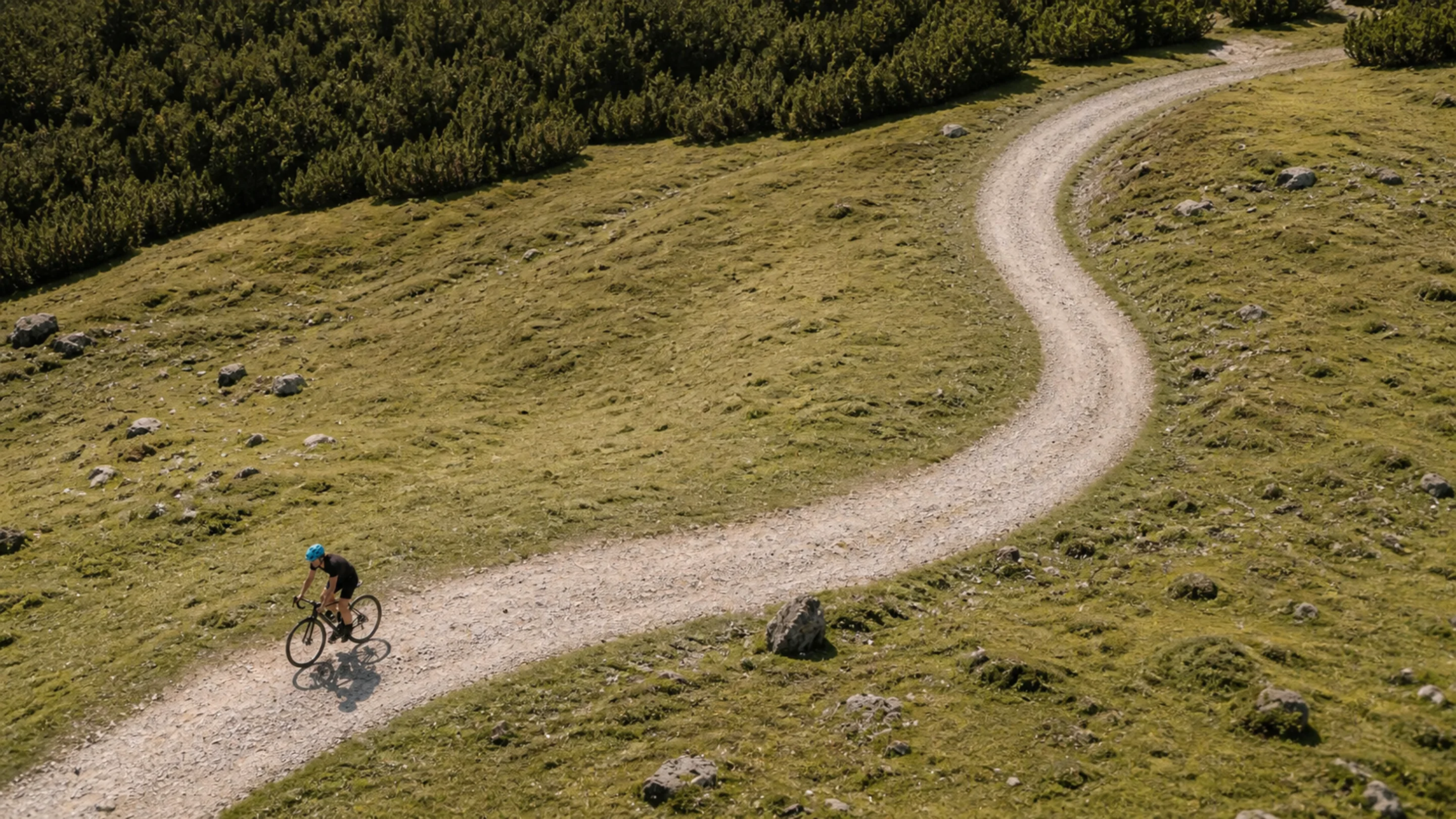
Gravel is not road with dirt on it. One ride asks a jersey to survive grit and to dump heat, and the fabric that does one well does the other badly. Choosing where each wins is the whole job.
One cloth, asked to do both jobs on the same ride.
Where the problem starts
Two Things Change During the Ride, and They Change on Different Clocks
Before any fabric talk: the reason a road kit disappoints on gravel is not quality. It is that two variables move independently across one ride, and a garment specified against either one alone gets caught by the other.
The two moving lines
Surface changes three times. Temperature changes twice. Every decision further down this page is placed against one of them, and usually against both.
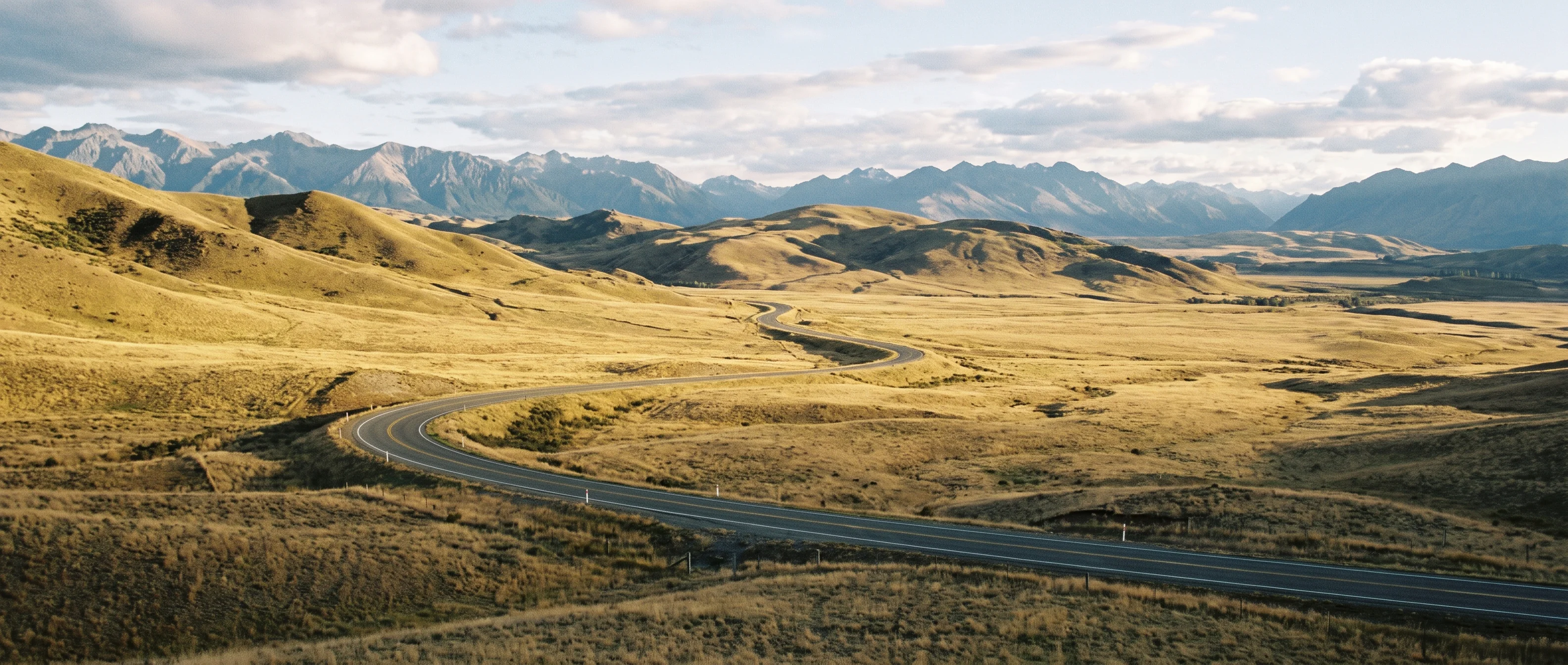
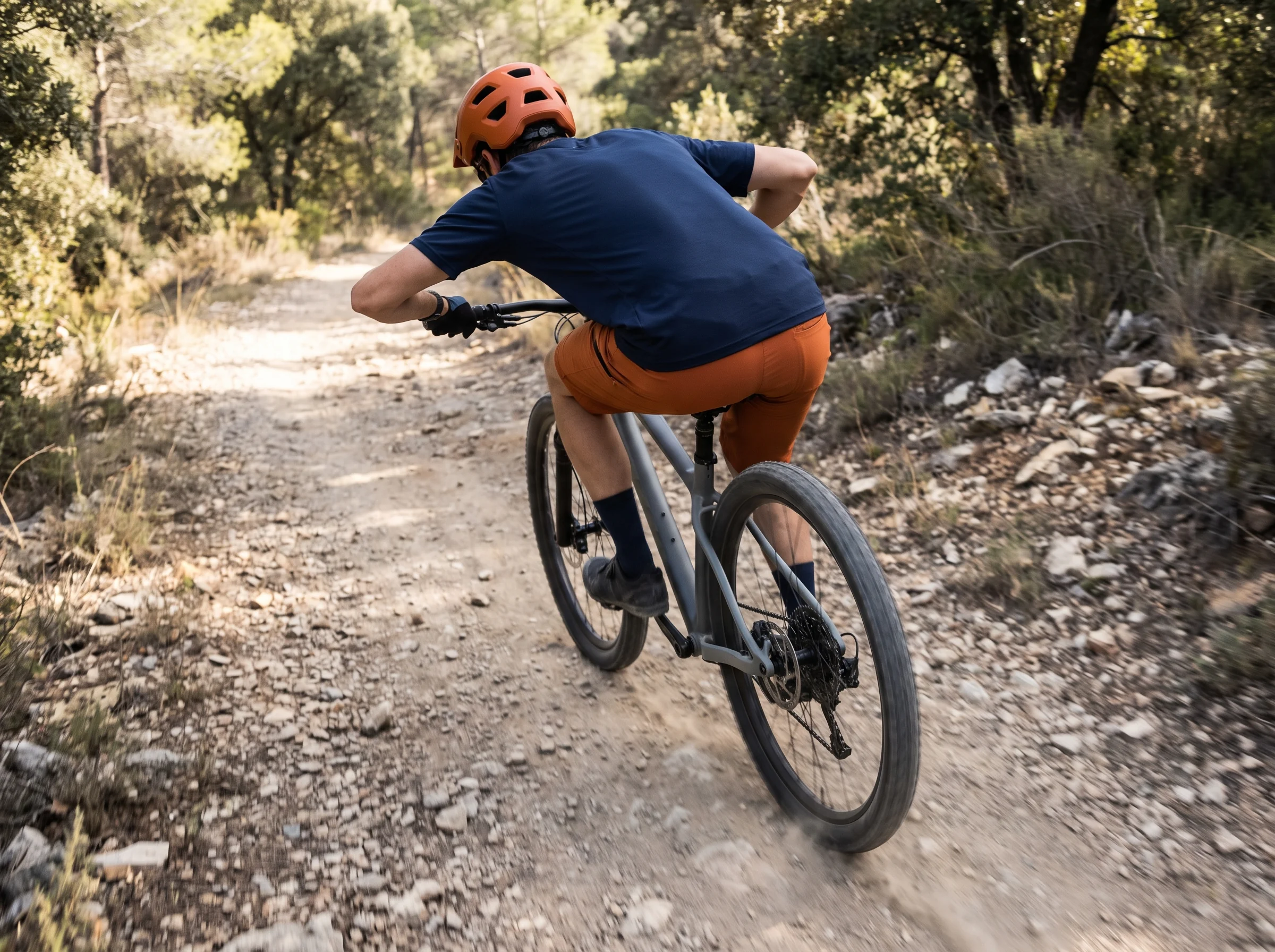
Surface, first clock: it changes under a wheel that did not slow down for it — three times in a ride, and never on schedule.
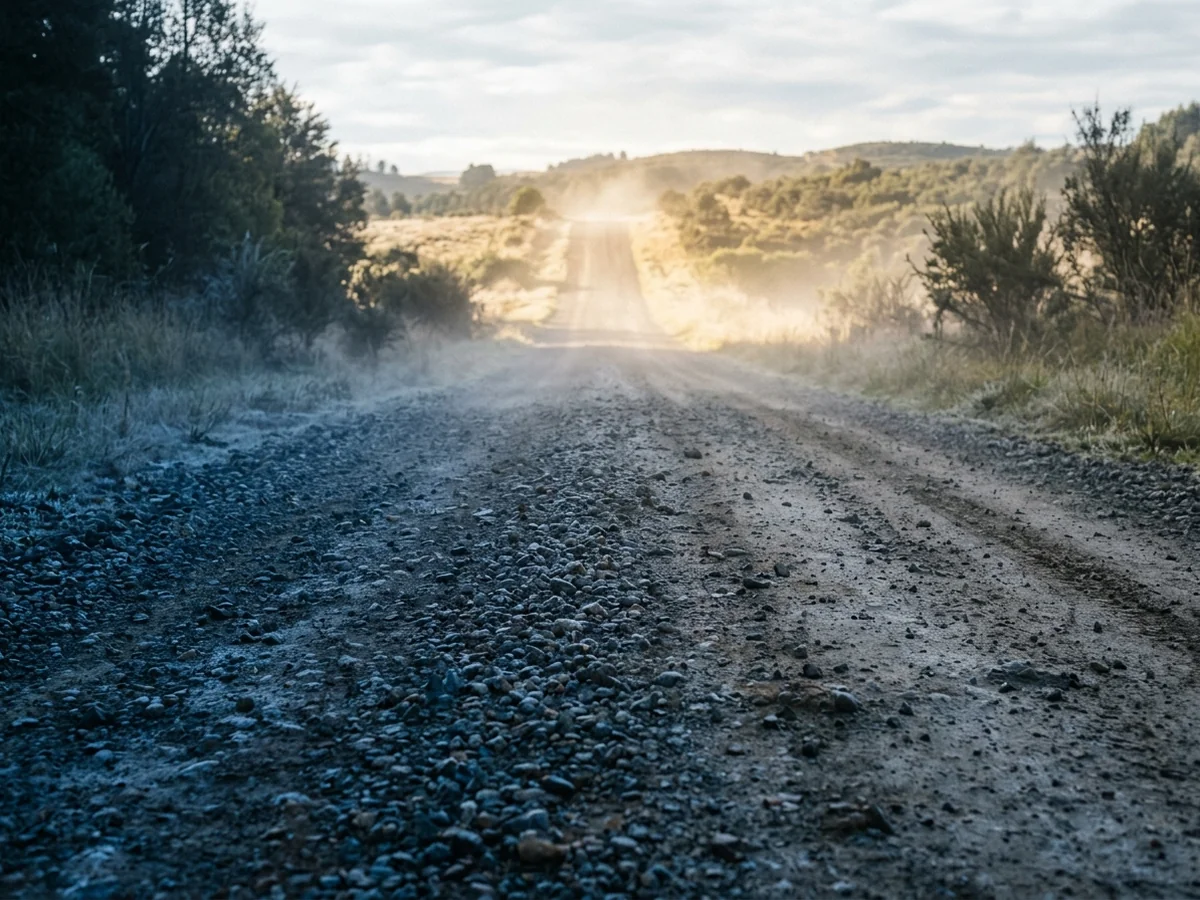
Temperature, second clock: cold shade and a hot crest in the same frame. It moves twice, and not when the surface does.
Surface
Temperature
The line that moves
What it does to the garment
Surface
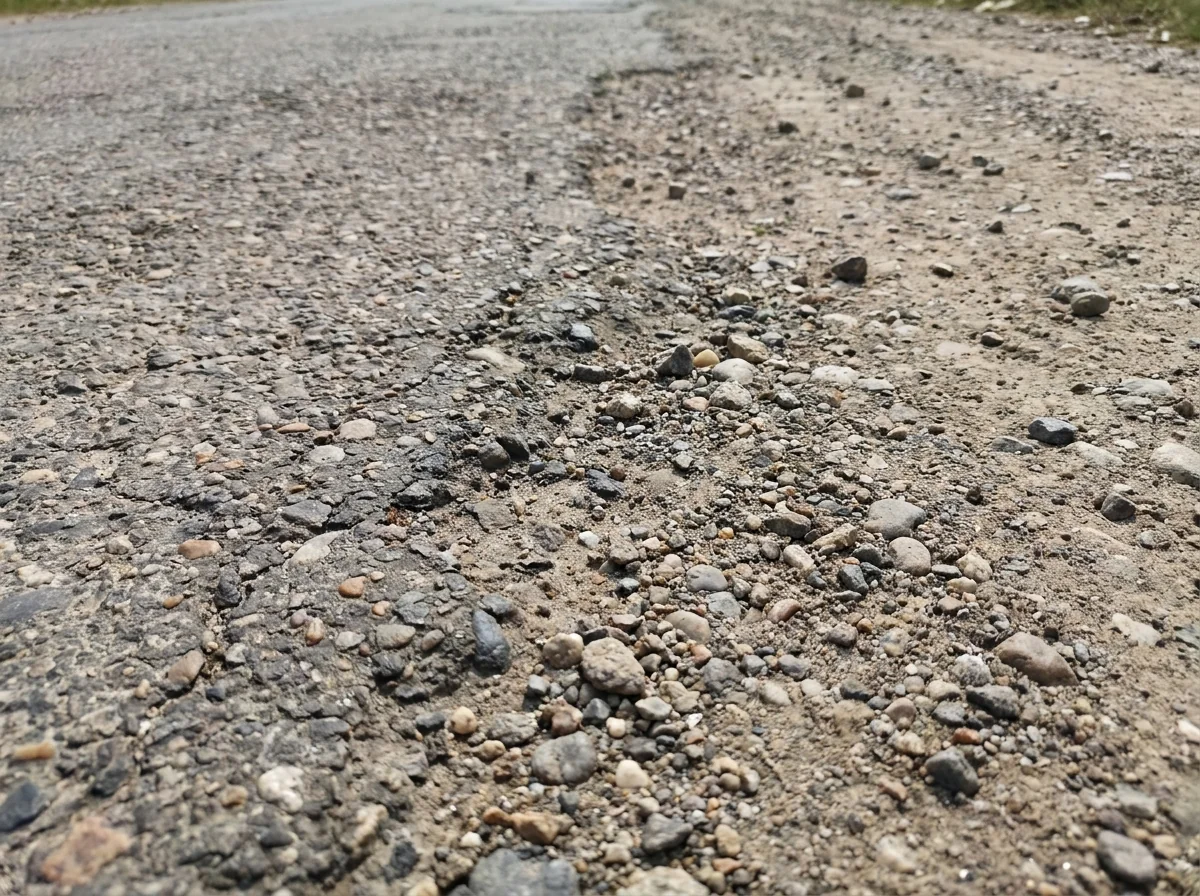
Tarmac, then hardpack, then loose stone. Every change puts grit somewhere new: into the weave, against the saddle contact area, up the back of the garment behind the wheel.
Temperature
A cold start, a hot exposed middle, a fast descent that undoes the heat. The same panel is asked to insulate and then to dump heat within a couple of hours.
The Fear That Brings Buyers Here
Three of them, and they are specific. The reinforced places go thin first. One day's temperature swing splits a kit's usefulness in half. And the sample that arrives is a road pattern in a different colour.
Why the Two Cannot Be Solved Separately
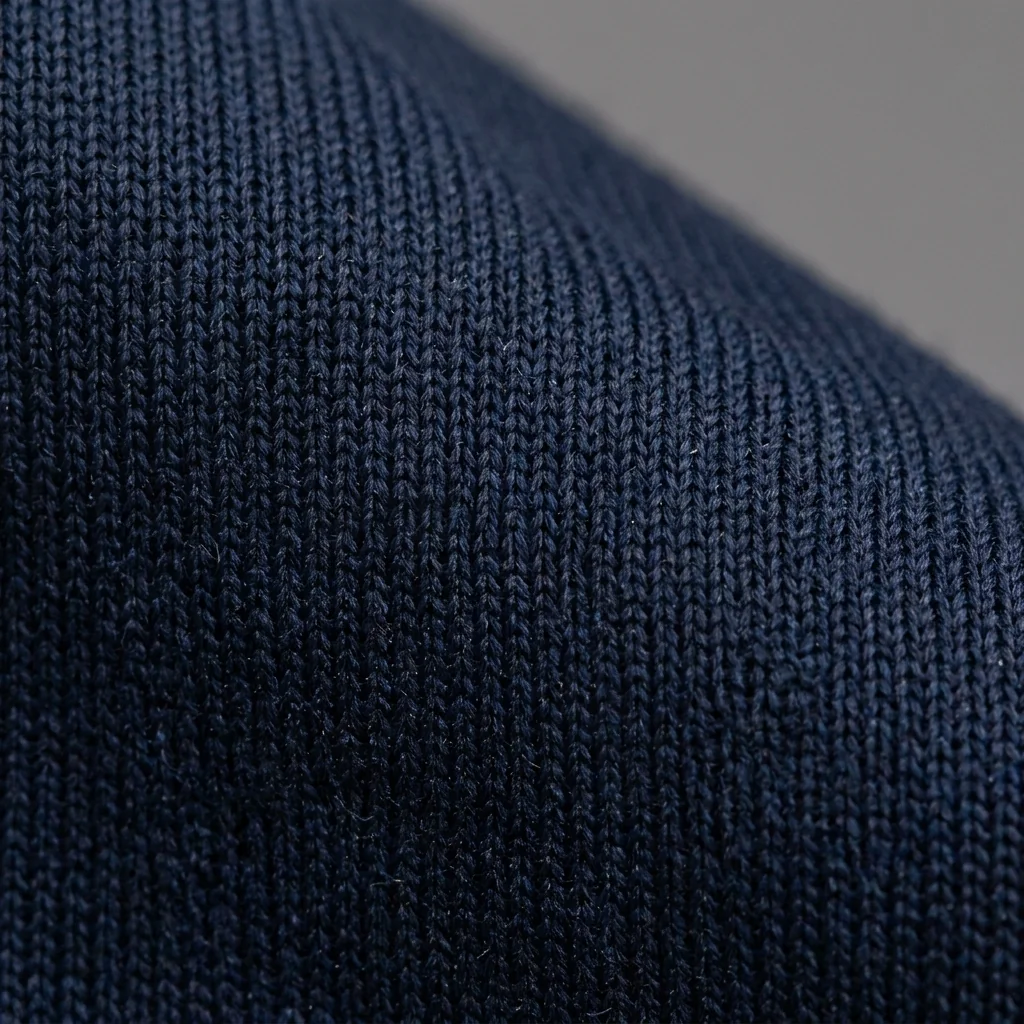
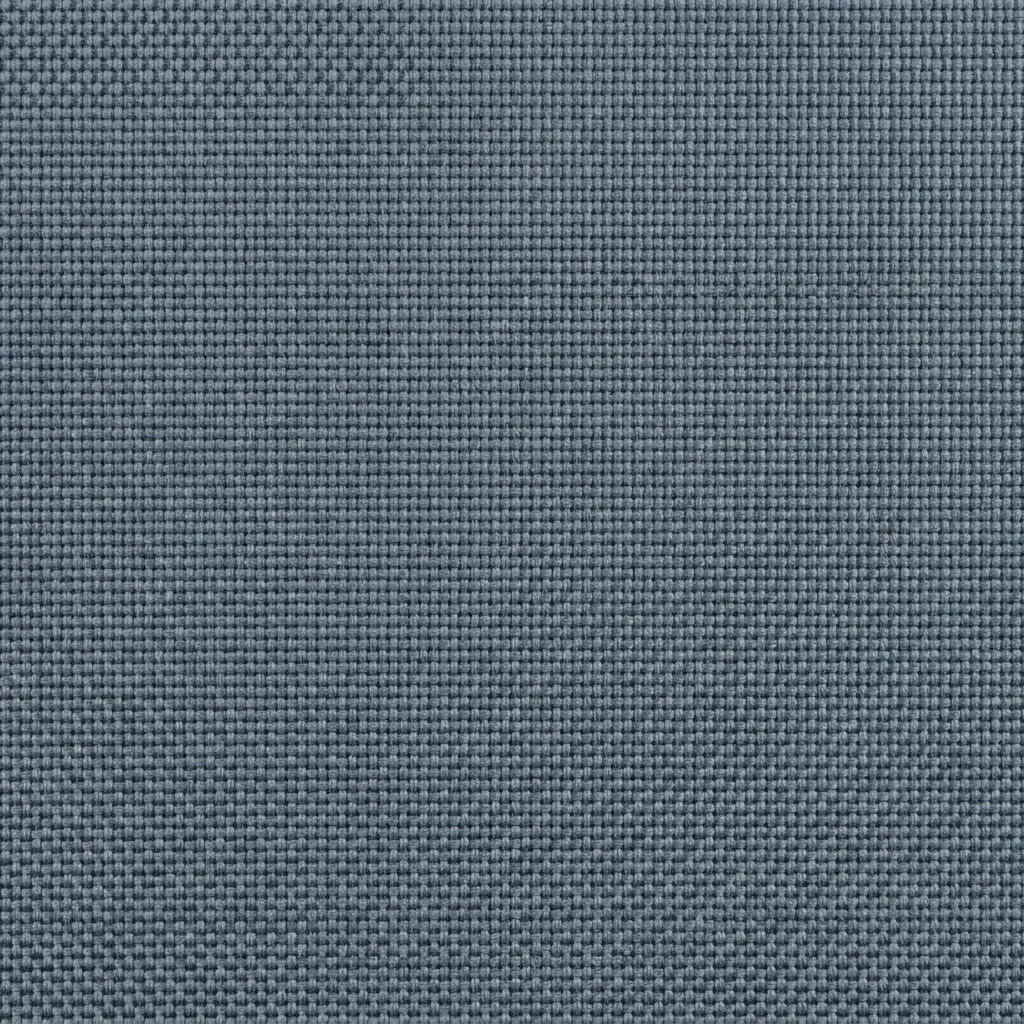
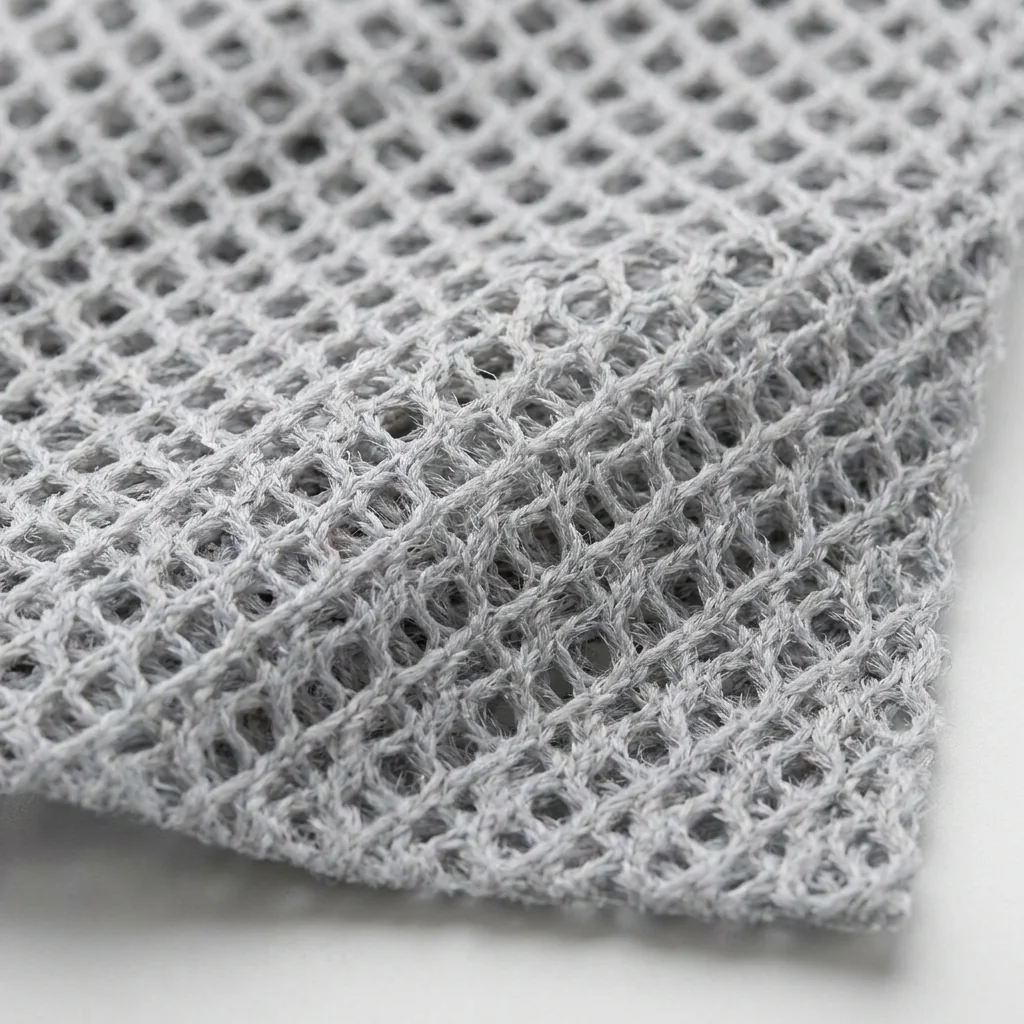
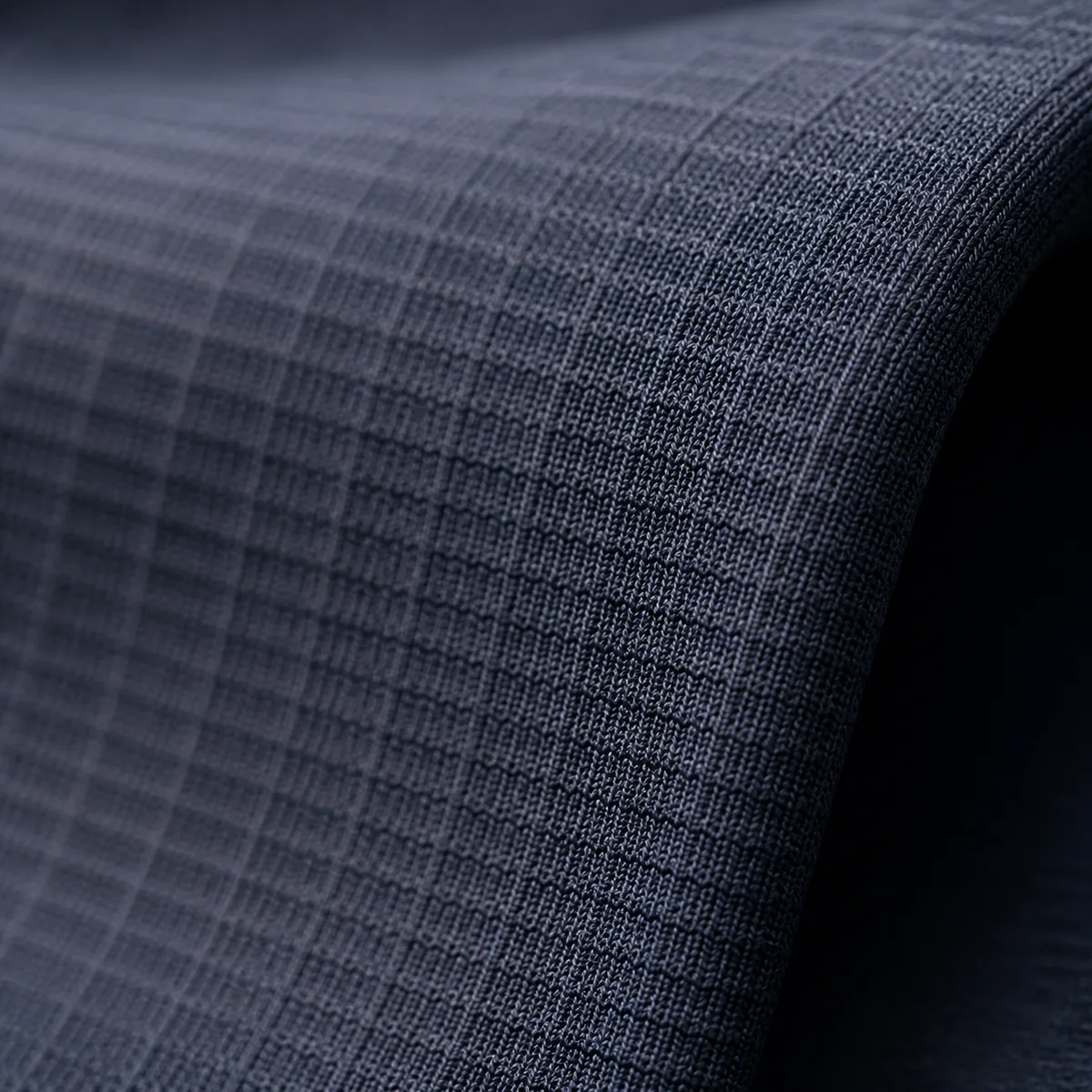
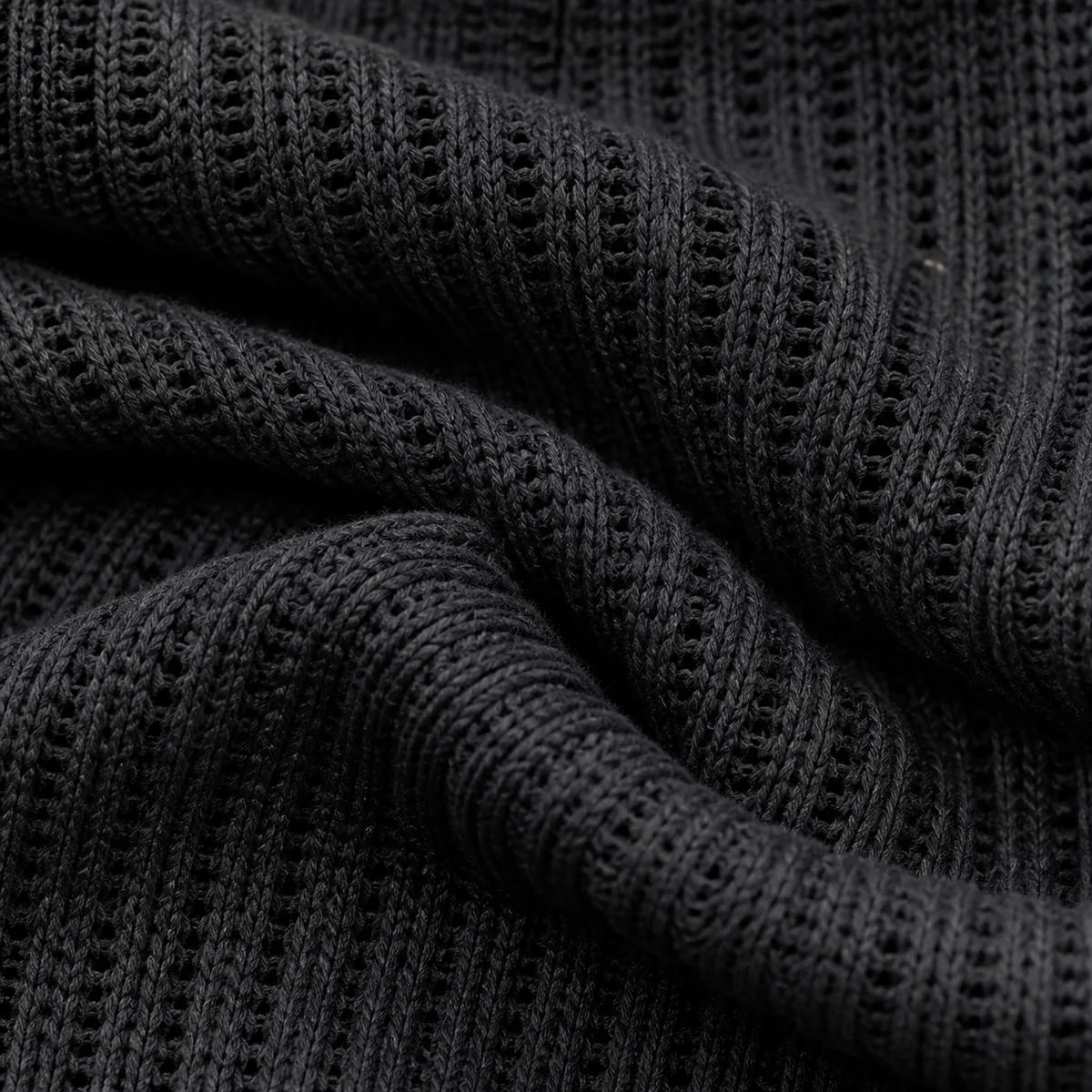
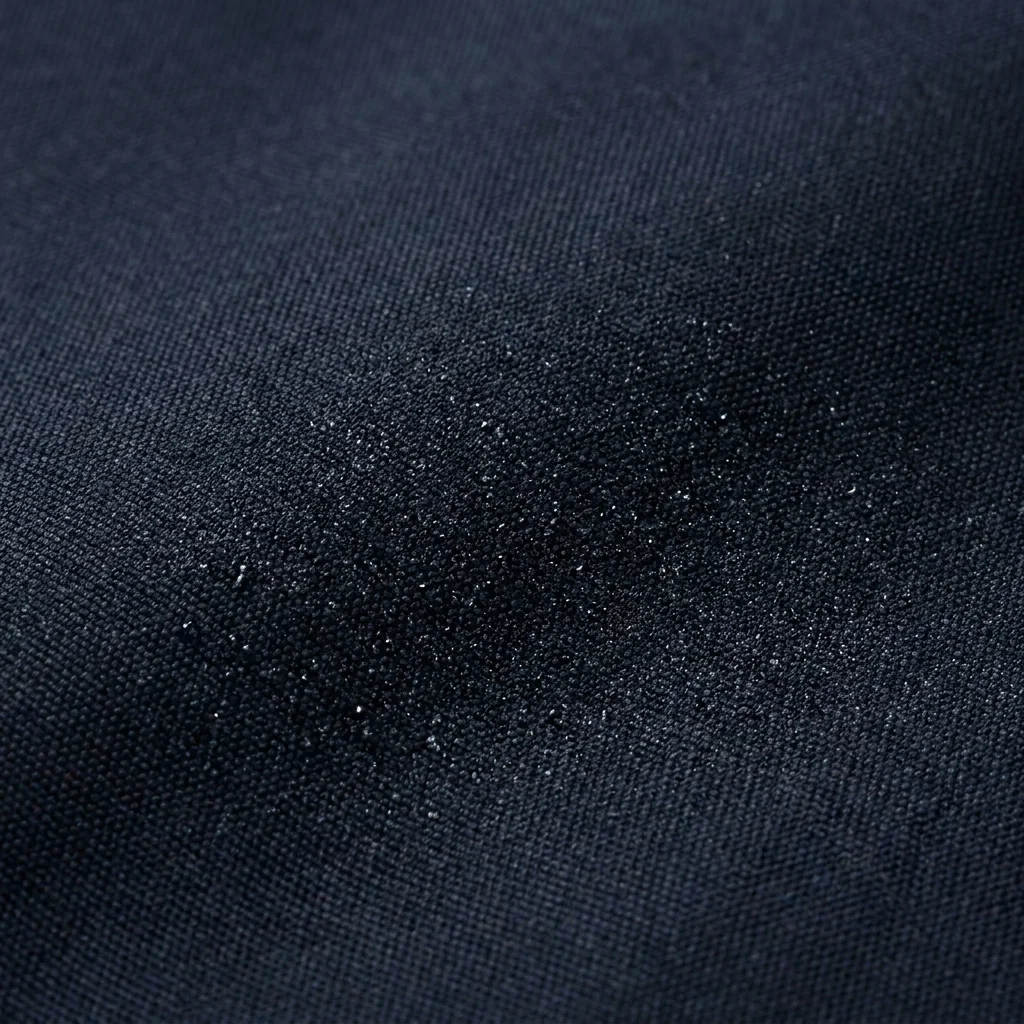
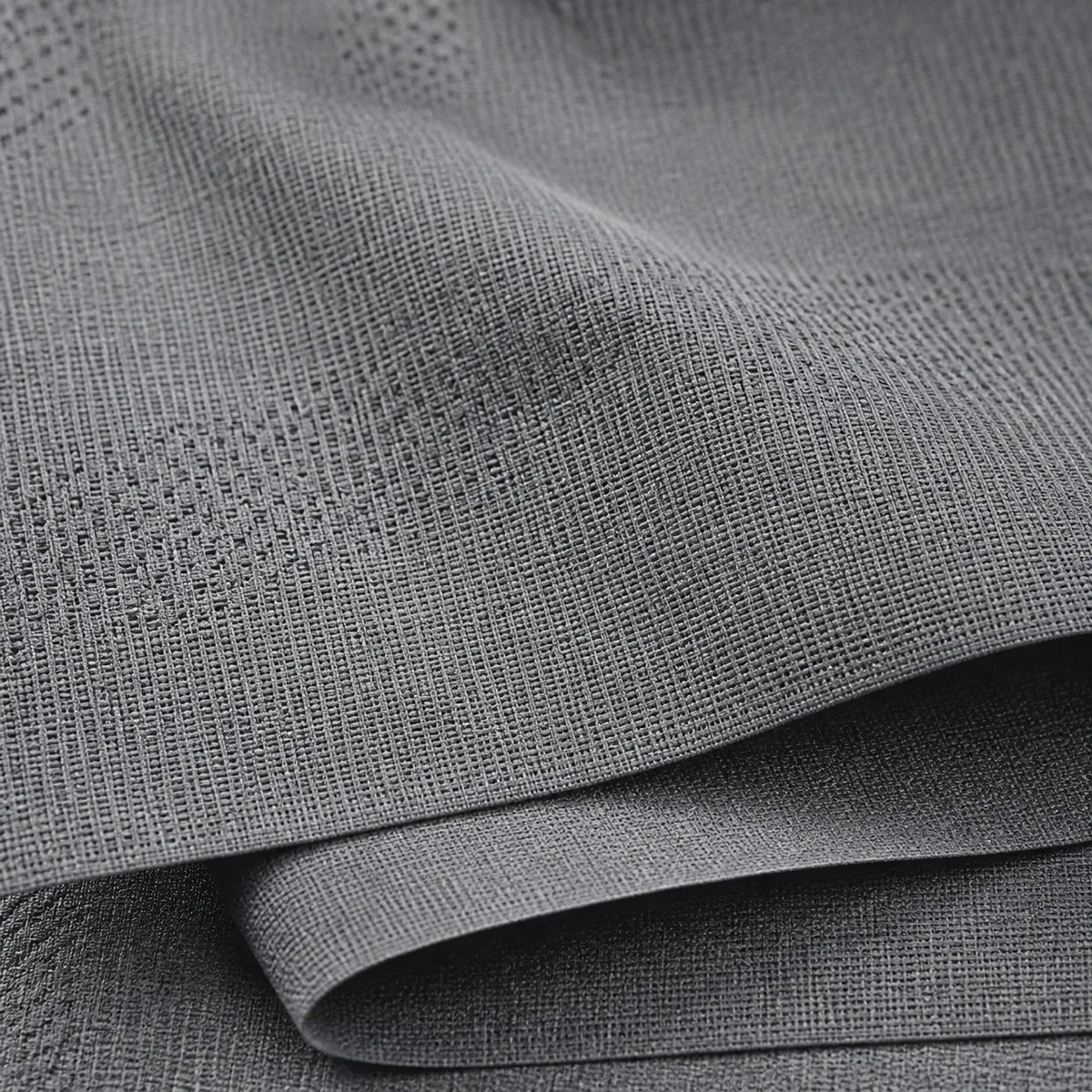
A tight weave survives grit and traps heat. An open knit sheds heat and abrades early. Neither is a defect; each is the other one's cost. Everything below is about placing that cost where the ride is least likely to collect it.
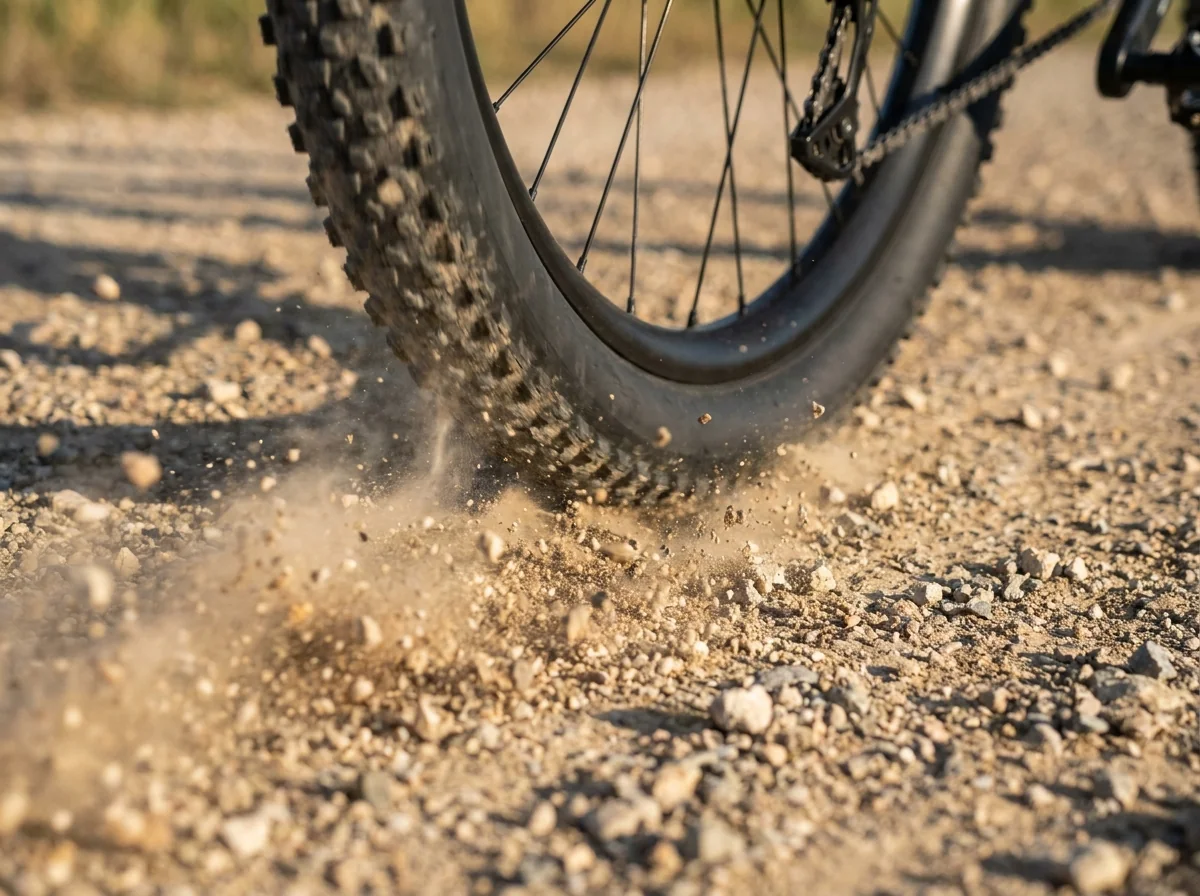
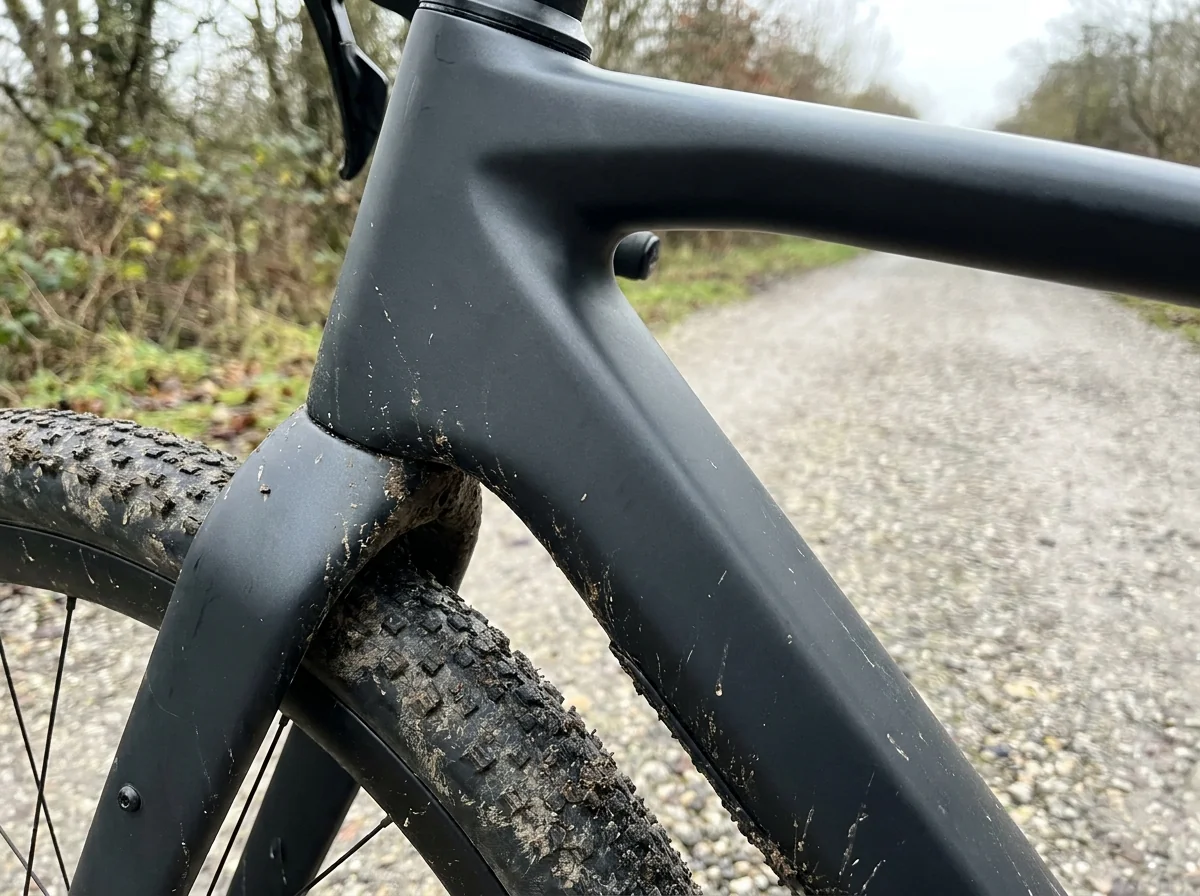
The abrasive itself: loose stone over hardpack, at the height a garment meets it.
Five places, and only five
Where a Gravel Pattern Actually Departs From a Road One
Five places, and only five. Anything that does not change between the two disciplines is left out of the table on purpose — padding it with a sixth row would make the real differences harder to find.
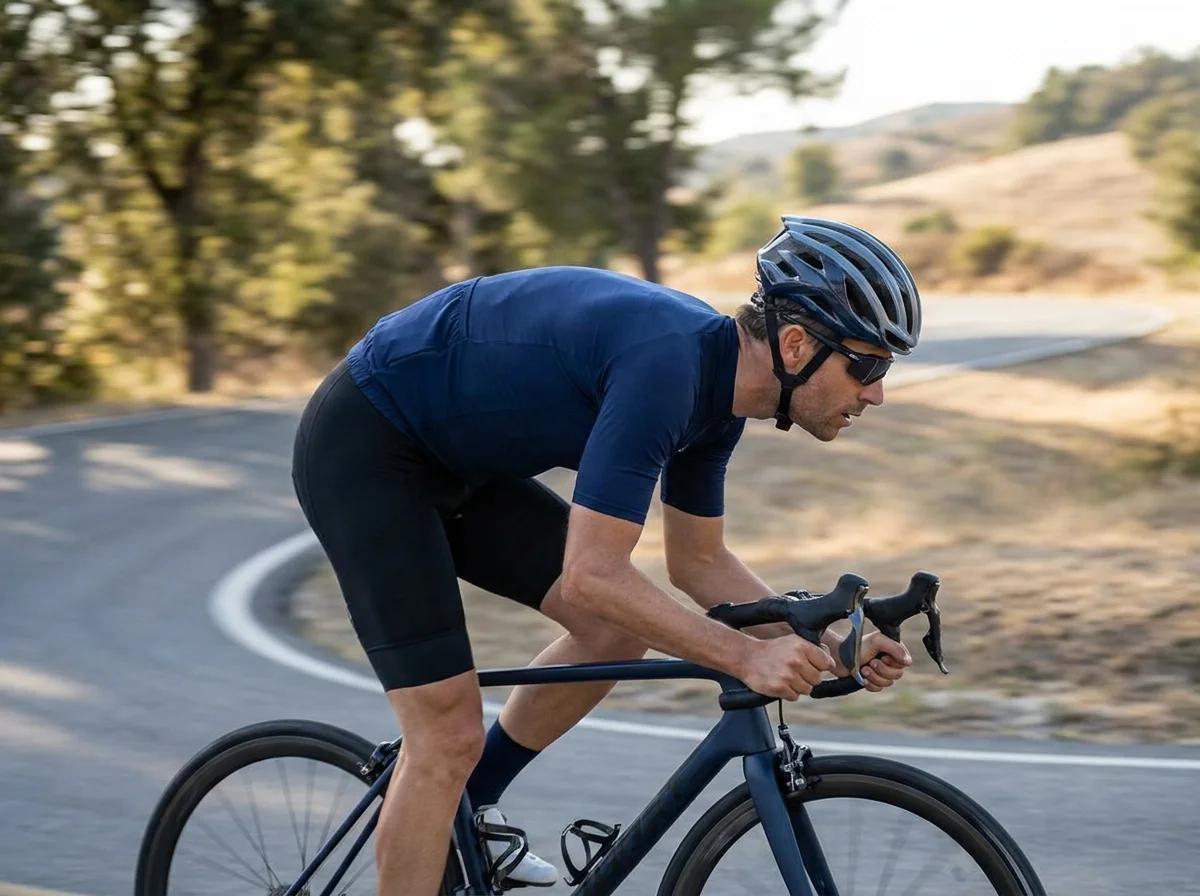
Road position
Road position: low and long, and the shoulders stay where they were put.Gravel position
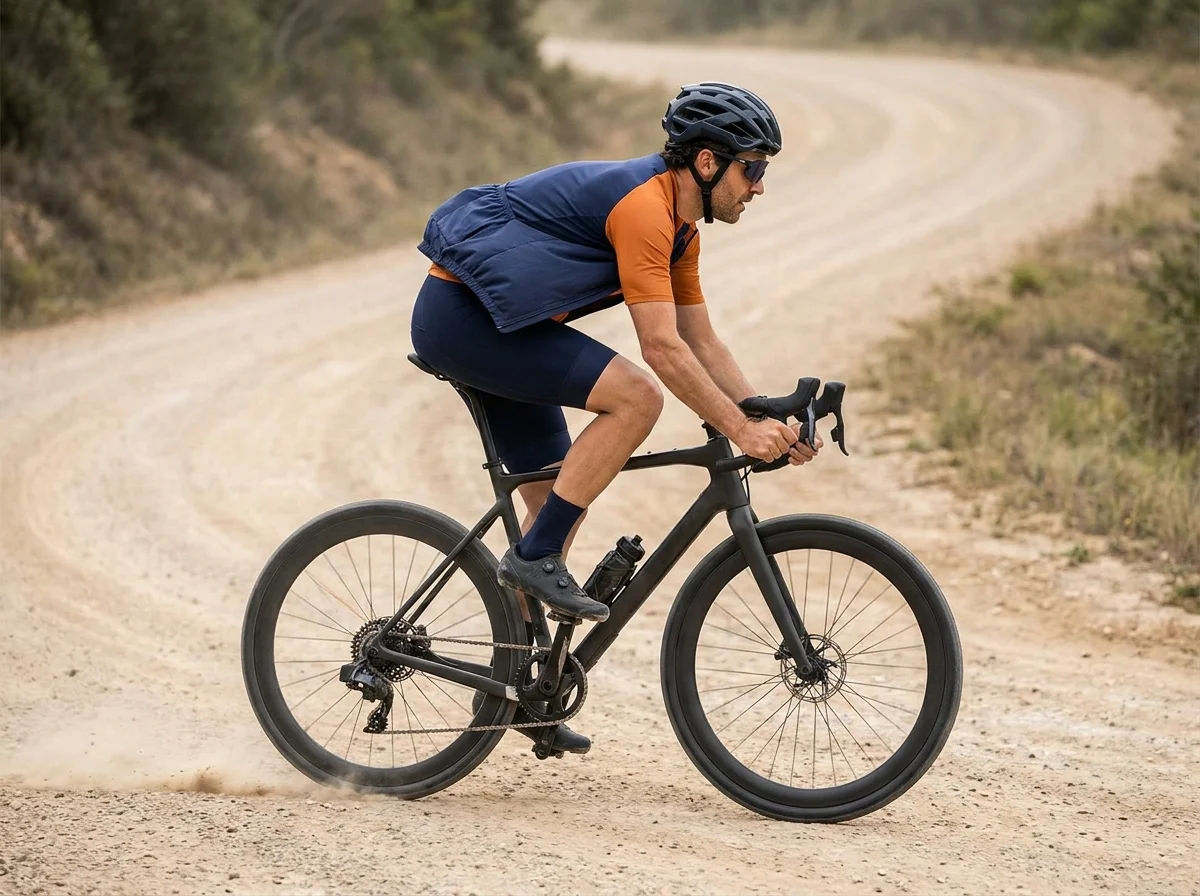
Gravel position: more upright, and the rider does not stay still in it.MTB position
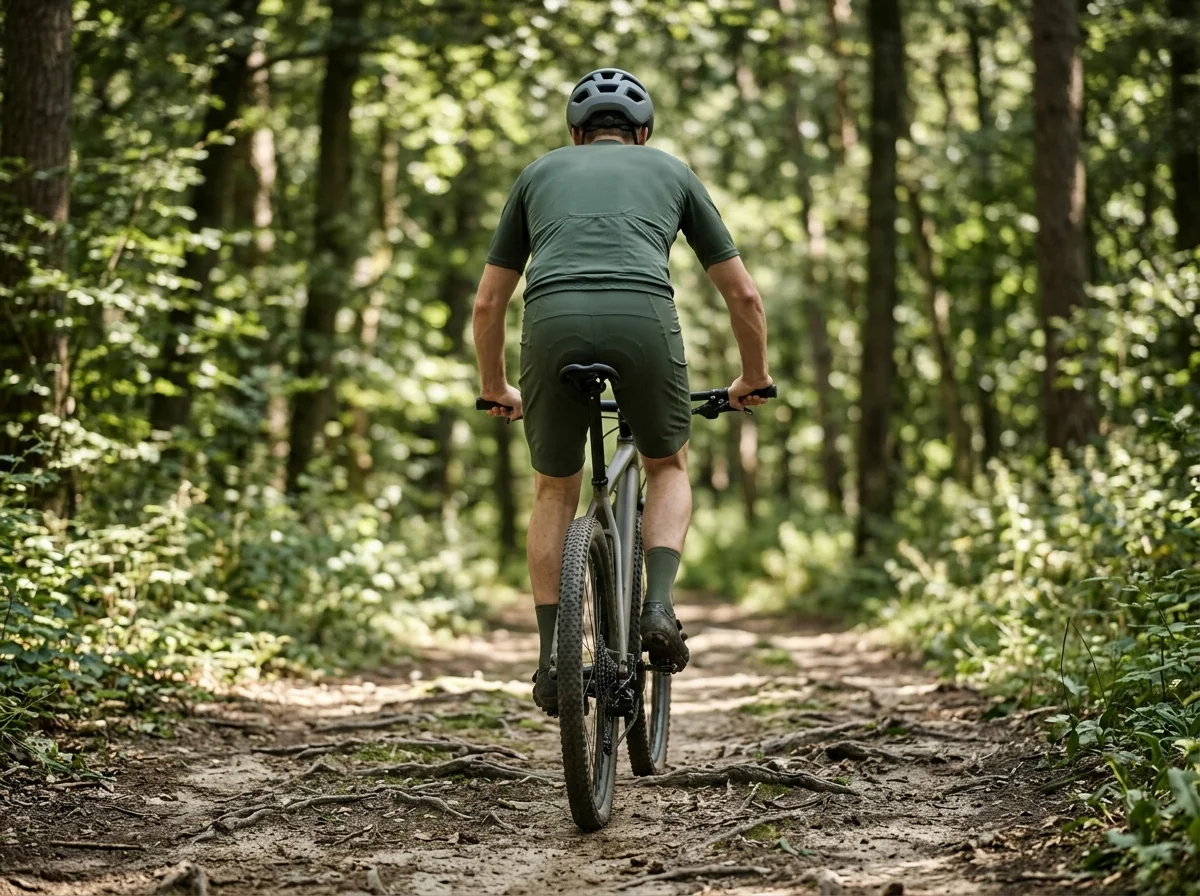
MTB position: upright, and the movement through it is large and abrupt.
Noticeably more upright, and the rider moves on the bike far more often
Upright with large, abrupt movement
Fabric weight band
Lighter end, chosen for airflow at speed
Split within one garment: heavier where grit lands, lighter where heat leaves
Heavier, chosen for impact and snag
Pockets and carrying
Three rear pockets, reachable at speed
Deeper and higher, because the rider stands and the bike is loaded
Often none — a pack carries the load
Reinforced places
Rarely needed
Saddle contact seam, cuffs, rear hem
Shoulders, elbows, hips
Hours the pad has to work
Two to four, at a steady position
Four to twelve, with the rider shifting position constantly
One to three, standing often
The Row Buyers Underestimate
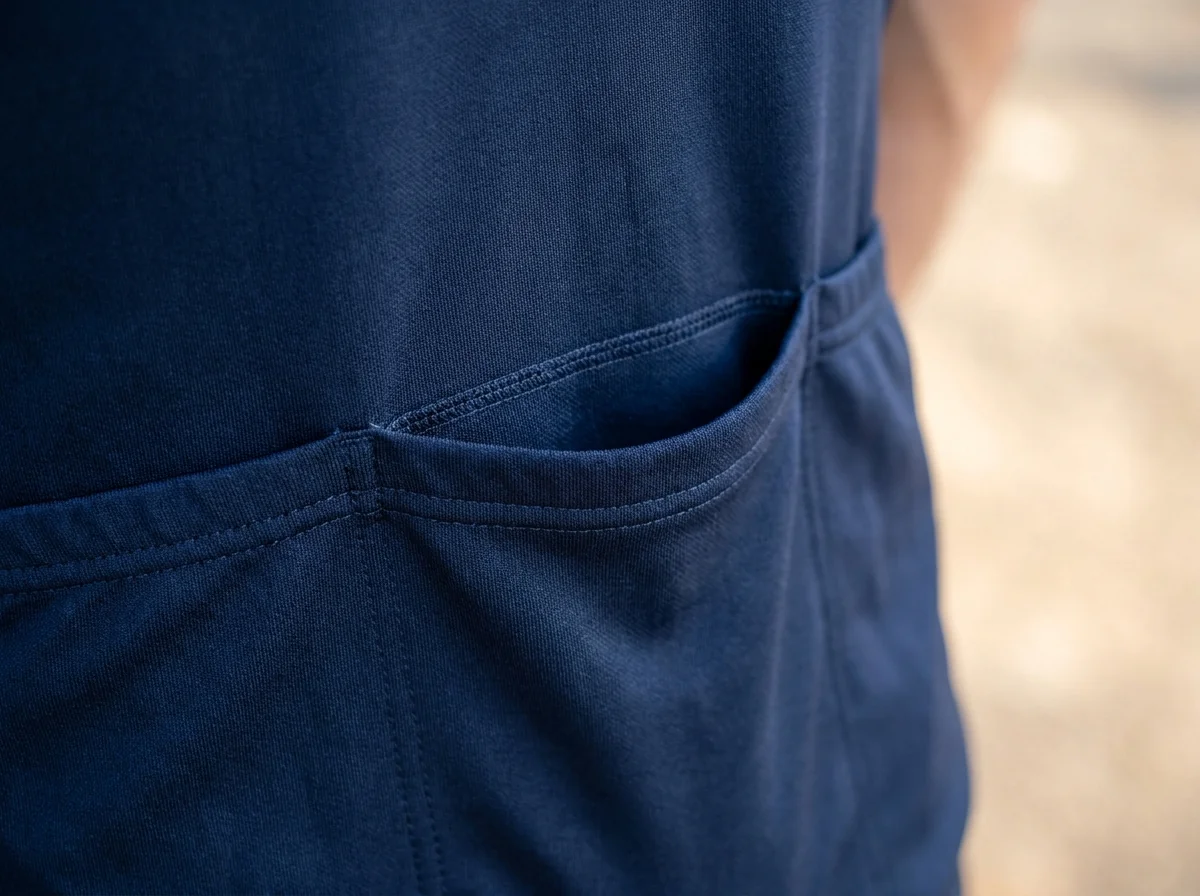
Carrying. A road jersey's pockets are placed for a rider who stays seated. On gravel the same pockets sit under a hand every time the rider gets out of the saddle, and a loaded frame bag rubs exactly where the lower pocket edge falls.
The Row Buyers Overestimate
Reinforcement. It is the row everyone wants to maximise, and maximising it is how a jersey becomes a warm jersey. The three places worth reinforcing are named further down; beyond those three, added material is added heat.
One ride, three stops
A Day on Gravel, and the One Stop That Decides the Spec
Three stops in a single ride. Two of them are straightforward and get a line each. The third is where the venting decision is actually made, so it gets the rest of this section.
Stop one
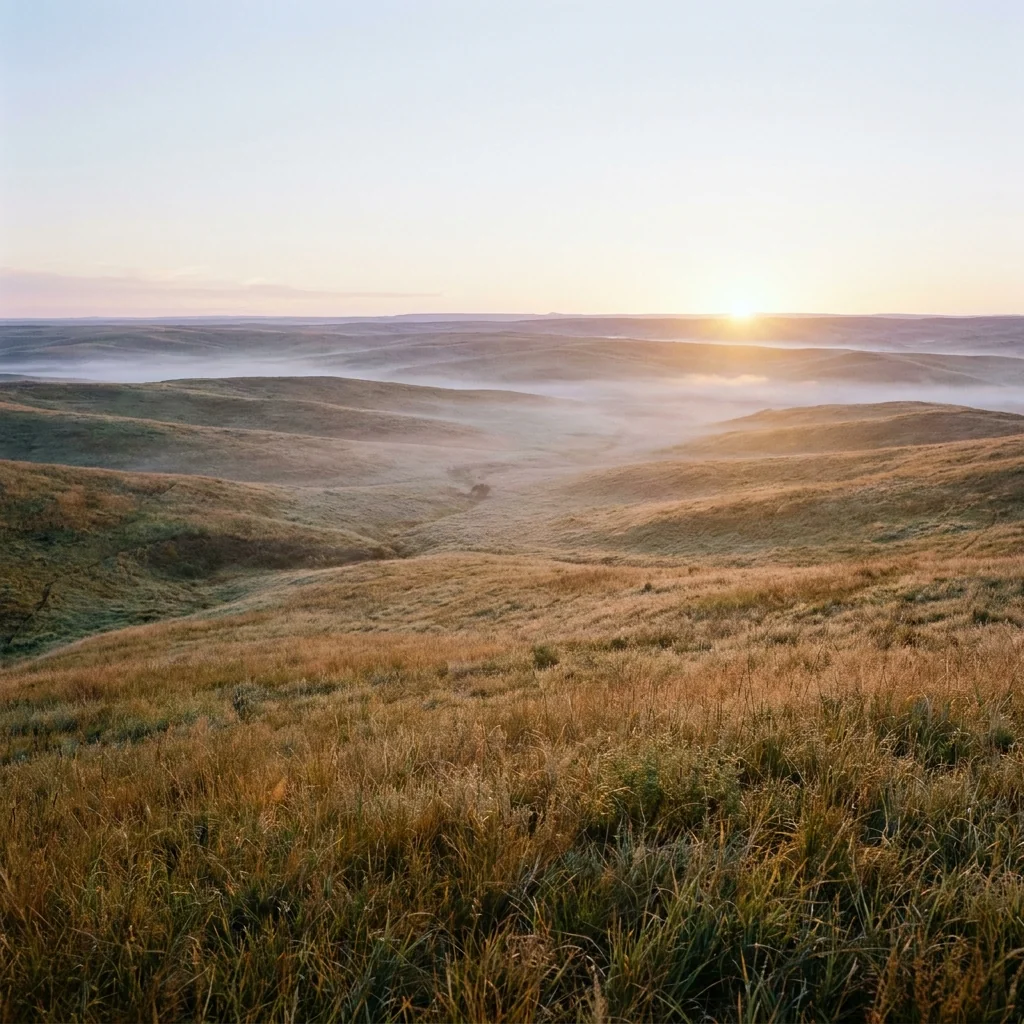
Cold start
Air still cold, body not warm, nothing sweating yet. A base layer and a removable outer layer answer this stop completely, and it needs no further specification.
The two pieces that answer a cold start: a base layer, and the removable layer above it.
Stop two
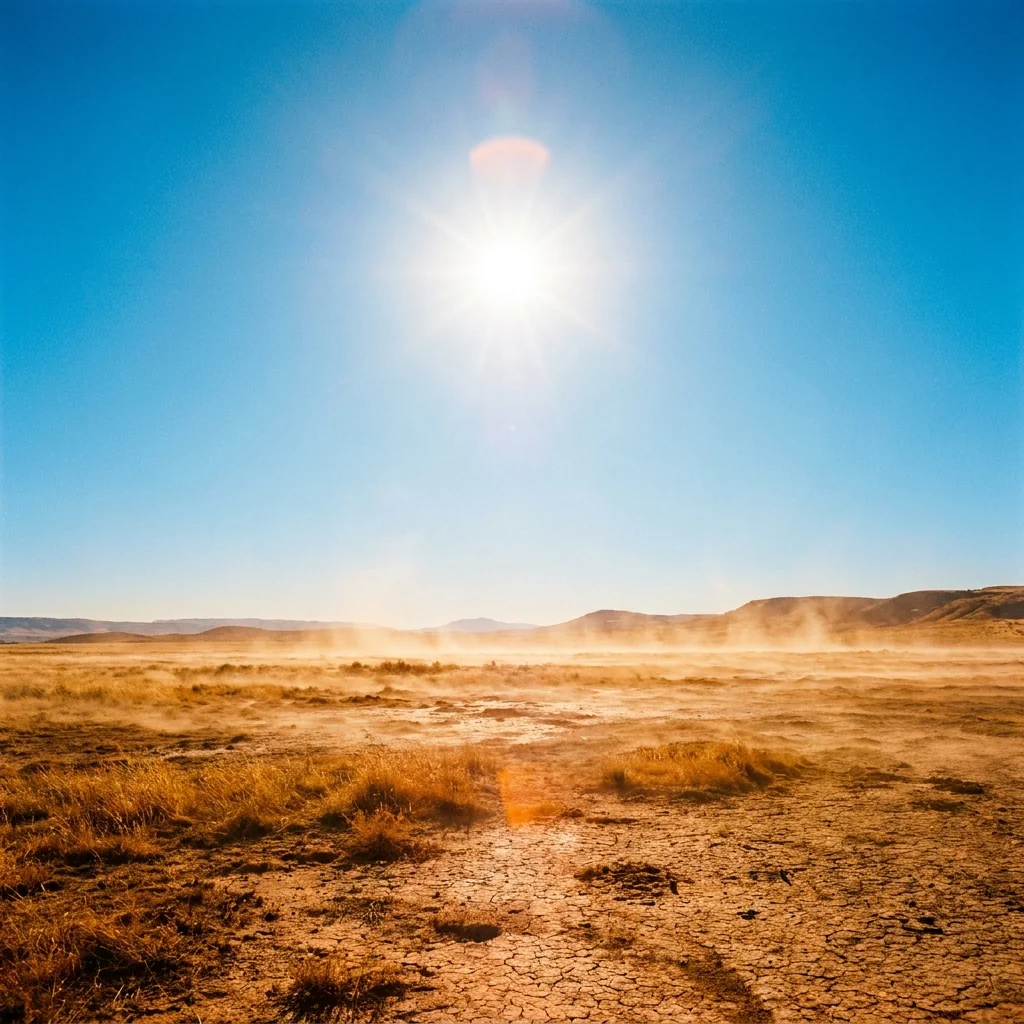
Exposed middle, hot and dusty
How to read this plate. A solid leader names a vented zone. A dashed one traces a route dust actually takes. Choose a marker on the photograph and the detail it belongs to is brought forward beside it.
Side panelUnder the armCentre back, below the pocketsCollar openingPocket mouthsUp the back
Solid leaders mark the vented zones. Dashed ones trace where dust actually gets in — which is not the same thing as where it lands.
Markers 1 to 3 on the photograph pick out the item they belong to.
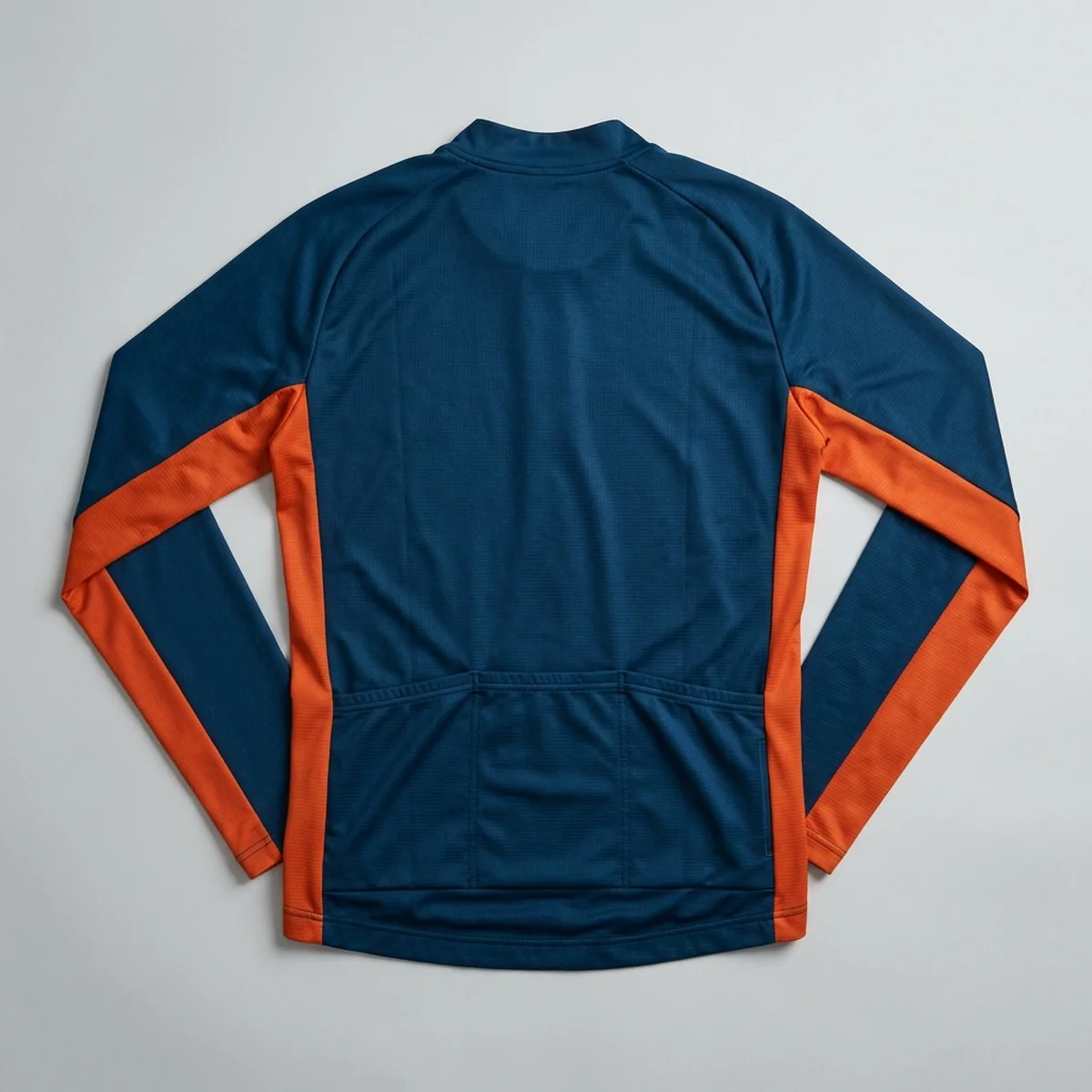
Where the venting goes. Side panels, under the arm, and the centre back below the pocket line. Those three sit out of the grit path and still move air when the rider is upright.
Where the dust gets in. Through the collar opening and the mouths of the pockets when the surface is dry and loose, and up the back of the garment behind the wheel. Not through the weave itself — that is the part buyers usually guess wrong.
Which weight the panels take. Within the 140–230 gsm band, the vented zones take the light end and the body stays mid-band. One garment, two weights, chosen per panel rather than per garment.
What washing does to it. The vented zones go thin first, because grit sits in an open structure and every wash drags it across the yarn. A jersey almost never fails in the middle of a panel; it fails where the structure was most open.
140–230 gsmThe band a gravel jersey is specified inside — split per panel, not chosen once for the whole garment.
When we say this is the wrong plan
If the event sits mostly above the tree line in cold wind, or the roster needs one garment to double as a winter piece, a heavily vented jersey is the wrong specification and we say so at sampling rather than after delivery.
Stop three
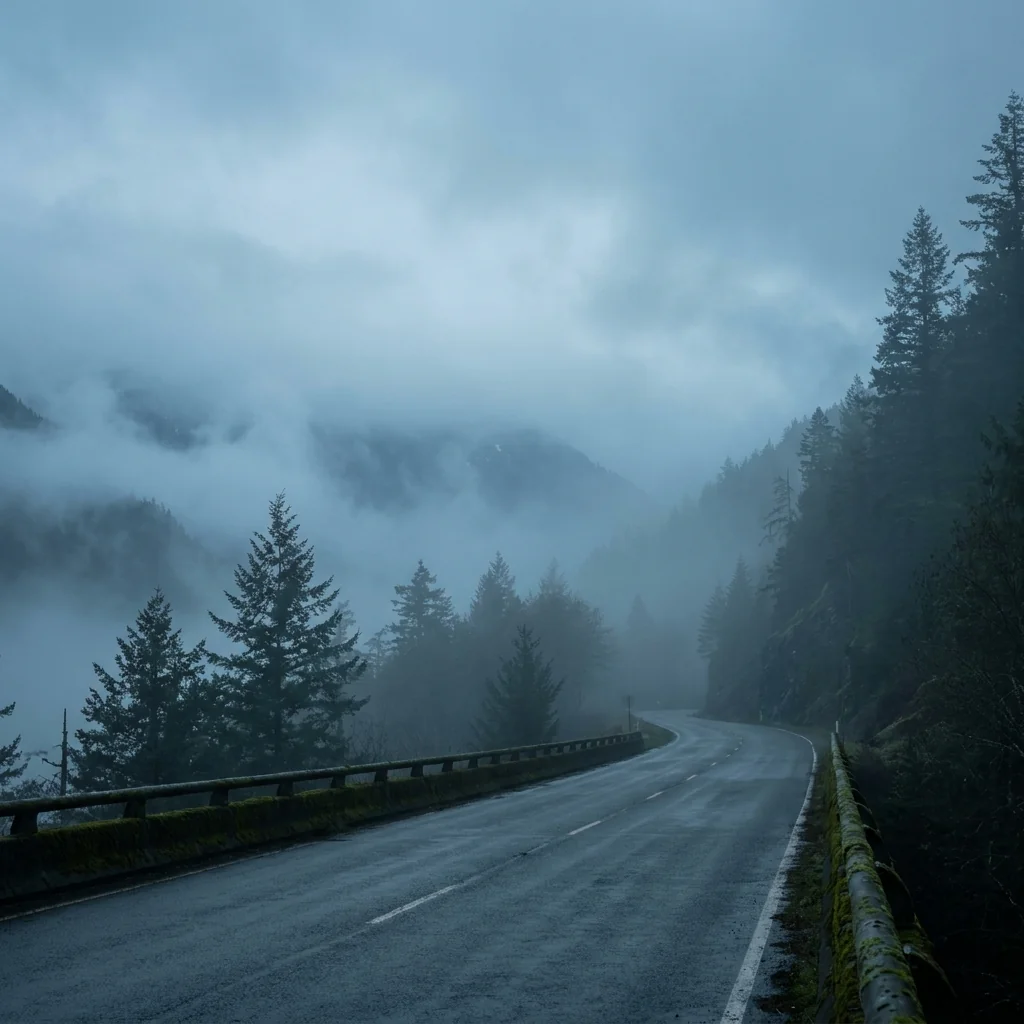
Fast descent
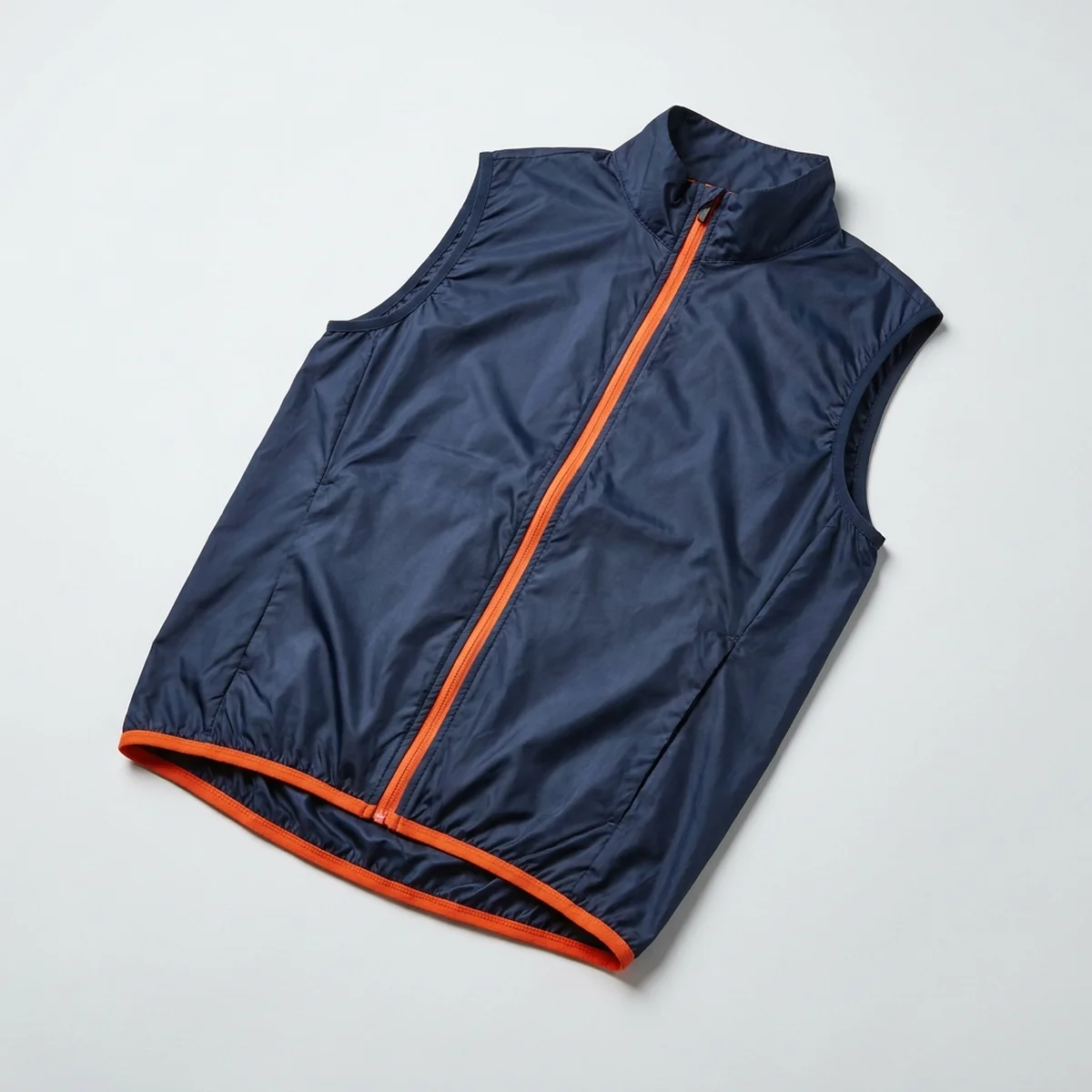
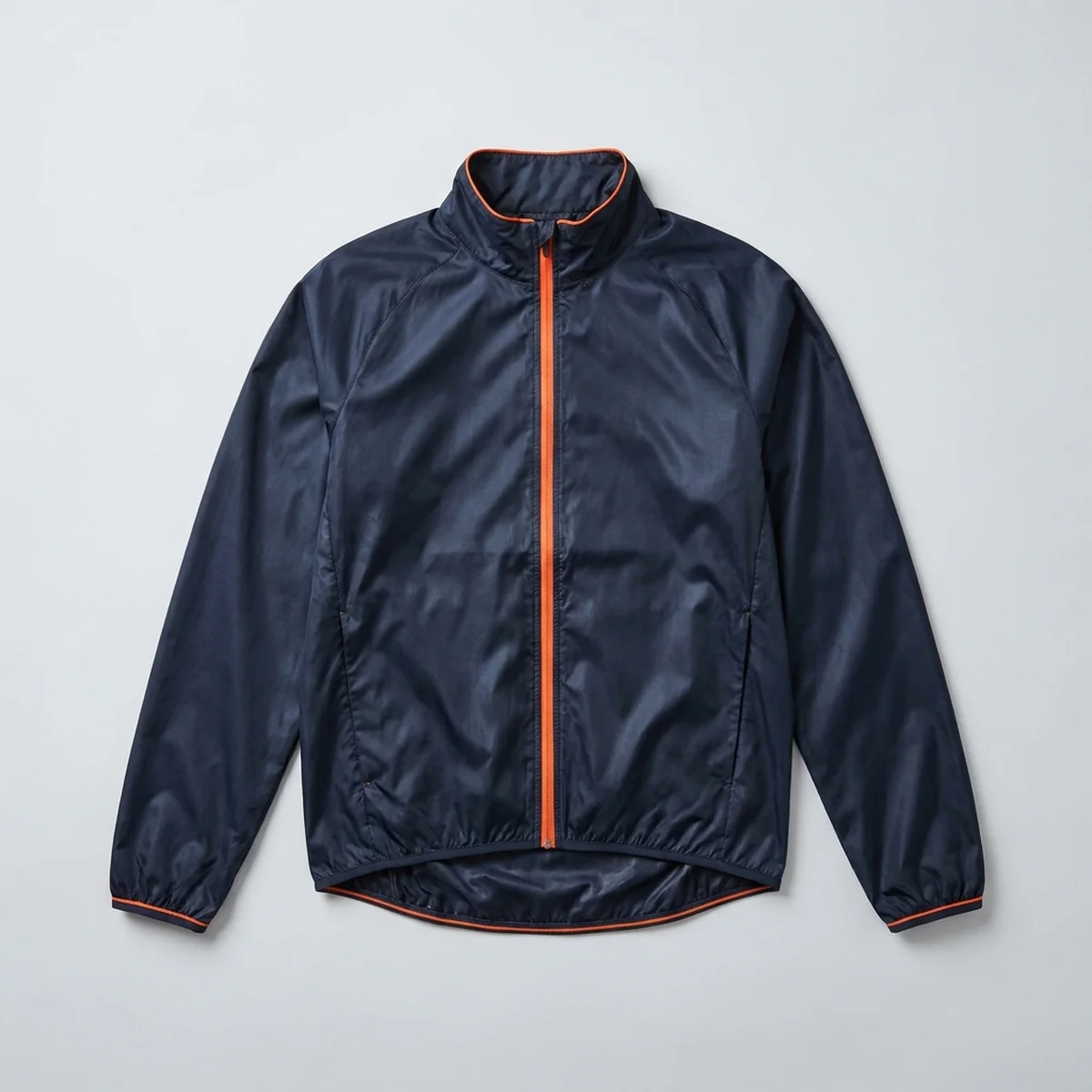
Warm body, cold moving air, sweat already in the fabric. A packable outer layer that lives in a pocket answers it. Also settled.
Light enough that it is still in a pocket when the descent starts.
The Upright Position, and the Three Places It Changes the Pattern
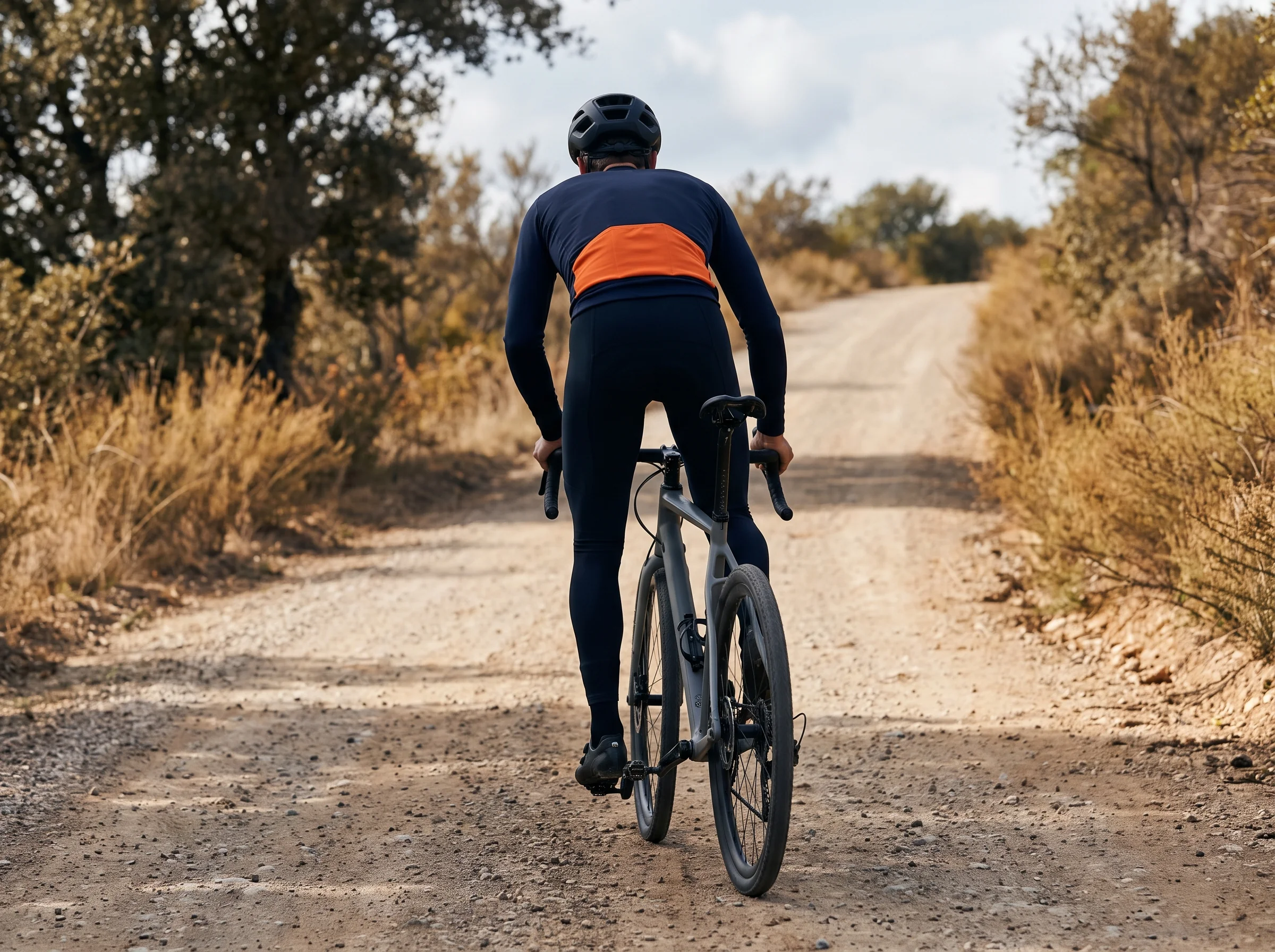
A gravel rider sits more upright than a road rider and moves on the bike far more. That single difference lands in three specific places, and none of them is a matter of making the garment bigger.
Where the neighbouring answers live
How a pattern is developed and how it moves through sampling is set out on Riding Fit & Pattern Development. What follows here is the conclusion, not the method.
The row below that buyers feel first: the shoulder and upper back, at the moment the hem wants to lift.
Shoulder and upper back
Room to move through the stroke without the hem lifting. Movement allowance, not a larger size.
Front-to-back length
A shorter front and a longer back than a road pattern, because the torso is closer to upright and the back is still the part exposed to spray.
Armhole position
Set so the sleeve does not drag across the shoulder every time the rider stands.
What We Will Not Put a Number On
Allowance figures. A percentage published on a page is not a fit, and the honest version is that these three are set on a sample, on a body, against your own chart if you have one. We also make no claim to have tested a pattern across body types.
Where the Sizes Start
Our own base chart runs XS–3XL in separate men's and women's patterns. If your club or brand already publishes a chart your riders order against, send it and development runs to yours instead.
XS–3XLBase range, in separate men's and women's patterns — or your published chart instead of ours.
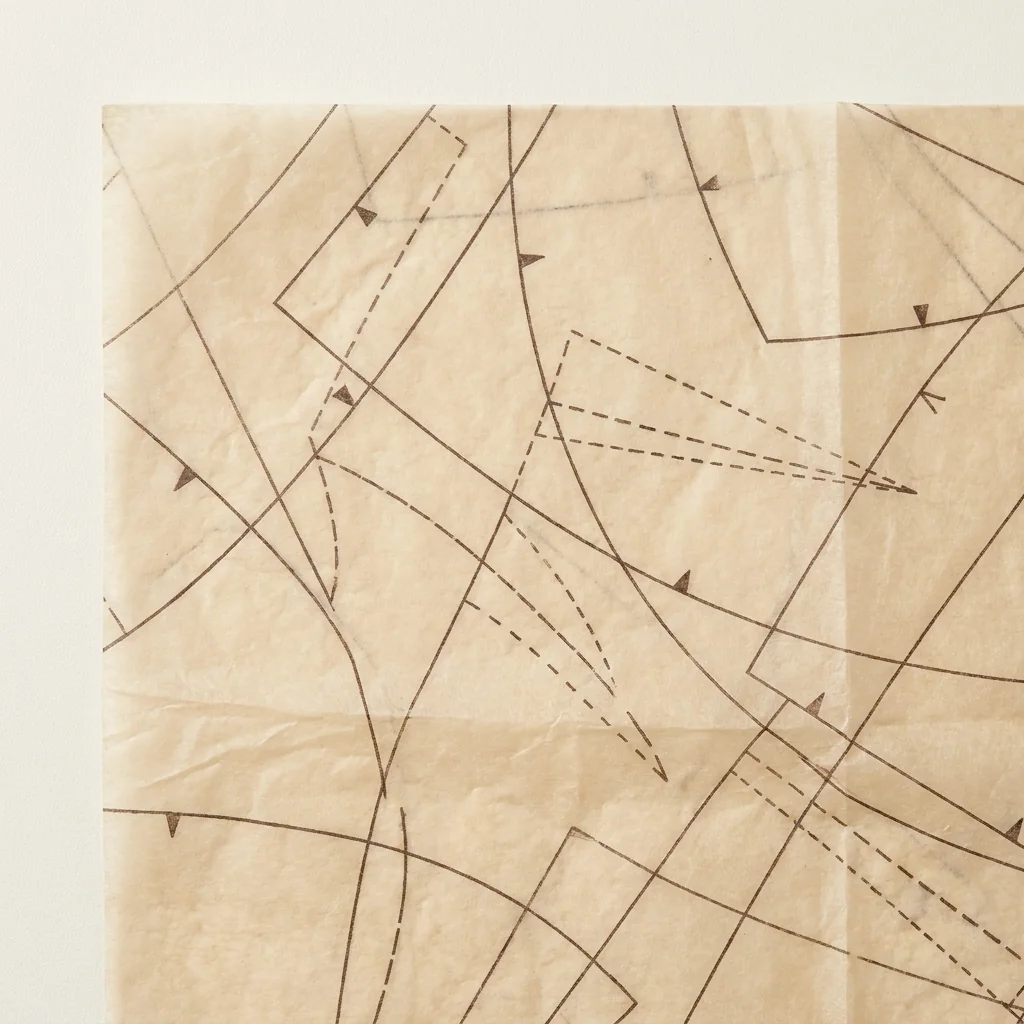
Where the three changes are actually made: on the panel, before anything is cut.
One family, three working weights
Three Weights, and What Each One Gives Up
One family of fabric, three working weights. The useful question is never which is best — it is which one you are willing to pay the cost of, and the cost is stated for each.
Where the neighbouring answers live
How a fabric is developed, sourced and approved is on Custom Fabric Development. This section is only about choosing between the three.
88/12
Nylon to spandex, 88 to 12.
90/10
Nylon to spandex, 90 to 10.
91/9
Nylon to spandex, 91 to 9.
Tier
Where it goes
What it gives up
Light, toward 140 gsm
Vented zones: side panels, under-arm, centre back
Abrasion life. It is the first place a garment goes thin
Mid band
Jersey body, sleeves, most of the garment
Nothing dramatic — it is the compromise, which is why it carries the most area
Heavier, toward 230 gsm
Saddle contact area, cuffs, rear hem
Airflow, and some drying speed. Warm where it is placed
The Blend, and Why It Is Only Ever Binary
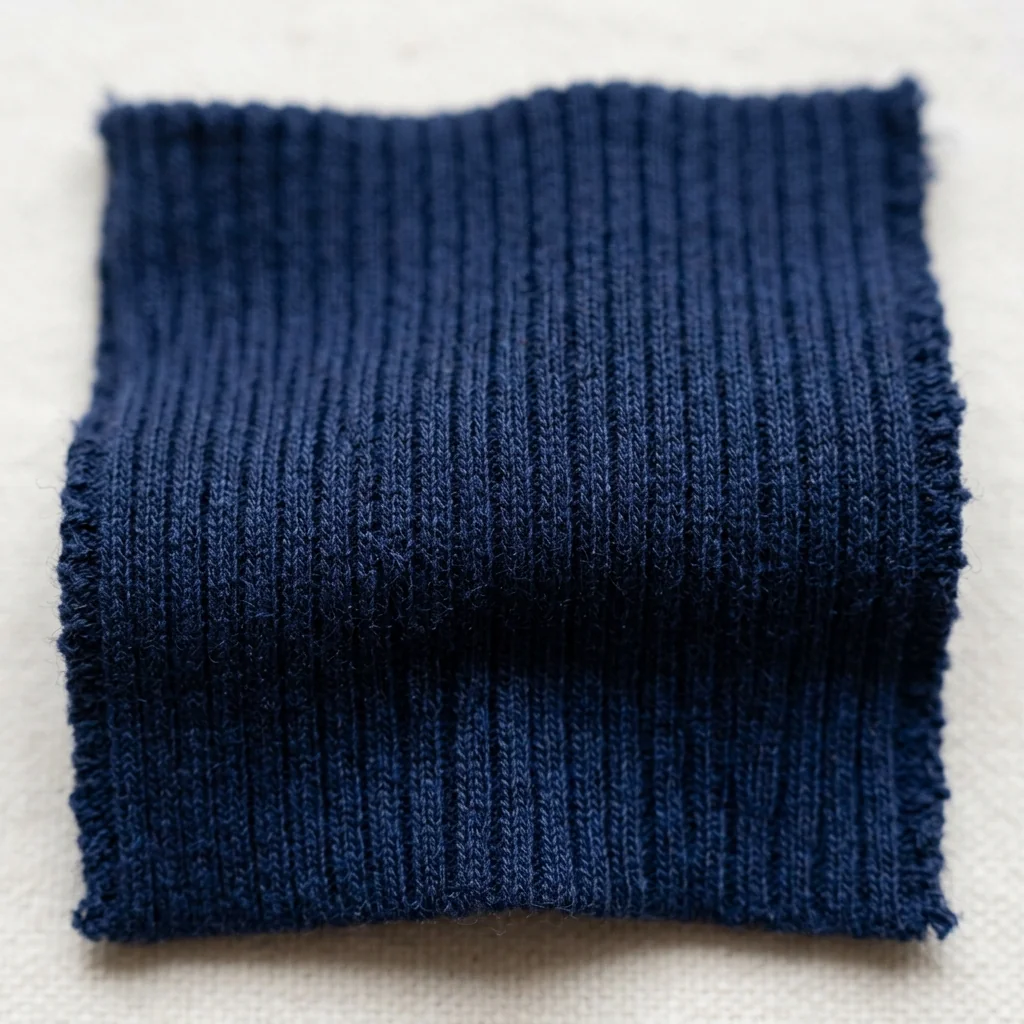
88/12, 90/10 and 91/9 nylon/spandex. Three ratios, one material family. The stretch figure changes how much the panel recovers after hours of movement; it does not change what the fabric is. We do not run three-fibre blends, so we do not quote them.
What the stretch figure buys: recovery, not a different fabric.
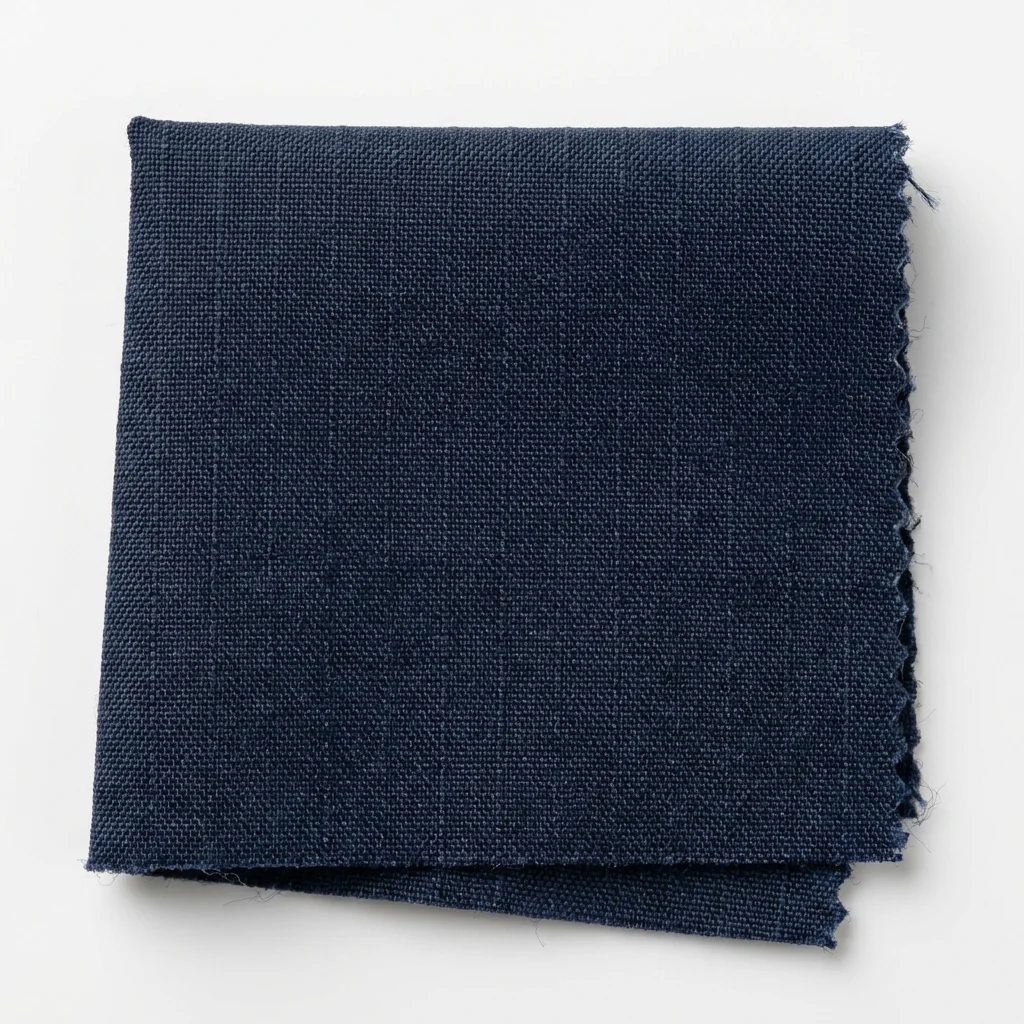
Body fabric, at the scale the abrasion figure is measured on.
The One Durability Number We Publish
30,000 Martindale cycles as the abrasion floor for body fabric before it goes to cutting. That is the figure worth asking any supplier for, because it is measured on the cloth rather than asserted about the garment. We publish no test-house name, no report number, and no wash-cycle figure — a wash count is not a measurement we hold.
30,000Martindale cycles: the abrasion floor body fabric clears before it goes to cutting.
Every Tier Lists Its Cost, Not Just Its Benefit
Every tier above states its cost in the same row as its benefit, on purpose. A specification that lists only benefits is a brochure, and it stops being useful at exactly the moment you have to choose.
What opens up for air is what wears through first.
The same three, every time
Three Places Go First, and Reinforcing Them Costs You Something
On every worn gravel garment that comes back to us, the same three places have gone. They are worth reinforcing. The section also states what each reinforcement costs, because that is the part usually left out.
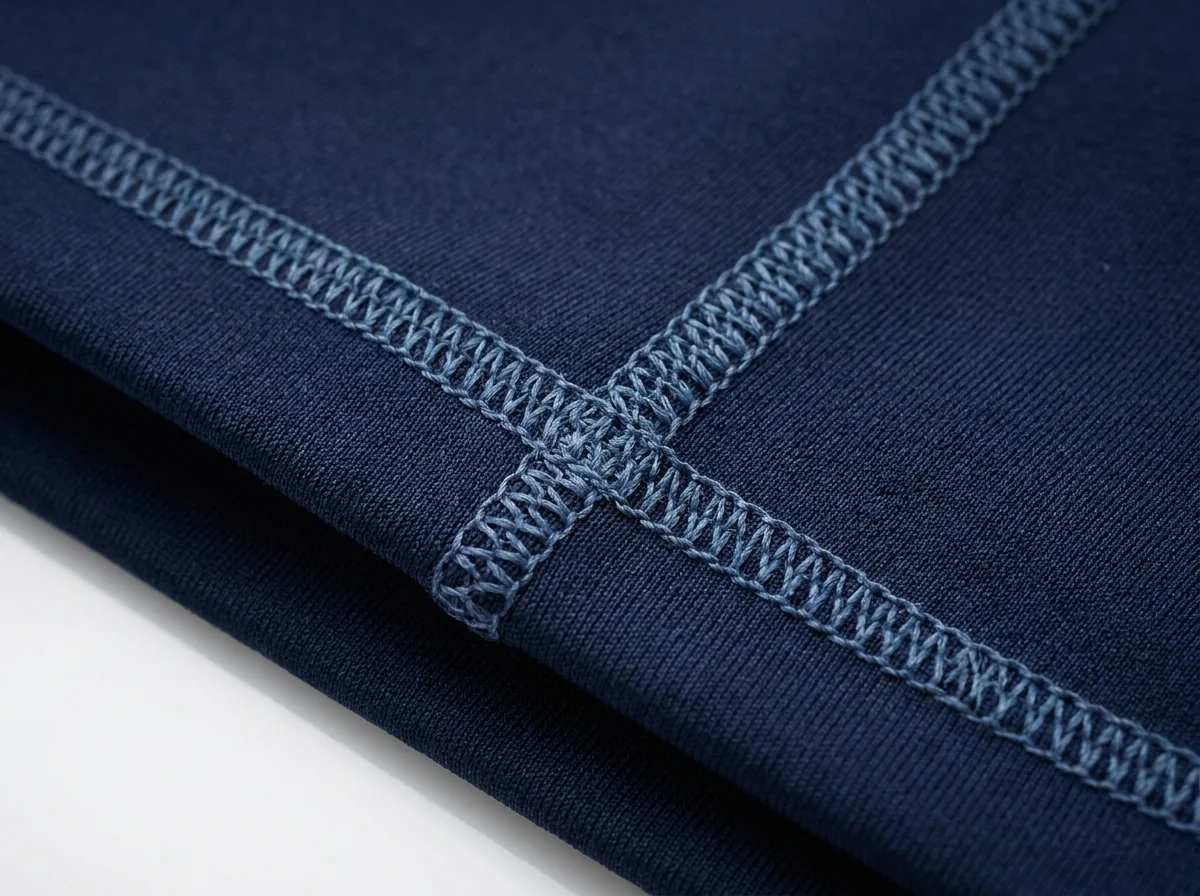
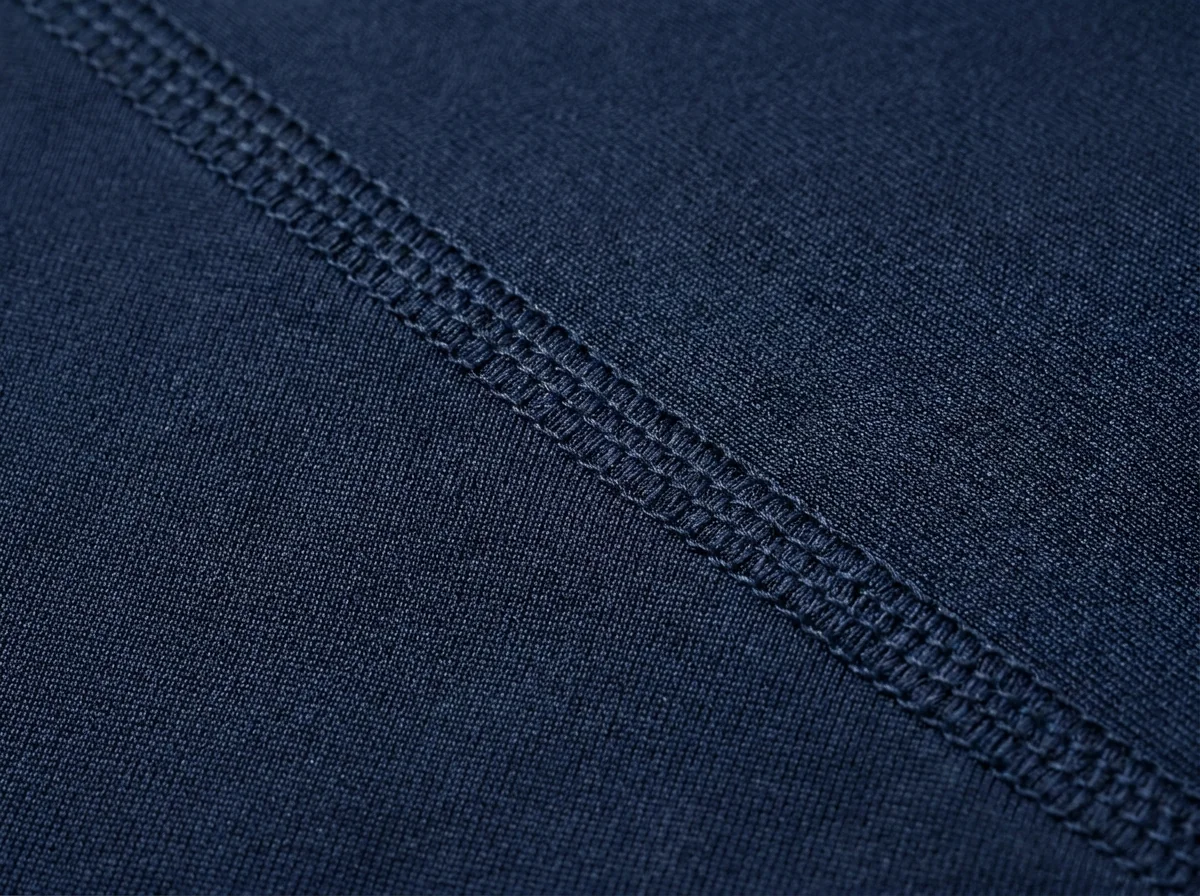
New
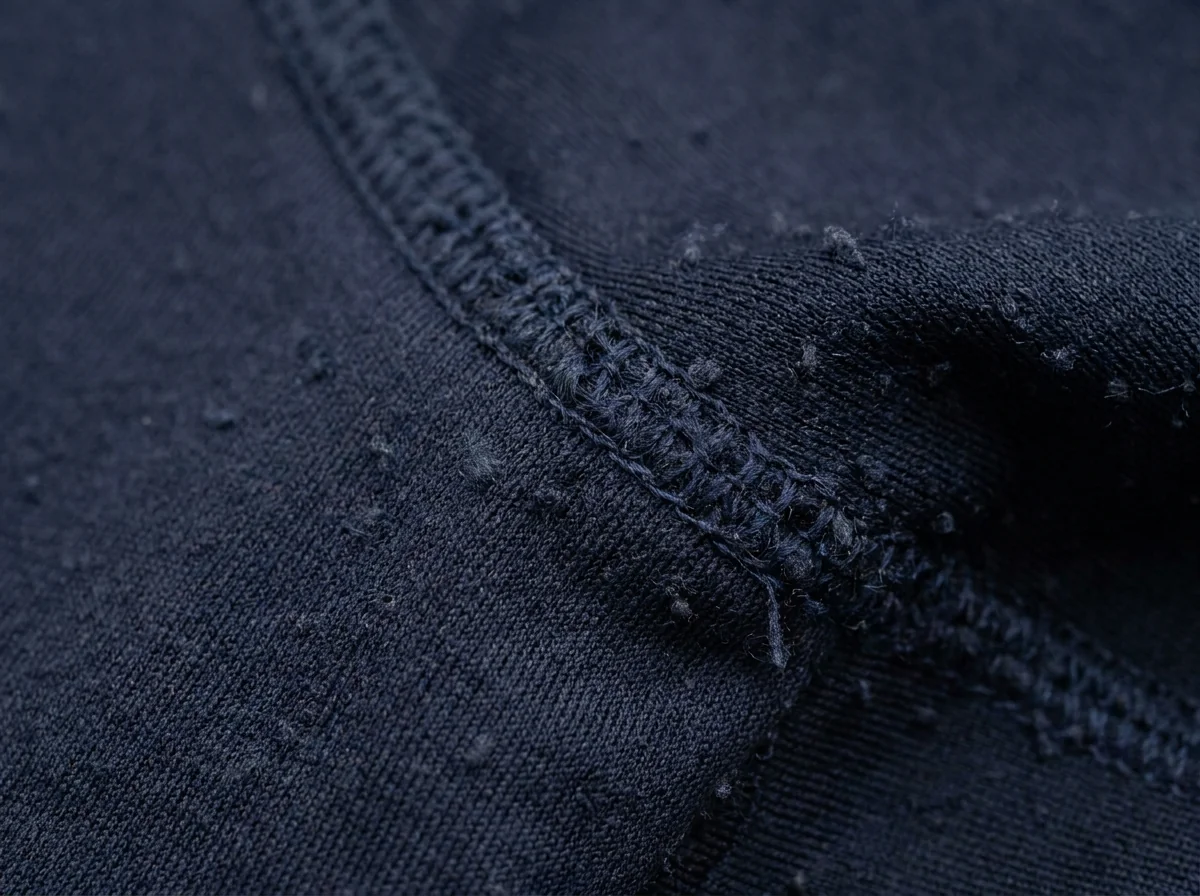
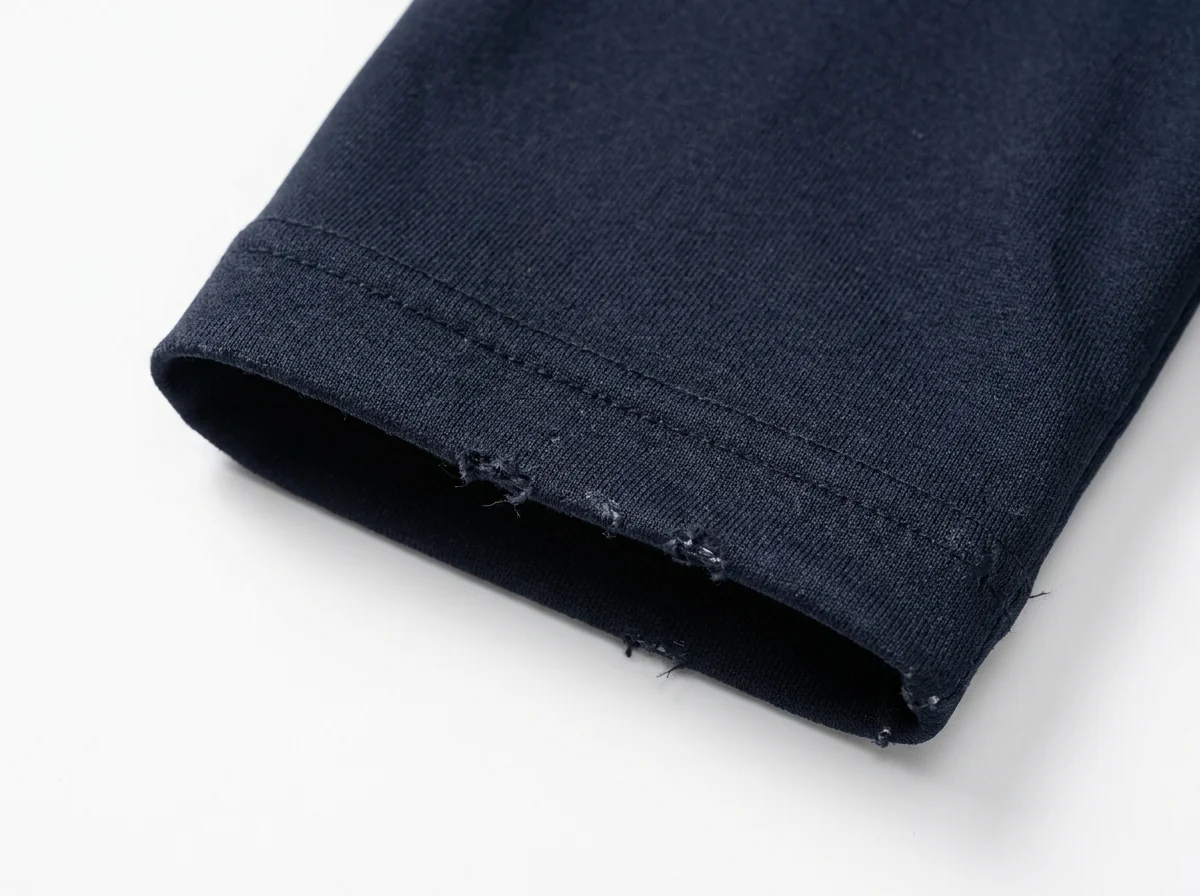
New: the seam as it leaves the line.After a season
After a season: it goes beside the stitch line, not through it.
The place
Why it goes
What reinforcing it costs
Saddle contact seam
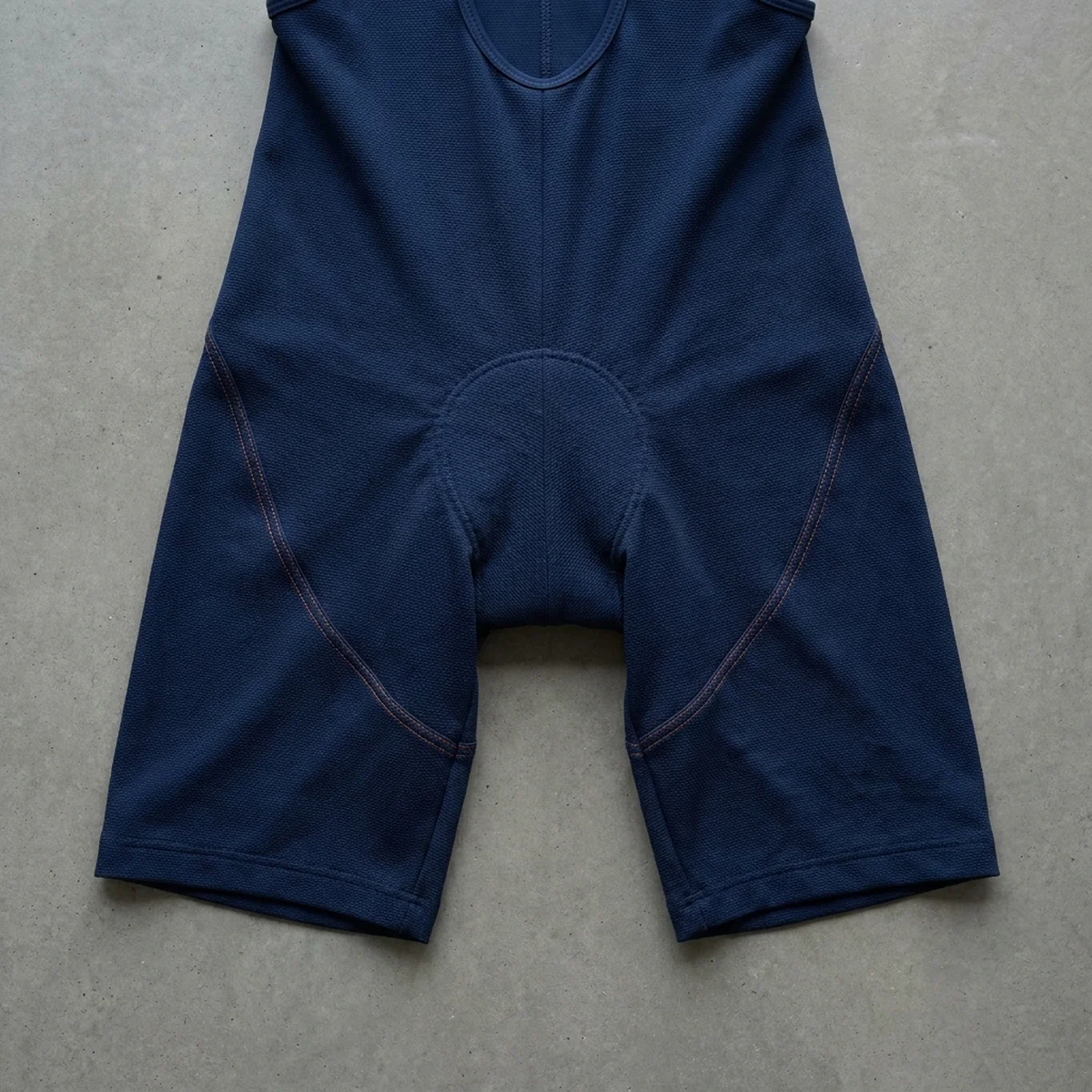
Hours of movement against a saddle, with grit in between acting as an abrasive
A denser panel exactly where the rider is warmest
Cuffs
Gloves, bar tape, and repeated on-off over hours
Slightly stiffer opening; a little slower to dry
Rear hem and spray zone
Everything the rear wheel throws, arriving wet and gritty
Extra weight low on the back, where it is also least ventilated
Cuffs
The cuff after a season of gloves going on and off over it.Seam placement
The cheaper fix: the same seam, moved off the contact area at pattern stage.
Where the Seam Sits Matters More Than the Stitch Count
A seam placed out of the contact area outlasts a reinforced seam placed inside it. Placement is the cheaper fix and it is free at pattern stage, which is why it gets decided before any reinforcement is added.
What We Do Not Reinforce
Everything else. A garment reinforced all over is a garment that traps heat all over, and the ride this page is about already has a heat problem at its middle stop.
Three places earn the extra material. The rest of the garment pays for it.
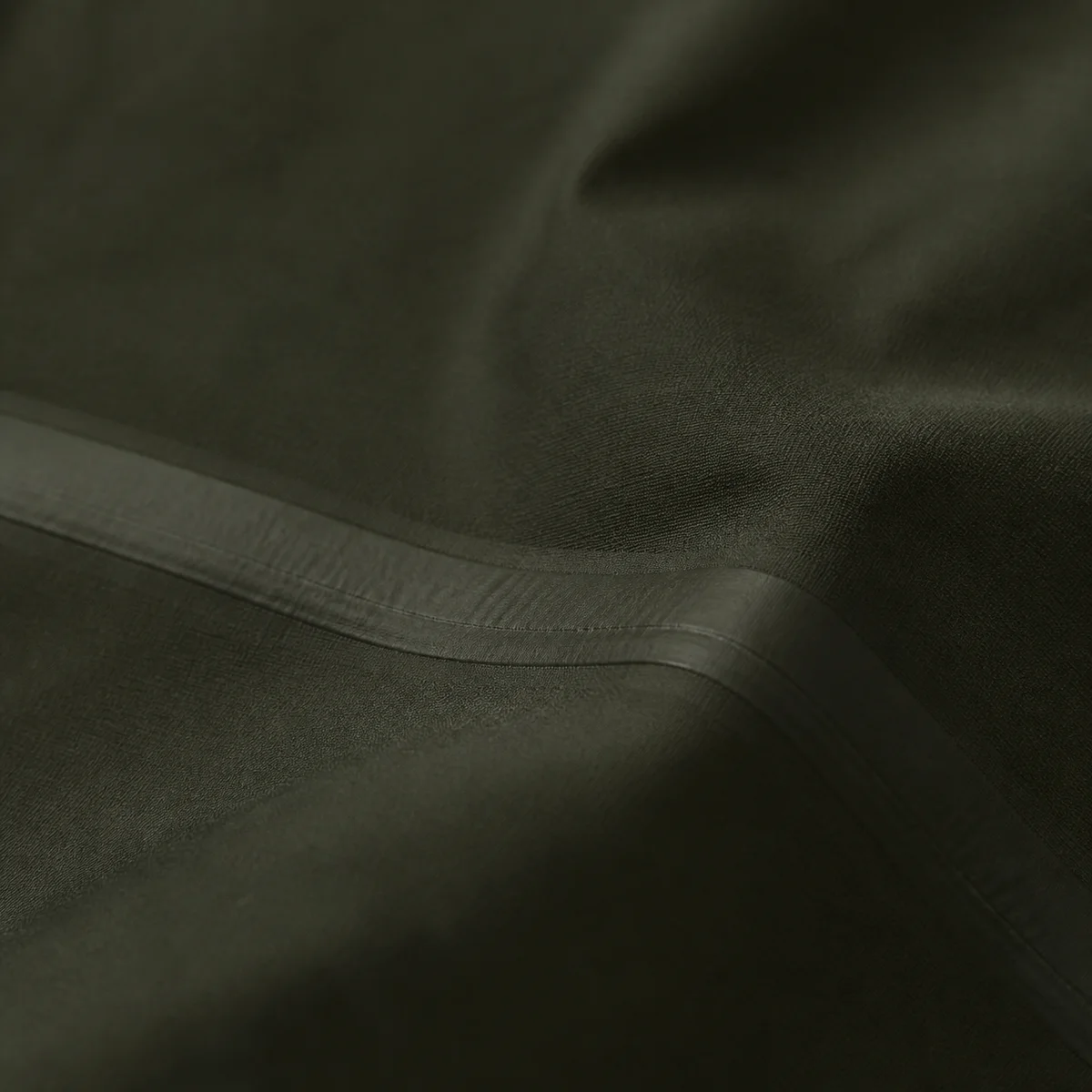
A tight weave survives the grit and traps the heat. An open one breathes and wears through. The kit is where you decide which one loses, and where.
The claim most easily oversold
How Far a Water-Repellent Finish Goes, and Where It Stops
This is the claim most easily oversold in cycling apparel, so here is the boundary in plain terms, including the part that is inconvenient for us.
What the finish is. A DWR water-repellent treatment on outer layers — jackets, vests. Rain beads and runs off for a while. It is water-resistant, and we will not call it waterproof.
What we do not publish. No hydrostatic head in millimetres, no breathability rating. We hold no test report for either, and a number we cannot support is worse than no number.
What the equipment can do. We run seam taping and sealing equipment, so seams on an outer layer can be taped rather than left as plain stitching.
The part that is inconvenient. On a water-resistant fabric, ordinary stitching still lets water through the needle holes. Taping addresses the seam; it does not convert the garment into a waterproof shell.
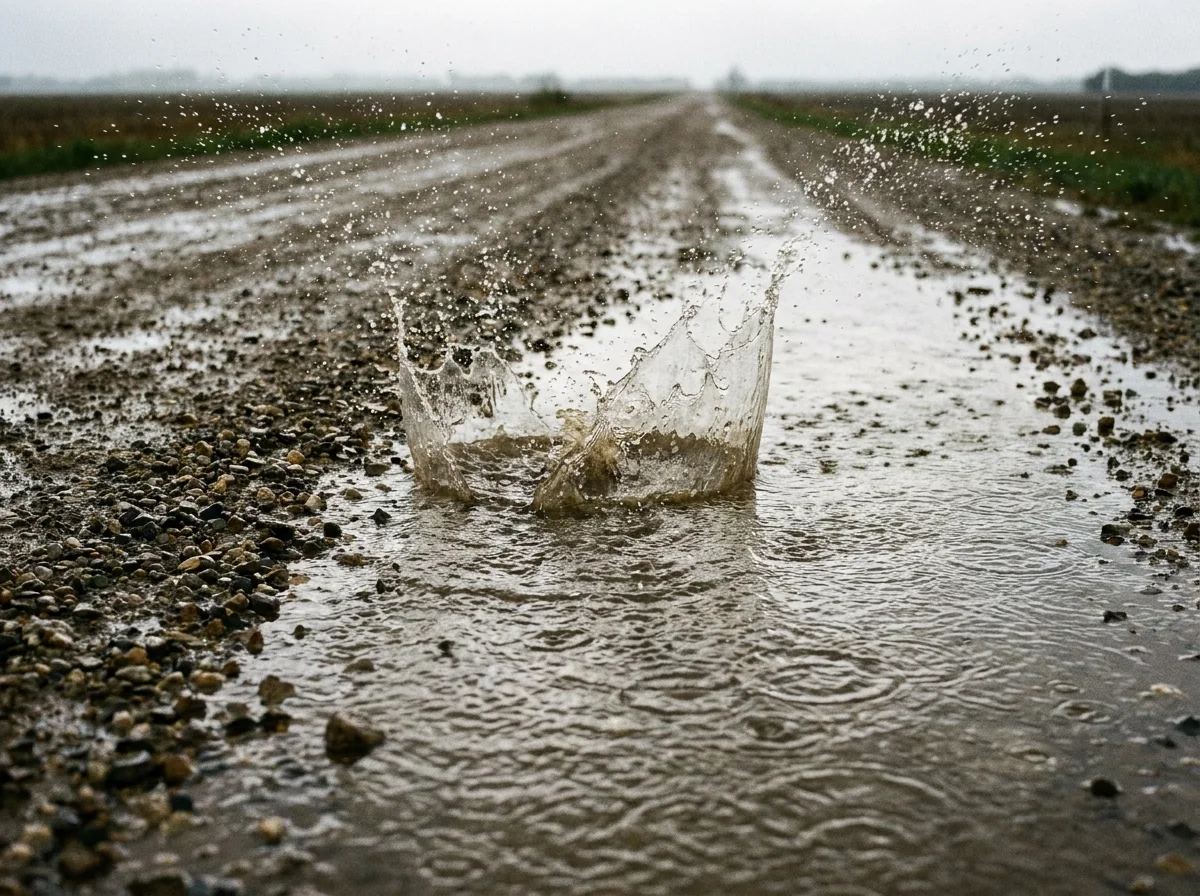
What actually helps on a wet gravel day. A rear spray panel that keeps road water off the lower back, and an outer layer packable enough that it is still in a pocket when the weather turns.
The shell the finish is applied to.
Vest: the layer most likely to still be in a pocket.
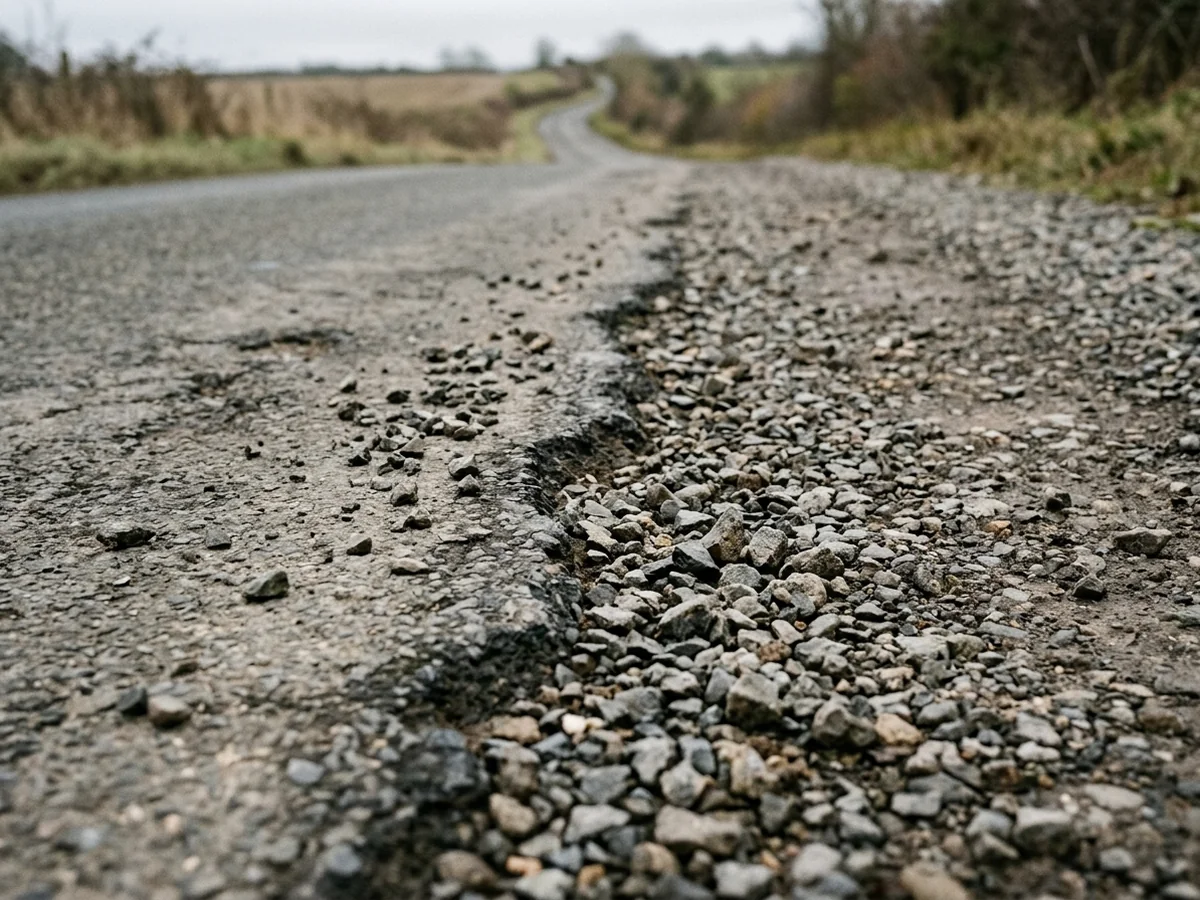
Spray zone
What the rear panel is asked to stand in front of.Wet version of it
The same surface wet: this is where a rear spray panel earns its weight.
Why We Draw It Here Rather Than in the Small Print
Because a buyer who is told "water-resistant, and here is exactly where it stops" can plan around it. A buyer told "all-weather" finds the boundary on the ride — and then the conversation is a complaint rather than a specification.
Jacket: taped seams are available on it; a waterproof rating is not.
Honest scope first
Long Hours in the Saddle, and What We Actually Do About the Pad
Honest scope first: this is a development and sampling capability, not a pad we sell you. What follows is how a long-hours requirement becomes a specification your pad supplier can quote against.
Where the neighbouring answers live
Pad construction itself — how a contact area is built and what the layers do — is on Cycling Chamois Development. This section stays on the garment side of that line.
What We Do
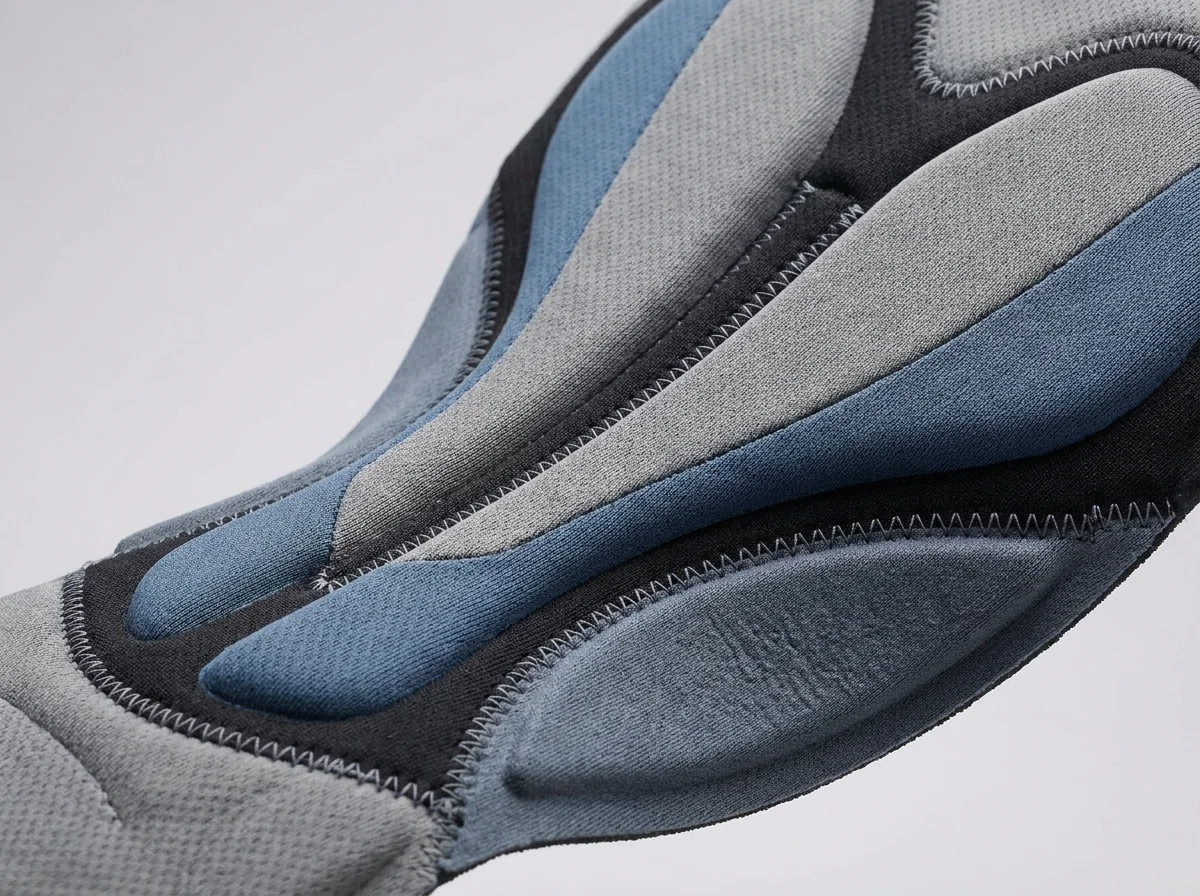
Develop and sample against a pad specification you supply, from your own pad supplier. We build the garment around it and we sample it so the fit can be judged on a body rather than on a drawing.
A supplier's pad specification, as it reaches us.
What We Do Not Do
Sell a pad as our product, publish density figures, or claim a construction we do not own. Bib-type finished goods are not a product line here — the capability is development and sampling.
Turning "Four to Twelve Hours" Into Something Quotable
Hours in the saddle
The duration band the pad has to hold up across, handed to your supplier as a requirement rather than a preference.
How much the rider moves
Where the contact area needs to stay put when position changes repeatedly.
Surface and grit
The garment-side decision: seam placement out of the contact area, and which panel weight sits around it.
What Sampling Is Looking For
Whether the contact area stays where it was drawn once a body is in the garment and moving. That is a garment question, and it is the one we can answer.
A development sample, judged on a body.
Four decisions, drawn on the panel
Carrying a Day's Food, Water and Tools on the Garment
Gravel days are long and unsupported, so the garment carries things a road jersey never has to. Four decisions, each one about where a hand goes and what rubs.
Rear pocket depth and heightDeeper than a road jersey and set higher, because a rider who stands has to reach them without pulling the hem down.
Frame bag clearanceA loaded bag rubs where the lower pocket edge falls. The pocket edge moves; the bag does not.
Reaching food without stoppingOpenings placed so one hand finds them at a glance, on a surface where looking down is not free.
Somewhere for a tool rollA closure that holds a heavier item still, instead of letting it swing against the lower back for four hours.
Why This Is a Pattern Decision, Not an Accessory
Every one of the four is decided when the panels are drawn. Added afterwards, a pocket is a patch — and a patch on the exact panel that was chosen for airflow undoes the reason it was chosen.
A Gravel Event Where the Sponsor Panel Arrived Late and the Date Held
One event, recorded by scale and delivery structure alone. It is on this page because of what happened near the end of design, and because the reason it worked is repeatable rather than lucky.
Race side
Corporate side
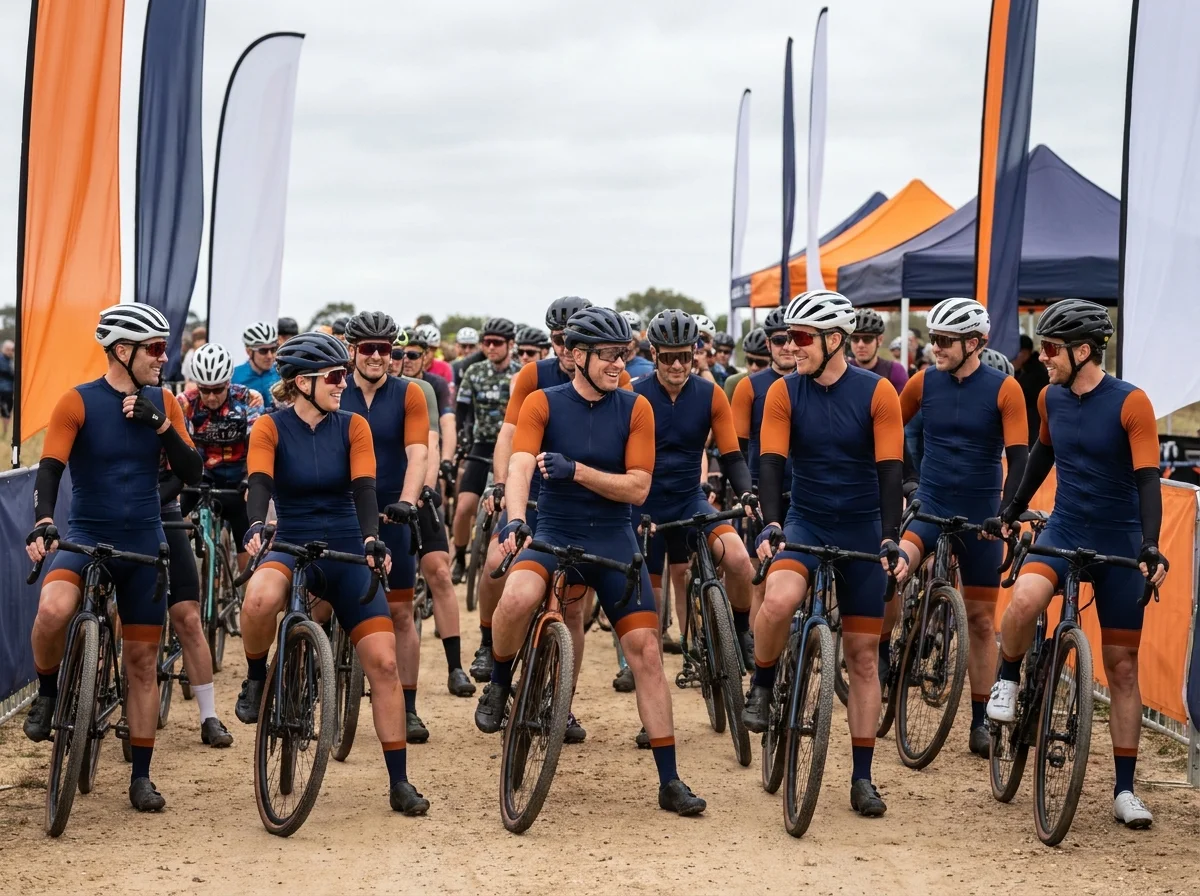
A regional gravel event: kit for 300+ participants, with finisher and staff kit required in hand before the event date. A sponsor panel was added late in the design stage, and the delivery date did not move.
300+participants in finisher and staff kit
The whole field in one design, produced once and handed out before the date.
Why a Late Sponsor Panel Did Not Move the Date
Because it was a decoration change, not a pattern change. A placement edit re-enters at the print file, and the print file sits after the pattern and before the cut. The roster count and the size split were already locked, so the cutting plan never had to be rewritten.
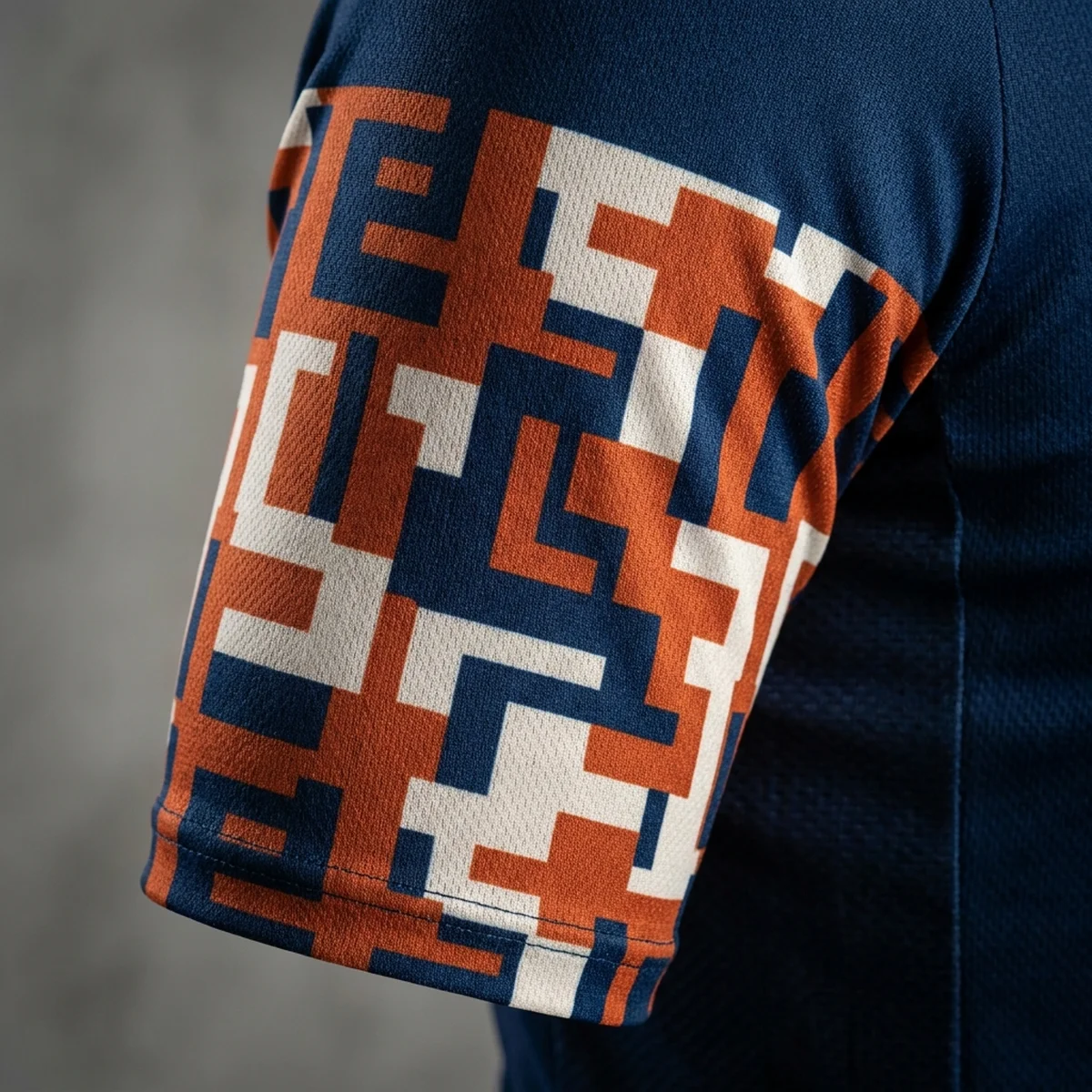
A panel edit lands in the print file.
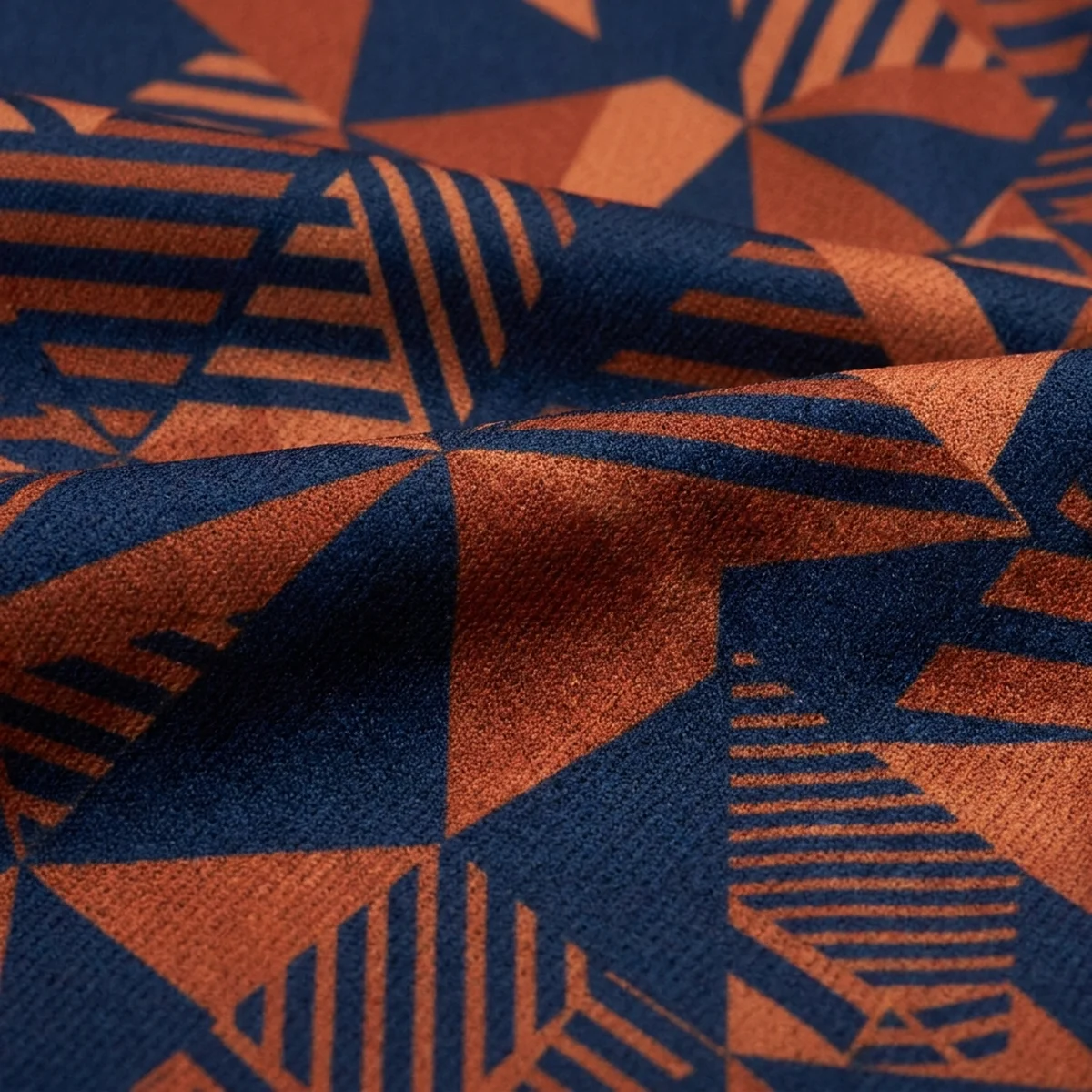
Printed into the panel rather than onto it, which is why a late edit is a file change.
What Would Have Moved It
A partner wanting a different garment rather than a different panel. That is a second item, not a late edit, and it carries its own sampling and its own place in the schedule. We would have said so at the time.
The Honest Limit of This Case
One event, one region, one garment type. It says nothing about your roster or your entry curve, and we would rather it stood alone than sat in a row with invented siblings.
One Line on the Corporate Side
A US corporate charity ride for around 80 riders across a wide size band, against a fixed date — recorded here in one line only; Cycling Events & Corporate Orders is where that side is set out.
The corporate side, in one line and one picture.
Four numbers, one that matters
From First Sample to Bulk, Counted in Days
Four numbers, and the only one worth defending is the second. Read them as days off a fixed event date rather than as a list of stages.
Stage
Days
Working sample
5 to 7 days once the specification stops moving
Revisions
Two rounds with no additional sampling charge — they still spend calendar days
Bulk
20 to 30 days from sample confirmation — not from the day artwork was approved
Compressed bulk
12 to 15 days where the slot was confirmed in the schedule ahead of time
Sample stitched.
Batch checked.
Seams measured.
Tagged and released.
The Date That Actually Matters
Sample confirmation. Bulk is measured from it, so it is the date to protect — and it usually sits weeks earlier than buyers expect, with artwork approvals stacked in front of it.
What Happens in Between
Every order clears six inspection gates before it ships. The sequence is set out on Cycling Apparel Quality Control and not re-listed here.
5–7 daysWorking sample, once the specification stops moving.
20–30 daysBulk, counted from sample confirmation and from nothing earlier.
Before the first brief
Questions From Gravel Buyers
What clubs, brands and event organisers ask before sending a first brief.
30 pieces per style per colourway. Three rules follow from it:
Sizes mix freely inside one colourway — no even spread required.
Each additional colourway carries its own count of 30.
Within 140–230 gsm, split inside one garment rather than chosen once for all of it. Vented zones take the light end, the body sits mid-band, and the three reinforced places take the heavy end.
A sample in 5 to 7 days once the specification settles, then bulk in 20 to 30 days from sample confirmation. Compressed bulk runs 12 to 15 days where the slot was confirmed ahead of time.
Yes. Our base range is XS–3XL in separate men's and women's patterns, and if your riders already order against your own chart, development runs to yours.
No, and we will not describe it that way. Outer layers carry a DWR water-repellent finish and are water-resistant. Seams can be taped, but ordinary stitching on a water-resistant fabric still lets water through the needle holes.
We develop and sample against a pad specification you supply, from your own pad supplier. Finished bib-type goods are not a product line here. Construction detail is on Cycling Chamois Development.
Gloves, footwear of any kind including overshoes, helmets, and hardware such as computers and lights. None of those are garments and none are made here. Bib and pad work is development and sampling only.
An inquiry gets a reply inside 24 business hours. Once a complete tech pack is with us, a quote follows within 48 hours.
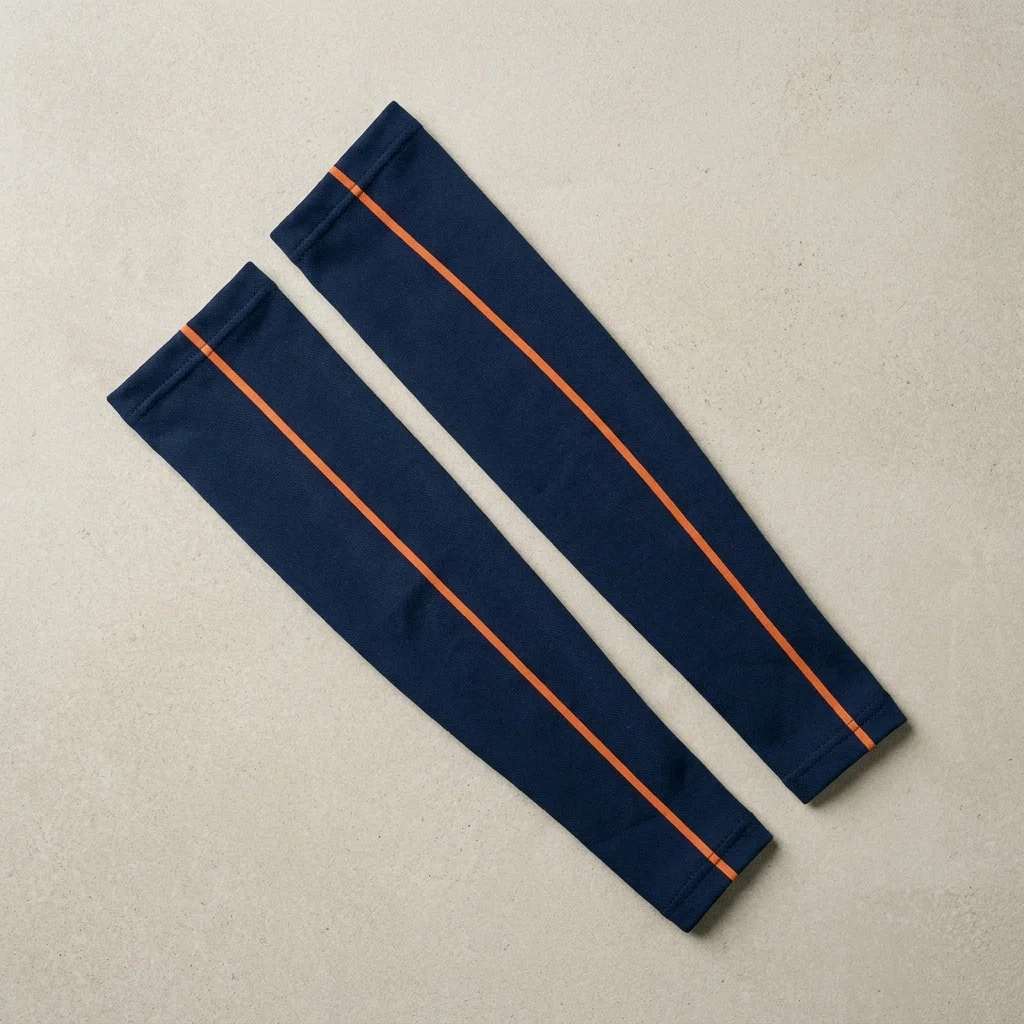
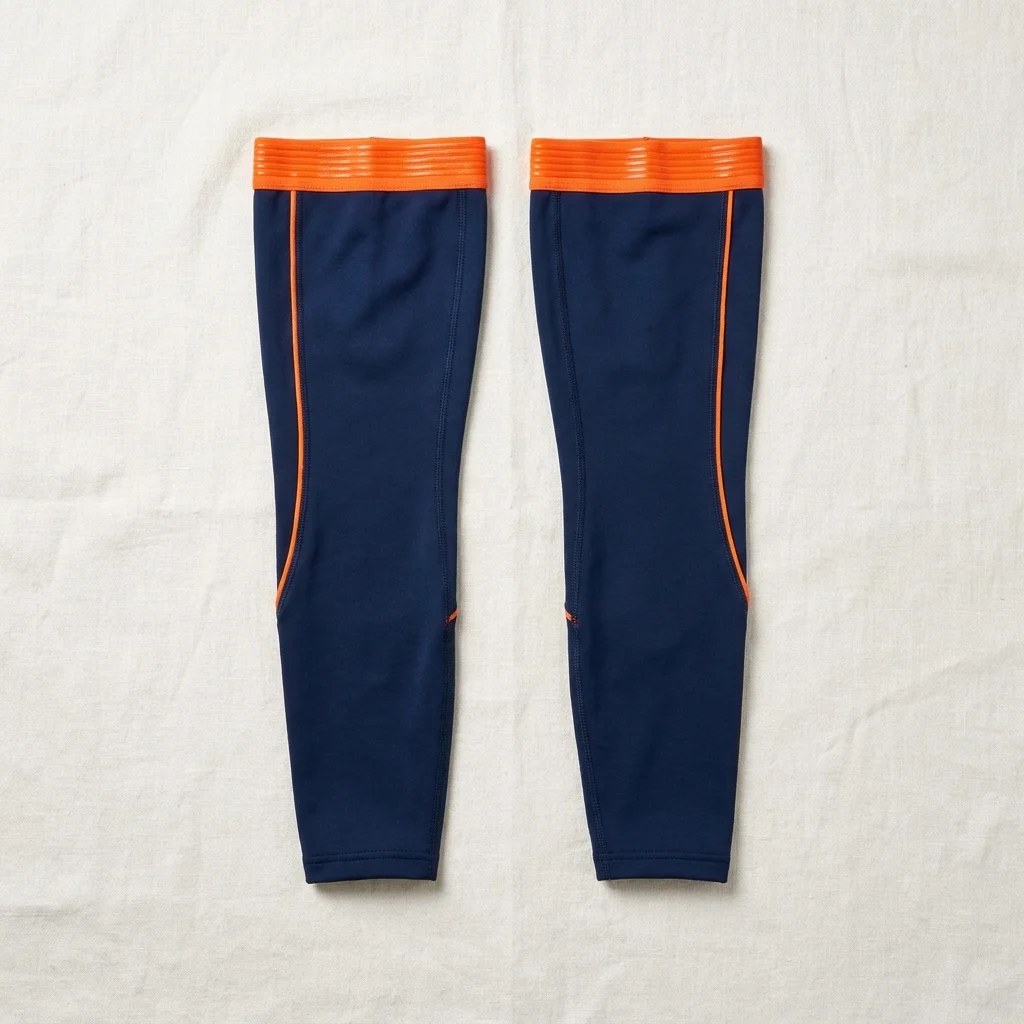
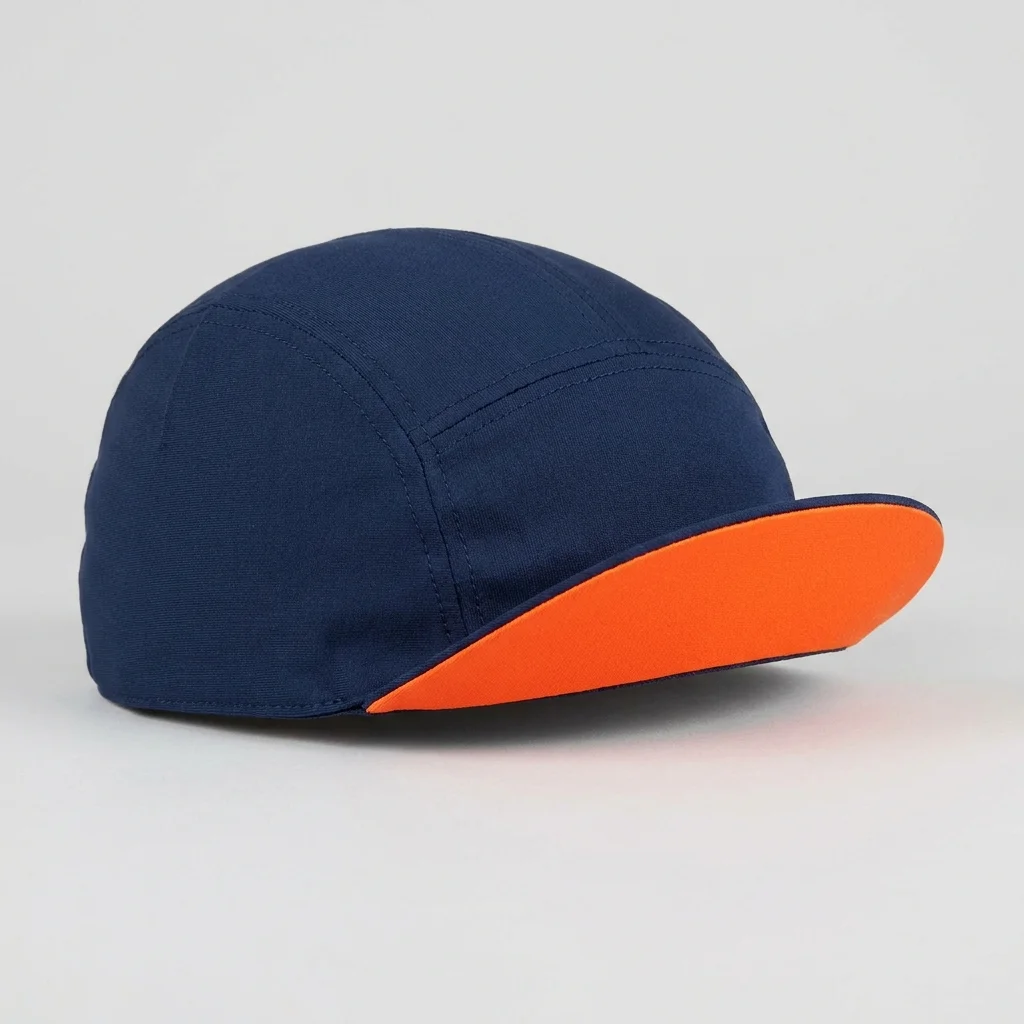
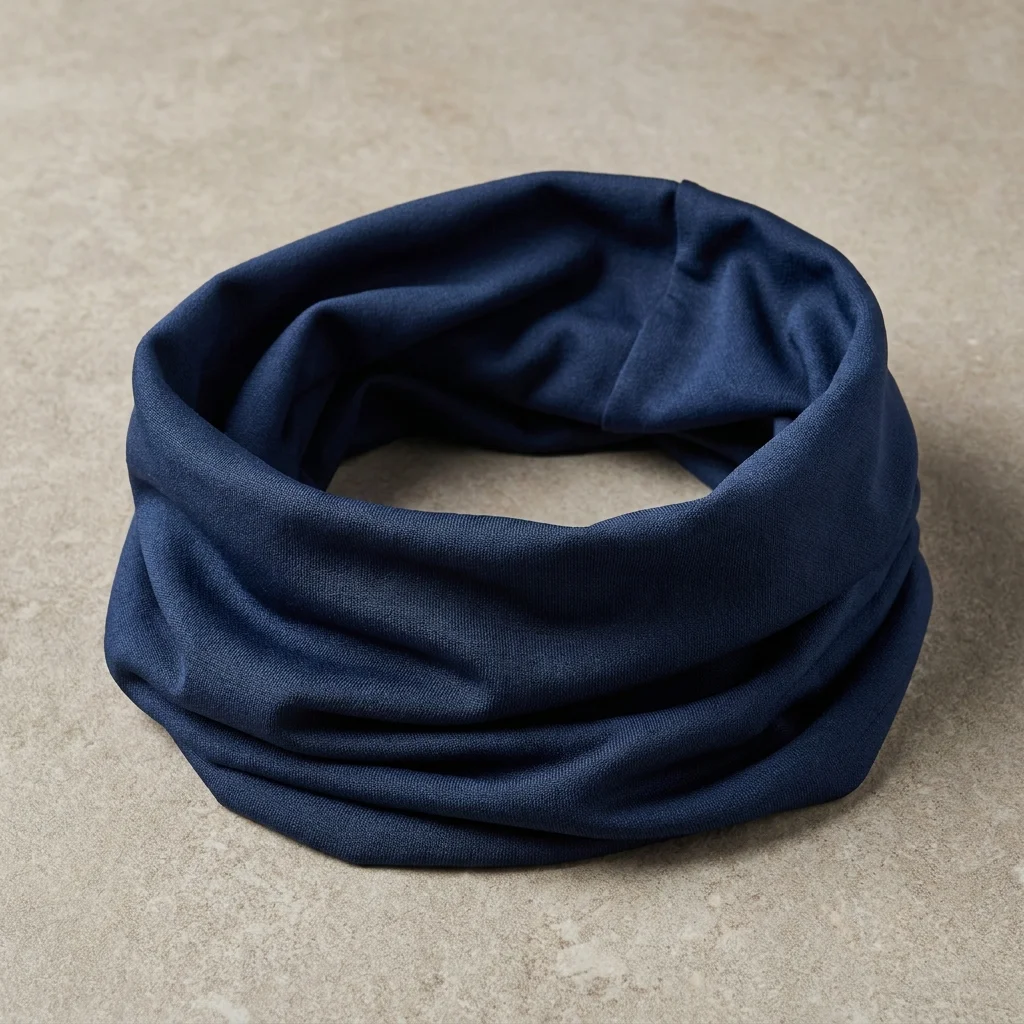
Soft goods that run in the same orderSmall pieces a gravel roster usually adds to the same production run, all of them garments made here.
Arm warmers
Leg warmers
Cap
Neck gaiter
Request Your Gravel Kit Quote
The route profile, a rough headcount and what you want made. That is enough for us to tell you which weights the panels should take and what the sample date would be.
Tech pack, artwork and size chart go by email to [email protected] — this form carries your details and your message only.
 Stop one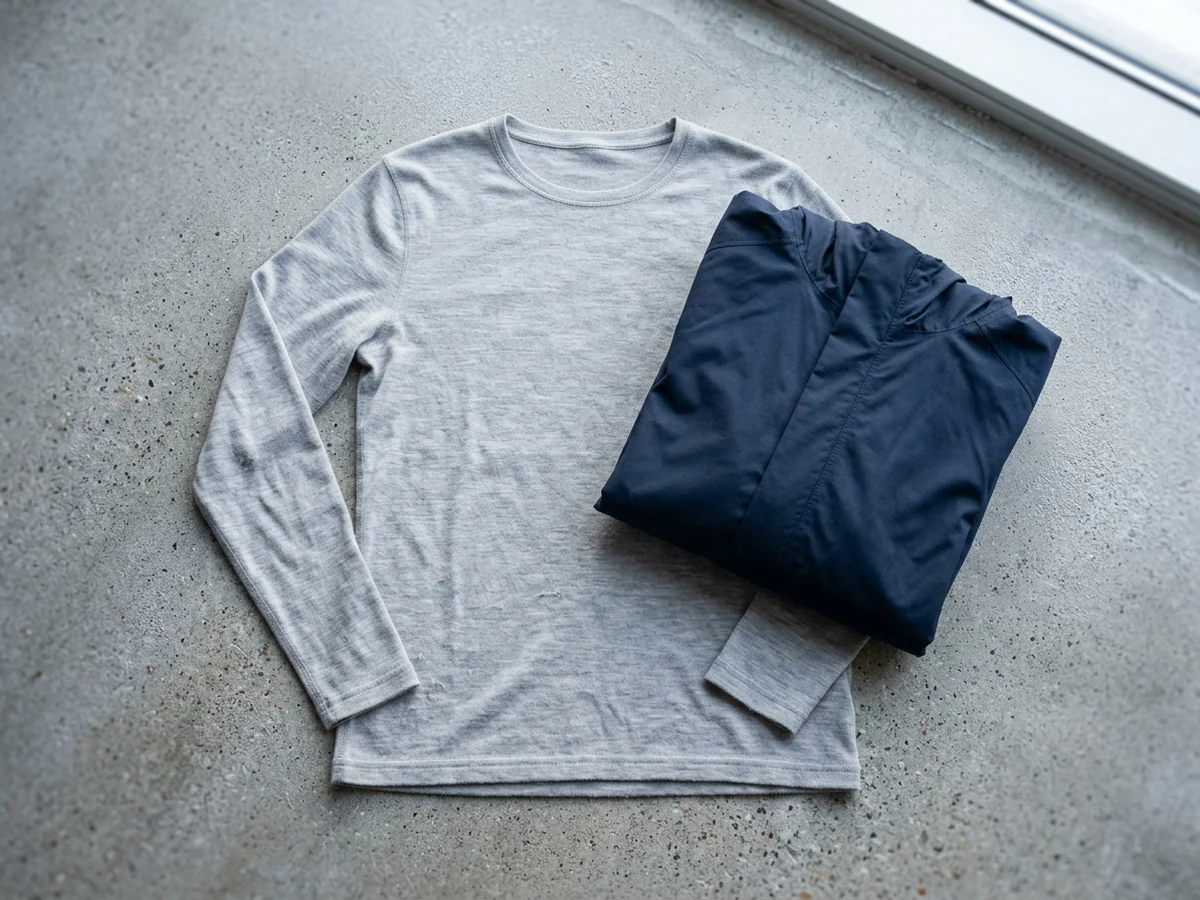
 Stop two
 Stop three