Custom Cycling Jersey Printing: Five Methods, Matched to Our Fabric Library
Five decoration methods, three fabric tiers — most combinations work, a few do not, and this page shows you which before you commit artwork to a sample.
See the Matrix- Owner page
- Five methods
Five Methods, Each Sitting in a Different Place
A method is not a look — it is a physical relationship between the mark and the cloth. That relationship is the whole reason the matrix on this page exists.
Before any compatibility question, the five methods themselves. Each one lives in a different place, and that place is what you are really choosing when you choose a method.
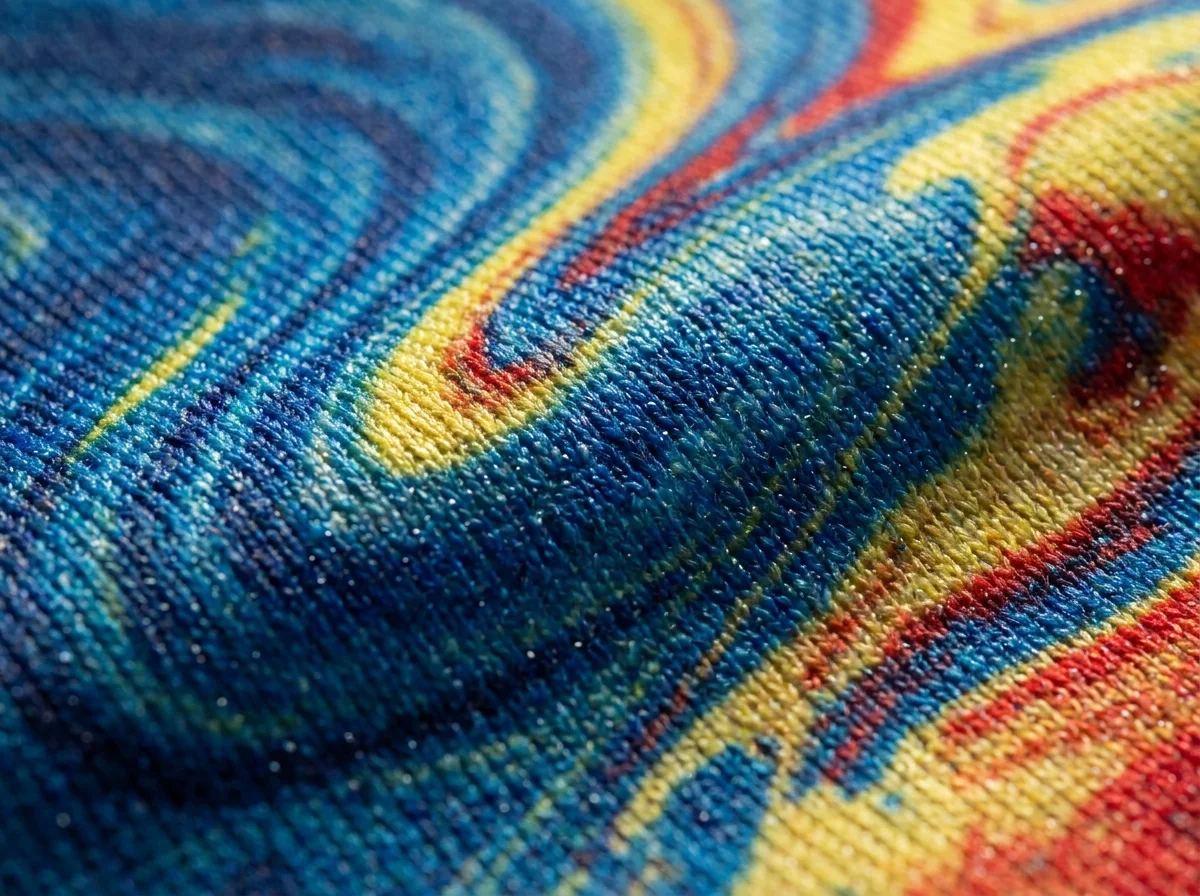
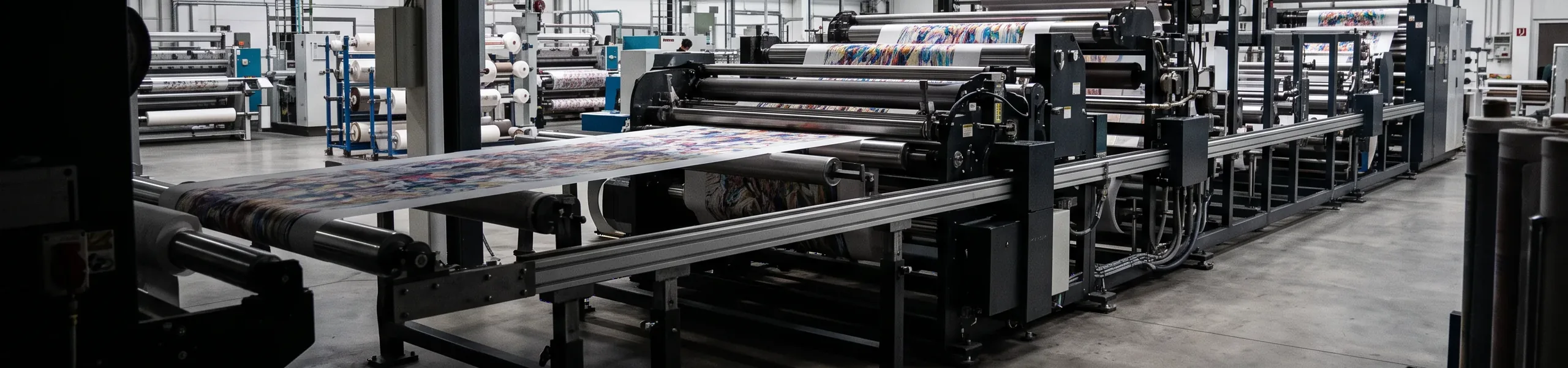
- All-over sublimation — the dye is in the fibre. Sublimation turns ink to gas and drives it into the yarn itself, so the colour becomes part of the cloth rather than sitting on top of it. It is the only method here that can carry a full-panel gradient, a photograph, or an all-over pattern across a whole jersey without adding texture. Its limit is the opposite of that strength: because there is no surface layer, there is nothing to feel, and a single-colour solid is better done more cheaply by a surface method.
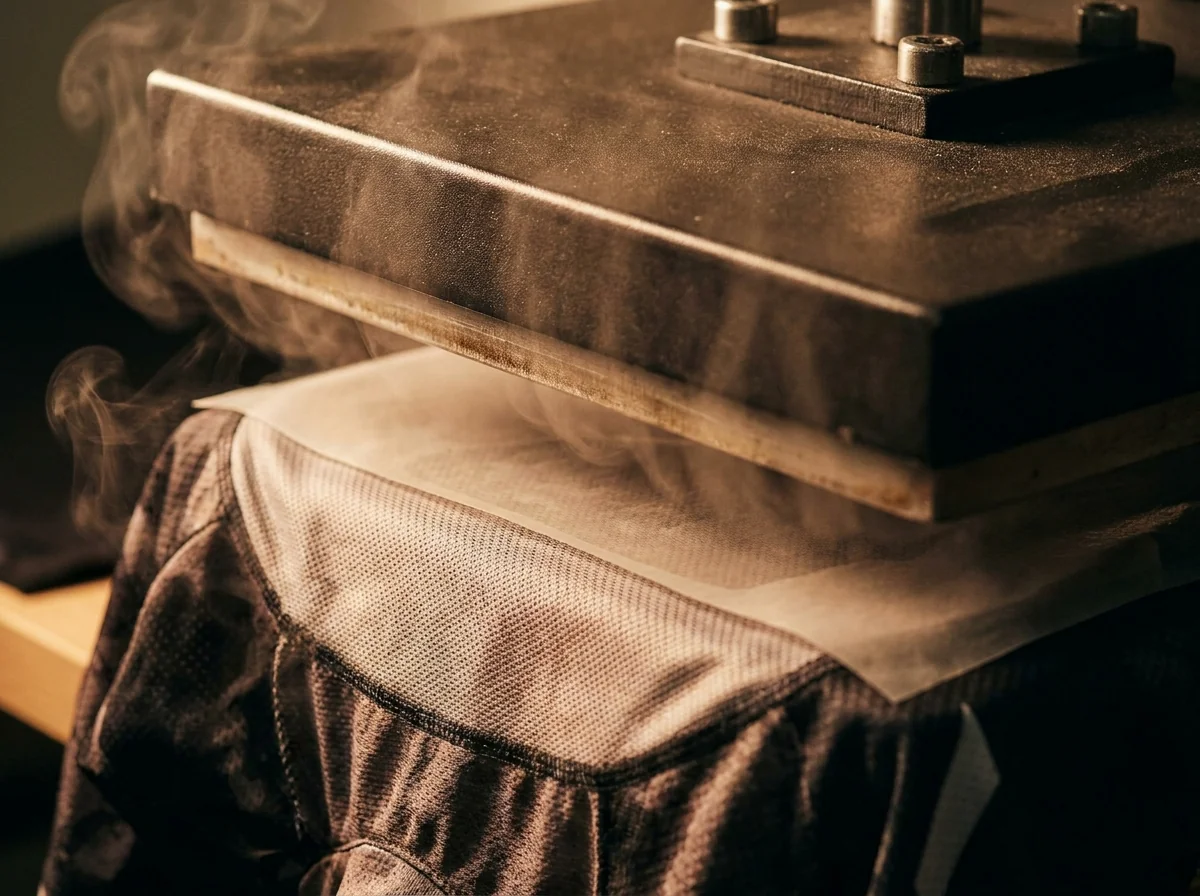
- Heat transfer — a film bonded on the surface. A printed film is pressed onto the fabric under heat and pressure. It is the sharp, small-mark method — a logo, a number, a name drop — and it is quick to change between runs because the artwork lives in a file, not in a screen. Its limit is that it sits on the surface, so it is only as durable as its bond, and on the open mesh it needs a carrier, because the weave gives the film nothing solid to bond to.
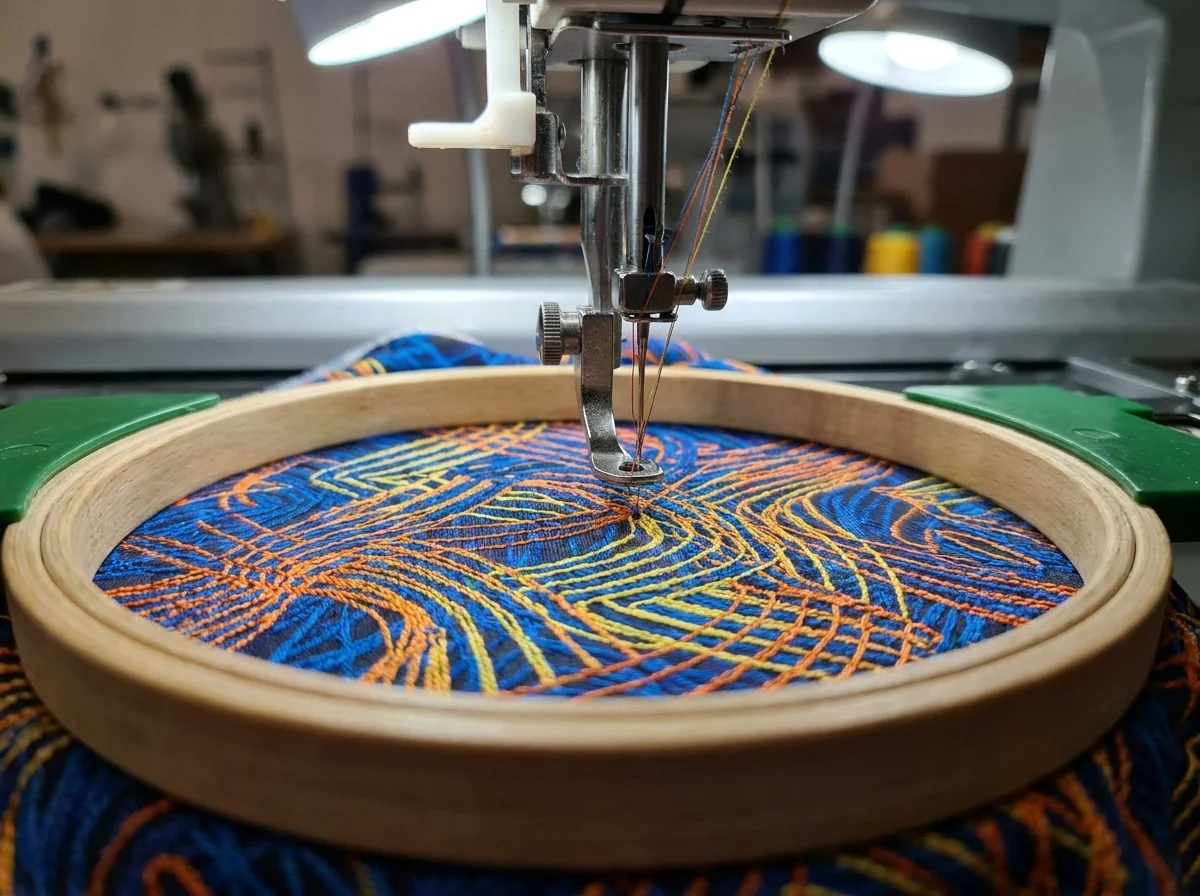
- Embroidery — thread through the fabric. Thread is stitched through the cloth, so the mark is raised and dimensional and it outlasts most surface marks in the wash. It is the crest-and-badge method. Its limit is that thread is rigid and the cloth is not, so on a fabric that moves a lot it needs a stabilizer backing or it pulls the cloth into a pucker.
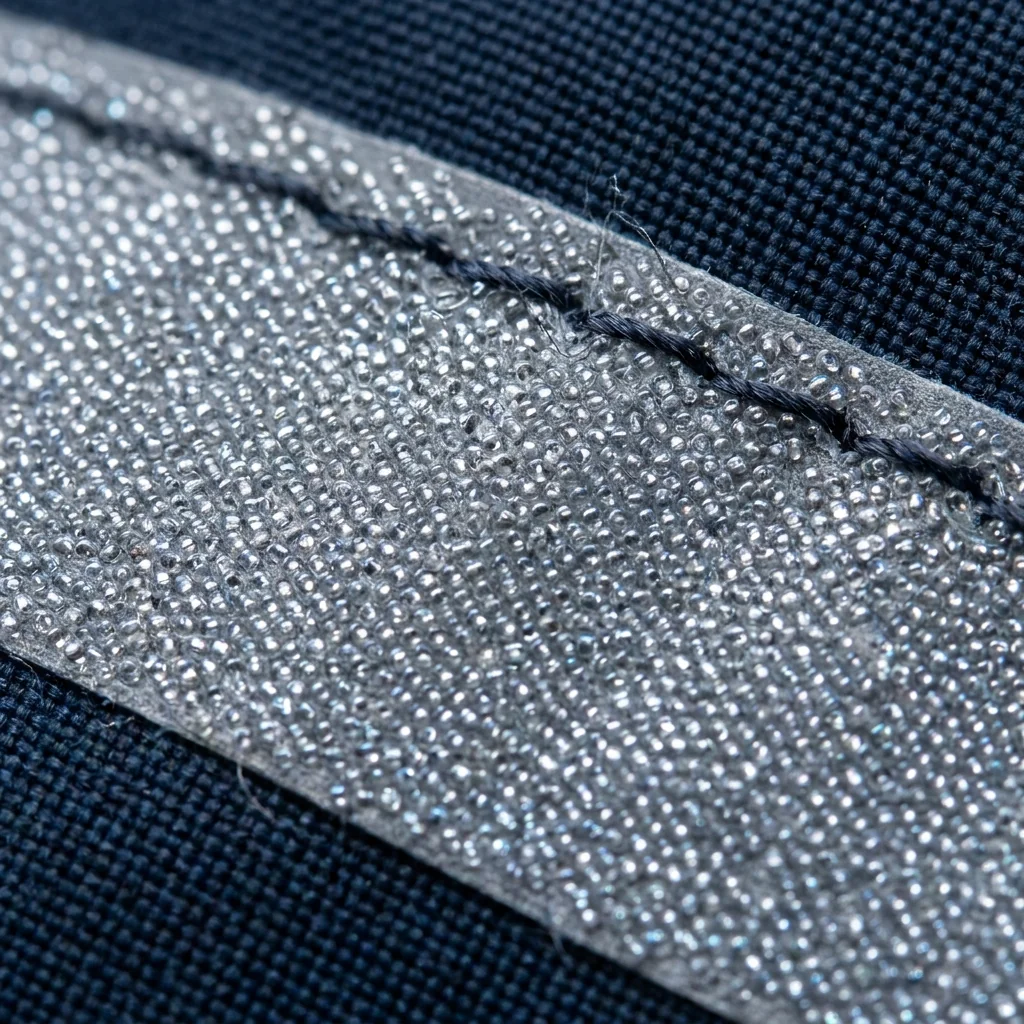
- Reflective print and tape — a mark that works in low light. A reflective ink or strip is applied for visibility, not appearance: it is what a driver sees at the joints the vehicle approaches first. Its limit is that it is chosen for a function, so "does it look good" is the wrong question to ask of it.
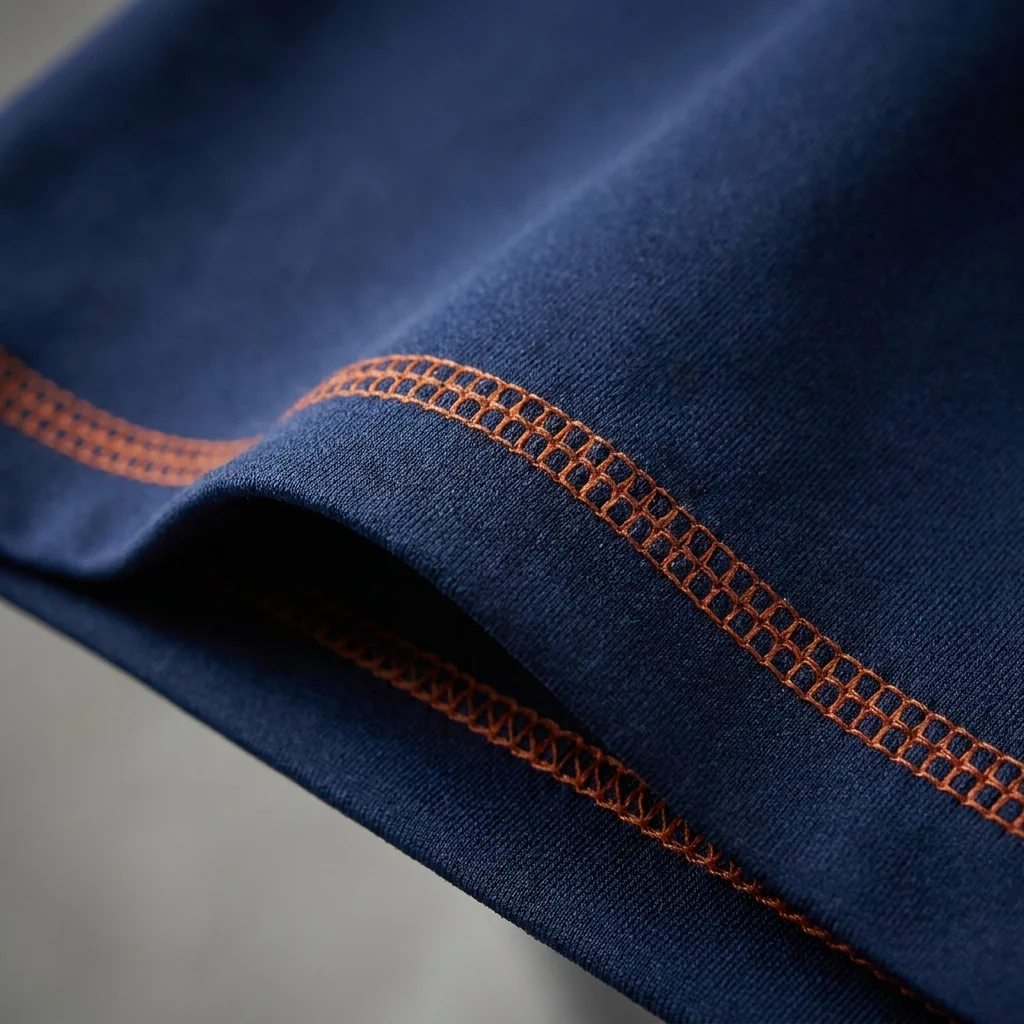
- Silicone grip emboss — a bead on the structure, not a graphic. A raised silicone bead is pressed onto the cuff and hem to stop the garment riding up. It is not a mark at all — it is a functional edge. Its limit is the same as its strength: it belongs only where a cuff or a hem exists to put it on.
- The axis
Three Tiers, and Each One Holds a Mark Differently
The three tiers in our library differ in how they are built — an open mesh, a dense body knit, a bonded membrane — and that build is the column header of the matrix below.
Our library runs three tiers, and the line that separates them is how each one is put together. A decoration mark sits on whatever that build gives it, so the build — not the blend ratio — is what decides which mark each tier can hold.
The Three Tiers, and What Each One Means for a Mark
| Tier | How it is built | What it means for a mark |
|---|---|---|
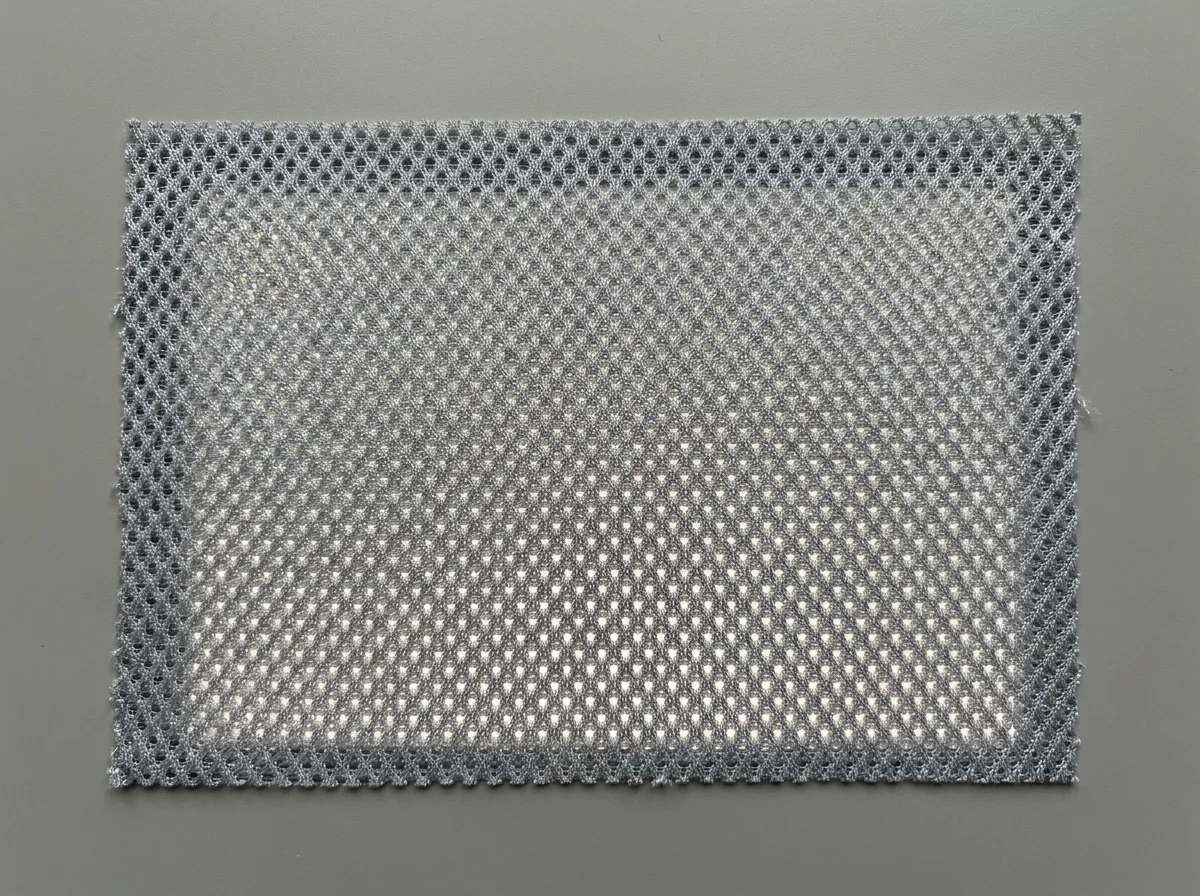
| Lightweight mesh | An open, airy weave. | A surface film or a stitched mark has no solid base to sit on, so it needs a carrier or a stabilizer. |
| Medium-weight body knit | A dense, smooth knit. | The solid, even surface that most surface and stitched marks are built for. |
| Windproof laminate | A membrane bonded to the knit. | A surface film or a reflective mark bonds cleanly to it, but a needle would go straight through it. |
Every tier is still a two-part nylon/spandex knit — the blend ratios are 88/12, 90/10 and 91/9, and which ratio goes with which garment is decided on fabric development. Here the only thing that matters for a mark is the build it sits on.
- The matrix
Five Methods, Three Tiers, Fifteen Cells
Most of the fifteen close, a few stay open — and the reason is always the same single rule, not fifteen separate facts to memorize.
| Method | Lightweight mesh | Medium-weight body | Windproof laminate |
|---|---|---|---|
| Sublimation | Full | Full | Not applicable — no fibre face to dye |
| Heat transfer | Needs a carrier | Full | Full |
| Embroidery | Needs a stabilizer | Full | Not recommended |
| Reflective print/tape | Needs a backing | Full | Full |
| Silicone grip | Full | Full | Full |
The one rule behind every cell is that a decoration mark is either in the fibre, on the surface, through the fabric, or on the structure. Sublimation is in the fibre, so it is full wherever there is a fibre face to dye — and it does not apply on the laminate, whose face is a membrane, not a fibre. Heat transfer and reflective sit on the surface, so they bond cleanly to a solid face and need a carrier or a backing only where the open mesh gives them nothing solid to sit on. Embroidery goes through the fabric, so it sits well on a solid knit, needs a stabilizer on the open mesh, and is not recommended on the laminate, where the needle would go straight through. Silicone sits on a cuff or a hem — a construction, not the body fabric — so it is full on all three tiers.
The two columns that ask the most of every method are the two extremes — the open mesh, which gives a mark nothing solid to sit on, and the laminate, whose sealed face a needle cannot cross. That is the whole matrix, and it is one sentence long.
- Why the matrix exists
The Wrong Pair Fails in a Way You Can Name
"Not recommended" is not a reason. The reason is a physical one, and it is worth saying plainly because it is what you would otherwise discover on a sample — or worse, on the run.
A mismatch is not a matter of taste. It is a material failing in one of four shapes, and each shape traces straight back to where the mark sits.
- A surface film on the open mesh. Heat transfer and reflective sit on the surface, and an open weave gives them no solid base to bond to — the film holds unevenly or lifts. A carrier or a backing panel is what turns that "needs a backing" cell into a working mark.
- Embroidery on the open mesh. Thread needs a solid base to hold a flat stitch; on the open weave the cloth puckers around the thread. A stabilizer absorbs that difference — leaving it off is the single most common way a crest goes wrong.
- Embroidery on the laminate. The needle goes straight through the membrane, so a stitched crest is not recommended on that tier at all. This one is not a case of needing a backing — it is the tier rejecting the method, and it is caught before the sample, not after.
- Sublimation on the laminate. Sublimation is in the fibre, and the laminate face has no fibre for the dye to enter. So the method does not apply there — not because it fails, but because there is nothing for it to land on.
The matrix is not a policy — it is where each of these four failings is caught, on one sample instead of on thirty. Check the tier before you draw the artwork, not after you have seen the sample.

A method and a fabric are one decision made twice only if you want to pay for it twice.
- The decision order
The Choice Follows From What You Already Know
Nobody starts from "which method looks best". They start from where the mark goes, and the rest of the decision falls out of that.
- Where the mark goes first. A full-panel graphic points toward sublimation; a small crest or number points toward embroidery or heat transfer. The placement zones and sizing rules themselves live on the kit design page — here the only thing that matters is that placement is the first variable, and it already eliminates most methods.
- Which tier it lands on second. The matrix above rules combinations out before a single line of artwork is drawn. Checking the tier first is what turns "a design that has to be redone" into "a design that never had to be redone".
- What it has to do third. A reflective mark is chosen for visibility, not appearance; a silicone bead is chosen for grip, not graphics. Function moves the choice away from "best-looking" and toward the method that does the job.
- How long it must last fourth. Embroidery outlasts a surface film on a flexing zone; sublimation cannot peel because there is nothing to peel. The durability requirement is the last variable, and it usually only breaks ties between two methods that already survived the first three.
- Before sampling
Locked Before the First Sample, Not After It
The method-and-tier pair is not a late-stage add-on. It is confirmed during development, alongside placement — before a single sample is cut.
Decoration method and fabric tier are confirmed at the same step as placement and branding: after the tier is set and the artwork is on file, before the first sample is cut. That ordering is the whole point of this page. A method chosen without checking the fabric first does not just look wrong on the sample — it can mean redrafting the piece against a different tier entirely, and a redraft reopens more than the decoration line: it reopens the pattern, the fit check and the sampling clock.
The Cost of a Late Catch
A method matched to its tier at the brief stage costs nothing extra. A mismatch caught after sampling costs a second cycle. The two pages that sit on either side of this one — how the sample is run, and how the pattern is developed — both take it as given that the method and the fabric were already agreed before they begin.
- Function over look
Two Methods That Are Not About How It Looks
Reflective and silicone are chosen for a job, not for a look — and asking "does it look good" about either one is how both of them get misused.
Reflective print and tape
Reflective exists for the moment a rider is seen, not the moment the kit is photographed.
- It goes at the joints a vehicle approaches first — the moving wrists, the ankles, the back panel.
- On open mesh it needs a backing panel, because the weave gives it nothing solid to sit on; on body knit and laminate, a firmer tape holds its edge.
Silicone grip
Silicone grip exists for the moment the garment rides up.
- It is a raised bead at the cuff and the hem, and its only job is to hold the fabric in place while the rider moves.
- Because it sits on a construction rather than on the body fabric, the tier underneath is almost irrelevant — which is why it is full across all three columns.
The common thread: these two are judged by whether they work, not by whether they are pretty — and that is exactly why they get their own line in the matrix and their own place on the kit.
- Before the sample
The Artwork Is the Spec, and It Has to Name the Tier
A decoration project starts with three things on the same sheet: the artwork, the placement, and the tier it lands on. Here is what to send, and how it reaches us.
What you send matters more than which method you ask for, because the method follows from what is on the sheet. Three things have to be there.
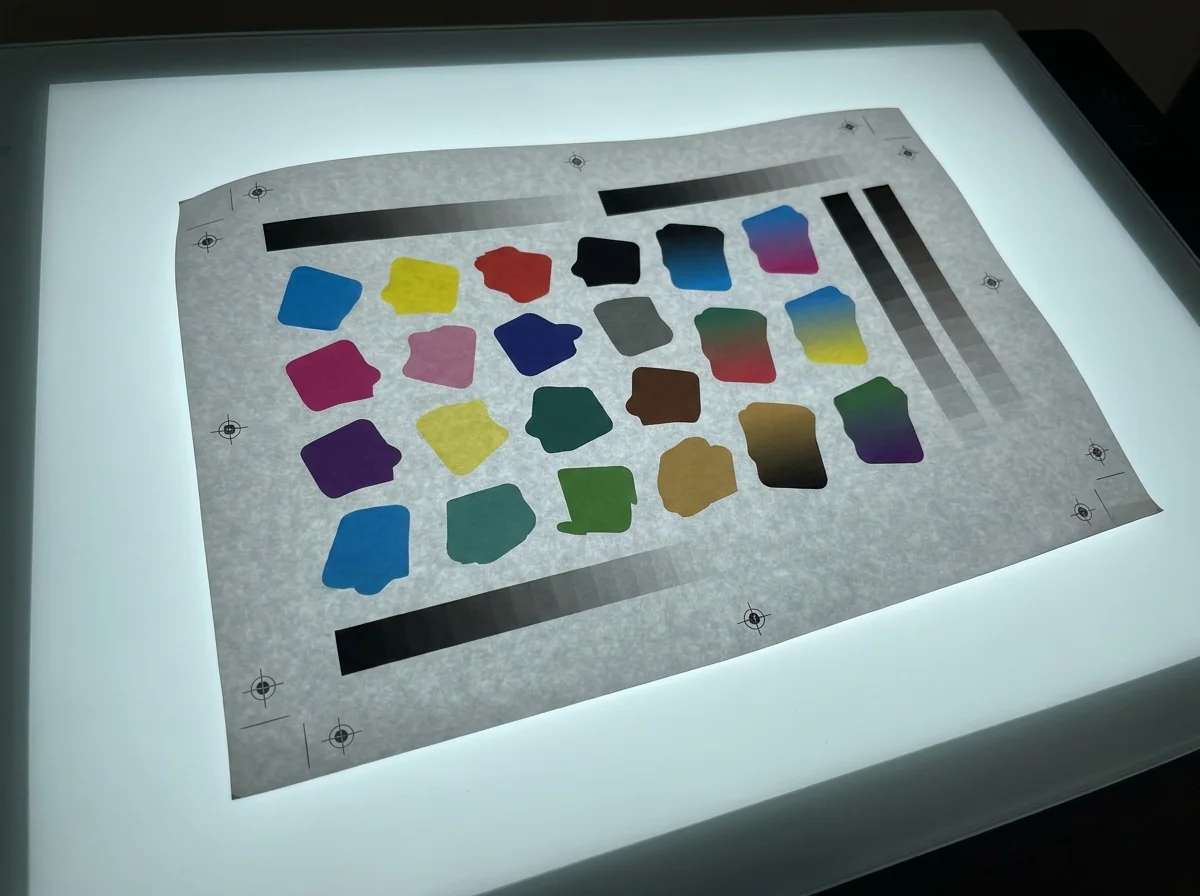
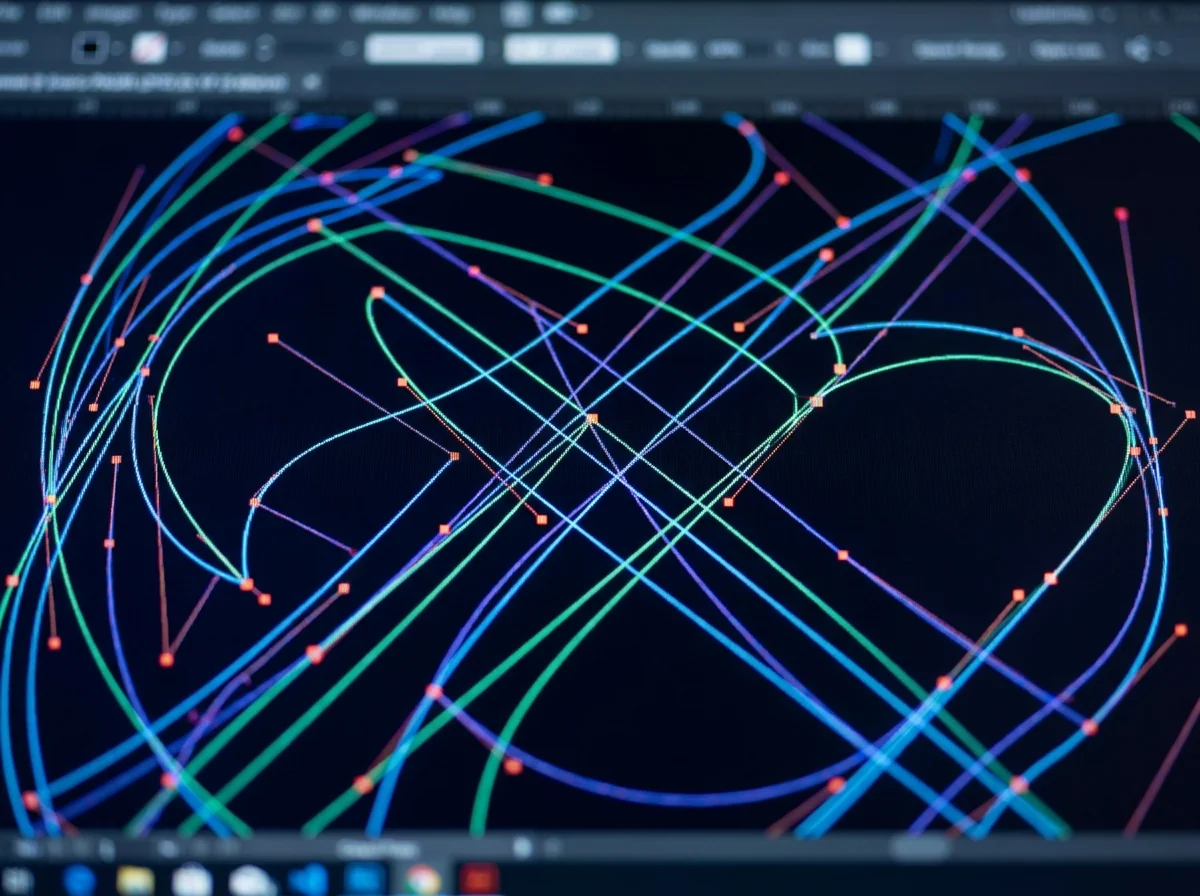
- Vector artwork. A crisp, scalable file — not a screenshot and not a photograph of a logo — because a method that reproduces a mark at full size needs a mark that survives being reproduced. A raster image blown up to the back of a jersey is where the "pixelated logo" failure comes from.
- The placement, named. Where the mark goes decides the method in most cases, so "on the chest" or "down the back panel" is doing more work than a file name is.
- The tier, named. The tier decides whether a surface film needs a carrier or a stitched crest needs a stabilizer — so a decoration request without a fabric named is a request that cannot yet be checked against the matrix.
You do not send files through this page. The form below is a plain submission and physically cannot carry a file, so artwork, the placement note and the tier go to [email protected] — the form carries your details and your message, nothing more. Saying that plainly is worth a sentence, because a file field that pretends to work is worse than not having one.
- Wash and wear
A Mark Is Chosen by How It Ages, Not How It Prints
Every method survives its first day. The question that separates them is what they look like after a season of wash and wear — and that has no invented number, only a mechanism.
Durability on this page is a mechanism, not a number. We do not quote a wash-cycle count because there is no honest single number that holds across every garment; what holds is the way each mark is attached, and that way predicts the ageing.
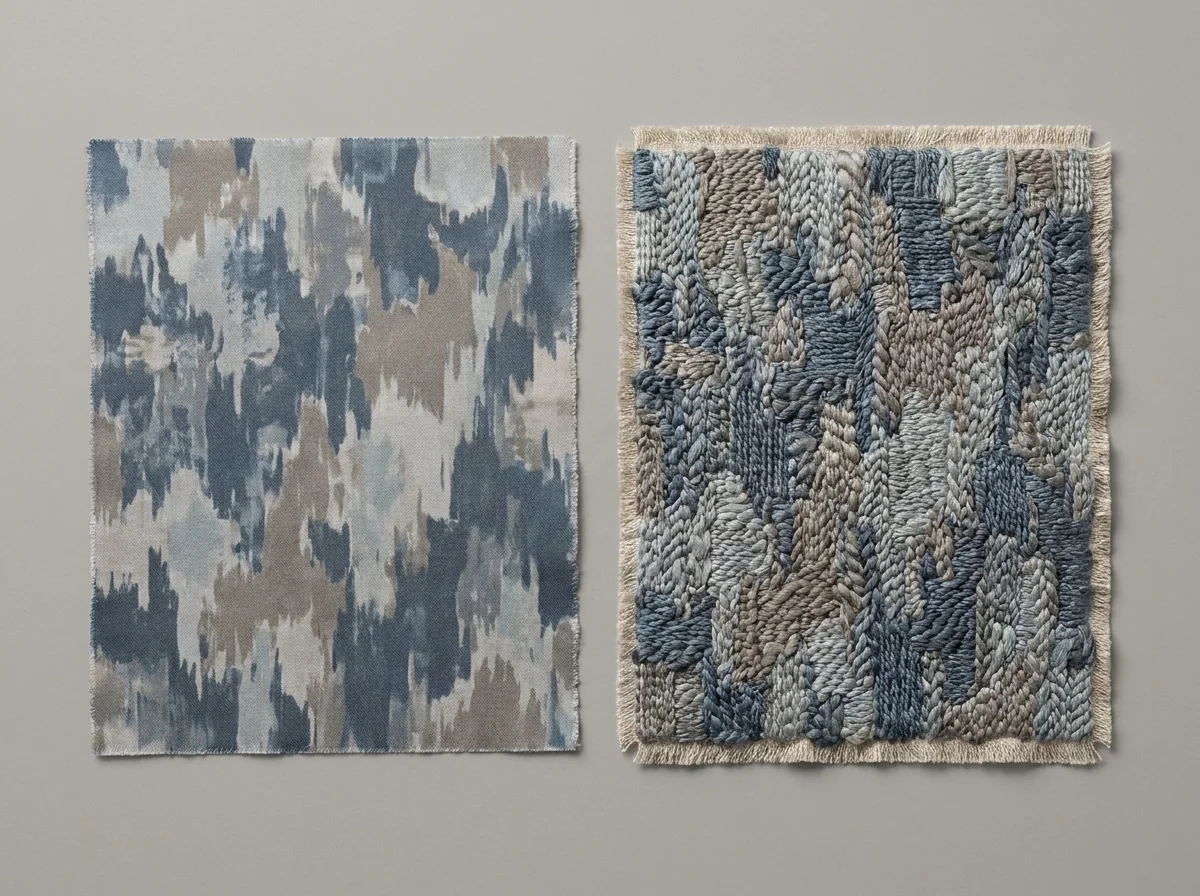
- Sublimation fades like dye fades. The colour is in the fibre, so it cannot crack or peel — there is nothing on the surface to lift. Its ageing is the gentle fade of the dye itself, uniform and without an edge.
- Heat transfer wears at the edge first. A surface film shows its age at the boundary where the film meets the cloth, and on a flexing zone the flex line goes first.
- Embroidery outlasts the cloth around it. Thread is the most wash-stable mark here; the risk is not the thread failing but the stabilizer giving way on the open mesh.
- Reflective dulls as its surface dulls. Its life is measured in how long the surface keeps reflecting, not in how long the colour holds.
- Silicone wears smooth. The bead loses grip before it fails cosmetically — it is a mechanical part, and mechanical parts wear on the contact face.
The fabric underneath is held to the same standard: our body fabric is abrasion-tested to 30,000 Martindale cycles before cutting, and the decoration is chosen so it is not the weak point sitting on top of that floor. If you want the full fabric argument, it is on the fabric development page.
- The boundary
Four Things This Page Leaves to Their Own Pages
Method-and-fabric compatibility is this page's whole job. The four things below are where a reader should go next, and each has a page that owns it.
- Where the mark actually goes on a kit. The placement zones and sizing rules are the kit design page's job — this page only cares that placement is the first decision variable.
- Which fabric to pick. The three tiers are named here; the full argument for choosing between them — the weight band and the abrasion floor — is the fabric development page's job.
- What it costs and what the minimum is. Decoration method does not change how a minimum is counted, and no number on this page touches price — both are answered in full on the MOQ & wholesale pricing page.
- Chamois and one-piece construction. Those are a development capability, not a product line, and they are covered on the chamois development page.
This page does not name a number for anything it cannot stand behind. Price, minimum, wash cycles, water resistance — each of those has an owner page or no page at all, and a printing page that guesses at them is doing damage it cannot see.
Six Questions That Arrive Before Any Artwork Is Sent
Which method works on every fabric tier?
Silicone grip. It sits on the cuff or the hem — a construction, not the body fabric — so the tier underneath does not matter to it, and it is full across all three columns. Sublimation is full wherever there is a fibre face to dye, but not on the laminate, whose face is a membrane.
Can I use embroidery on every tier?
On the medium-weight body knit, yes — it is the solid base a stitch needs. On the open mesh, yes with a stabilizer, because the weave is too open to hold a flat stitch. On the windproof laminate, no — the needle goes straight through the membrane, so a stitched crest is not recommended there.
Making the Choice
Do you recommend a method, or do I have to decide?
Either. Tell us where the mark goes, which tier it lands on and what it has to do, and we will match it against the matrix — or send a method you have already chosen and we will confirm it holds on your fabric.
Can one kit use more than one method?
Yes, and most do. A jersey commonly pairs a sublimated full-panel graphic with an embroidered crest or a heat-transferred number — as long as each mark is matched to the tier of the panel it sits on, which is exactly what the matrix is for.
Before You Send
Does the method change the minimum order?
No. Decoration method does not change how a minimum is counted, and this page does not carry that number — the minimum and the pricing logic are answered in full on the MOQ & wholesale pricing page.
What do I send, and where?
Vector artwork, the placement named, and the tier named — sent to [email protected]. The form on this page carries your details and message and physically cannot carry a file. We reply within 24 business hours, and once the artwork and the fabric are both on file, the method decision gets confirmed before a sample is cut.
Send the Artwork, or Ask Us to Match the Method
The most useful first message names three things on one line: the placement, the tier, and what the mark has to do. Send those — or the artwork itself — and we will reply within 24 business hours on a working day, then confirm the method against the matrix before anything is cut.
- Reply within 24 business hours. Monday to Friday.
- Quote within 48 hours of a complete pack. You do not need one to start.
You do not send files through this page. If you already have artwork, email it to [email protected] and reference this enquiry — the form beside this is a JSON submission and cannot carry a file, so there is no file field on it.