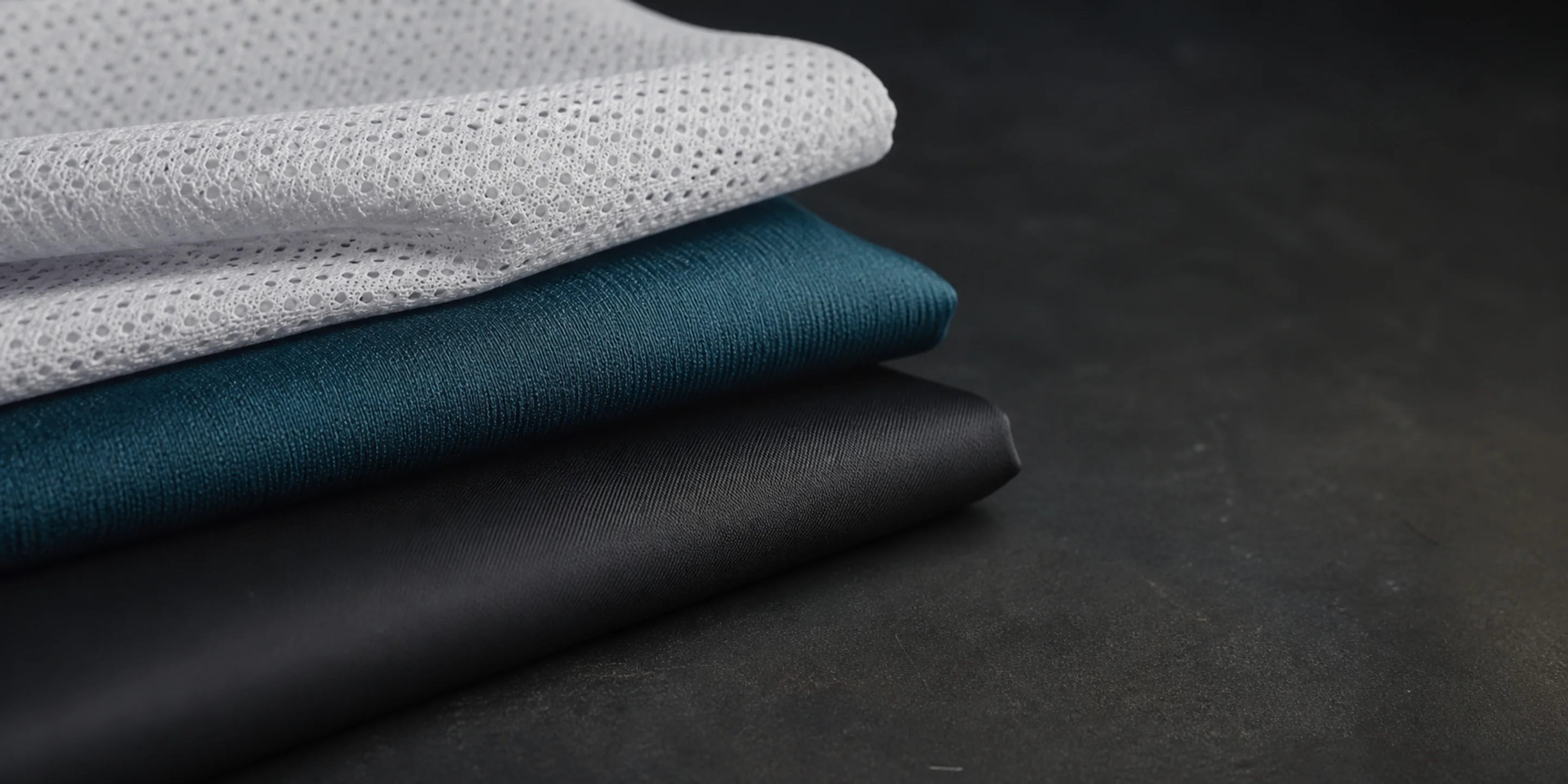
Cycling Jersey Fabric Types: Our Three-Tier Library and How to Pick
Three fabric tiers, one nylon/spandex base — see what each one is built for before you spec your kit.
The Three Fabric Types in Our Library
Every kit we build draws from these three tiers — not a fourth option, not a custom blend built to order.
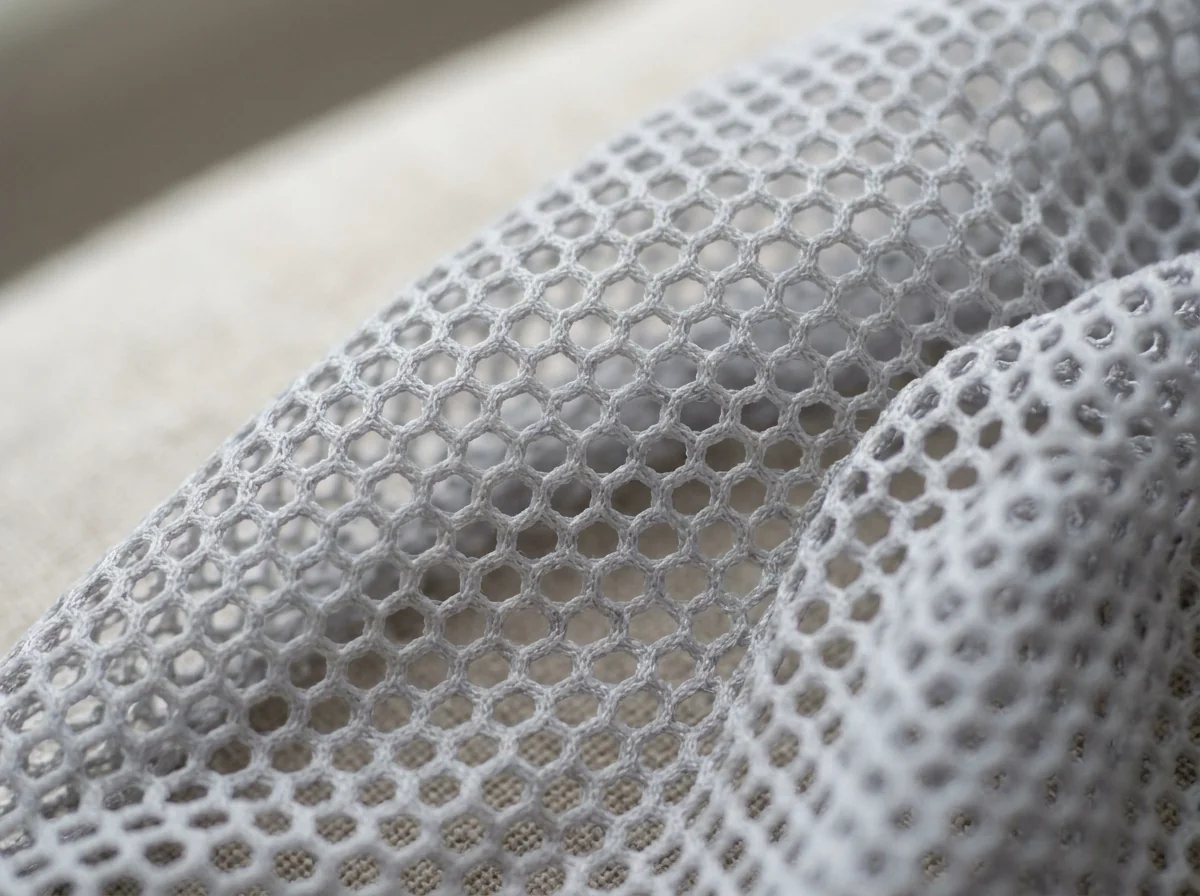
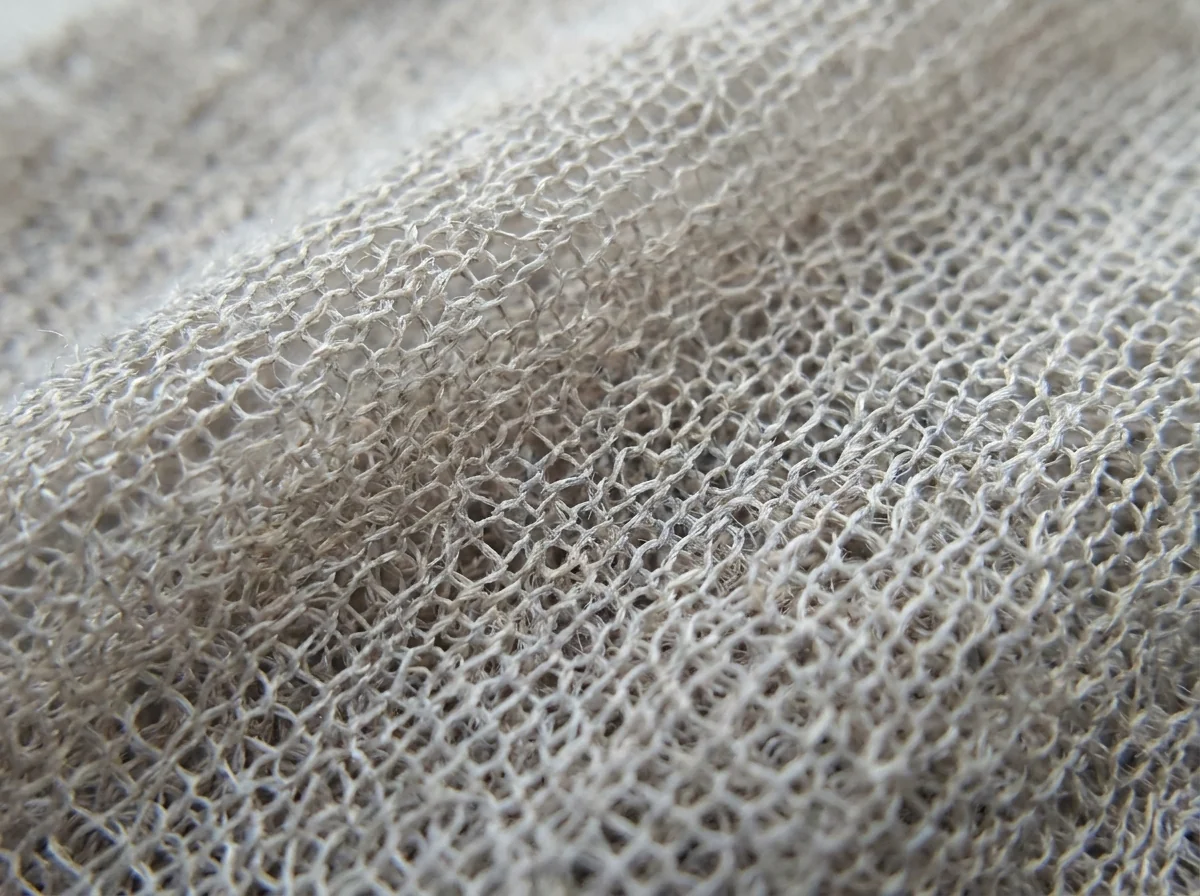
Lightweight Summer Mesh
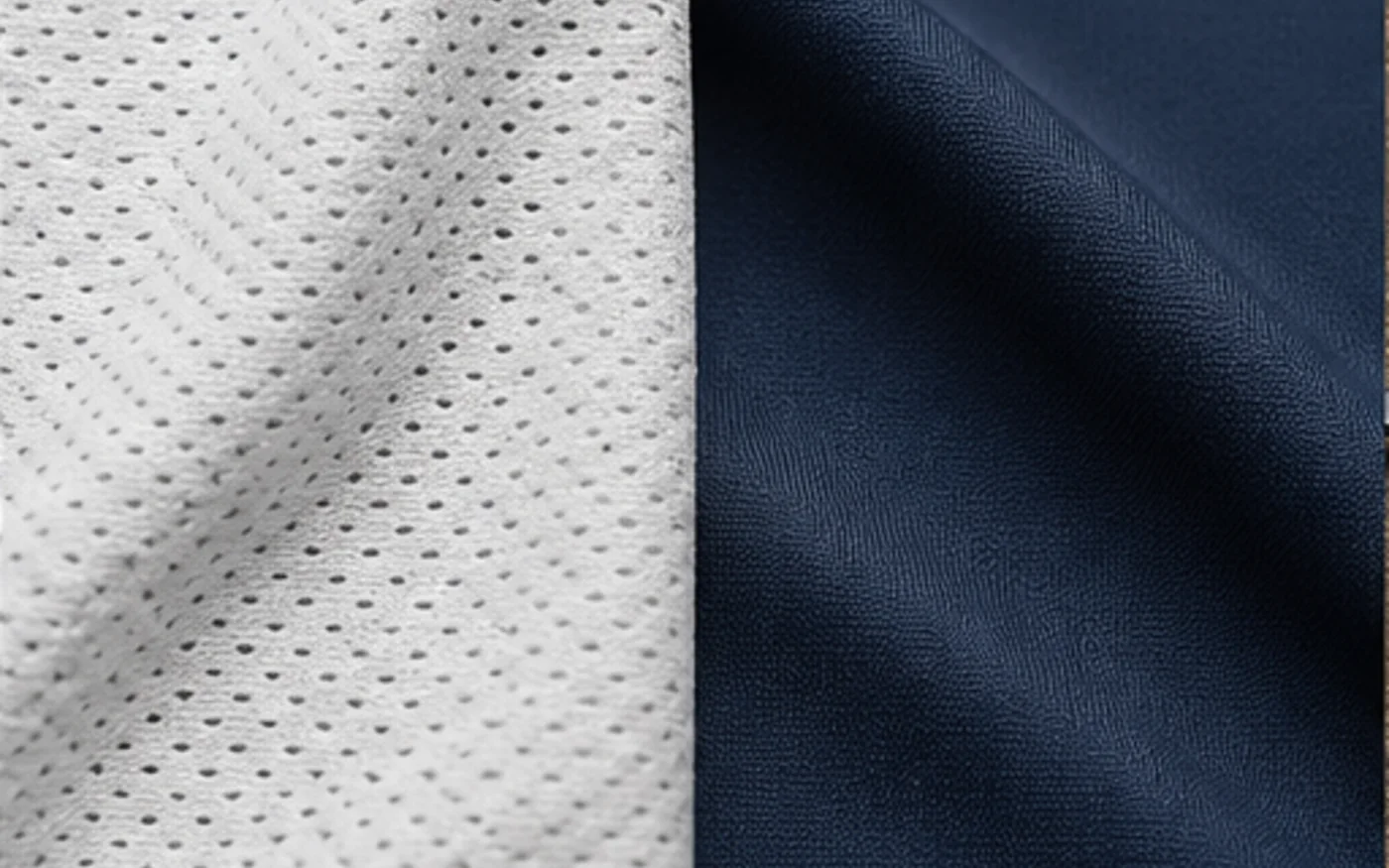
88/12 nylon/spandexThe highest mesh ratio and lowest weight in the library. Built for heat management, not wind protection.
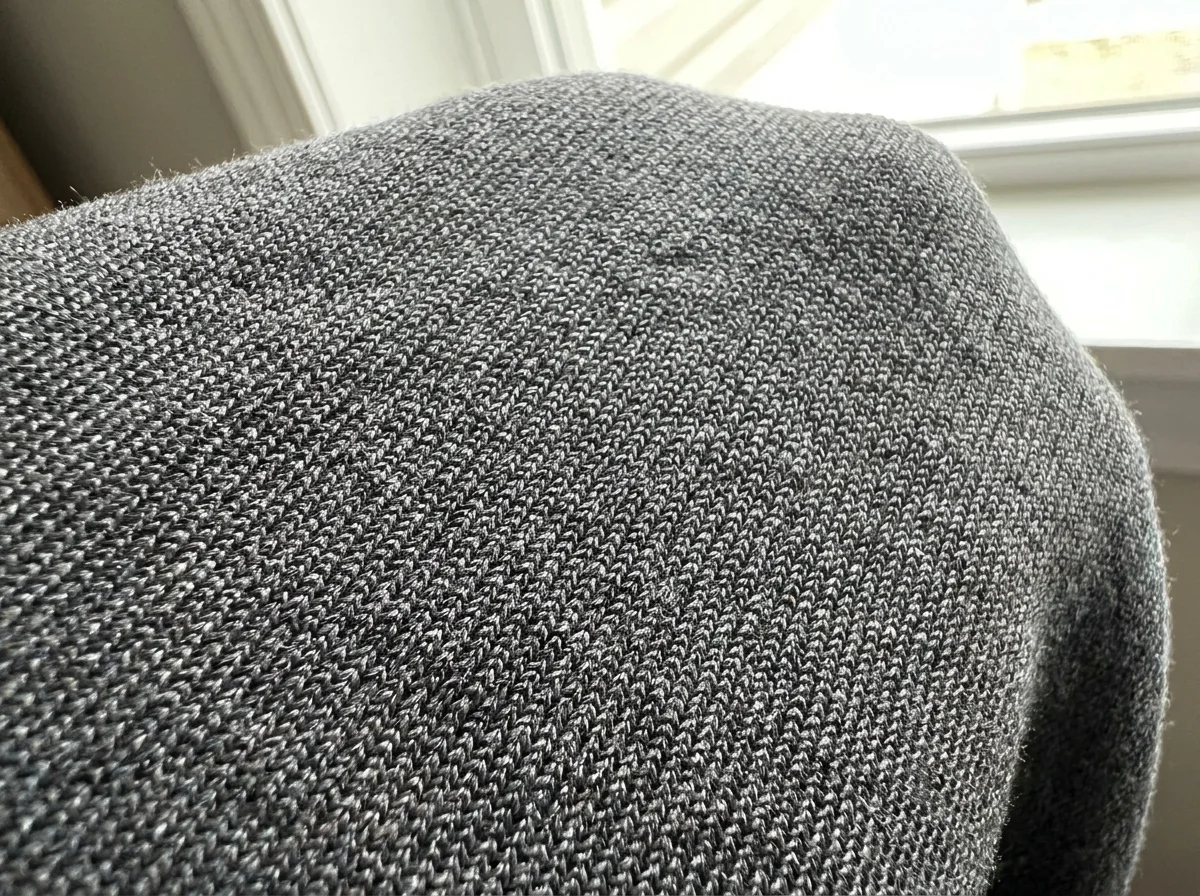
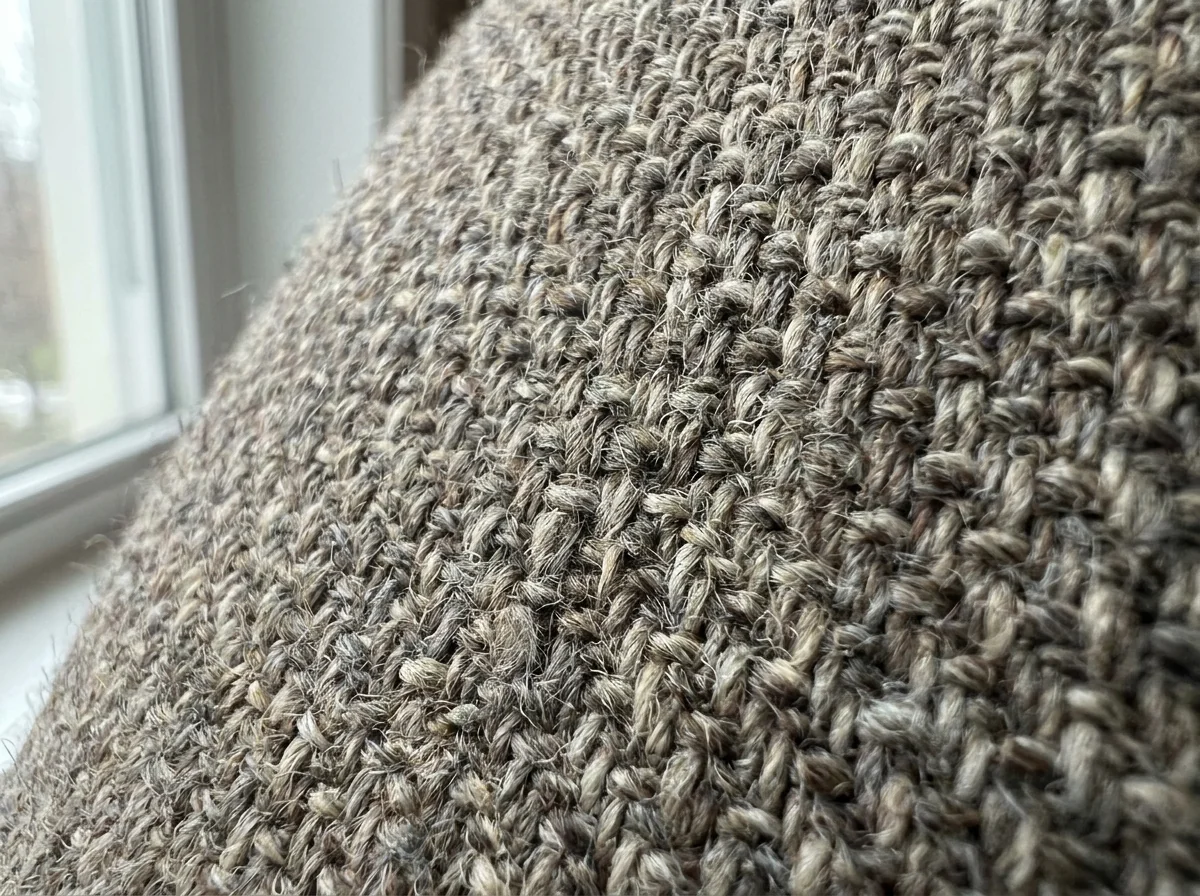
Medium-Weight Stretch
90/10 nylon/spandexFour-way stretch, the default tier for a standard road or commuter build. This is the tier most kits start from.
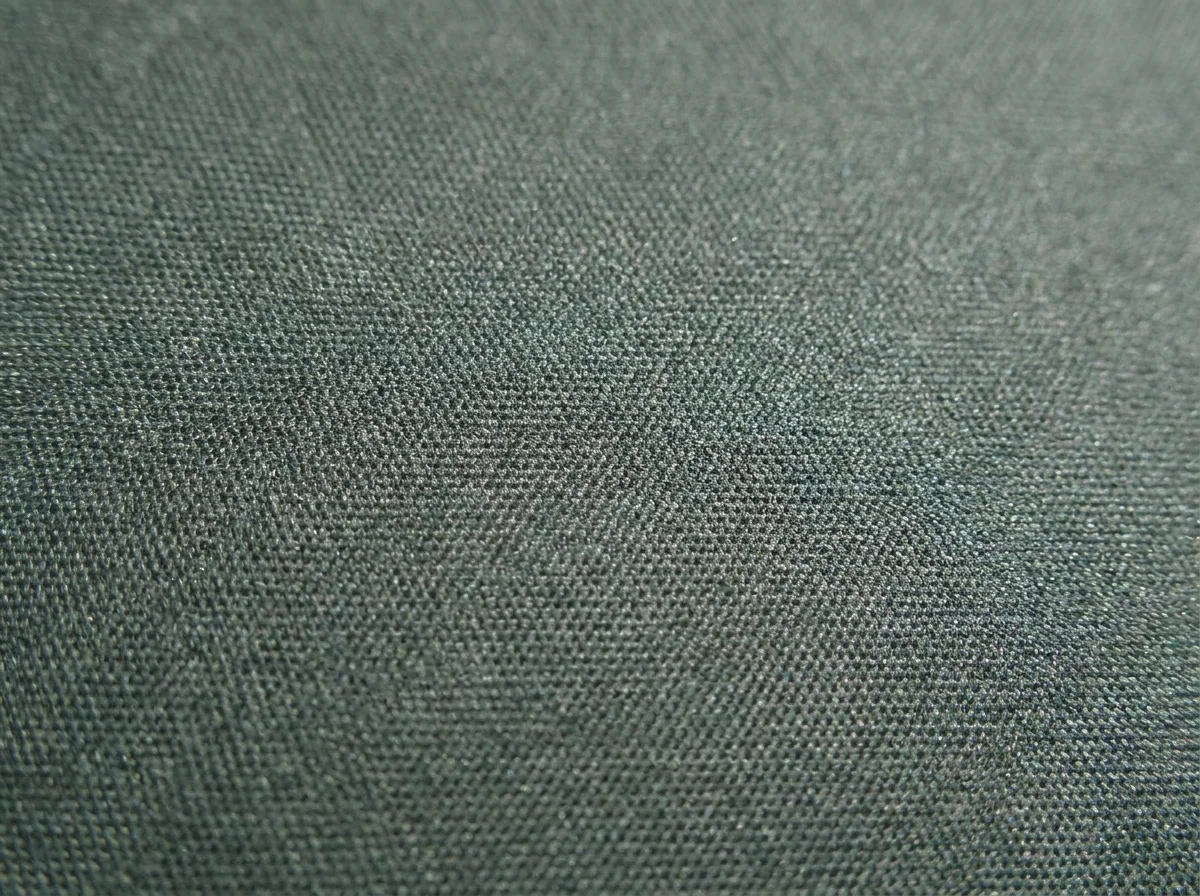
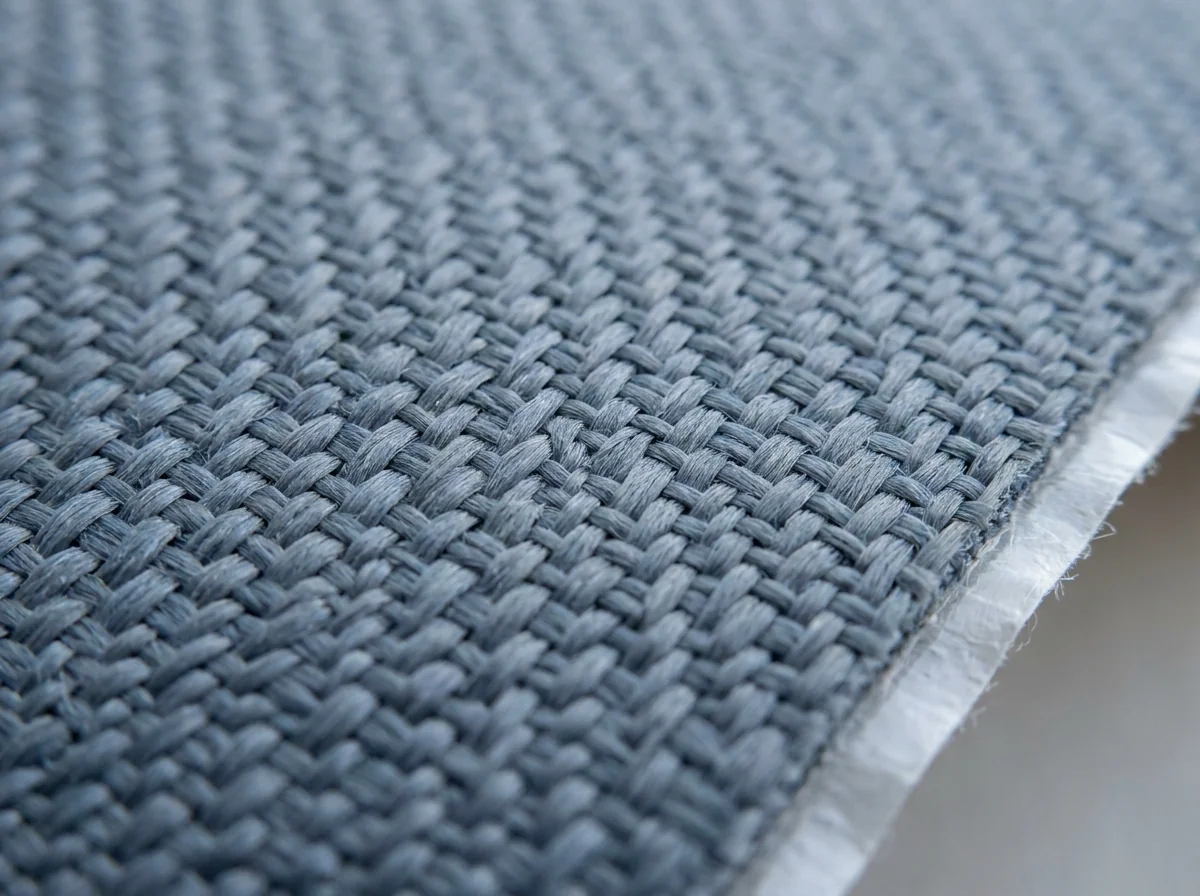
Windproof Laminate
91/9 nylon/spandexThe same base blend with a wind-resistant membrane added. Built for exposure, not for warm-weather breathability.
All three are two-component nylon/spandex — we don't run a three-component blend, and we don't claim one. If a spec calls for a tri-blend fabric, that's outside what this library can deliver.
The Three Variables That Actually Set a Tier
Weight, finish, and stretch recovery are what actually separate one tier from another — not the label on the roll.
Read together, the three variables below explain why the tiers exist as fixed points instead of a continuous range of custom weights.
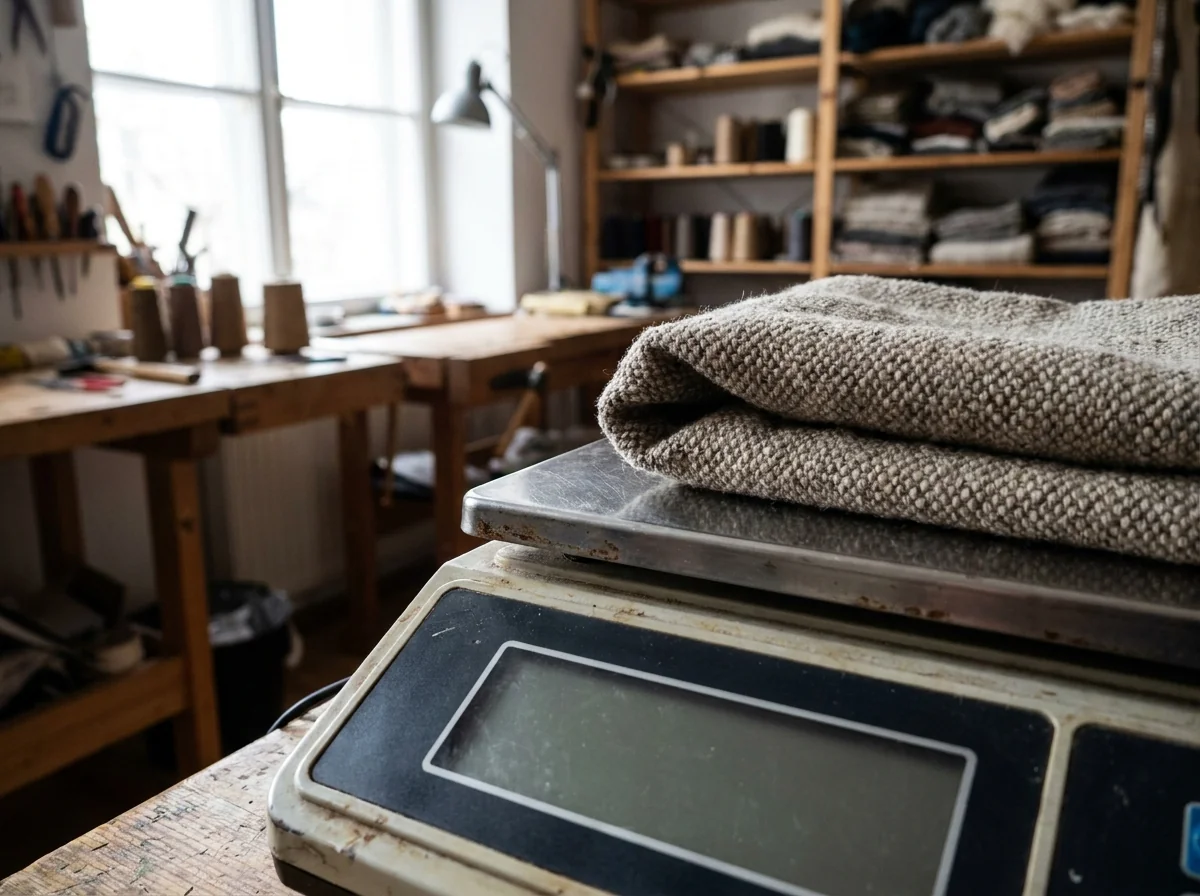
Weight (GSM)
Grams per square meter is the first variable, and it moves in one direction across the library — lightest for the summer mesh, mid-range for the stretch main body, heaviest once the windproof laminate's membrane is bonded on. A buyer reading a spec sheet by GSM alone can place a fabric in roughly the right tier before ever touching a swatch.
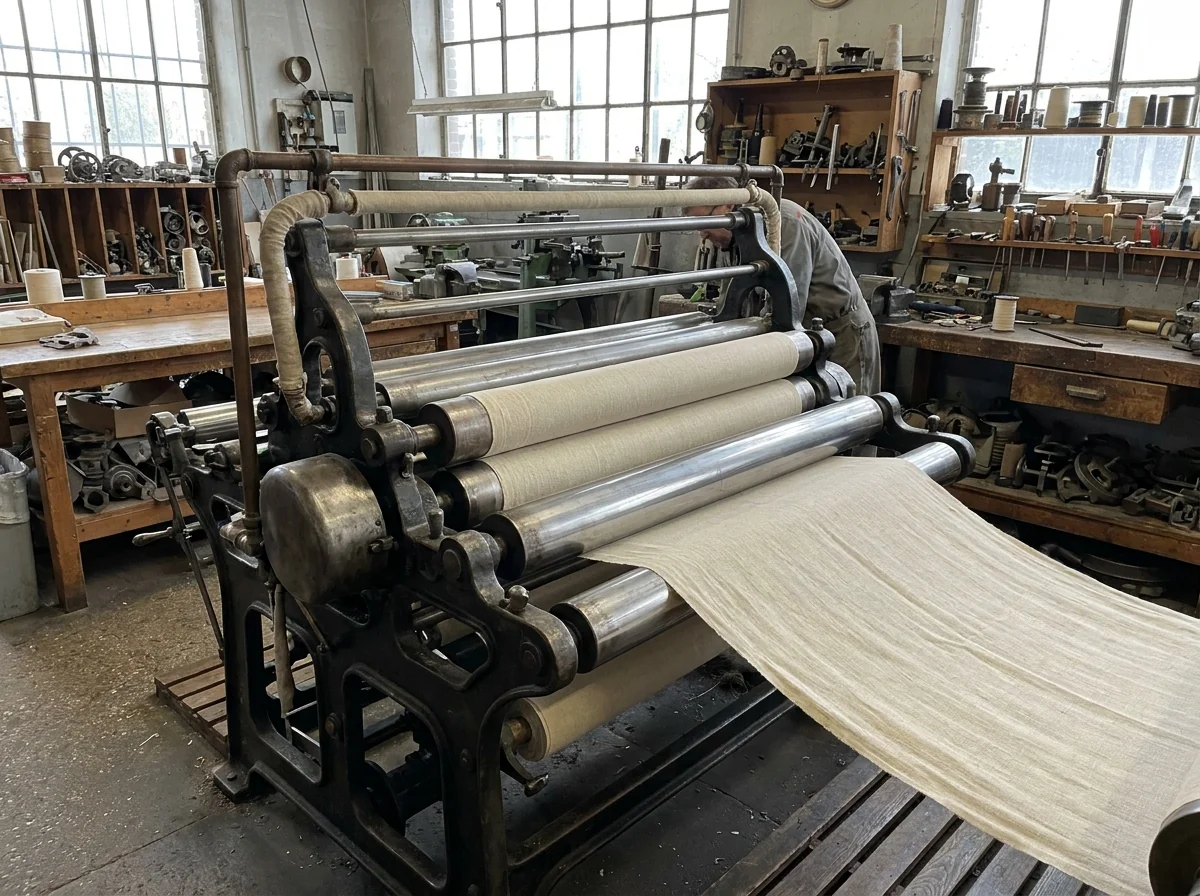
Finish / Post-Treatment
The base nylon/spandex knit is the same family across all three tiers, but what gets applied after knitting is what actually delivers the tier's job. The mesh gets an open, moisture-wicking finish; the stretch main body gets a finish tuned for four-way recovery under repeated motion; the laminate adds the wind-resistant membrane itself, which is a bonded layer, not a surface coating. OEKO-TEX® STANDARD 100 certification applies at the fabric level across the library, so a finish being functional doesn't mean it's untested for skin contact.
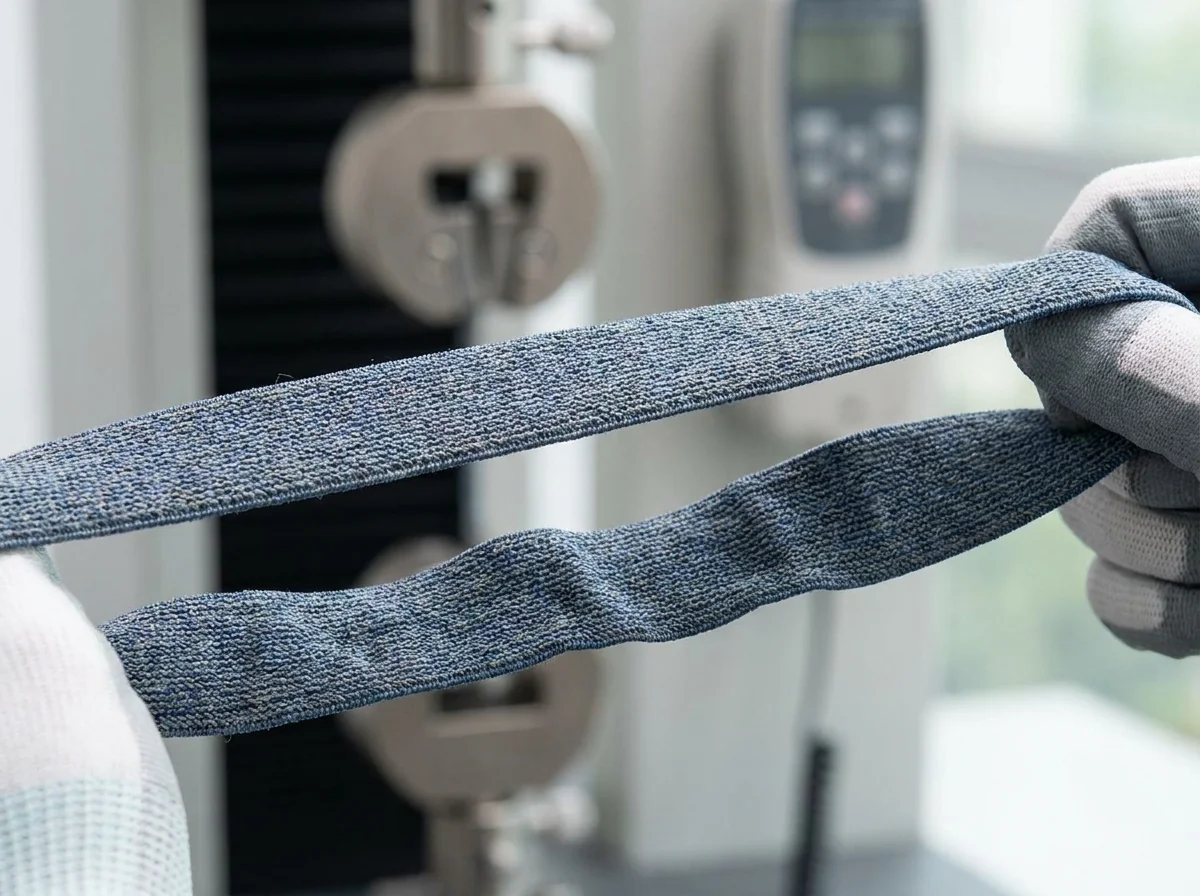
Stretch Recovery
How completely a fabric returns to its original shape after being stretched, not just how far it stretches in the first place. This is the variable buyers most often skip, and it's the one that most affects how a finished piece fits after repeated wear, not just on day one.
These three variables move together, not independently — a tier isn't "high GSM" or "high recovery" in isolation; it's a specific combination, which is why the library holds three fixed tiers instead of a spectrum of custom weights. A spec asking for a high GSM paired with the mesh's open finish, for example, is asking for two variables that don't travel together anywhere in this library.
What Each Tier Actually Trades Off
Picking a tier means accepting what it's weak at, not just what it's good at.
| Tier | Strongest At | Weakest At |
|---|---|---|
| Lightweight Summer Mesh | Heat dissipation, lowest weight on the body | No wind resistance — the first cool headwind cuts straight through it |
| Medium-Weight Stretch | Balanced fit and recovery across a full ride | Not built for sustained cold or wet exposure |
| Windproof Laminate | Wind and light-weather resistance | Heavier and less breathable — the wrong call for a hot indoor session |
None of the three is a strictly better version of another — each one solves for a condition the other two aren't built to solve for. A kit built entirely from the windproof laminate for an indoor trainer session is simply the wrong tier for that scenario.
What Actually Changes as Spandex Percentage Moves
The three tiers aren't three different fabrics — they're three points on the same nylon/spandex ratio line, and each point trades the same three things differently.
All three tiers sit on a single ratio line — 88/12, 90/10, 91/9 — and moving along that line doesn't just relabel a fabric, it trades off hand-feel, recovery, and breathability in a specific direction.
| Ratio | Hand-Feel | Recovery | Breathability |
|---|---|---|---|
| 88/12 (Lightweight Summer Mesh) | Softest, most give under light pressure | Recovers fast but with less holding force | Highest — the point of this ratio |
| 90/10 (Medium-Weight Stretch) | Firmer, more structured hand | Strongest recovery of the three — holds shape through a full ride | Mid-range, balanced against recovery |
| 91/9 (Windproof Laminate base) | Firmest before the membrane is even added | Recovery matters less once the membrane is bonded on | Lowest — traded away for wind resistance |
Spandex percentage and breathability move in opposite directions across this line — more spandex firms up the hand and locks in recovery, less spandex opens up airflow. There's no ratio in this library that maximizes all three at once, which is the same reason section 4's comparison table shows a weakest column for every tier, not just the laminate. A buyer choosing by hand-feel alone, without checking the recovery and breathability columns, is only reading one column of a three-column decision.
How Buyers Actually Pick a Tier
The choice isn't preference — it follows from four variables you already know before you ask us.
- Riding scenario — an indoor kit rarely needs the laminate; a bikepacking kit usually does.
- Season and duration — a short commute and a multi-hour cold-weather ride sit at opposite ends.
- Which piece it's going on — tier is a per-piece decision, not a whole-kit rule.
- Decoration compatibility — flag the pairing before you lock a tier.
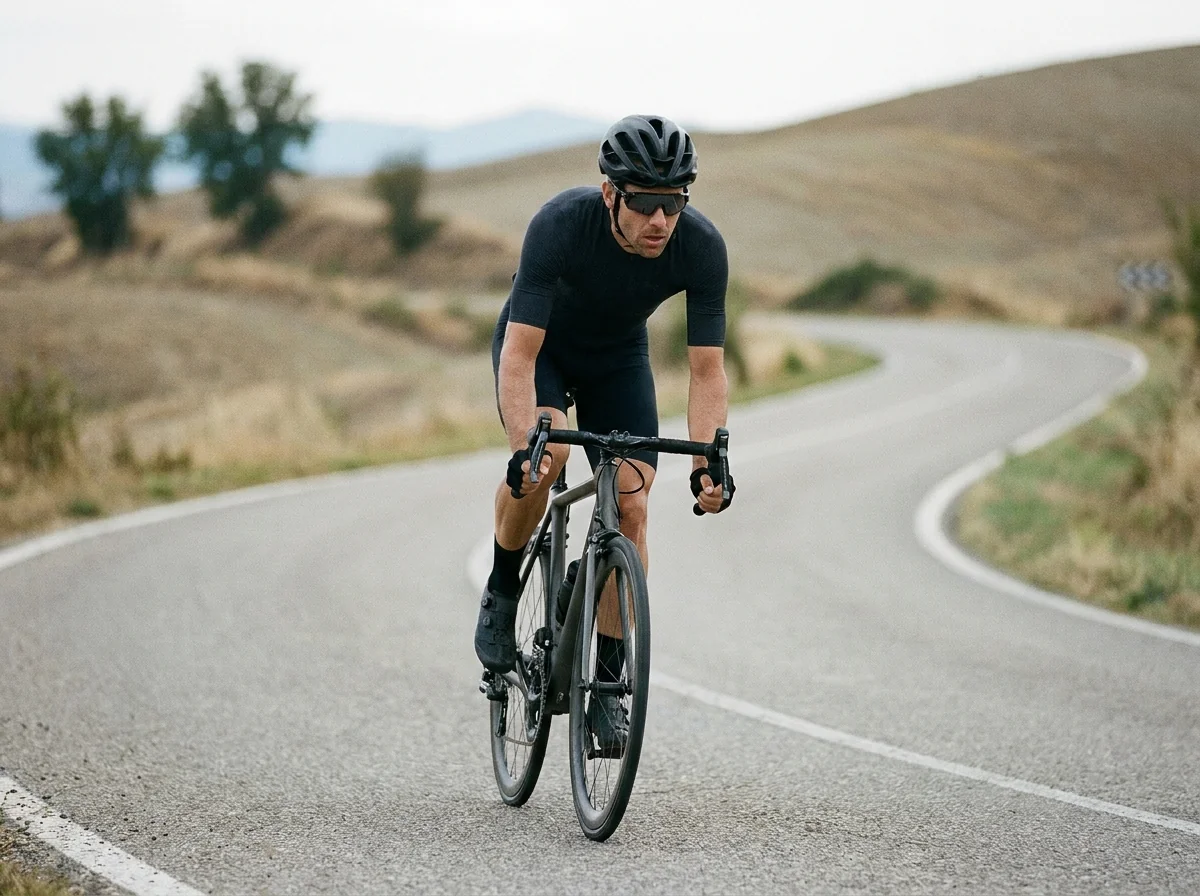
Riding Scenario
An indoor kit rarely needs the windproof laminate at all; a bikepacking kit almost always does. Full scenario-by-scenario reasoning lives on our six scenario pages.
Season and Duration
A short summer commute and a multi-hour cold-weather road ride pull toward opposite ends of the library, even within the same rider's wardrobe.
Which Piece It's Going On
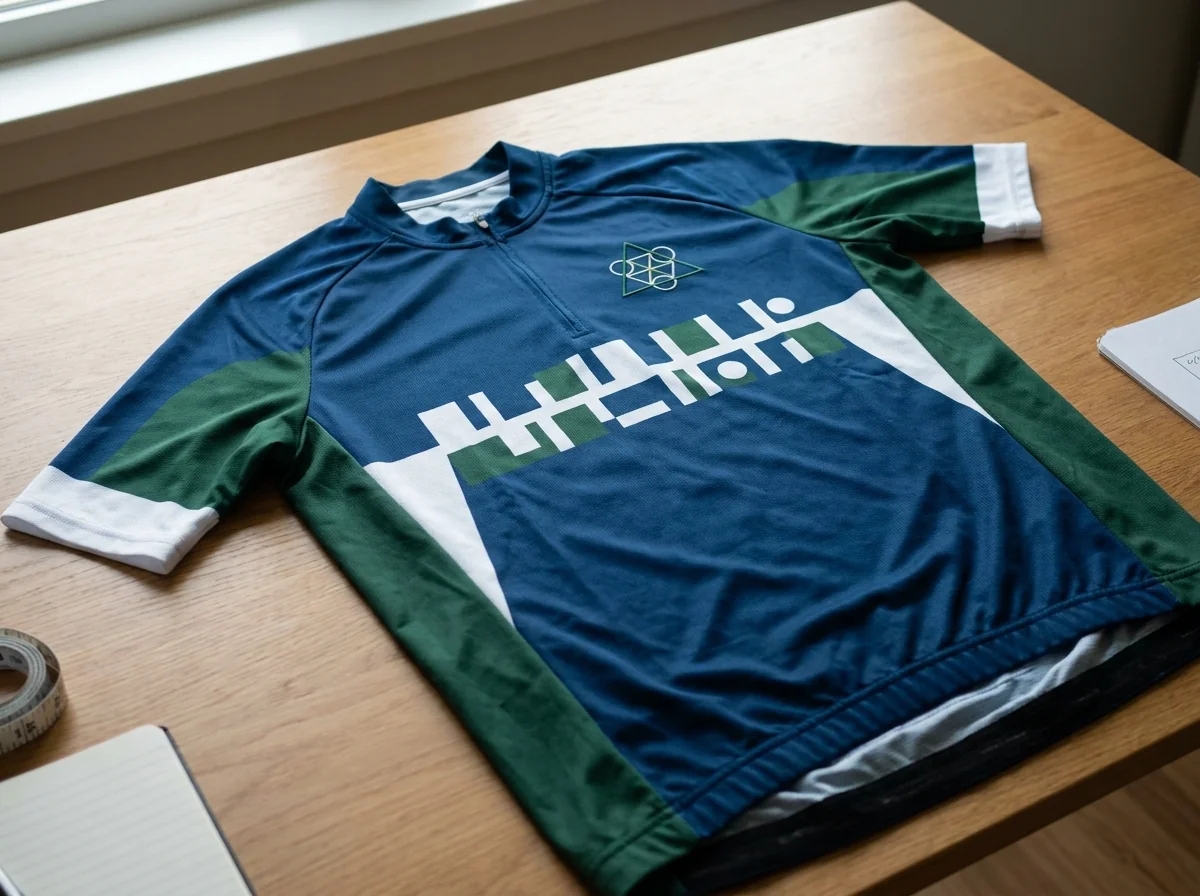
The same rider's kit often mixes tiers — mesh on a jersey, laminate on a jacket. Tier is a per-piece decision, not a whole-kit rule.
Decoration Compatibility
Some decoration methods perform differently across tiers — that pairing question belongs on our Printing Methods page, but it's worth flagging before you lock a tier.
Already Know Your Tier?
If you've already matched your scenario to a tier, tell us and we'll confirm it.
Where Fabric Gets Decided in the Development Process
Tier selection isn't a late-stage detail — it's locked before sampling starts, not adjusted after.
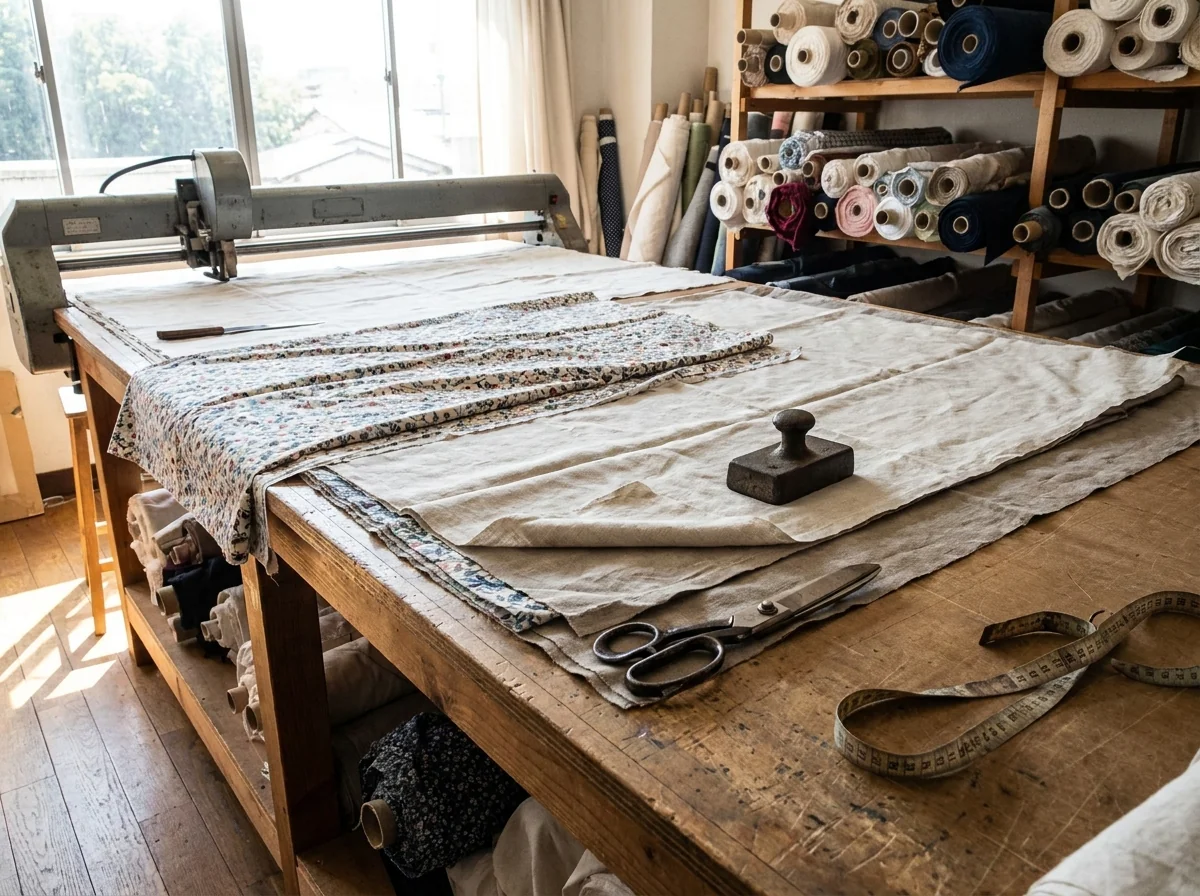
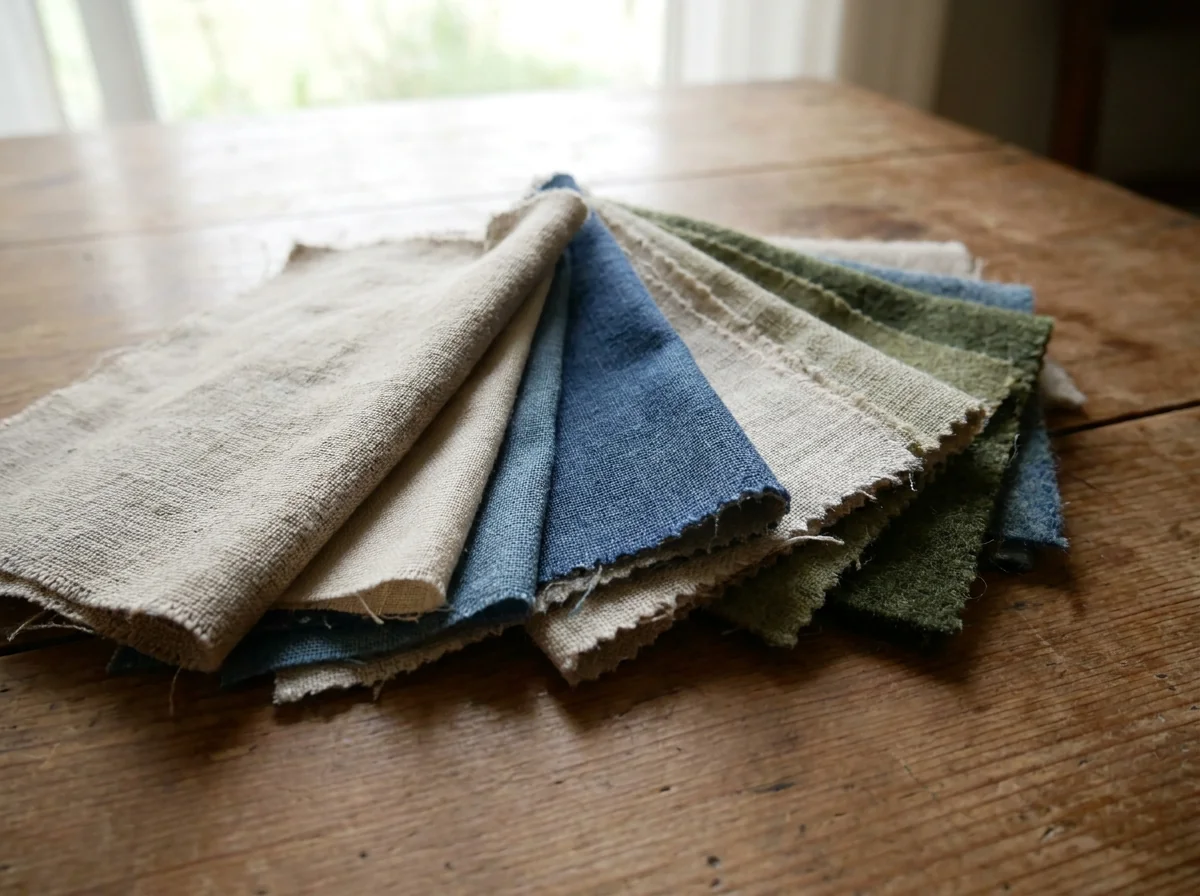
Fabric tier is confirmed during material selection, the third step in our development framework — after the scenario and piece list are set, before the first physical sample is cut. Changing tier after sampling begins doesn't just swap a swatch; it reopens the sample itself, because weight and stretch behavior affect how the pattern was cut in the first place.
That's why section 6's variables matter early: a tier decided at the brief stage costs nothing extra. A tier decided after the first sample arrives costs a second sampling cycle.
What Changing Fabric Mid-Process Actually Costs
"Reopens the sample" isn't a slogan — here's specifically what has to happen.
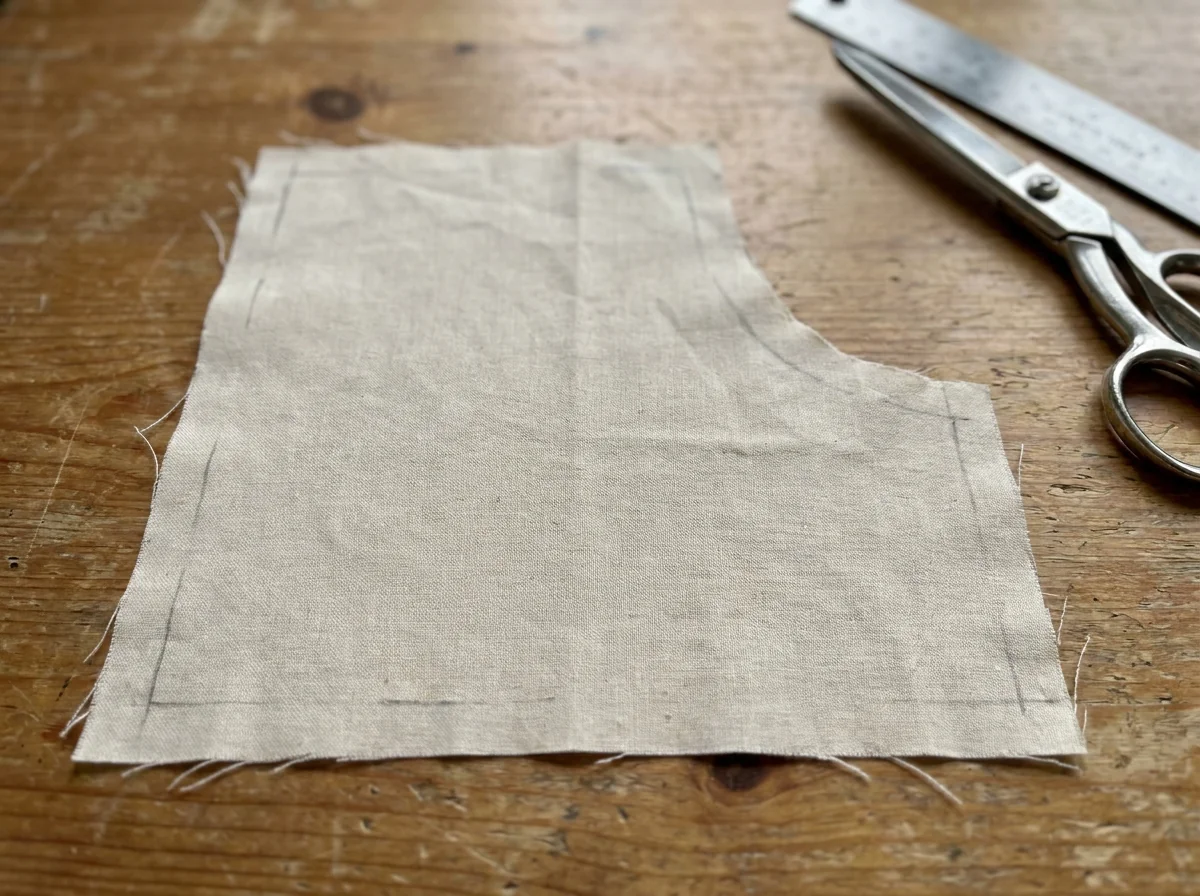
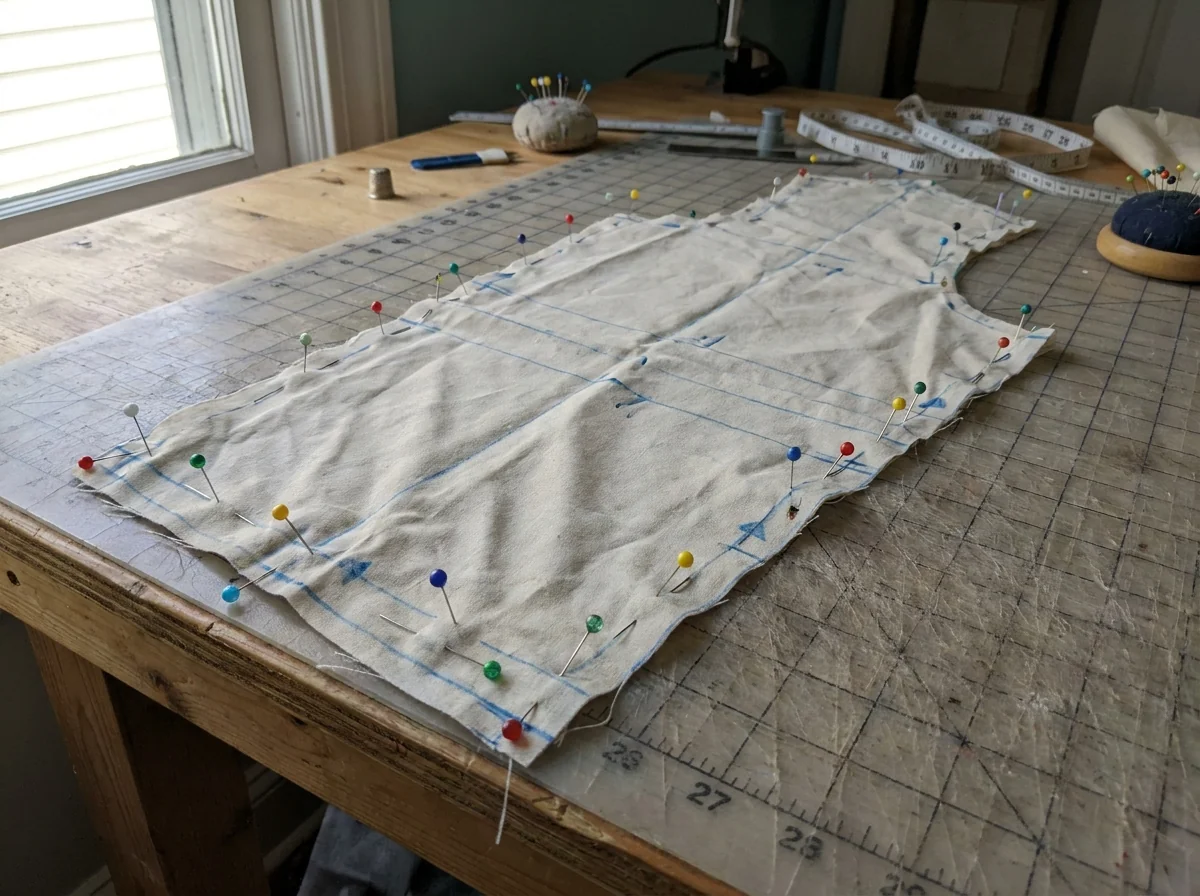
The pattern gets re-cut, not just the fabric swapped.
A pattern is cut to account for a specific fabric's stretch behavior. Move from the medium-weight stretch tier to the windproof laminate after the first sample is already cut, and the panels that were sized for four-way recovery are now sized for a stiffer, lower-stretch fabric — the pattern has to be adjusted before a second sample can be cut, not just re-fed with new material.
The sample timeline restarts, it doesn't extend.
Our standard sample lead time is 5–7 days from a confirmed spec. A late tier change doesn't add a few days to that window — it starts a new 5–7-day cycle, because the sample being revised is now built on a different fabric than the one the first round tested.
It competes for the sample revision allowance.
Two rounds of sample revision come with a standard build. A tier change that happens after the first sample has already used one of those rounds on something else — fit, print placement, construction — now competes with the fabric fix for the round that's left.
Downstream sign-off resets with it.
The material-selection sign-off that unlocked sampling in the first place assumed a specific tier. A late change reopens that sign-off too, not just the physical sample — the same confirmation step from section 8 runs again before the revised sample can move forward.
None of this is a penalty for changing your mind — a scenario can genuinely call for a different tier once a sample is in hand and being evaluated. It's simply why section 6's variables are worth settling at the brief stage: the same decision costs nothing there and a full cycle here. The same variables covered in section 3 are exactly what a brief-stage tier decision is checking before a pattern ever gets cut.
This library holds exactly three fabric tiers — 88/12, 90/10, and 91/9 nylon/spandex — no fourth tier, no custom blend.
Three Things This Page Doesn't Cover
The fabric library and how to pick from it are this page's job — these three things belong elsewhere.
- Print and decoration technique → Printing Methods page
- Which garments make up your kit → Complete Kit Development page
- Pricing and minimum order quantities → MOQ & Wholesale Pricing page

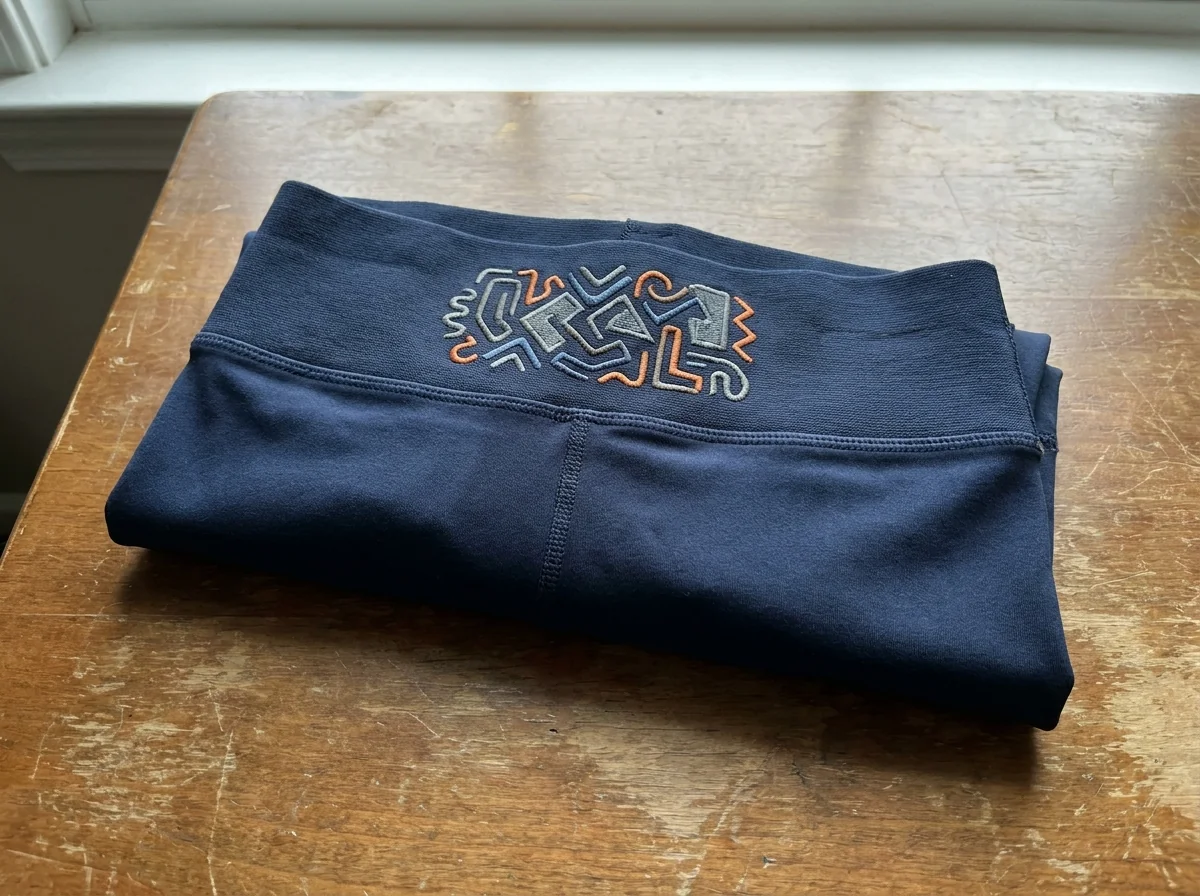
Print and decoration technique.
How sublimation, embroidery, or heat transfer perform on a given tier lives on our Printing Methods page, not here.
Which garments make up your kit.
The six-piece vocabulary and scenario-driven kit composition live on our Complete Kit Development page.
Pricing and minimum order quantities.
Fabric tier doesn't change MOQ logic — that's covered in full on our MOQ & Wholesale Pricing page.
Two Ways to Start
Whichever stage you're at, the first move is one of these two.
Four Points Where a Fabric Choice Goes Wrong
Naming where the mismatch actually happens is more useful than promising it won't.
A tier gets picked by preference, not scenario
"We like how the laminate feels" isn't the same test as "our riders are outdoors in cold weather" — the first is a guess, the second is a real variable.
One tier gets applied to every piece in a kit
A jersey and a jacket in the same kit don't need the same tier — see section 6's per-piece note.
Tier changes after sampling has already started
As section 8 covers, a late tier change reopens the sample, not just the fabric line item.
A tri-blend gets requested against this library
If a spec calls for a three-component fabric, that's a mismatch with what this library can deliver, not a customization request we can quietly absorb.
How to Read a Fabric Spec Line
Every confirmed tier gets a spec line with the same fields — here's what each one is actually telling you.
Once a tier is confirmed, it's recorded as a single spec line with three fields: blend ratio, finish, and certification. A buyer who can read that line can verify which tier they actually received without needing to be a textile technician.
The blend ratio is the field most buyers already ask about; finish is the one that actually explains why one tier feels and performs differently from another once it's in hand. If a spec line arrives without all three fields filled in, that's worth flagging before a sample ships, not after. A spec line that's missing its certification field, for instance, is usually a sign the fabric hasn't been through the standard finishing checks yet.
| Field | Lightweight Summer Mesh | Medium-Weight Stretch | Windproof Laminate |
|---|---|---|---|
| Blend ratio | 88/12 nylon/spandex | 90/10 nylon/spandex | 91/9 nylon/spandex |
| Finish | Open, moisture-wicking | Four-way recovery finish | Wind-resistant membrane bonded |
| Certification | OEKO-TEX® STANDARD 100 | OEKO-TEX® STANDARD 100 | OEKO-TEX® STANDARD 100 |
Common Questions Before You Confirm a Tier

Can we mix fabric tiers within the same kit?
Do you offer a tri-blend or performance composite fabric?
Which tier is the default if we don't specify one?
Can we change our fabric tier after the first sample?
Does fabric tier affect pricing?
What's the difference between the three nylon/spandex ratios?
Does a fabric's weight tell us which tier we're getting?
What should we do if a received sample doesn't match its spec line?
Start Your Fabric Conversation
Tell us your scenario, or your tier if you already know it — we'll confirm the rest.
Replies land within 24 business hours.