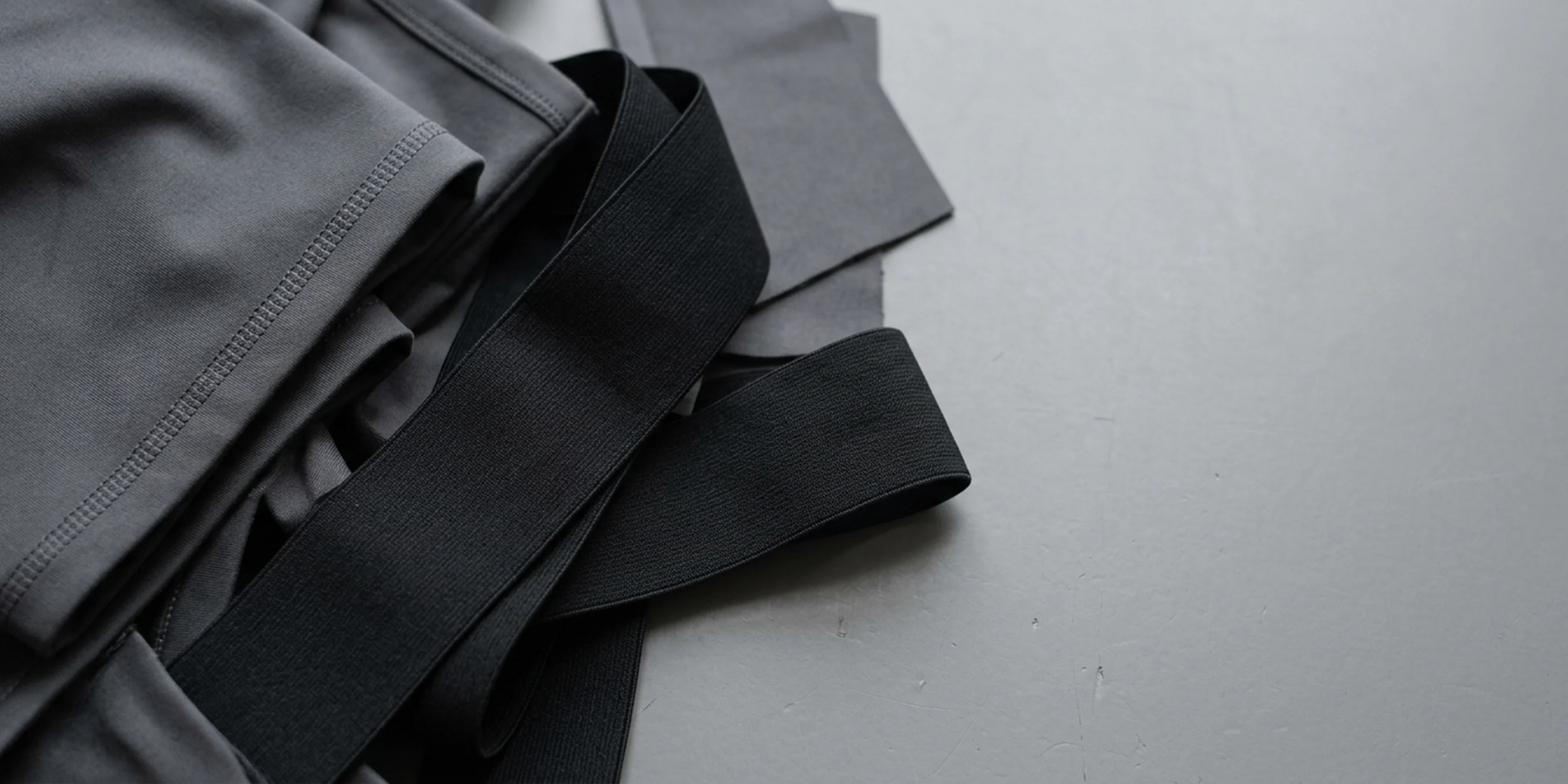
Chamois & bib development
Cycling Chamois Development: Your Pad Specification, Our Garment Around It
You already have a pad supplier. What decides whether a rider is still comfortable in hour four is the garment built around that pad — and that is the part we develop, sample and hand back to you.
No tech background needed — just tell us where it hurts.
- Built for hour four
- Seam off the aperture edge
- Men's and women's, two patterns
Where the line is drawn
What Arrives From Your Side, and What Gets Developed Here
Stated before anything else, because a chamois page that never draws this line is selling something it does not have. The pad is yours. The garment around it is ours.
- Yours
- Ours
Cycling Apparel Factory develops chamois and bib construction against a pad specification you supply, from your own pad supplier. This page is about the half of that job that belongs to us.
The pad is a component you choose. Whether it is still where it started after three hours is decided by something else entirely: where the compression band runs and where it stops, how far the seams are routed clear of the pad edge, what the leg opening does to hold the panel down, and where the aperture for the pad sits on the flat pattern.
Those four are the whole of this page. How a pad is constructed internally is your supplier's subject and not ours — we hold no pad line, no foam tooling and no density data, and this page states that in every section rather than once in a disclaimer. How a riding position becomes a pattern, which knit a panel takes, and how a sample round is run each have a page of their own and are not repeated here.
- Yours
- Ours
| Yours — arrives with the brief | Ours — developed against it |
|---|---|
| The pad itself, and the supplier it comes from. Which pad, from whom, built how — your decision and theirs | The aperture it sits in: where the opening is placed on the flat pattern, and how the panels around it are drawn |
| The pad specification sheet — the dimensions and construction your supplier publishes for it | The compression-band layout: where the band starts, where it stops, and how much of the panel it holds |
| What went wrong last time, on which garment, at which hour of which ride | The seam paths: which seams are allowed near the aperture edge and which get routed away from it |
| The size spread of the roster, and whether men's and women's are both in it | The leg opening: what anchors the panel at the bottom so the aperture stays where it was drawn |
| — your supplier's call on how the pad is constructed internally | The fabric-to-pad contact: which way the stretch runs in the panel that meets it |

- Ours
- Ours
Where Each Neighbouring Question Is Answered
This page is one link in a chain, and the chain only works if nobody claims someone else's link.
| The question | Where it is answered |
|---|---|
| How the garment around a supplied pad is developed | Here. It is the only question this page answers |
| How a riding position becomes a pattern — allowance allocation, grading | Riding Fit & Pattern Development |
| Which blend and which weight a panel takes | Custom Fabric Development |
| Tri suits, one-piece and two-piece — same rule, development and sampling only | Custom Triathlon Suit |
| How a sample gets made and signed off, what a revision round covers | Sampling & Prototyping |
| What gets checked before a carton closes | Cycling Apparel Quality Control |
Four Things We Will Not Do, Even If You Ask
Because each one would be us claiming a capability that sits with your supplier.
- We will not pick the pad for you, and will not name a foam brand as a recommendation. We work to the specification you hand us.
- We will not tool or manufacture a pad. There is no pad line here and no moulding capability — that is not a modest way of saying we are new at it.
- We will not publish internal pad figures — densities, thicknesses, coverage areas — as though they were our findings.
- We will not tell you your supplier is wrong on the basis of one sample. What we can say is where the garment moved.
A case we have had, in five parts
Three Factories, One Unchanged Pad Spec, and the Part Nobody Had Written Down
The case below is the one that reaches us most often, set out the way a buyer would audit it: what arrived, what the analysis showed, what we do about it, what that settles, and where it leaves the buyer.
1 The case, as it arrived
A founder had been through three factories with the same pad specification each time, and had the same complaint back each time.By the third one the conclusion was that the pad was wrong.Two other buyers arrive at the same place by different routes: one holding a supplier's specification sheet of dimensions and construction notes that never says which lines are ours to act on and which are the supplier's, and one who ordered a single pattern for a mixed roster and got the complaints back from one half of it.
2 What the analysis showed
The pad was the one thing that never changed. What changed every time was the garment around it — a different band layout, different seam positions, a different leg opening — and none of it had been written down, so there was nothing to compare between the three attempts. In the mixed-roster case the pad was identical in both patterns, which is precisely why the pad is not where the difference sat.
3 What we do about it
We make the garment side specifiable, then develop and sample against it. That is the whole method, and the detail is not restated here — it is set out in turning “it hurts here” into a specification, the compression band and seams clear of the aperture.
- Already solved
- Unreadable
4 What that settles
The garment-side variables stop being invisible. The next sample gets judged against a written specification instead of against a memory of the last factory, and a change between two rounds can be pointed at rather than argued about. What it does not settle is the pad — that stays the buyer's, and one sample round is not evidence that a supplier is wrong.
5 Where it leaves the buyer
Able to interrogate a specification sheet line by line, and to say which lines belong to whom — which is the thing none of the three could do when they arrived. We are not going to put a satisfaction score or a client name on this page. What we can put in front of you is a sample and the written spec it was built to; what that is worth is set out in the evidence we can show, and the evidence we will not.
From a sentence to a specification
Four Things You Can Answer Without a Tape Measure, and What Each One Changes
This is the section the rest of the page exists to support. No tech background needed — just tell us where it hurts. Read the third column: it is the only column we fill in.
- Yours
- Ours

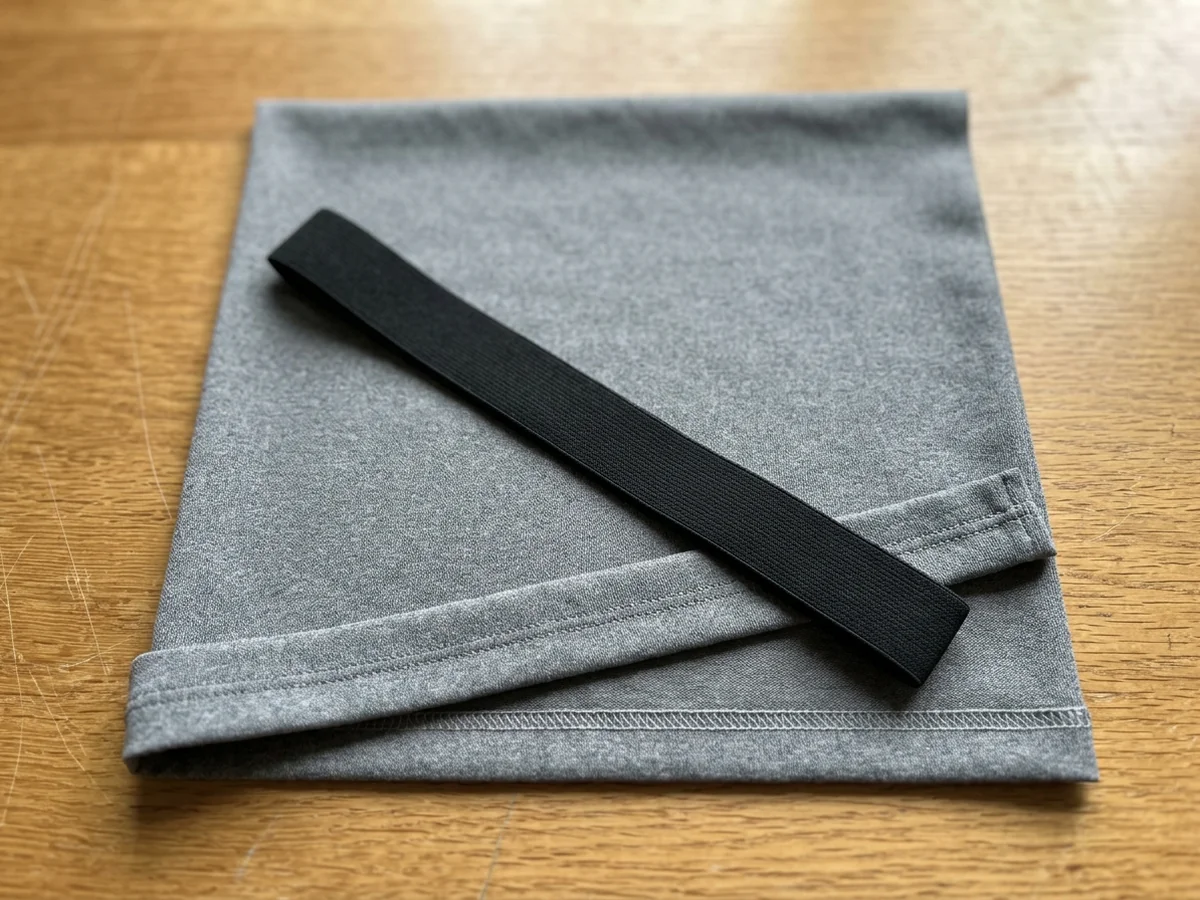
| What you can tell us | What your pad supplier does with it | What we change on the garment side |
|---|---|---|
| How long the rides actually are — a ninety-minute club loop, or four hours out | Their call on how the pad is built for that duration | How far the band runs down the panel, and whether the leg opening carries part of the load or none of it |
| How low the riders sit — hands on the tops, or long stretches in the drops | Their call | Where the aperture is placed on the flat pattern, because a closed hip moves it; the seams around it rotate with it |
| Where it hurt last time, and on which garment | Their call, if it turns out to be a pad question | The first thing we look at is where the seam sat on that garment — that is a garment answer available before anything is re-specified |
| Who is on the roster — men's, women's, and the size spread | Their call on whether separate pad sizes are involved | Separate patterns, and a different band and leg-opening position in each |
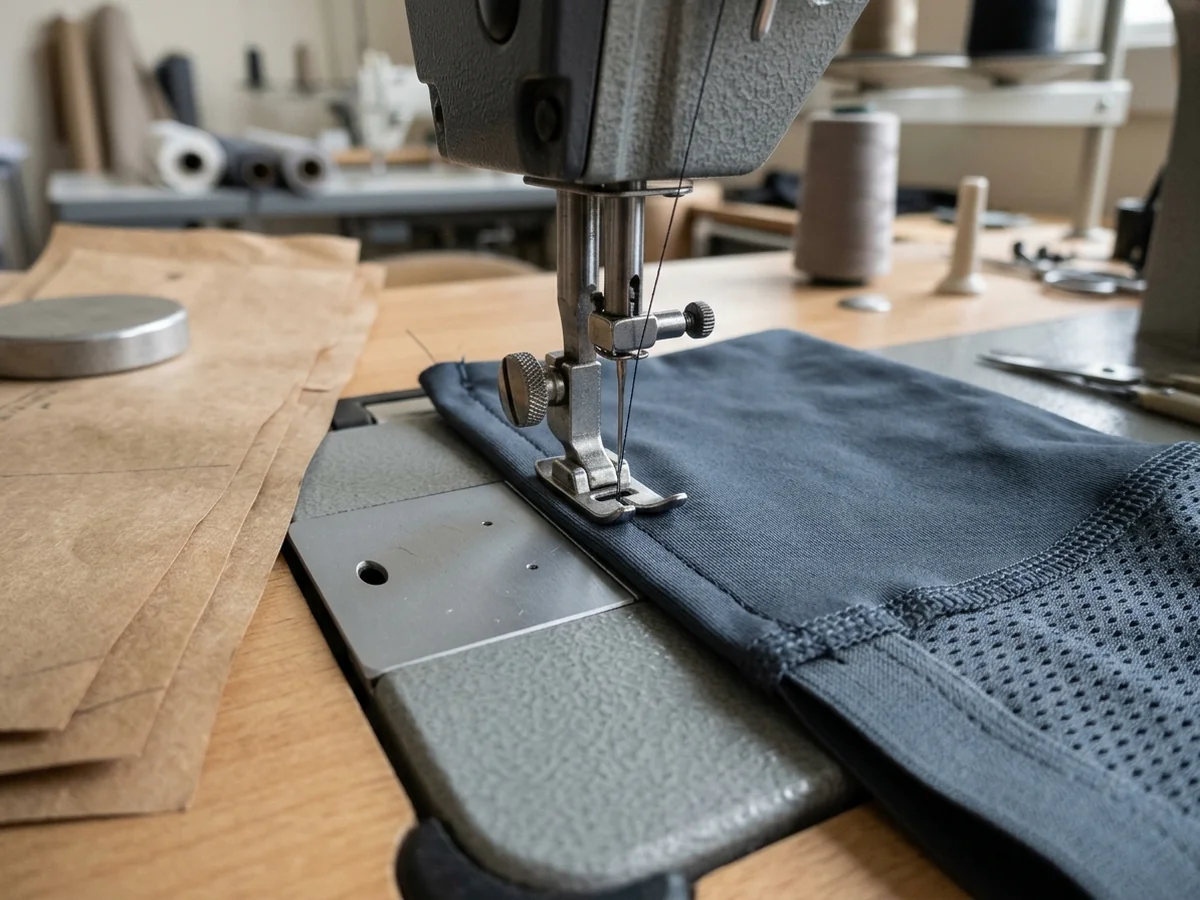
The Column We Deliberately Leave Blank
Every row has a middle column, and we do not fill any of it in. That is not modesty and it is not a gap in the table — it is the deliverable. You get your own column back with our answers in it, and you get the middle column written out as questions you can put to your supplier in their language rather than in ours. A factory that filled in all three columns would be inventing one of them.
Why "Where It Hurt Last Time" Is the Most Useful Sentence You Can Send
Because it is a location, and locations are checkable. A rider saying the front edge, after about two hours points at a specific place on a specific garment, and the first thing to check there is not the pad at all — it is whether a seam was sitting on that edge and whether the band had stopped short of it. A reference garment your riders already own beats any list of numbers, because it removes the question of how the measurement was taken.
Why There Is No Density, Thickness or Pressure Figure on This Page
Because we do not make the pad. Publishing internal pad figures would mean either repeating your supplier's numbers as though we had derived them, or inventing our own. We also hold no pressure-mapping data and make no claim to have tested a pad across body types — those are two claims we cannot support, so they are two claims we do not make.
Holding a Pad Spec Sheet and Not Sure Which Lines Are Ours?
Send Us the Spec SheetThe part you actually feel
The Pad Does Not Move on Its Own. The Garment Around It Does — and That Is What You Feel
The deepest section on this page, and the one everything above was clearing space for. A pad that measures correctly on a table can be wrong by hour three, because by hour three it is somewhere else.
- Held
- Unheld
Which blend and which weight a panel takes is set out on Custom Fabric Development; allowance allocation and grading belong to Riding Fit & Pattern Development. Neither is restated here.
The pad is a passive component. It goes where the panel takes it, and the panel is being pulled at from four directions by a body that is pedalling. So the question is never "is this pad good" — it is "does this pad stay put". Almost every complaint that arrives as a pad complaint is a displacement complaint, and displacement is a garment property.
- Base layer: your pad's aperture — cannot be switched off
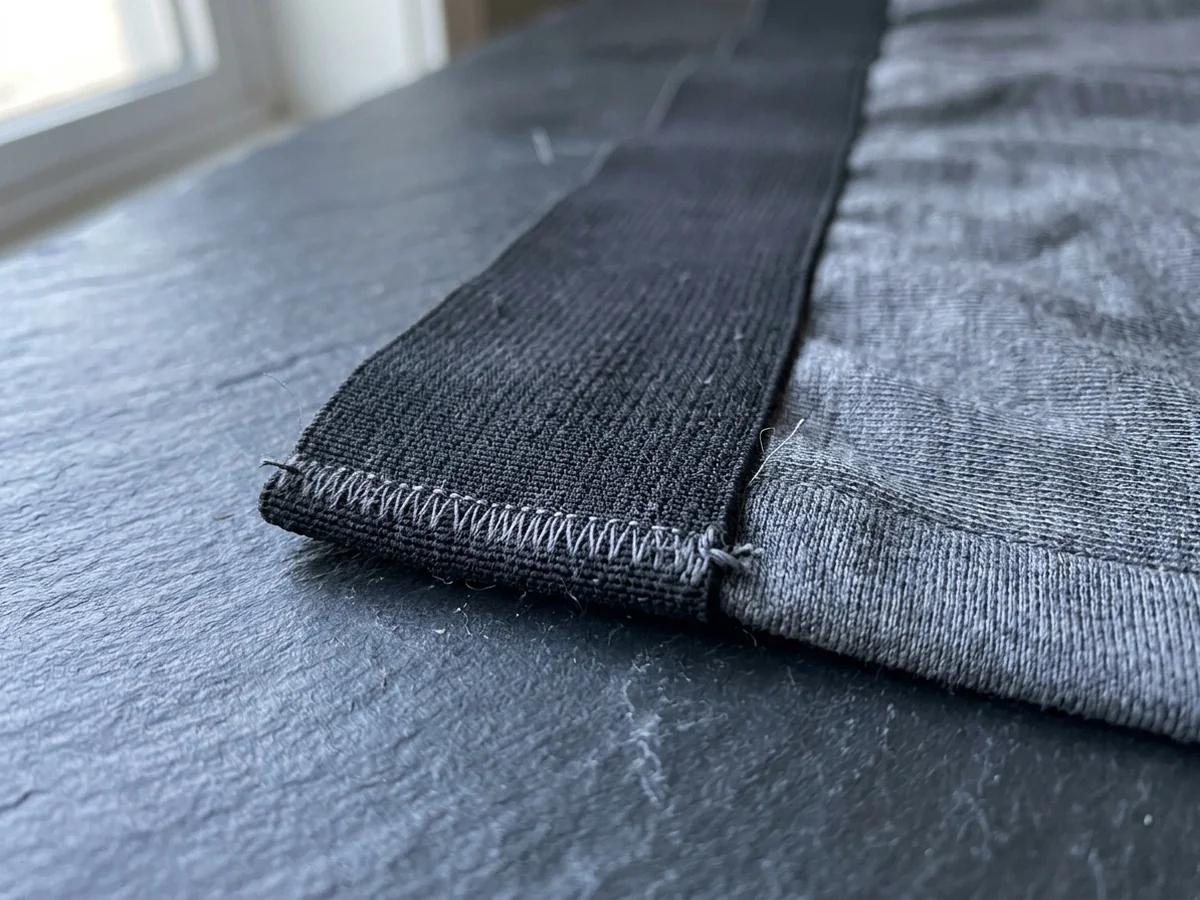
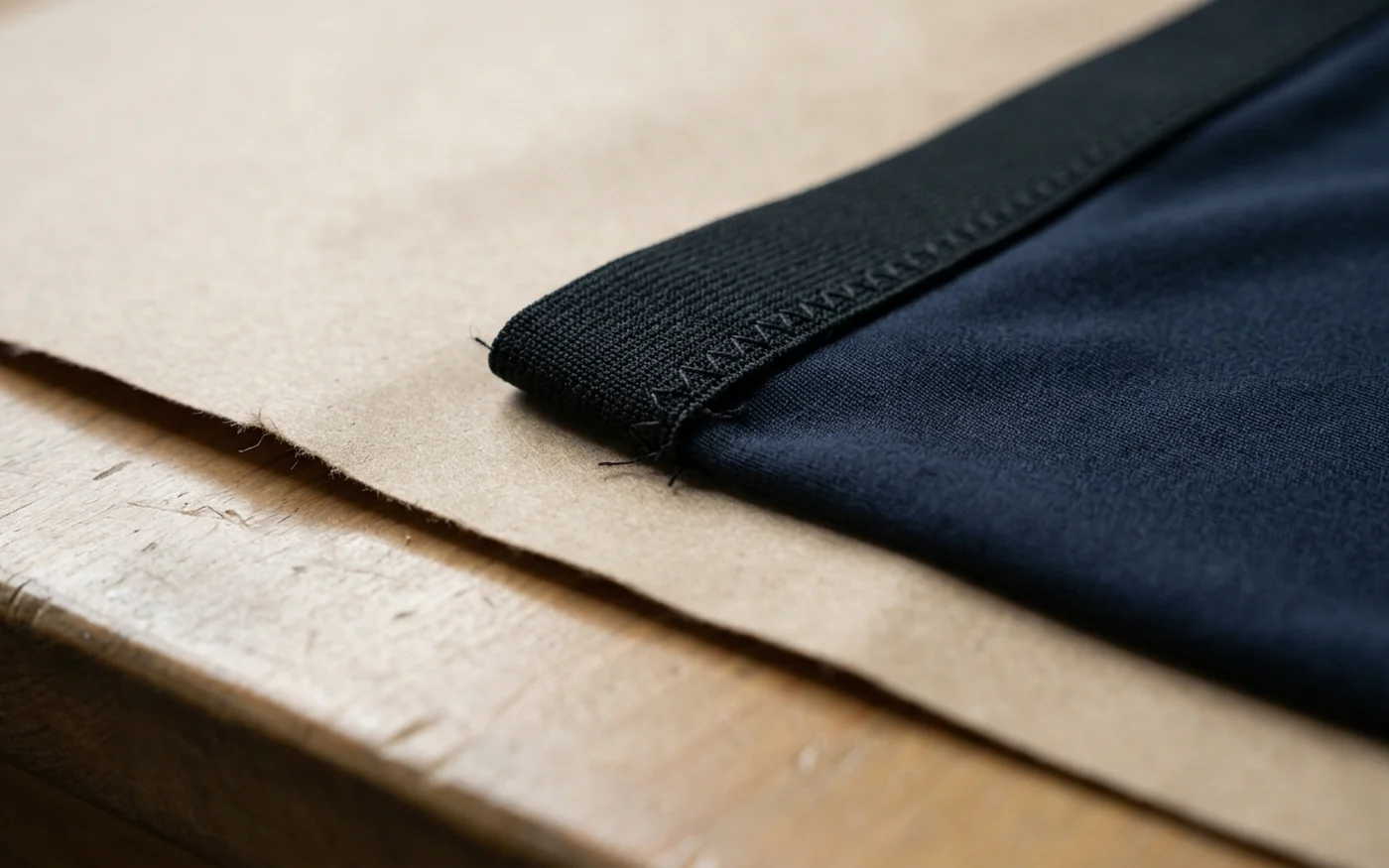
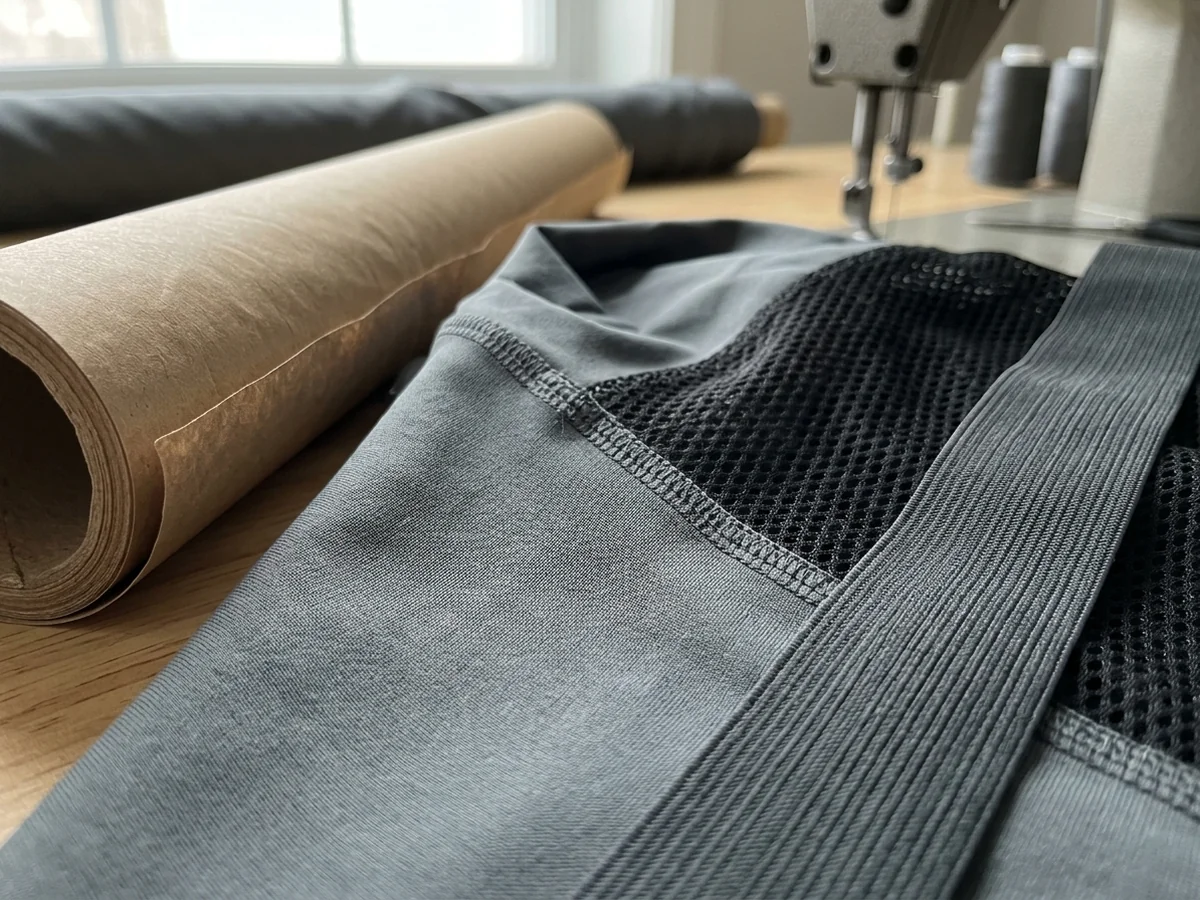
- Compression band. Where it starts, and — the part that gets skipped — where it stops. Below its end point the panel is on its own.
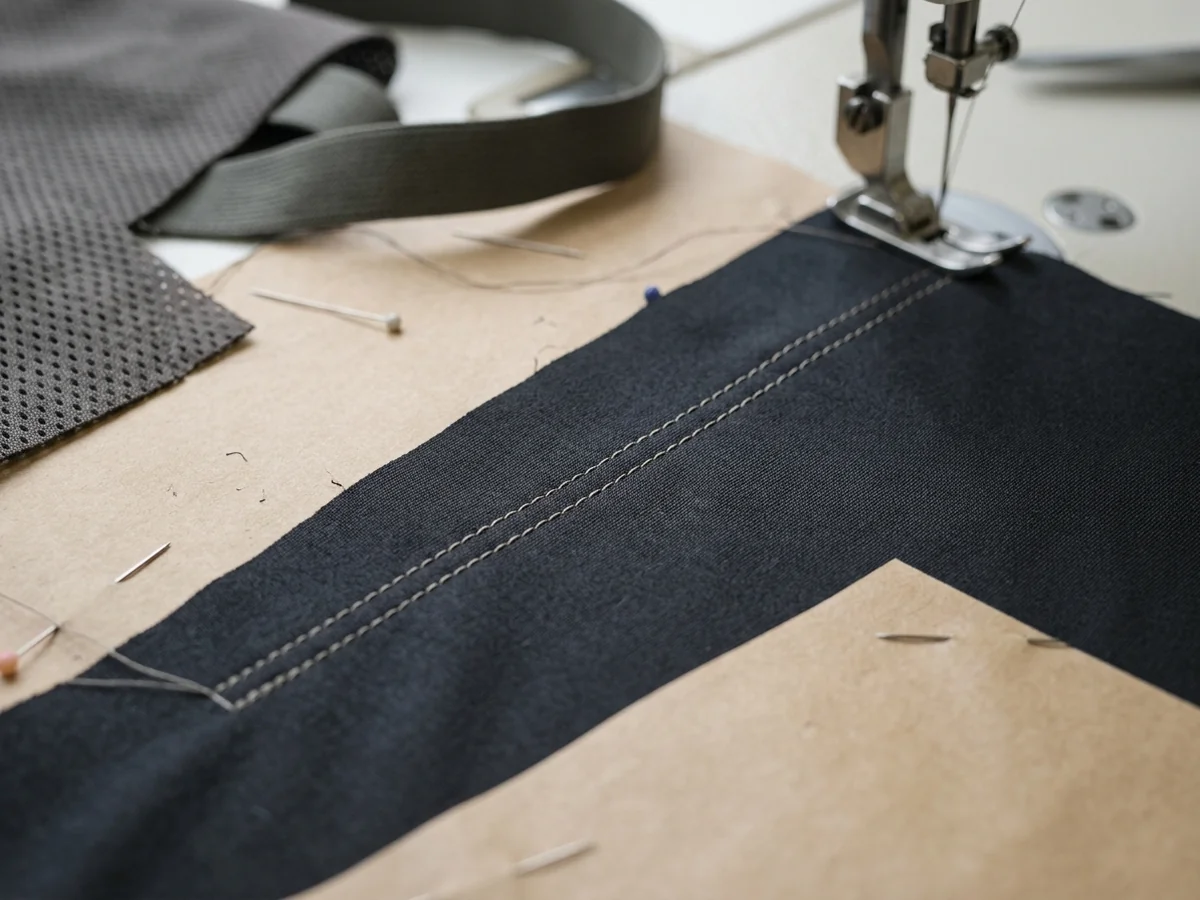
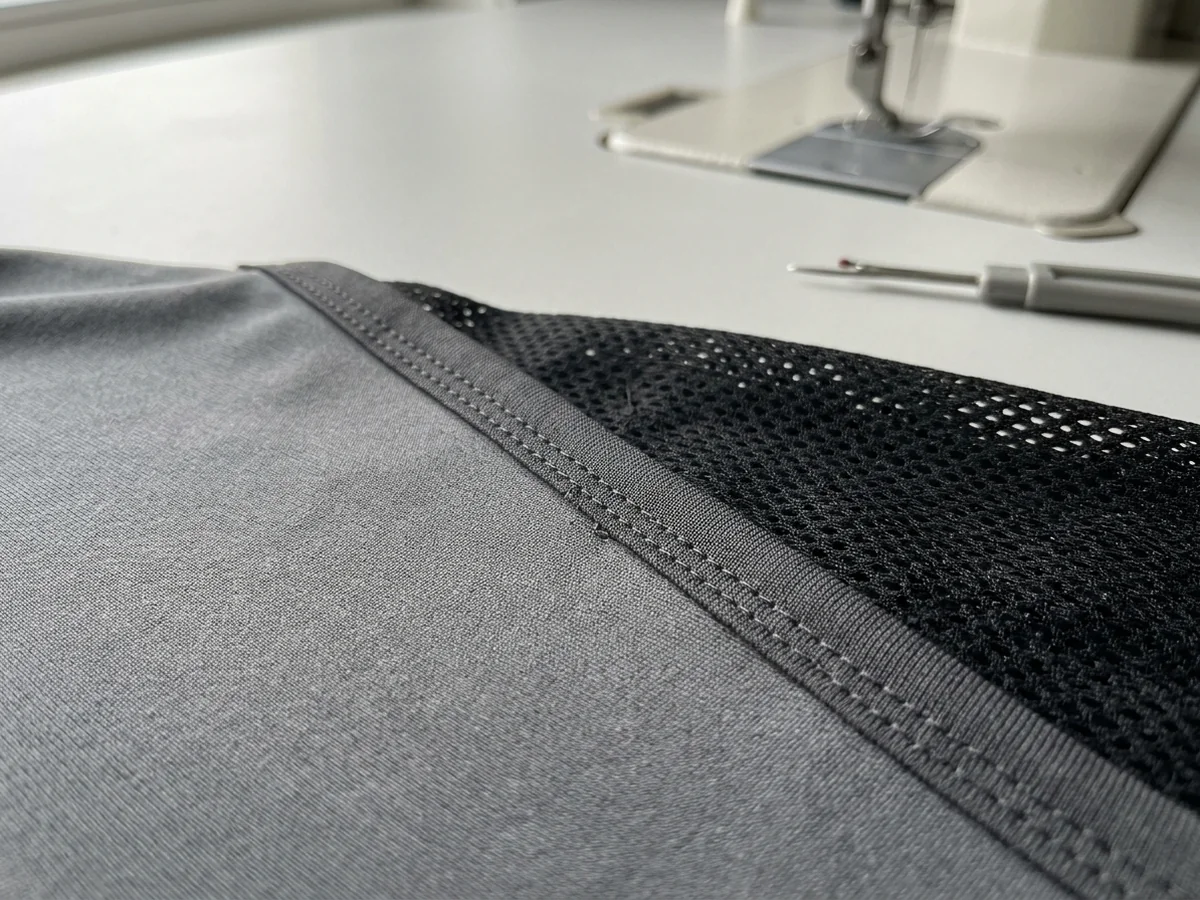
- Seam clearance. The seam path holds the same distance from the aperture edge the whole way round. Consistent is the operative word.
- Leg-opening anchor. What holds the panel down from below, so the opening stays where the pattern put it.
Where the Band Starts, and — the Part That Gets Skipped — Where It Stops
A compression band that runs the length of the panel and a band that stops two-thirds of the way down are two different garments, and the second one is the more common mistake, because a band is usually specified by how strong it is rather than by where it ends. Below the point where the band stops, the panel is on its own. If the aperture edge sits below that point, the pad has an unheld region directly beneath it, and it will travel there first — which is why the rider's description so often points at an edge rather than at the middle of anything.
Stated as a rule we can actually check on a sample: the band has to end below the load, not above it. That is one sentence, it is checkable by hand on a first sample, and it is the single most useful thing on this page.
Why the Leg Opening Is the Other Half of the Same Job
The band pulls from above; the leg opening is what the panel is pulling against from below. A leg opening that only grips the skin is not the same thing as one that anchors the panel — the first stops the hem riding up, the second stops the whole panel migrating. Which is why silicone gripper print at the leg opening (one of our standard decoration processes) is a finishing decision, not a substitute for the structure above it.
Which Way the Stretch Runs in the Panel That Meets the Pad
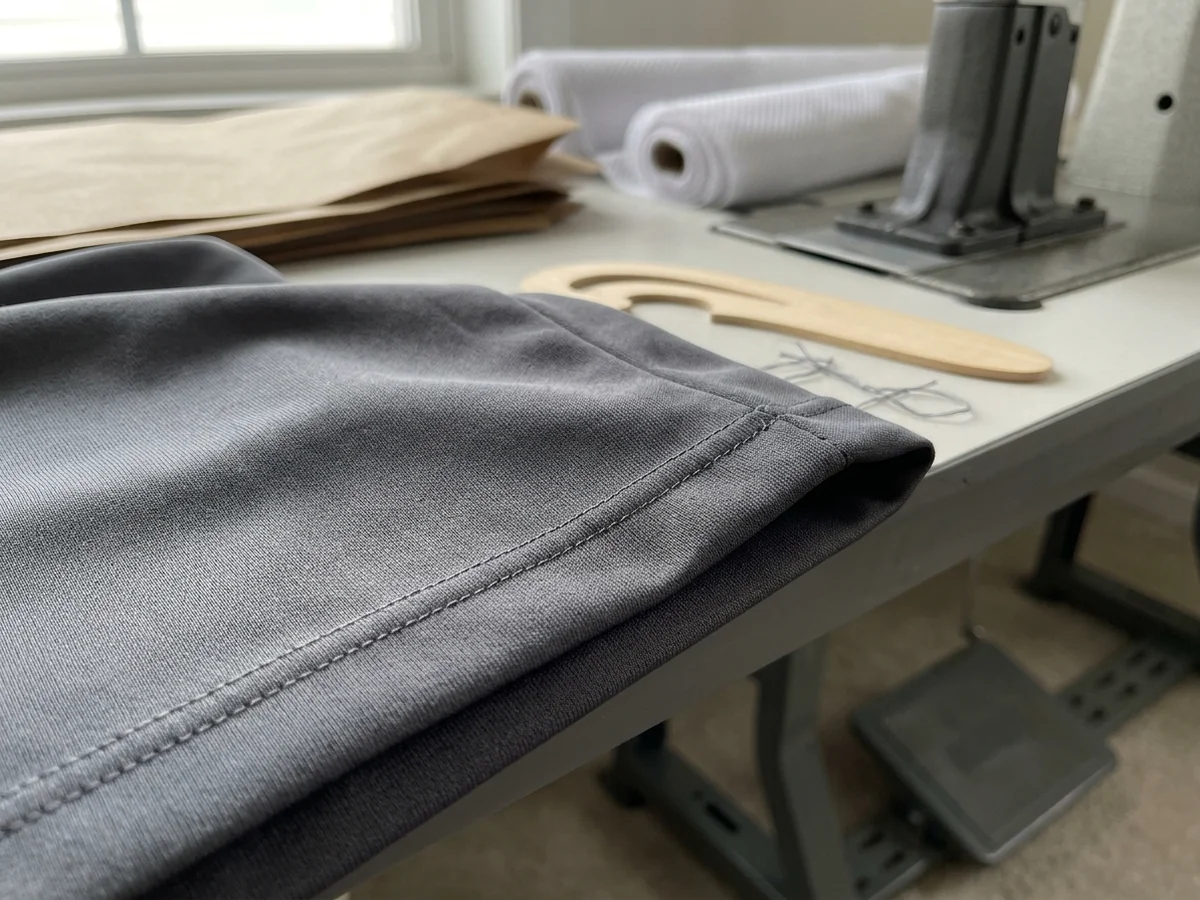
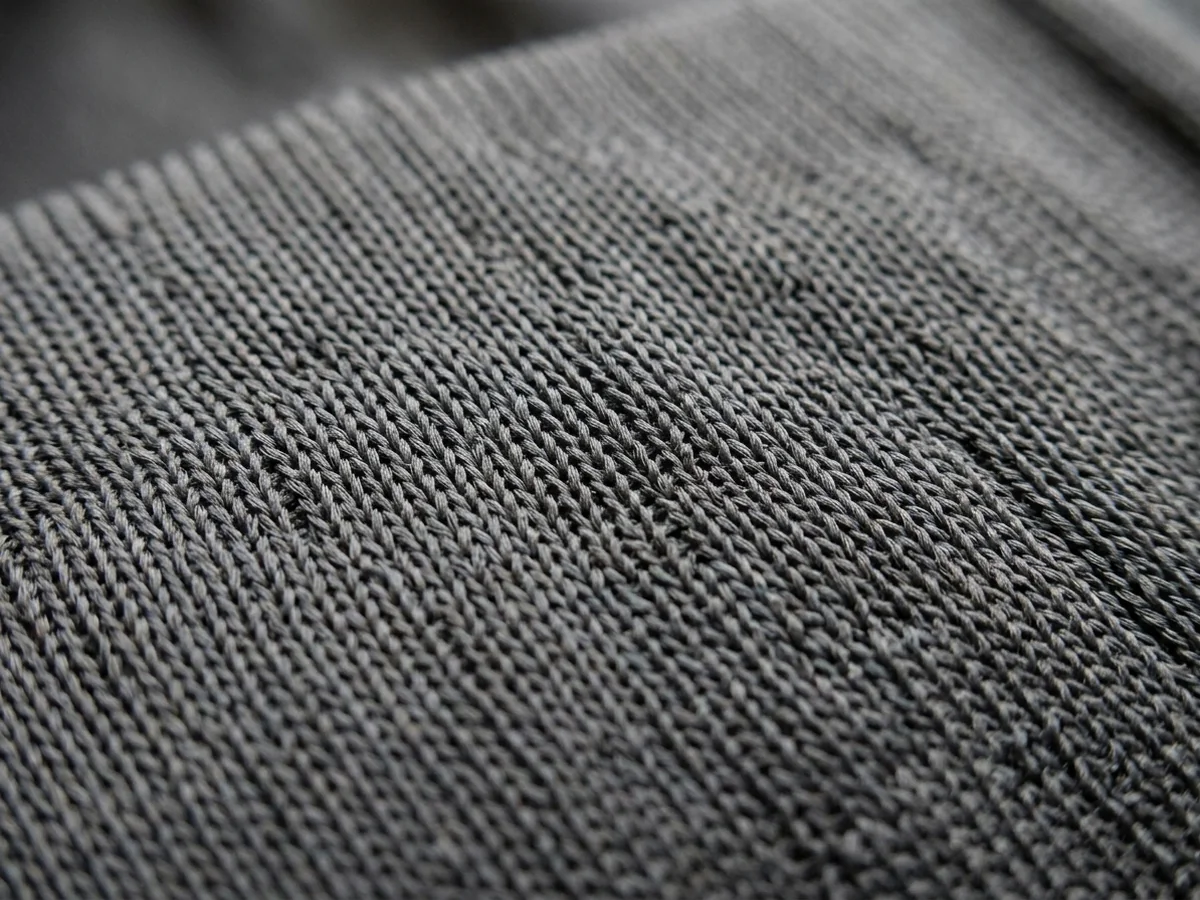
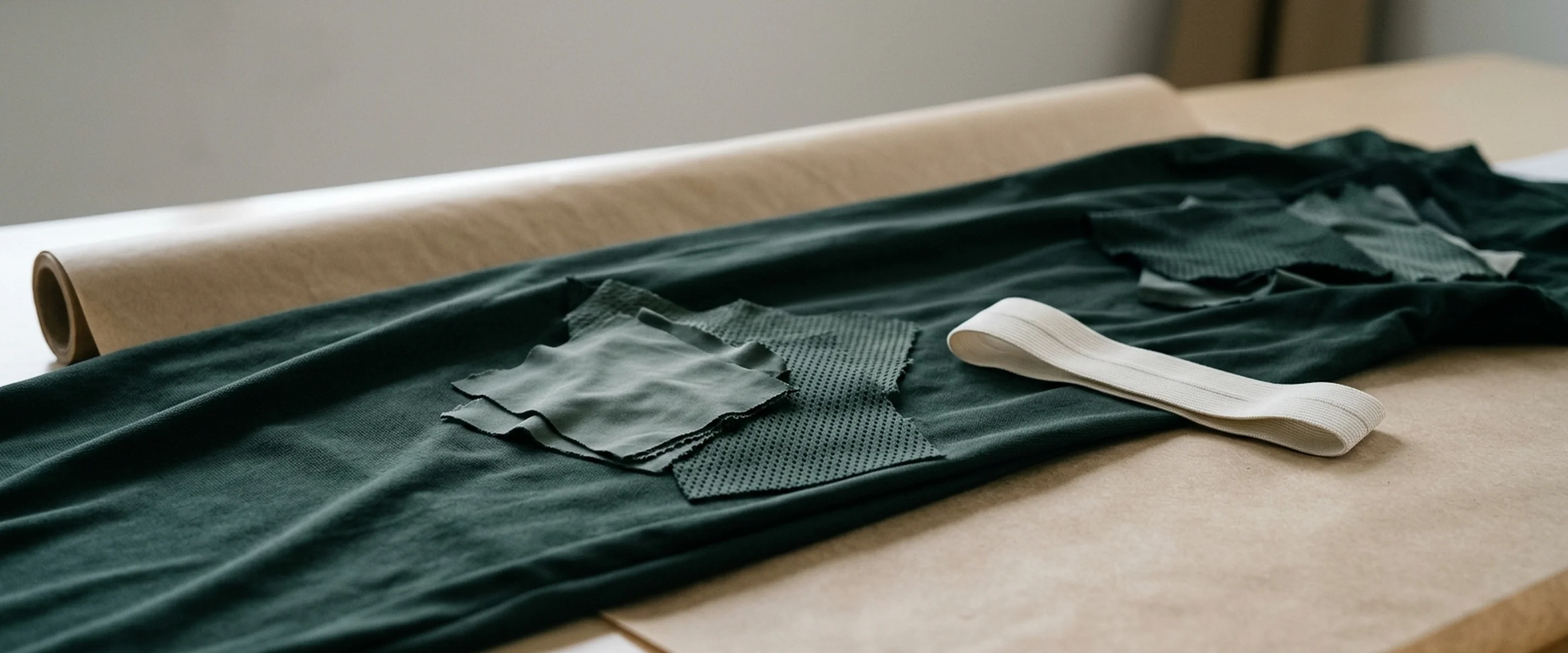
The panel around the aperture is cut so that the direction with the most recovery runs across the load rather than along it. Stretch running the wrong way makes the aperture grow under load and the pad sits looser inside it every hour. Which blend and which weight that panel takes — our fabrics are two-component nylon/spandex knits in a defined weight range — is set out on Custom Fabric Development; here it only changes how much of the holding the band has to do.
The Aperture Is a Decision, Not a Hole
Where the opening is placed on the flat pattern is set against the riding position, and it moves when the position does. This is the one place where this page and Riding Fit & Pattern Development touch: the position assessment happens there, and the aperture placement is what this page does with the answer.
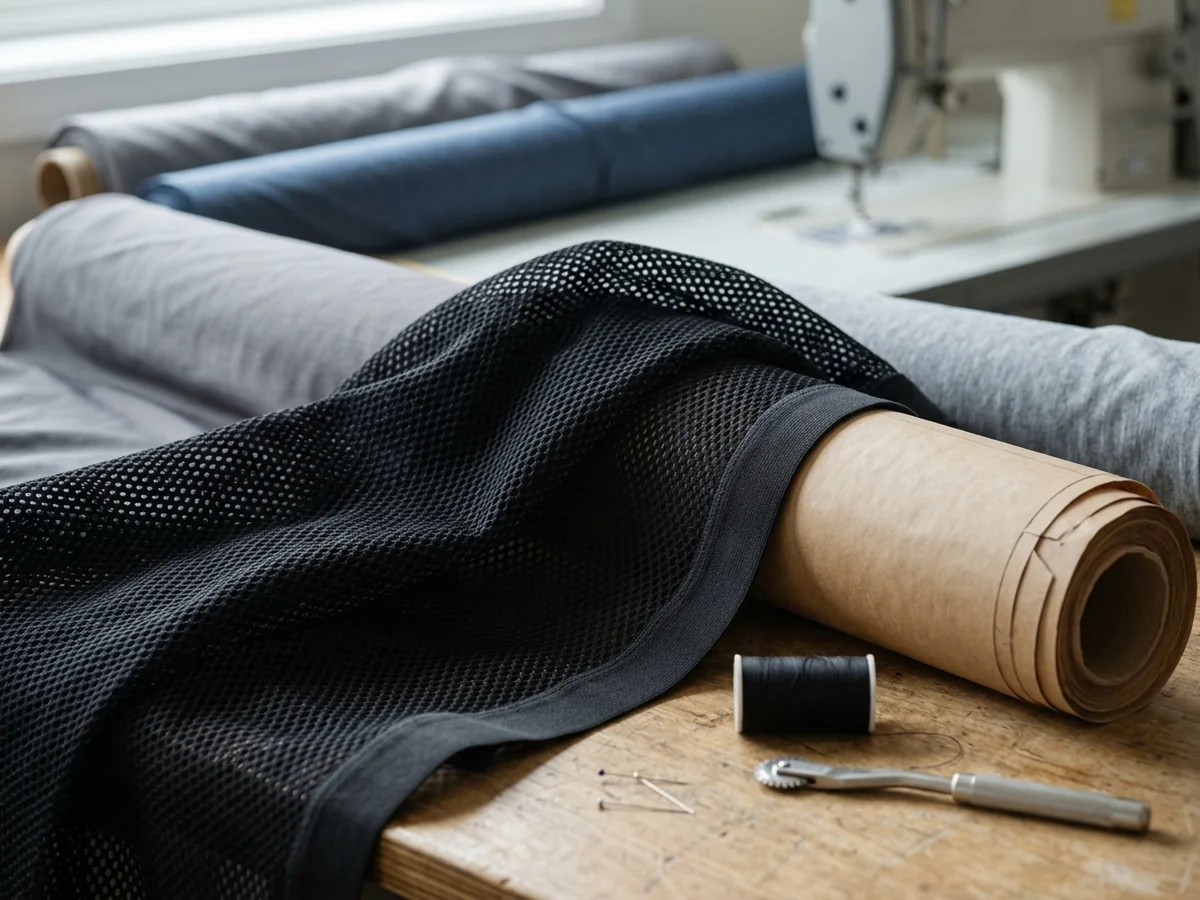
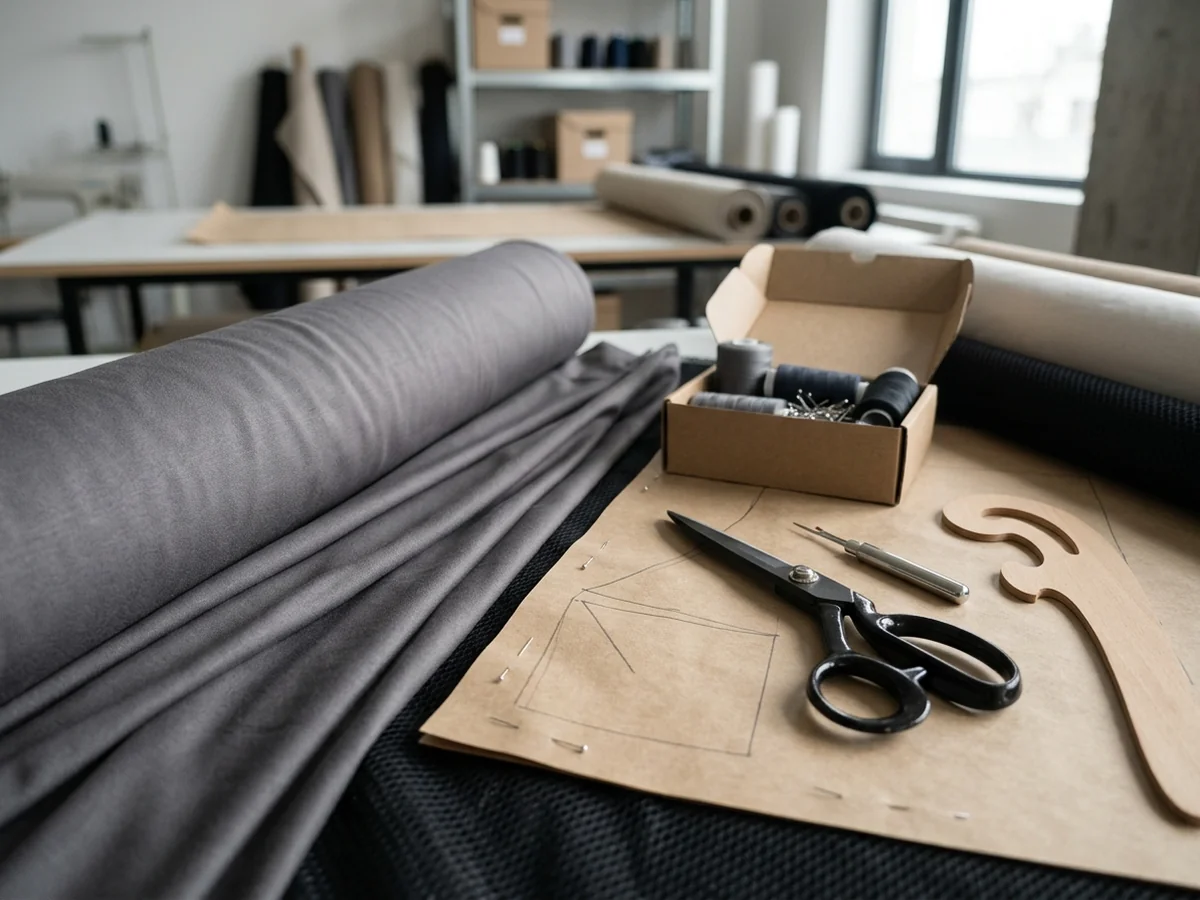
What We Do Not Claim in This Section
That any of this is measurable in numbers we hold. We publish no compression values, no pressure distribution, no displacement figures, and we do not describe any of it as a proprietary system. It is construction, it is checkable on a sample, and that is the whole of the claim.
One structural rule
A Seam on the Edge of the Aperture Is a Line the Rider Feels Every Pedal Stroke
One structural rule, and — the part that makes it worth writing down — what happens when a panel layout fights it.
- Cleared
- Grazing
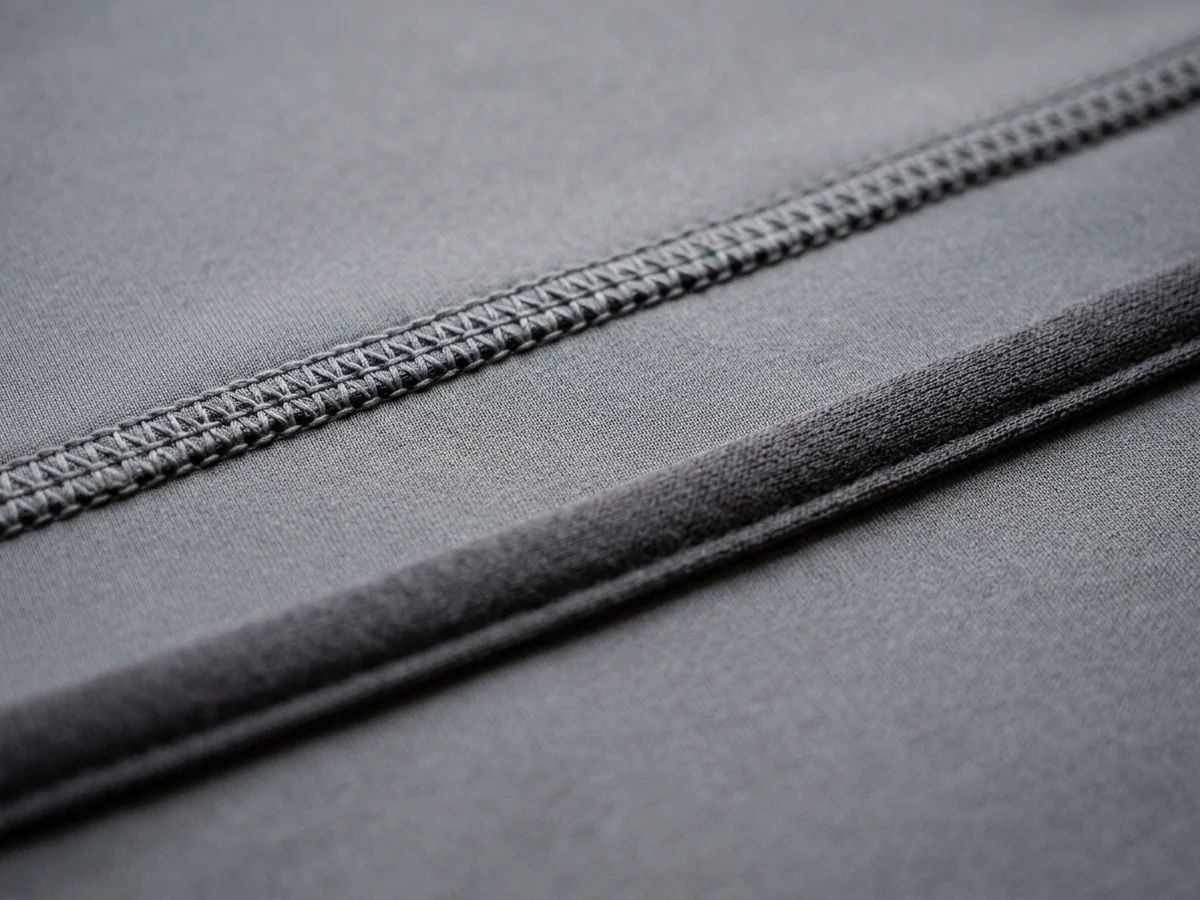
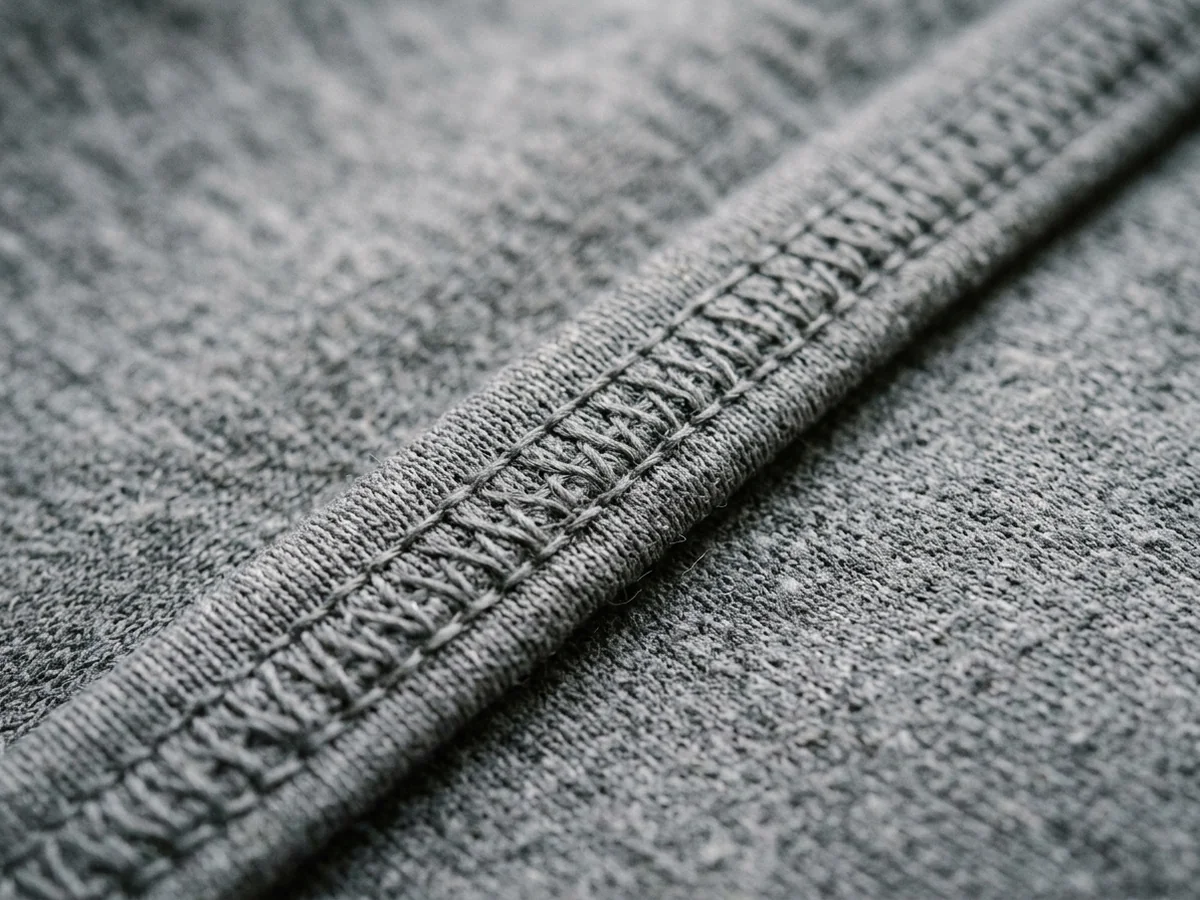
The edge of a pad is already a step in thickness. Putting a seam there puts a second step in the same place, at the one contact point that is under load the entire ride. It is the cheapest mistake on this page to avoid and one of the more expensive ones to discover, because it only shows up under load, which means it only shows up on a rider.
What "Routed Clear" Actually Means
The seam paths around the aperture are drawn to clear its edge by a consistent margin the whole way round — consistent being the operative word, since a seam that clears generously at the front and grazes at the back is a garment with one bad place in it rather than a garment with a margin. We publish no figure for that margin: it is set against the aperture your specification defines, and a number printed here would have been lifted out of the only thing that gave it meaning.
When the Panel Layout Fights the Rule
Sometimes it does. A panel count that a design or a print layout requires can put a structural seam exactly where the aperture edge wants to be, and then there are two honest options:
- Change the seam type at that location, so the step it puts at the contact point is a different one.
- Redraw the panel so the seam moves, which changes the layout rather than the construction.
Both get discussed before sampling rather than discovered in it, and there is a third option we do not take, which is leaving it there and hoping the fabric absorbs it.
The Half of This That Belongs to Your Supplier
The aperture edge is defined by the pad. Where that edge falls is their specification; keeping our seams off it is our job. A useful division, because it means neither side has to guess what the other is doing.
- Position
- Form
A pad you chose can be exactly right and still be wrong by hour three — because by hour three it is somewhere the pattern did not put it.
Two patterns, not one graded wider
Men's and Women's Are Two Patterns Here, and the Difference Is in Where Things Sit
Our base range is XS–3XL, with men's and women's patterns held separately — not one pattern with a wider grade at one end. If your riders already order against a size chart you publish, that chart becomes the one the steps are mapped to.
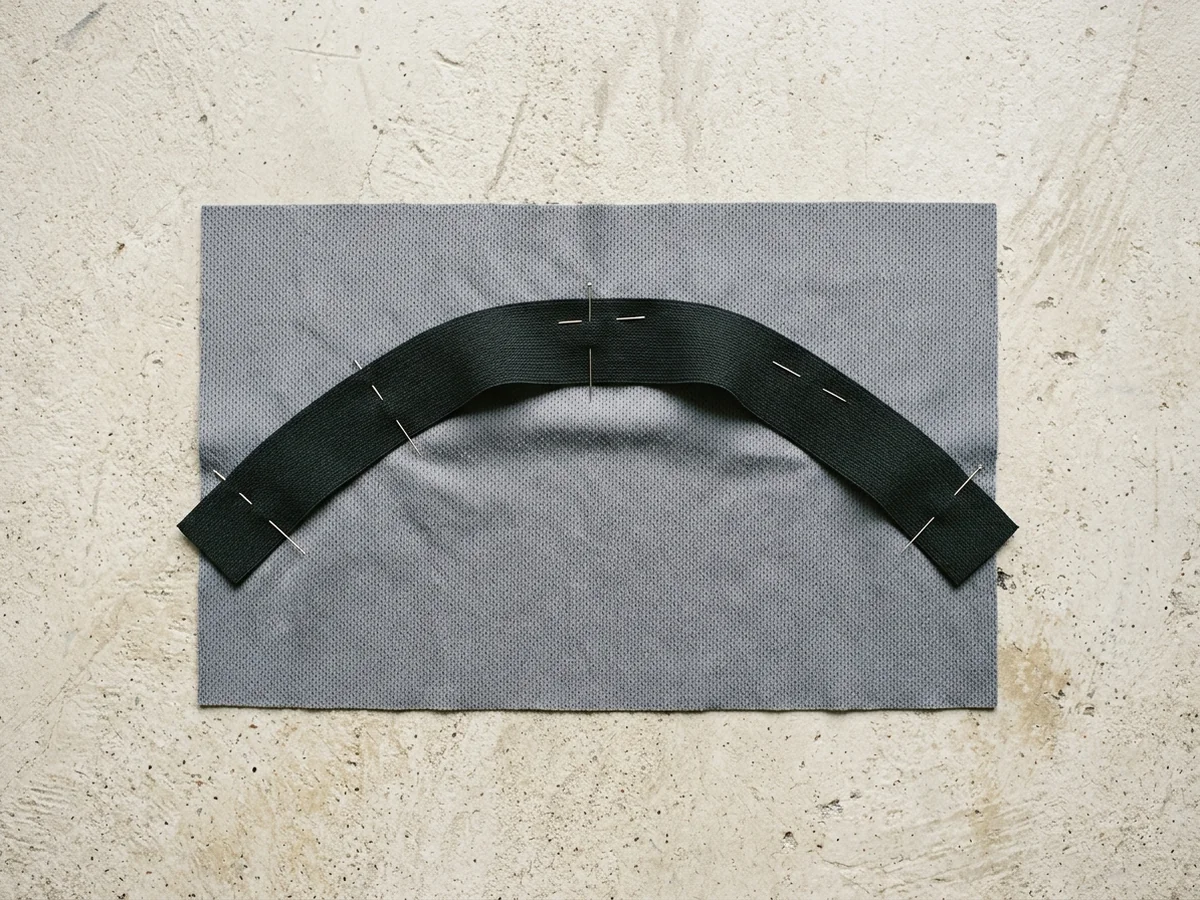
What Actually Differs, in Garment-Side Terms
Three things, and all three are positions rather than amounts.
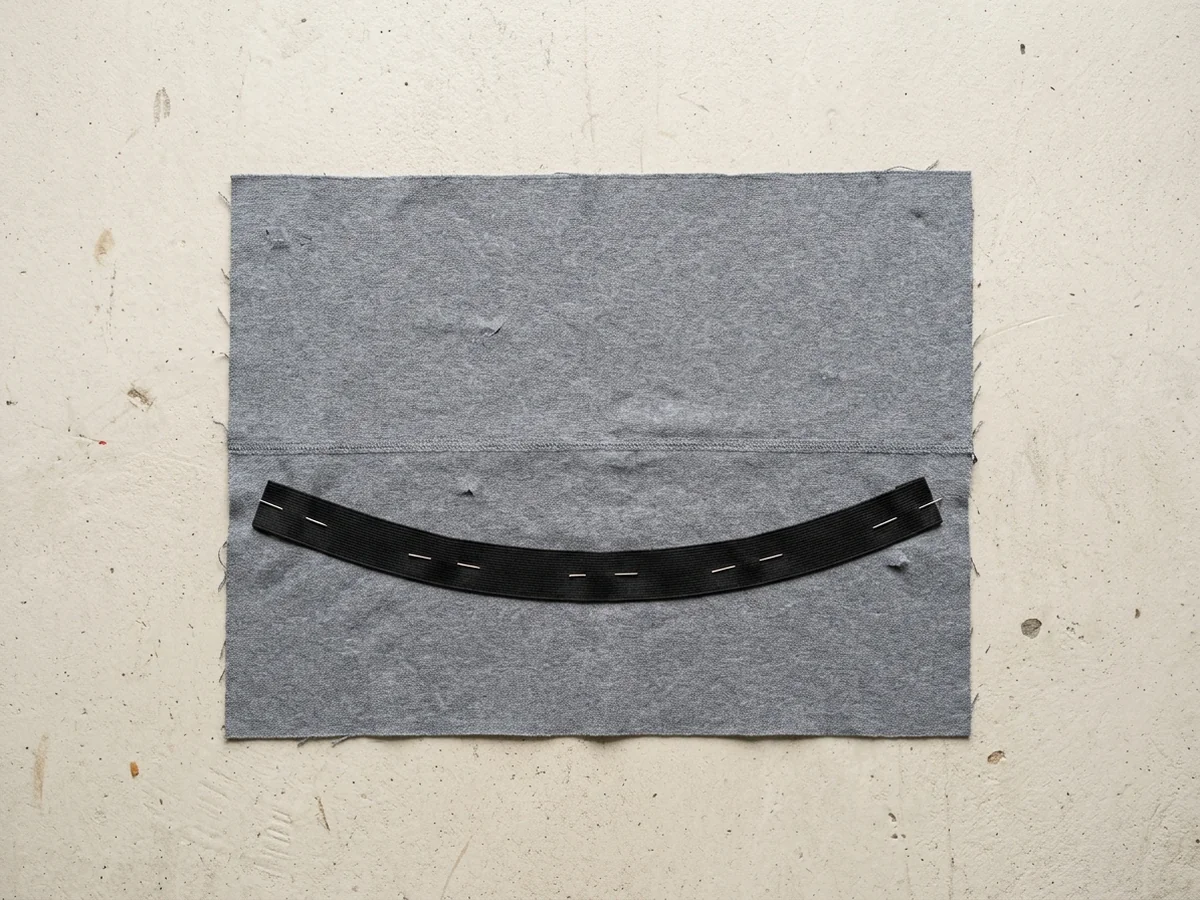
- Where the band sits and how far it runs. The band's start point differs, and so does the point it has to reach in order to end below the load.
- Where the aperture is placed on the pattern. It moves, and the seams routed around it move with it.
- The leg opening height and how much of the anchoring it carries. Different position, different share of the job.
Why Two Patterns Rather Than One Generous One
Because the failure mode of a single shared pattern is not that it fits nobody. It fits one group and puts the other group's aperture and band in approximately the right place — approximately being exactly the condition this page is about.
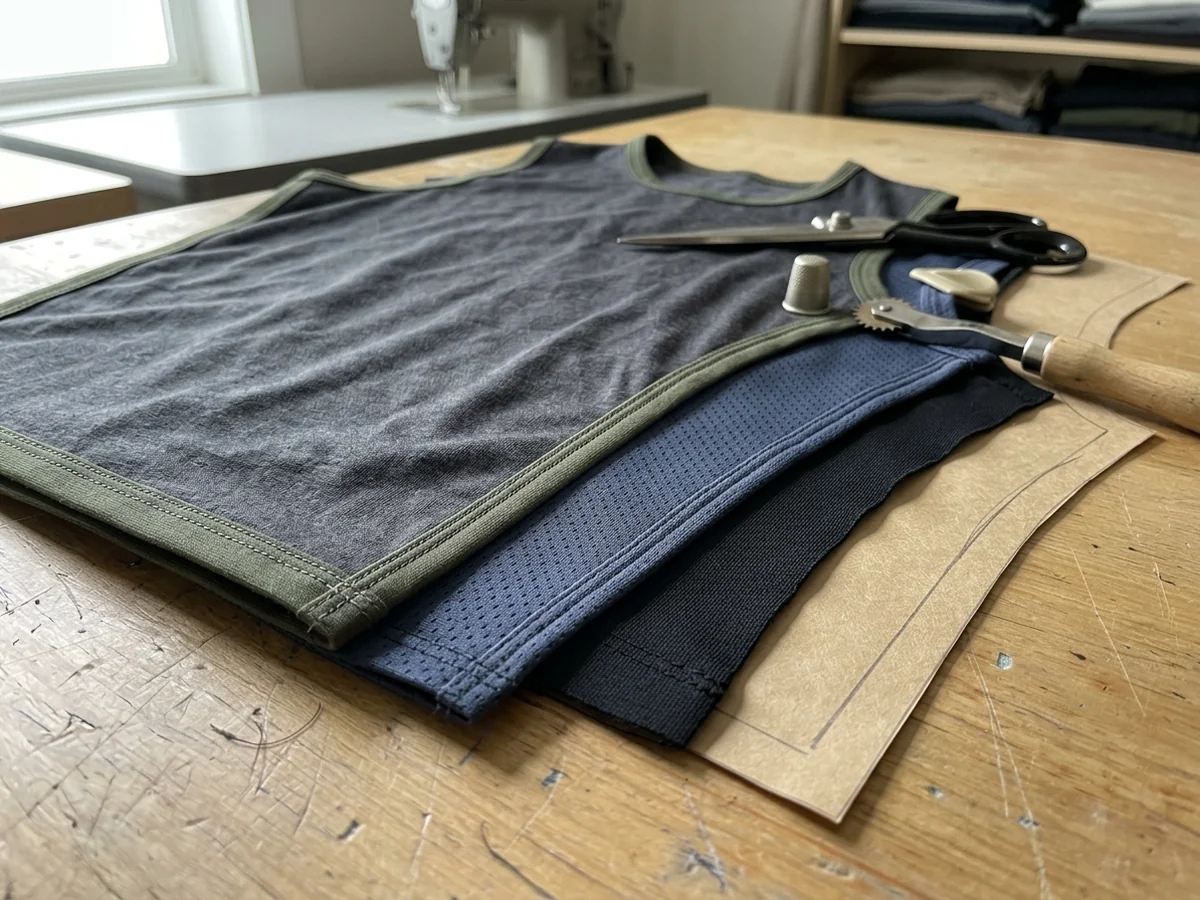
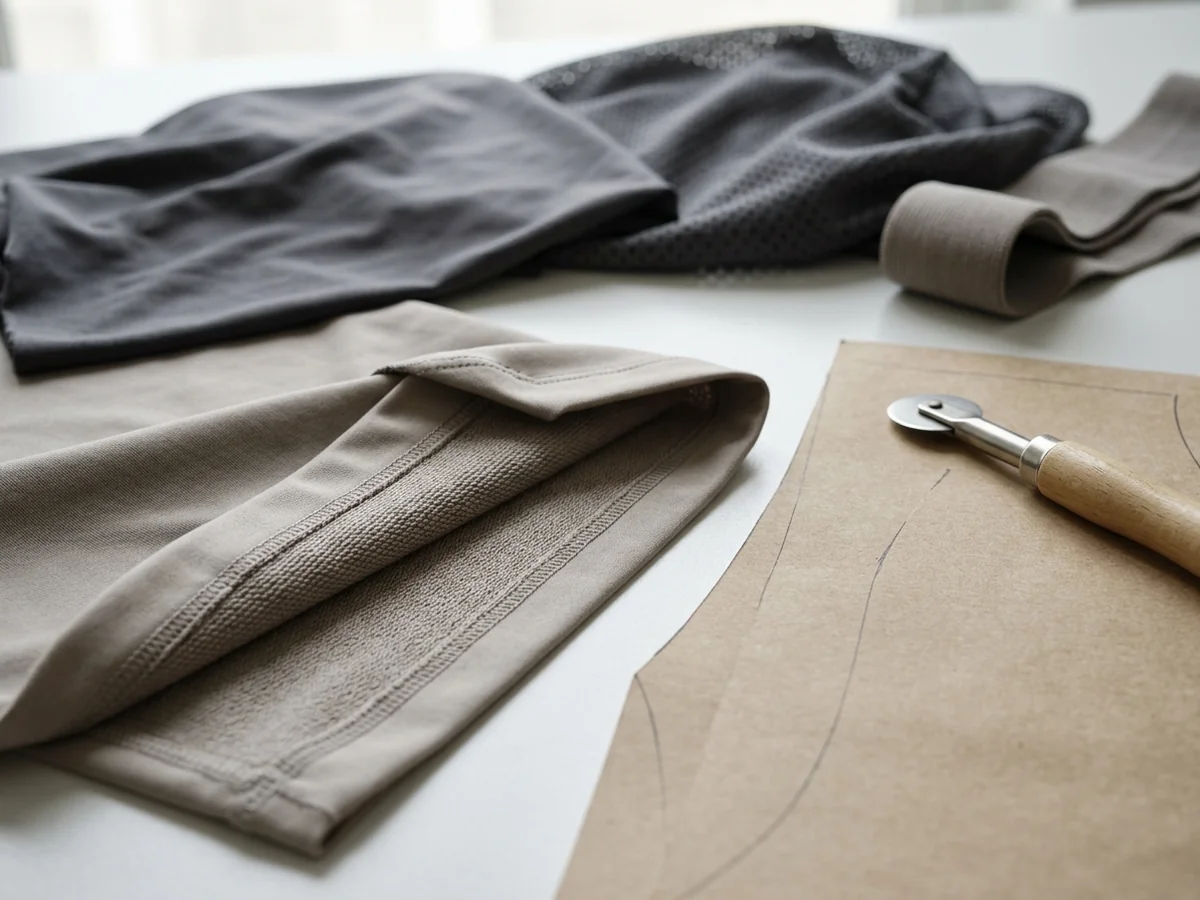
The Part We Do Not Write
Anatomical reasoning presented as our research. No pressure-distribution graphic, no sit-bone width figures, no claim of a women-specific internal pad design — we do not design pad internals for anyone, and a women's version of something we do not make is still something we do not make. What we will say plainly: whether separate pad sizes are involved is a question for your supplier, and it is a good question to put to them.
What one round can and cannot settle
What One Sample Round Actually Settles, and What It Cannot
Three beats, and an honest account of who does the riding. The short version: we can settle construction on a table, and only your riders can settle the rest.
- Table-checkable
- Rider-only
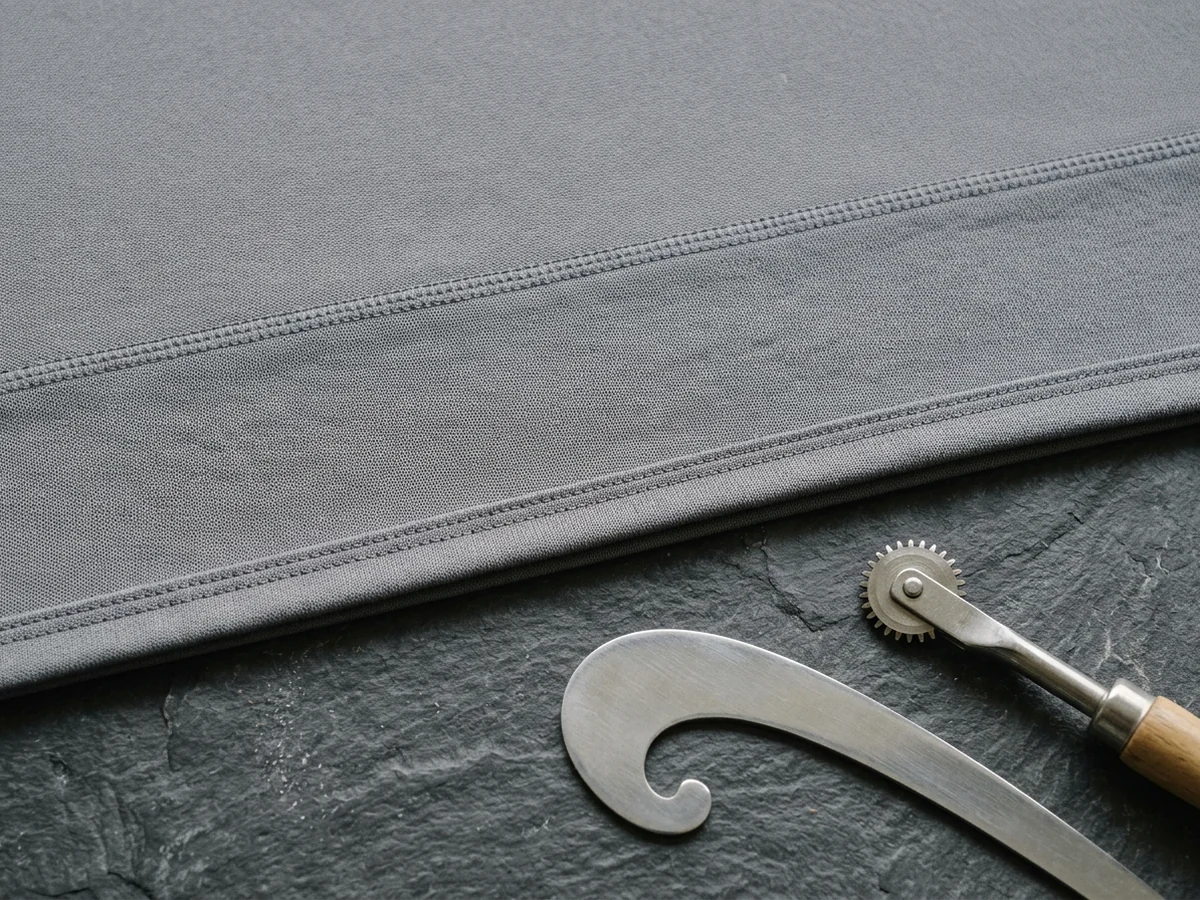
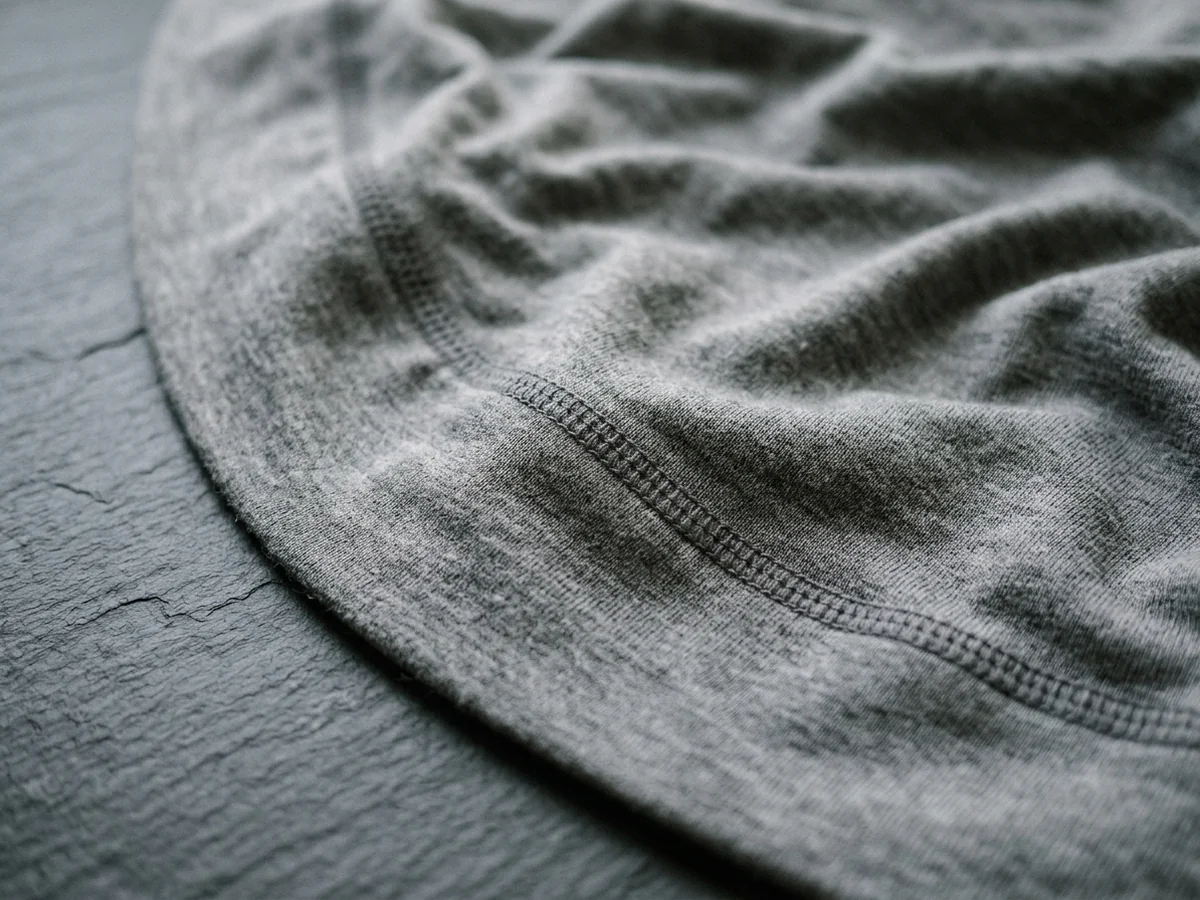
Sampling method, the scope of one round and the sign-off sequence are set out on Sampling & Prototyping; this section covers only what you can judge on the sample itself.
Sampling runs 5–7 days. Bulk runs 20–30 days from sample confirmation, and a rush window of 12–15 days exists where capacity is booked ahead. Sample revisions run two rounds with no additional sampling charge. Those are the timings; the rest of this section is about what the time is for.
Beat One — What Is Checkable Before Anyone Rides It
More than buyers expect. On a table, by hand: whether the band ends below the load rather than above it, whether the seams clear the aperture edge the whole way round, whether the leg opening anchors the panel or only grips, whether the aperture landed where the pattern put it, and whether the flat measurements match the specification that was signed.
- Does the band end below the load?
- Do the seams clear the aperture edge the whole way round?
- Does the leg opening anchor the panel, or only grip?
- Did the aperture land where the pattern put it?
- Do the flat measurements match the signed specification?
All five are construction questions, and construction questions do not need a rider.
Beat Two — What Only Your Riders Can Answer, and How It Comes Back
Whether it is still right in hour three. That needs the ride, the position and the rider, and none of those are here. So the honest structure is: your riders wear it, and what comes back to us is where and when, on which sample — the same two things the whole page turns on. That goes into the second round.
We Do Not Run a Test-Rider Programme
We have no rider panel, no road-test protocol and no accumulated wear data — and if we described a factory QC pass as "real-ride feedback" we would be dressing up a table check as a road test. The people who can tell you whether it works are the people who ordered it. What we can do is make the second round cheap and fast enough that their answer is still worth having.
Who Judges It and Who Signs It
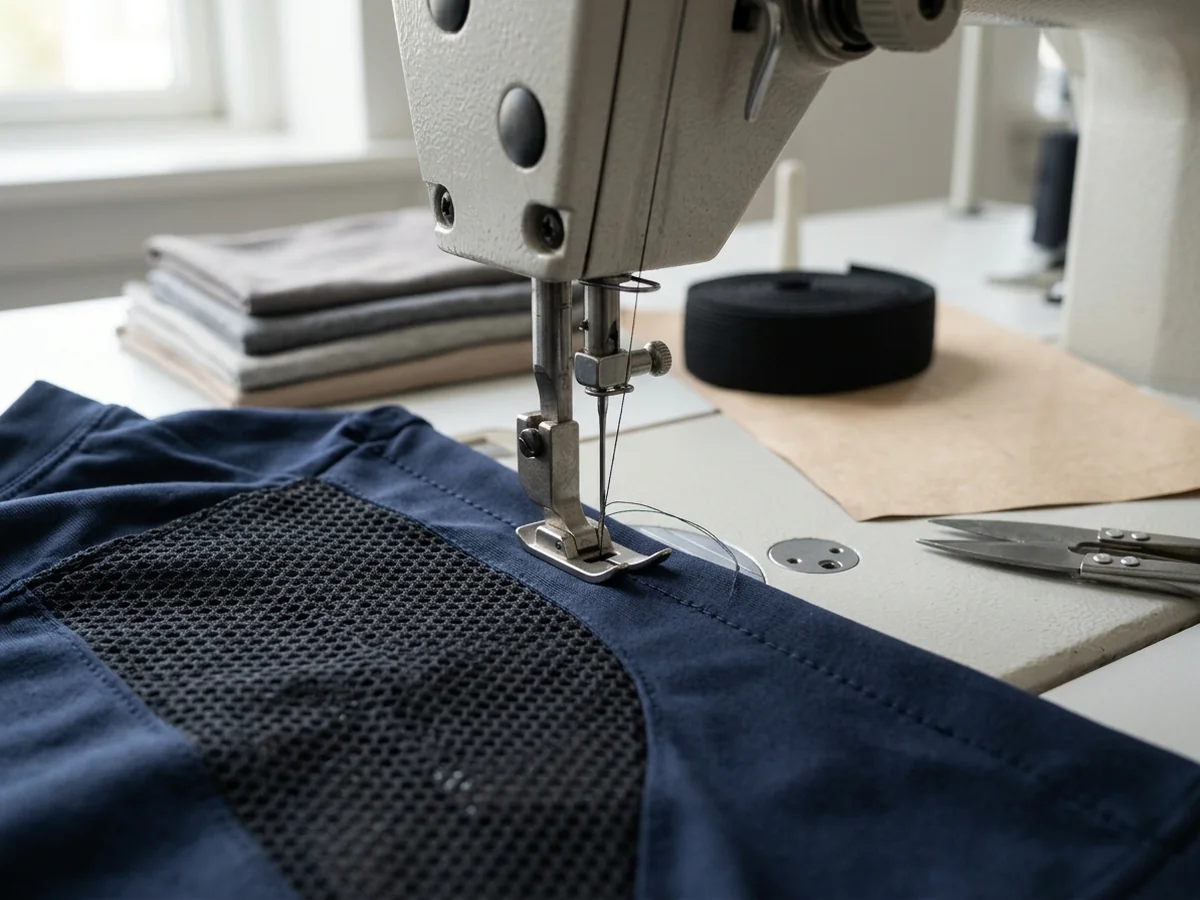
The pattern room draws it, one of the 10 QC staff among our 150+ takes it through the checkpoint sequence, and it is signed against the specification before bulk is released. Six pre-shipment checkpoints cover the bulk run and are set out on Cycling Apparel Quality Control. That is a division of responsibility, not a claim about anyone's years of experience.
Evidence, and its boundary
The Evidence We Can Put in Front of You, and the Evidence We Will Not
The most useful section on this page for anyone deciding whether to trust a factory they have not met — because half of it is a refusal.
- Yours
- Someone else's

How patterns and specifications are owned and retained is set out on OEM / ODM / Private Label Services; this section covers only what that means for your order.
- What you get
And All of It Is Yours
- Your own confirmed sample. The physical thing, signed against the specification it was built to.
- The revision record for your own order. What was changed between round one and round two, and why — in construction terms, on your garment.
- Flat measurements against your own specification. Checkable by you, on a hard surface, without trusting how anyone held a tape.
- The pattern and spec sheet retained for reorders. A reorder or a colourway change starts from the confirmed file rather than reopening development.
- What you will not get
And Why the Answer Is No
Fit or wear-test notes from another buyer's sample rounds. Not a redacted version, not an anonymised summary, not "a similar client's" numbers. Another buyer's confirmed sample, and another buyer's developed pattern, are in the same category.
The reason is not caution. Their file is theirs — a buyer's tech pack is not licensed for use on another buyer's order, and an ODM pattern we developed for one buyer does not go onto another buyer's garment.
Next season you are the other buyer, and the value of that rule to you is entirely in the fact that we apply it when you are not the one asking.
What That Leaves You With, Stated Plainly
Evidence generated by your own order, arriving at the sample stage rather than as a claim on a web page. It is slower than being shown a folder of other people's results, and it is the only version of it that is actually about your kit. A factory that will show you another buyer's fit records has told you what it will do with yours.
Ready to Judge It on a Sample Instead of a Web Page?
Ask What One Sample Round CoversA trade, not a winner
Bonded Edges and Flat Seams: What Each One Is Actually Good At
The comparison buyers ask for, answered as a trade rather than as a winner — including the row where both of them are identical.
- Bonded
- Flat seam
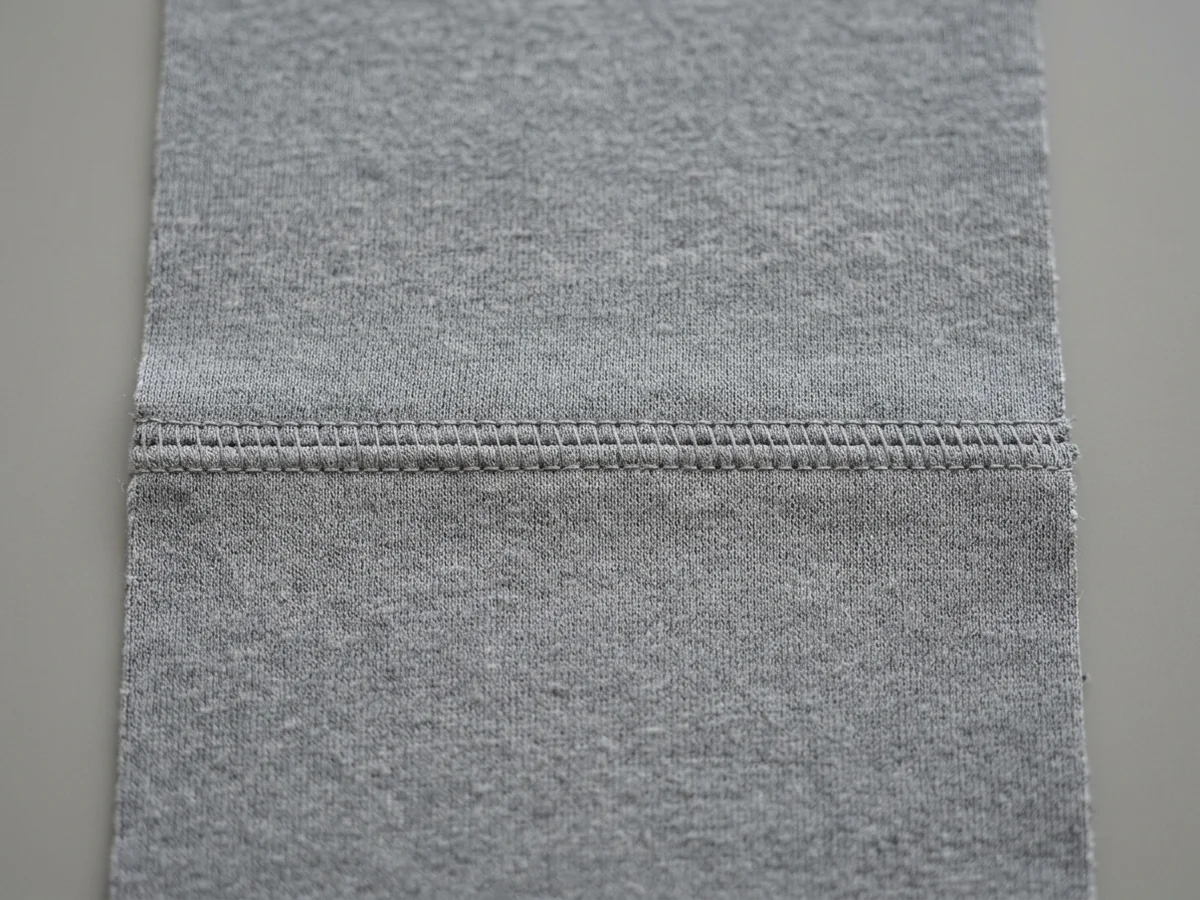
The equipment list and the production lines are set out on Factory & Production Capacity; this section covers only what each of the two is suited to.
| Bonded / taped edge | Flat seam | |
|---|---|---|
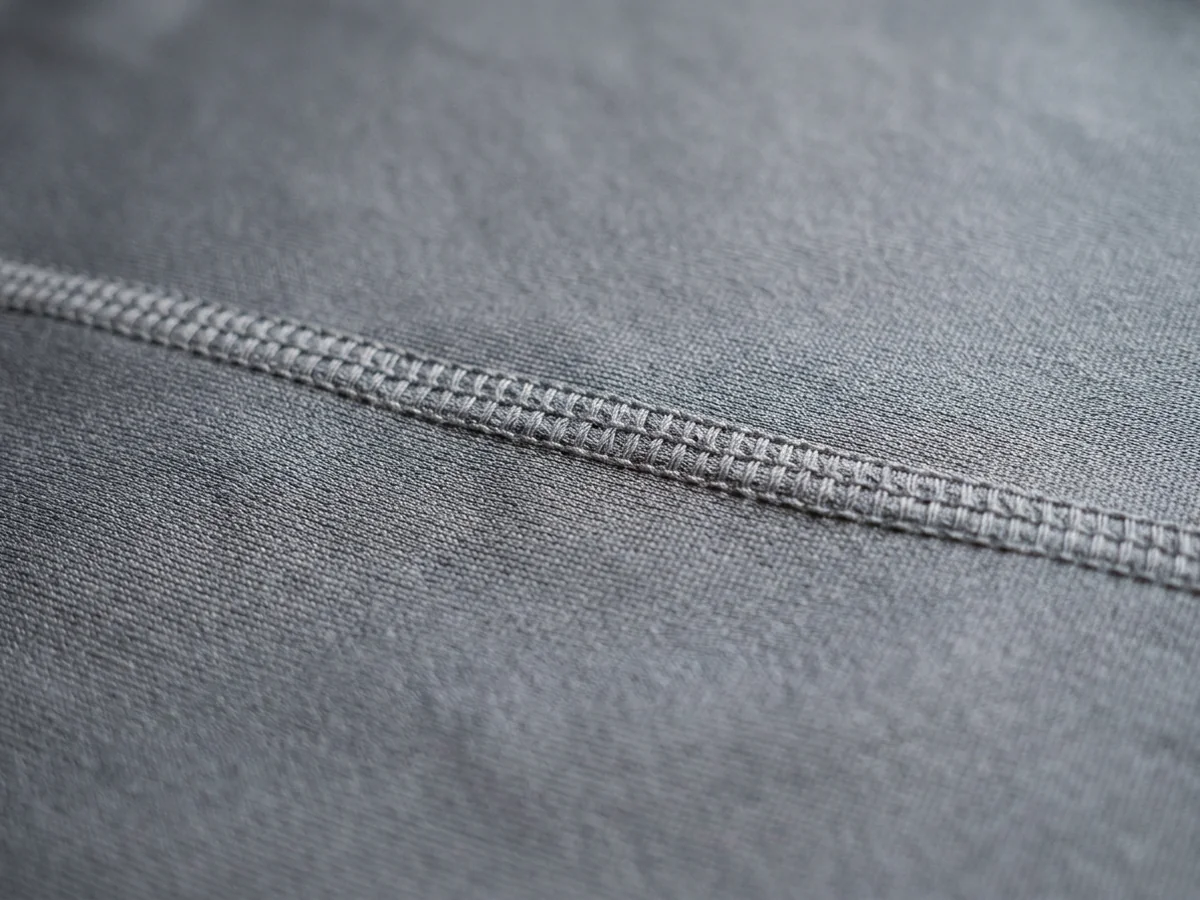
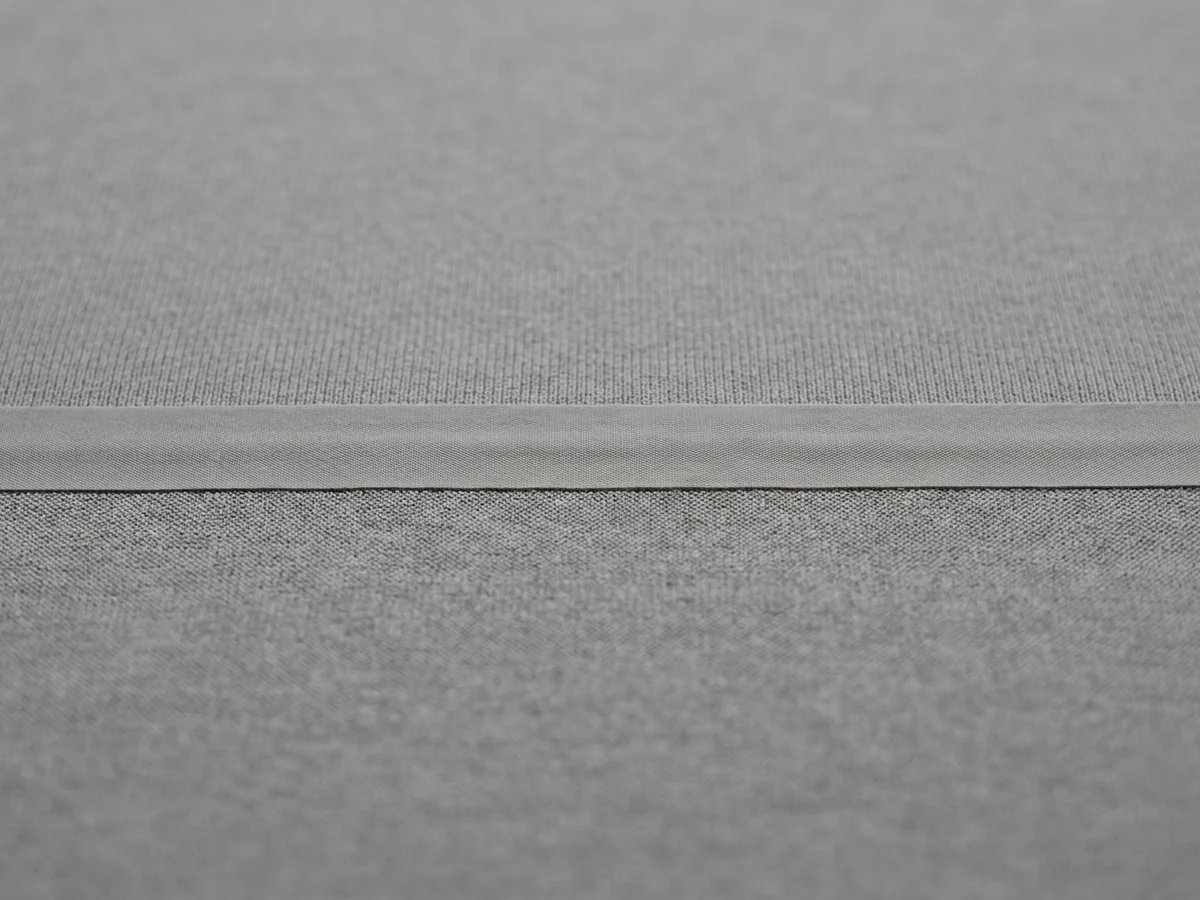
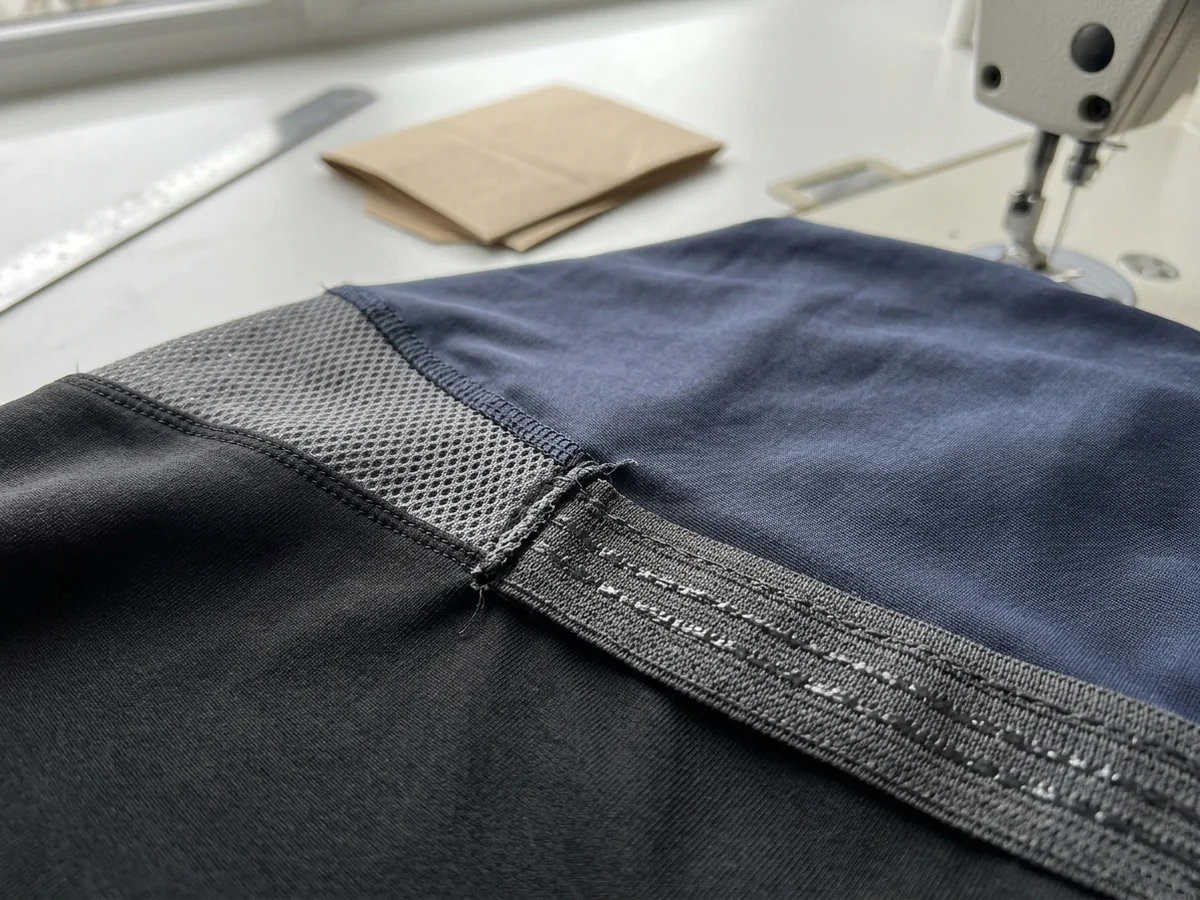
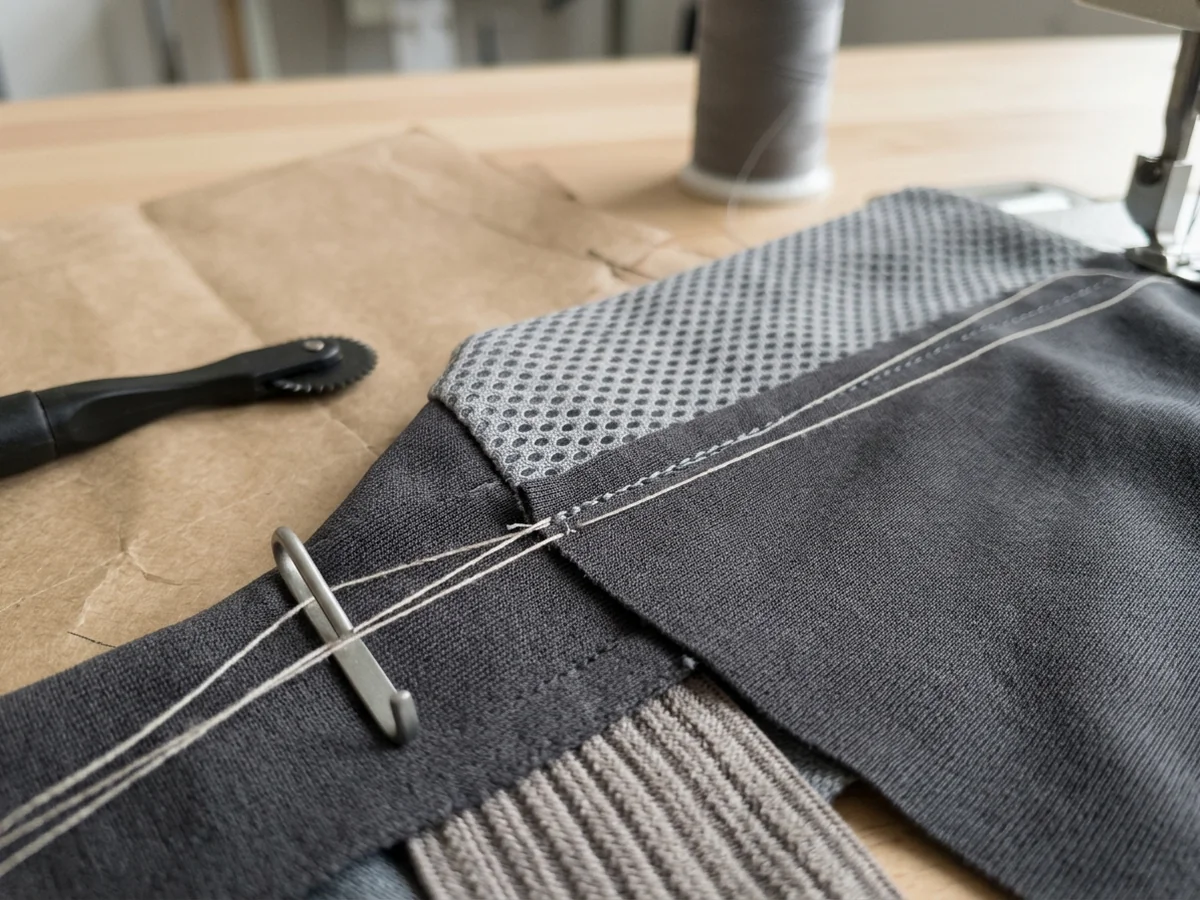
| What it does at the contact point | Sits flatter against skin, with no stitch line at the edge itself | Leaves a stitch line, which is felt or not felt depending entirely on where it was placed |
| What it is good at | The flattest available finish at an edge that is under constant load | Strength across the seam, and it can be opened and re-sewn if something needs changing |
| What it gives up | Less tolerant of rework — an edge already bonded is not casually revised | The stitch line exists, so placement carries the whole burden |
| What it needs from the material | Compatible material and our seam-sealing and taping equipment | Nothing special; it runs on the standard flat-seam and coverstitch lines |
| What is identical in both | Neither one rescues a seam placed on the aperture edge. Placement decides comfort; the seam type only decides how the placement is executed | Same |
- Bonded
- Flat seam
Why the Table Has That Last Row
Because the comparison is a distraction without it. The most common version of this conversation is a buyer asking which seam construction is more comfortable, and the honest answer is that it is the wrong variable — a badly placed bonded edge is worse than a well-placed flat seam, and no seam technology closes that gap. Getting this row wrong is how a factory ends up selling a process instead of solving a problem.
Why We Do Not Call Either One "Seamless"
Because we hold no test data behind that word, and because it describes an outcome rather than a construction. We also make no claim that either process is exclusive to us — both are standard construction across this industry, and the ability to run them is not a differentiator we are going to pretend it is.
One method, five positions
Five Riding Positions, and What Changes on the Garment Side in Each
One method, five positions. Every row is something we do; not one row is a pad parameter, because pad parameters are not ours to compare.
The conditions, fabrics and decoration for each scenario belong to their own pages. This table gives one thing only: how a difference in riding position becomes a difference in what we do on the garment.
| Road | Gravel | MTB | Commuter | Triathlon | |
|---|---|---|---|---|---|
| The position | Low and held for hours | More upright, and it changes constantly | Upright, with large abrupt movement | Near-upright, short and frequent | Low and held, arms forward |
| Where the band has to work hardest | The full length of the load, because nothing shifts to relieve it | Across the upper span, since the rider keeps moving off and back on | Resisting abrupt movement rather than steady load | The shortest working span of the five | Held to a minimum — the position barely changes |
| What the leg opening carries | A large share of the anchoring | Less; the band is doing more of it | Most of it, because the abrupt movement pulls from below | The least of the five | A share set by the one-piece construction |
| Where the seams get routed | Furthest clear of the aperture edge | Clear, with the panel redrawn where the print layout fights it | Clear, and away from the abrasion side as well | Standard clearance | Clear, and coordinated with the one-piece panel layout |
| Where to read more | Custom Road Cycling Apparel | Custom Gravel Cycling Apparel | Custom Mountain Bike Apparel | Custom Commuter Cycling Apparel | Custom Triathlon Suit |
-
- Road
Held steady. -
- Gravel
Moving off and back on. -
- MTB
Absorbing abrupt movement. -
- Commuter
Short and frequent. -
- Triathlon
Held to a minimum.
There Is No Row Called "Which Is Best"
Deliberately. Each column is the right answer to a different question about riders, and a factory that recommends one before asking about your riders is recommending its own convenience.
On the triathlon column: tri suits follow exactly the same rule as this page — development and sampling against a pad specification you supply, not a product line and not stock. The construction detail is here; the garment itself is on Custom Triathlon Suit.
If Your Roster Sits Across Two Columns
Most clubs do. The usual resolution is to develop against the position riders spend the most hours in and accept the cost in the other one — said out loud at brief stage rather than found at fitting.
Reverse qualification
Four Requests We Turn Down, and Who Should Take Their Order Elsewhere
Four of these come up often enough that saying no in advance saves everyone the enquiry.
- Ours
- Not ours
None of what follows is a claim that other factories cannot do it. All four of these things have real suppliers — they are just not us.
| The request | Why the answer is no | Who it should go to |
|---|---|---|
| "Send us your chamois range / your pad options" | There is no range. We hold no pad product line, no tooling and no stock — this is a development and sampling capability | A pad supplier, directly |
| "Which foam should we specify?" | Specifying pad internals is not our capability, and a recommendation from us would be a guess wearing a technical voice | Your pad supplier's technical contact |
| "Show us another buyer's fit results first" | Their file is theirs, and the rule only means anything if it holds when you are the one asking | Nobody — and a supplier who agrees to it has told you what happens to yours |
| "We just need whoever is cheapest" | Everything on this page is development work. If the deciding question is cost alone, you are buying work you did not want | A factory adjusting an existing block, which is a legitimate route |
- Ours
- Ours
If the Last Row Describes Your Order, Take It
And we will say so rather than talk you into the longer route. A first small run testing a design, with a pad going into a block that already exists, is a real and sensible way to buy a garment — it is just not the thing this page is describing, and paying for development you will not reorder against is a cost without a return.
What We Do Not Make at All
- Gloves, and footwear of any kind including overshoes.
- Helmets, and hardware such as computers and lights.
- None of those are garments and none are made here. Finished bib-type goods are not a product line either — bib and pad work is development and sampling against a specification you supply, which is the whole subject of this page.
Before a first specification
Questions Buyers Ask Before Sending a First Specification
What clubs, brands and retailers ask once they have worked out that the pad is only half the question.
What is the minimum order for chamois and bib development?
30 pieces per style per colourway. Two things follow from it on this page specifically:
- Sizes mix freely inside one colourway, so a size run does not have to be evenly spread.
- Sample pieces sit outside the count entirely — sampling runs before bulk and does not eat into it.
The full ordering logic is on MOQ & Wholesale Pricing.
How long does the sampling process take?
Sampling runs 5–7 days. Bulk runs 20–30 days from sample confirmation, with a rush window of 12–15 days where capacity is booked ahead. Sample revisions run two rounds with no additional sampling charge — what counts as a revision versus a new sampling round is set out on Sampling & Prototyping, and we make no claim about industry norms, ours or anyone else's.
Can you provide fit or wear-test feedback records from previous sample rounds?
No — and it is worth explaining why, because it is the same reason your own records will be safe here.
Those records belong to the buyer whose order produced them. A buyer's tech pack is not licensed for use on another buyer's order, and a pattern we developed for one buyer does not go onto another buyer's garment — that holds for the fit notes and the sample history attached to it too. Anonymising it does not change whose data it is.
What you get instead is evidence from your own order: your confirmed sample, the revision record for it, and flat measurements against the specification you signed. Slower than being shown a folder, and the only version that is actually about your kit.
Do you support separate women's patterns?
Yes. Our base range is XS–3XL with men's and women's patterns held separately, and if your riders order against a size chart you publish, the steps are mapped to yours instead. On the garment side the differences are positions — where the band sits and how far it runs, where the aperture is placed, and the leg-opening height. Whether separate pad sizes are involved is a question for your pad supplier, not something we specify.
Can the bib be developed separately from the rest of the kit?
Yes. It is a normal way to start, and plenty of buyers do exactly that before adding the rest. Worth knowing: each style and each colourway counts on its own against the ordering minimum set out on MOQ & Wholesale Pricing — developing one item on its own does not pool it with anything else.
Do you make chamois pads?
No. We develop and sample against a pad specification you supply, from your own pad supplier. There is no pad line here, no tooling and no stock. Finished bib-type goods are not a product line either.
Can we send you a specification sheet or a tech pack?
Yes — send it to [email protected]. Text is all the form below carries, so a specification sheet, artwork and a size chart travel together in a mail thread instead.
What don't you make?
Gloves, footwear of any kind including overshoes, helmets, and hardware such as computers and lights. None of those are garments and none are made here.
How quickly will we hear back?
An enquiry gets a reply inside 24 business hours. Once a complete tech pack is with us, a quote follows within 48 hours.
Tell Us Where It Hurts
No tech background needed. Three things get a development conversation started: how your riders sit, roughly how many of them there are, and where it went wrong last time. From that we can name the garment-side decisions your kit turns on — and say which questions belong to your pad supplier rather than to us.
A specification sheet, a tech pack, artwork or a size chart goes by email to [email protected] — this form carries your details and your message only.
- [email protected]
- +86 177 0272 7677 · WhatsApp 8617702727677