
Custom Cycling Apparel for a Brand's First Season, Planned Without Sales History
You have a name, a design direction and a market you believe in. What you do not have is a sell-through report — and every assortment method worth using assumes you already own one.
-
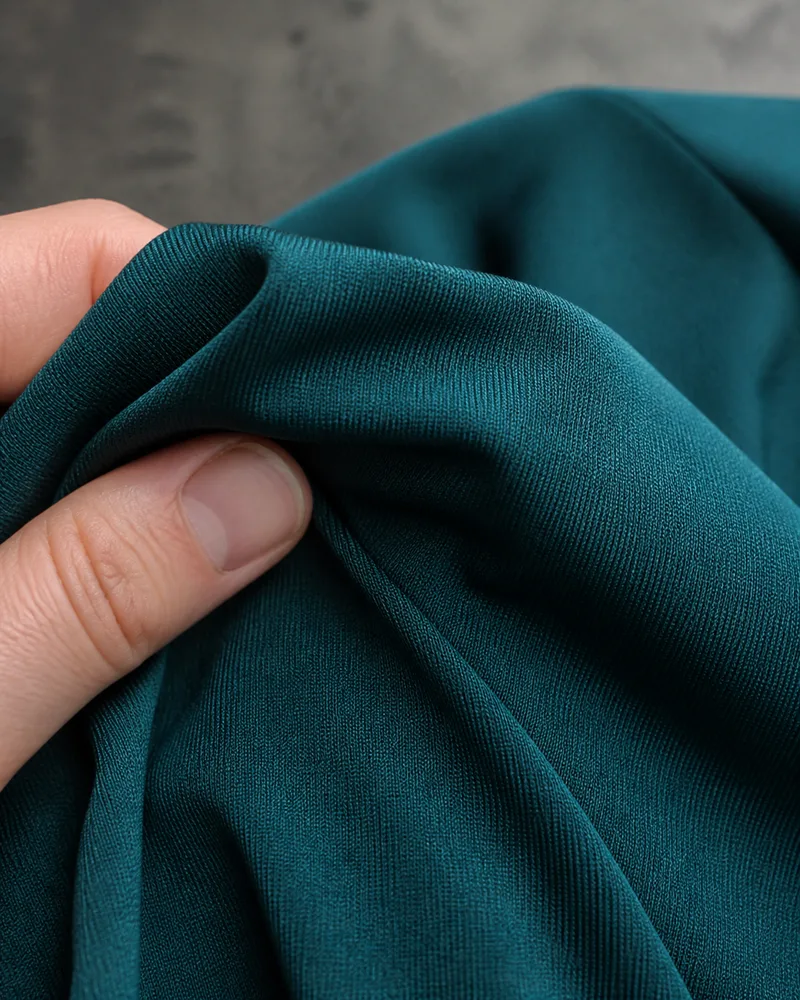
Fabric familyWhich of three ratios the body panel runs in. -
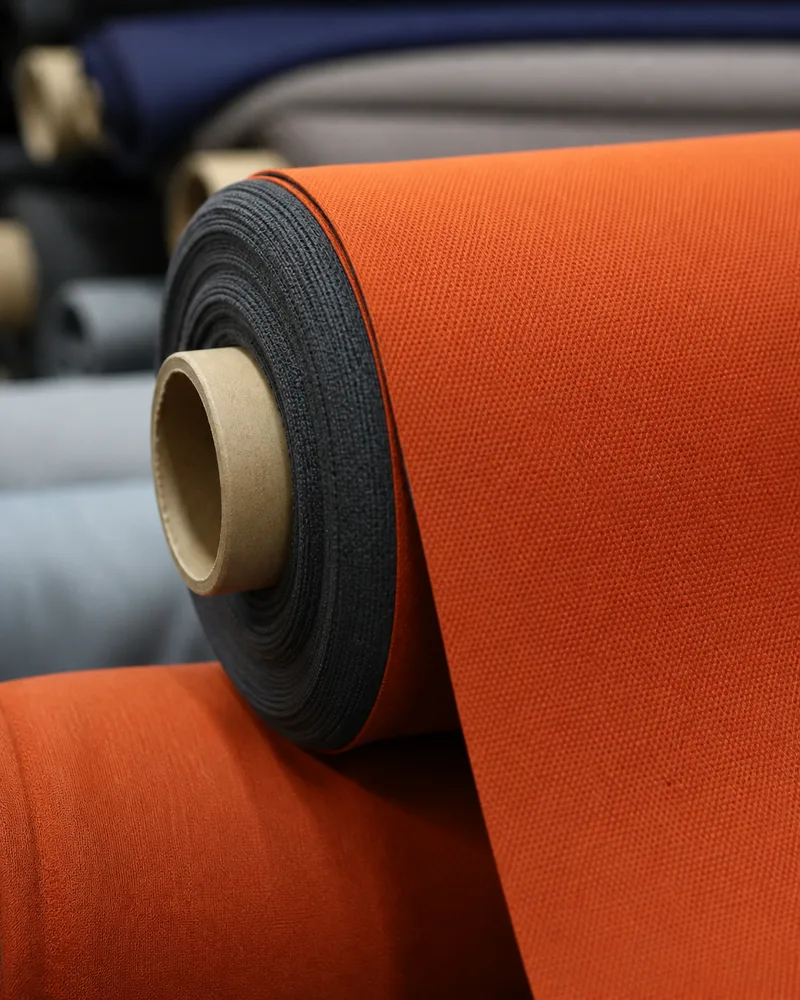
Colourway countHow many colours an opening season can honestly carry. -
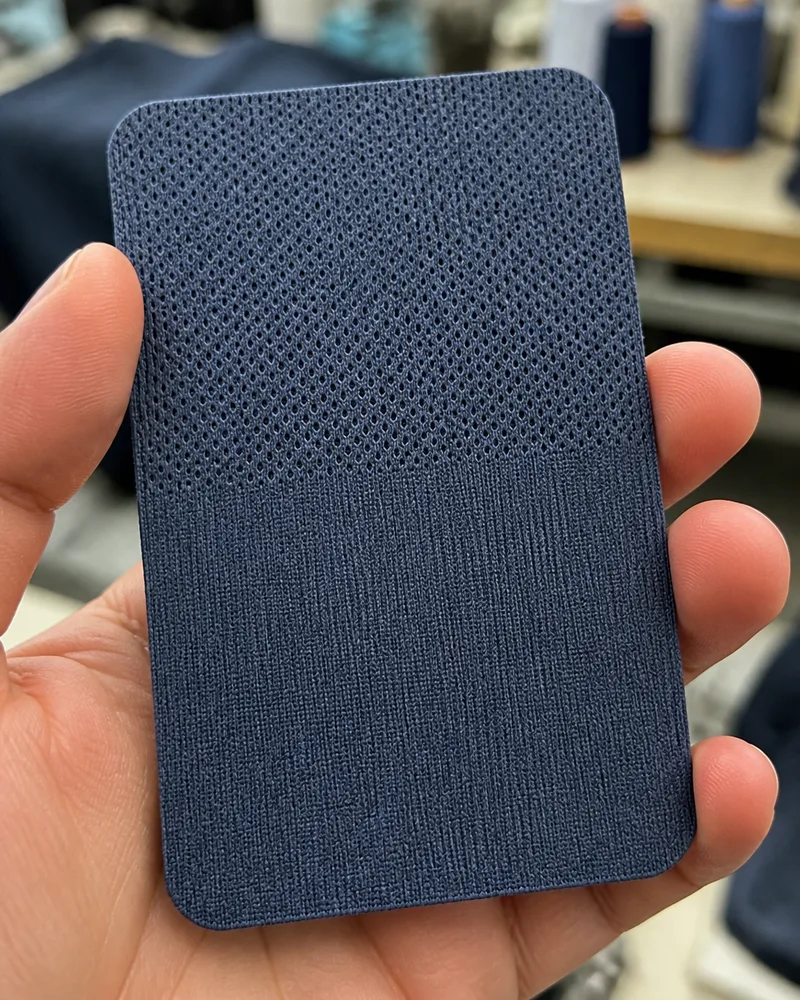
Fabric weightWhere inside the band each piece is taken. -
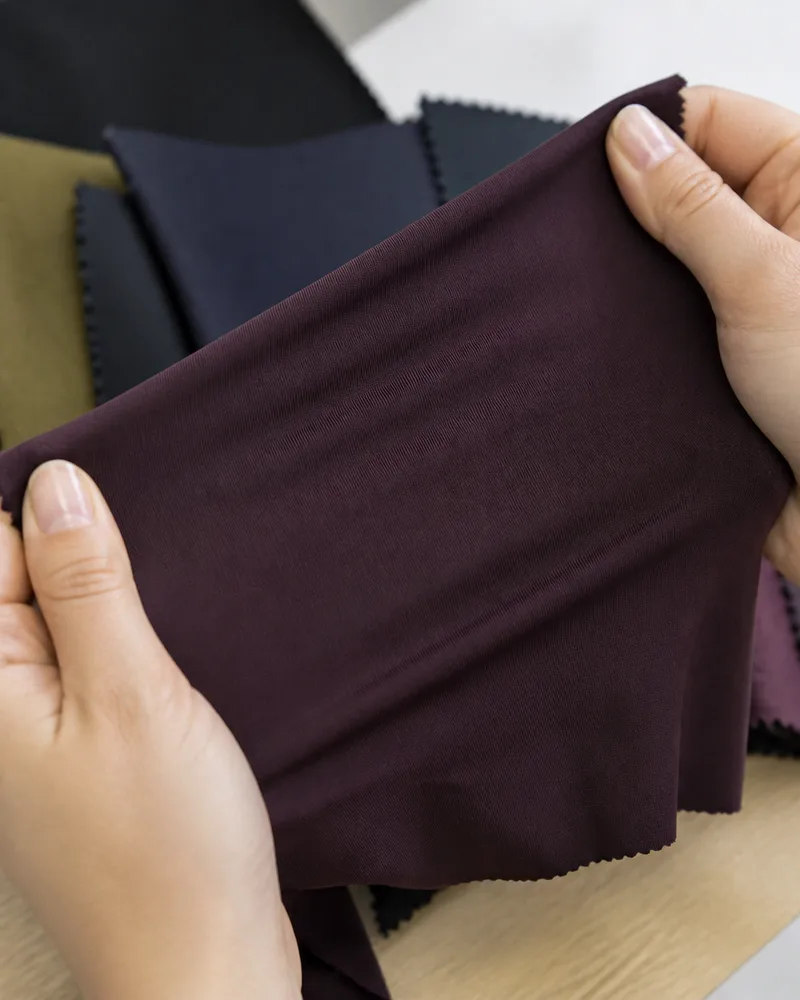
Perennial or seasonWhich colours you mean to still be selling in a year.
What a First Season Is Actually Afraid Of
Not "will it look good" — you already have a view on that. Three other things, and none of them get solved in this section. Naming them properly is what makes the rest of the page readable.
- First-time founder
- Small brand already shipping
- Judgement. Every quote sounds equally authoritative, and they contradict each other.
- The restock. Batch two is what decides whether batch one mattered.
- The missing number. Every planning method takes sell-through as its input.
You Cannot Tell a Good Answer From a Confident One
The first quote will sound authoritative. So will the second, and they will contradict each other. Without a production background your only defence is asking things that can be checked later: what gets retained after shipping, what happens on a third sampling round, who names the labelling requirement.
Precise answers describe a process. Warm ones describe nothing.
Batch Two Is What Decides Whether Batch One Mattered
A first drop can sell out on goodwill. The restock is bought by people comparing a photograph — or a garment they already own — against what arrives.
Colour drift between dye lots is the ordinary failure here, and it is invisible until the two pieces are in the same hand.
Every Planning Method Assumes a Number You Do Not Have
Depth per size, split per colourway, how many styles to open with — every published method for these takes historical sell-through as its input. You have zero rows of it.
This is the constraint the whole page is organised around, and the five substitutes below are the answer to it.
Route selection
Which of the Three Routes You Can Actually Start On Today
Not three service tiers. Three different answers to one question: how much of the specification already exists before we talk. The mechanics of each live on their own page — this is only about which door is open to you now.
How the three modes work, and who holds what afterwards, is set out on OEM & ODM Private Label Services. This section decides only which route a founder can start on.
- OEM
- ODM
- Private label
| Route | What you must already have | What gets developed here | Where your files end up |
|---|---|---|---|
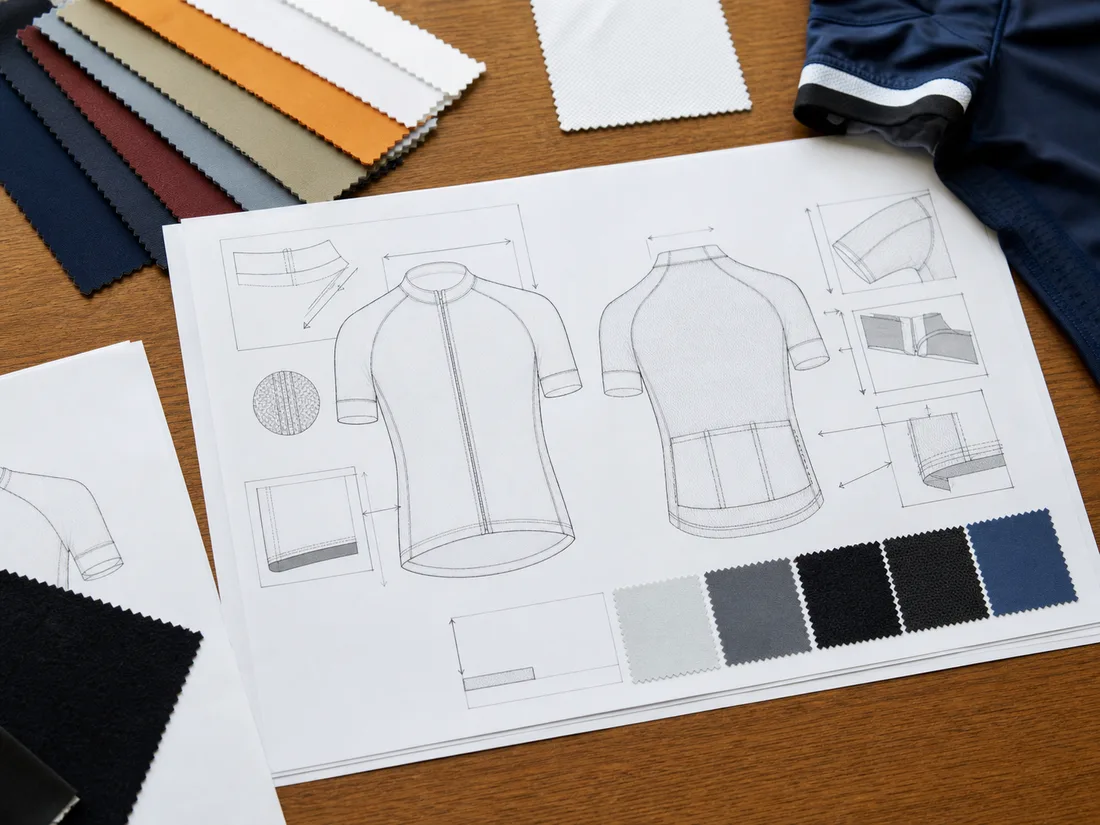
| OEMOriginal equipment manufacture: you arrive holding the finished specification, and the factory's job is to execute it exactly. | A complete tech pack — measurements, construction callouts, artwork placement, labelling spec | Nothing is invented; the specification is executed and checked against itself | Your original stays yours; the factory holds a production copy only, never applied to another buyer's order |
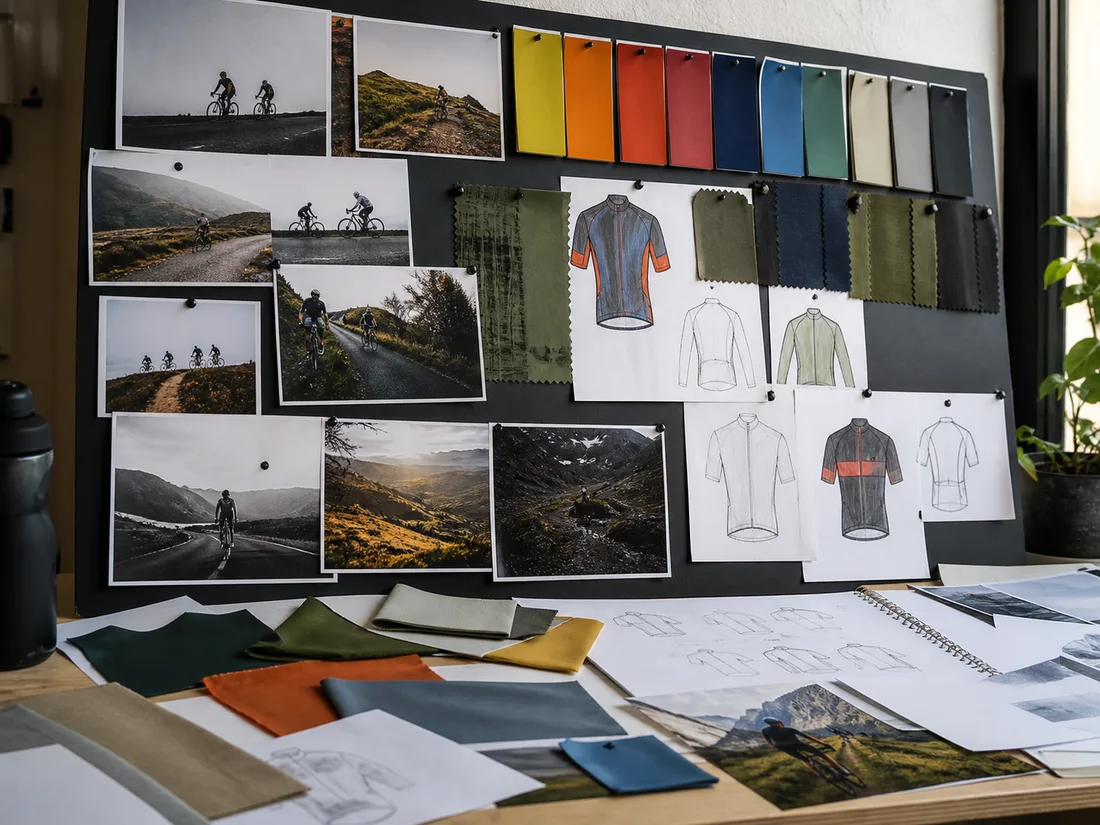
| ODMOriginal design manufacture: the pattern and specification are drafted here, against your references, because they do not exist yet. | A concept, reference garments, a market and a rough size intent — no tech pack required | Pattern, spec sheet and construction developed here against your references | After sample sign-off, the finished tech pack is your exclusive deliverable, on the same footing as an OEM one |
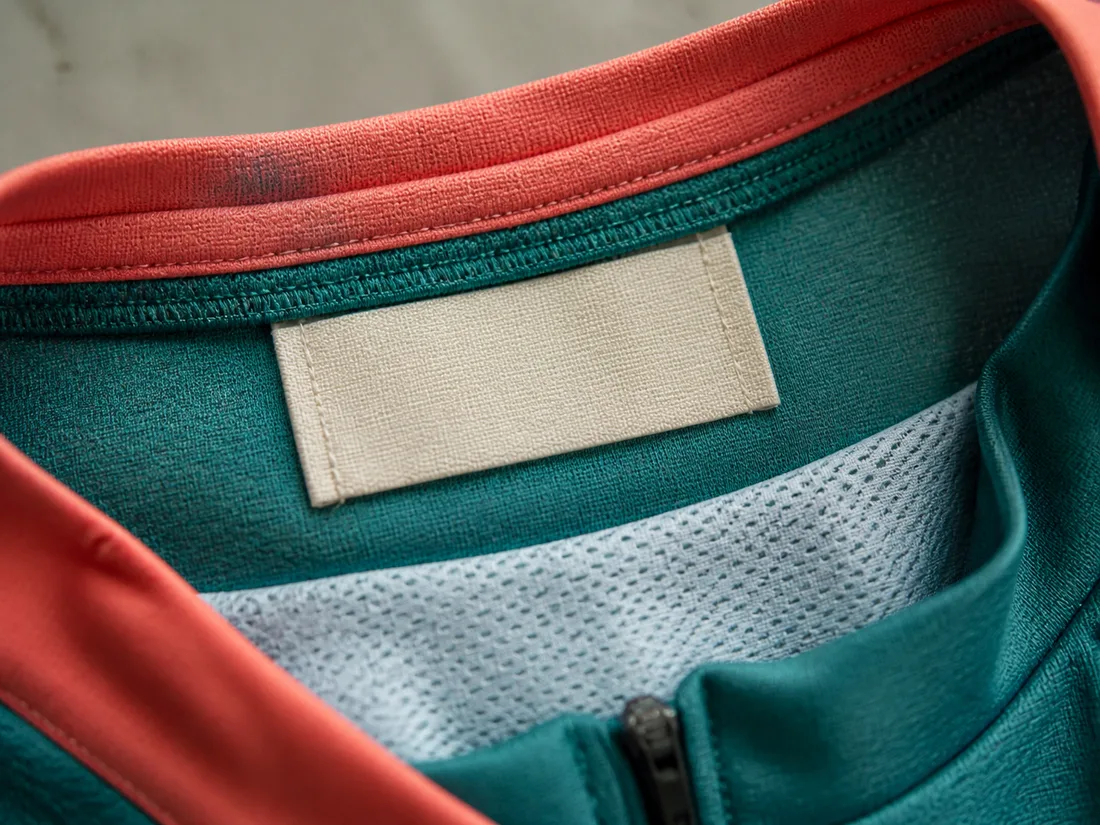
| Private labelAn existing garment shape produced to carry your own mark: decoration, labelling and packaging are what get developed, not the garment. | An existing garment shape you want carrying your own mark, plus artwork | Decoration, labelling and packaging developed to your artwork | Artwork and label spec archived on your account for the reorder |
The Honest Version of "Which One Should I Pick"
Most first-time founders start on ODM believing they are on OEM. A reference garment, a colour direction and a firm opinion add up to a concept, not a specification — which is normal, and precisely what sampling exists to resolve.
The costly move is buying a tech pack before you know enough to write one.
What Changes Once You Have Shipped Once
The second season is usually OEM whether you planned it or not: after one confirmed sample, the specification exists, and you own it.
Route selection stops being a question from that point on.
Substitutes for data
What Stands In for Sales History When You Don't Have Any Yet
Five substitutes, and — more usefully — what each one is blind to. None of them is data. All of them are better than an even spread across every size and colour you like.
- Competitor stock
- Pre-orders
- Retailer curve
- Perennials
- Listening
-
 1 · Competitor stock
What Competitors Already Keep in Stock
Which shapes a market has already decided it will buy.
- What it tells you
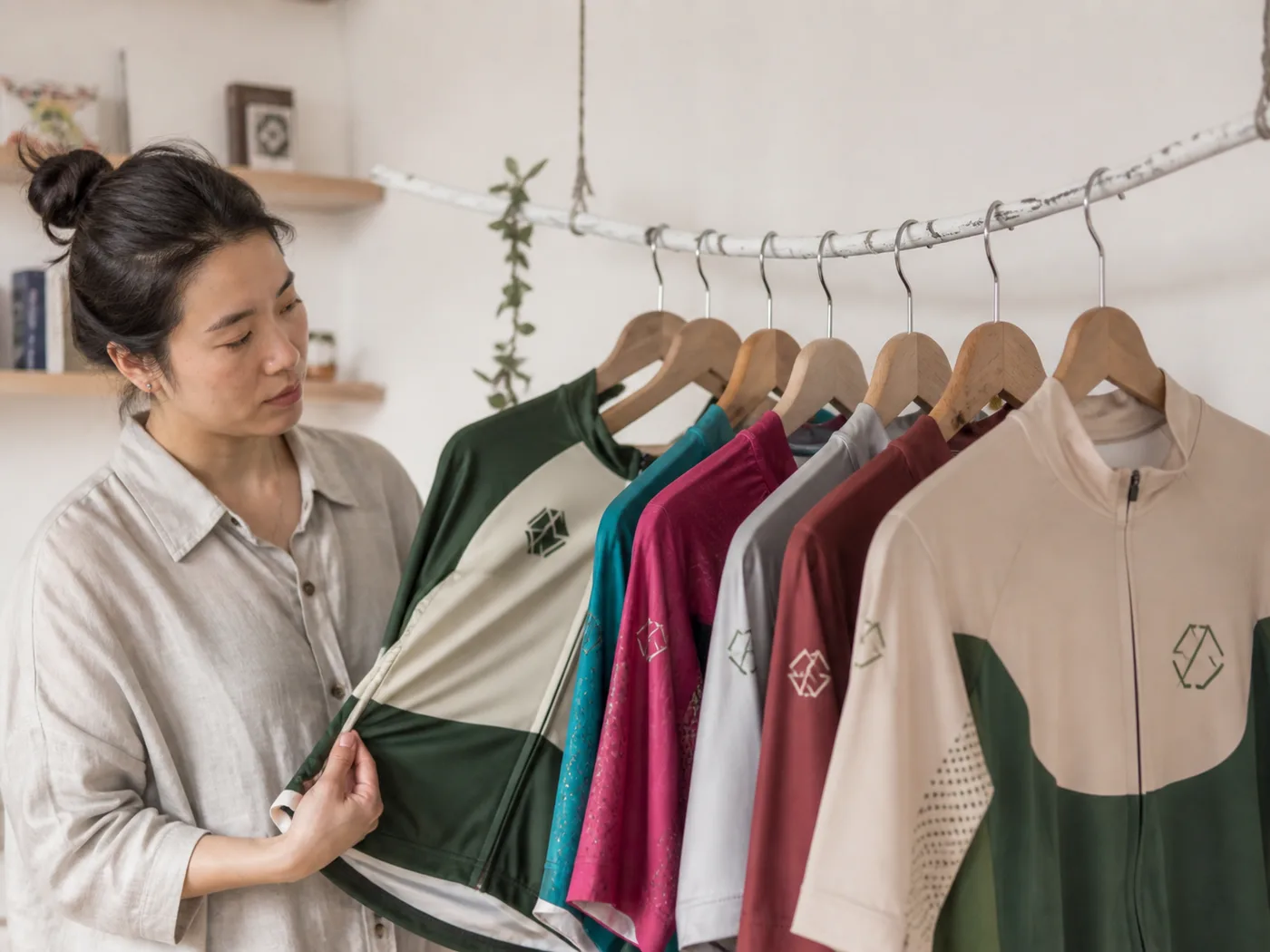
- Which shapes a market has already decided it will buy. A brand that has restocked the same three pieces for four seasons has published its answer, and you can read it without a single sale of your own.
- What it is blind to
- Their audience is not yours, and you cannot see what they discontinued. Structure survives the transfer between brands; taste does not.
- How to turn it into a number
- Count styles, not opinions. If four comparable brands all carry a short-sleeve jersey, a vest and a set of warmers, that is your opening style count — not five, not nine.
-
 2 · Pre-orders
Pre-Orders and Waitlist Intent
The only signal here that comes from your own audience.
- What it tells you
- The only signal on this list that comes from your own audience, with a name attached to each row.
- What it is blind to
- Stated intent inflates. Treat a waitlist as a ranking of colourways rather than as a quantity, because the ordering it gives you is far more reliable than the totals.
- How to turn it into a number
- Use it to decide which two colourways, then set depth from a different signal entirely.
-
 3 · Retailer curve
What a Retailer Tells You When You Ask Properly
Which sizes sit and which clear, in your city.
- What it tells you
- A shop that has sold cycling apparel for a decade knows exactly which sizes sit and which clear, in your city, in the segment you sell into. Most will say so if you ask about size curves instead of asking them to stock you.
- What it is blind to
- Their curve is shaped by their door, and it lags a season behind whatever is moving online.
- How to turn it into a number
- Ask for the size split, not the sales figure. The split is what you need and the part they are willing to give.
-
 4 · Perennials
Perennials Versus Season Colours
Which colours are worth a repeatable reference.
- What it tells you
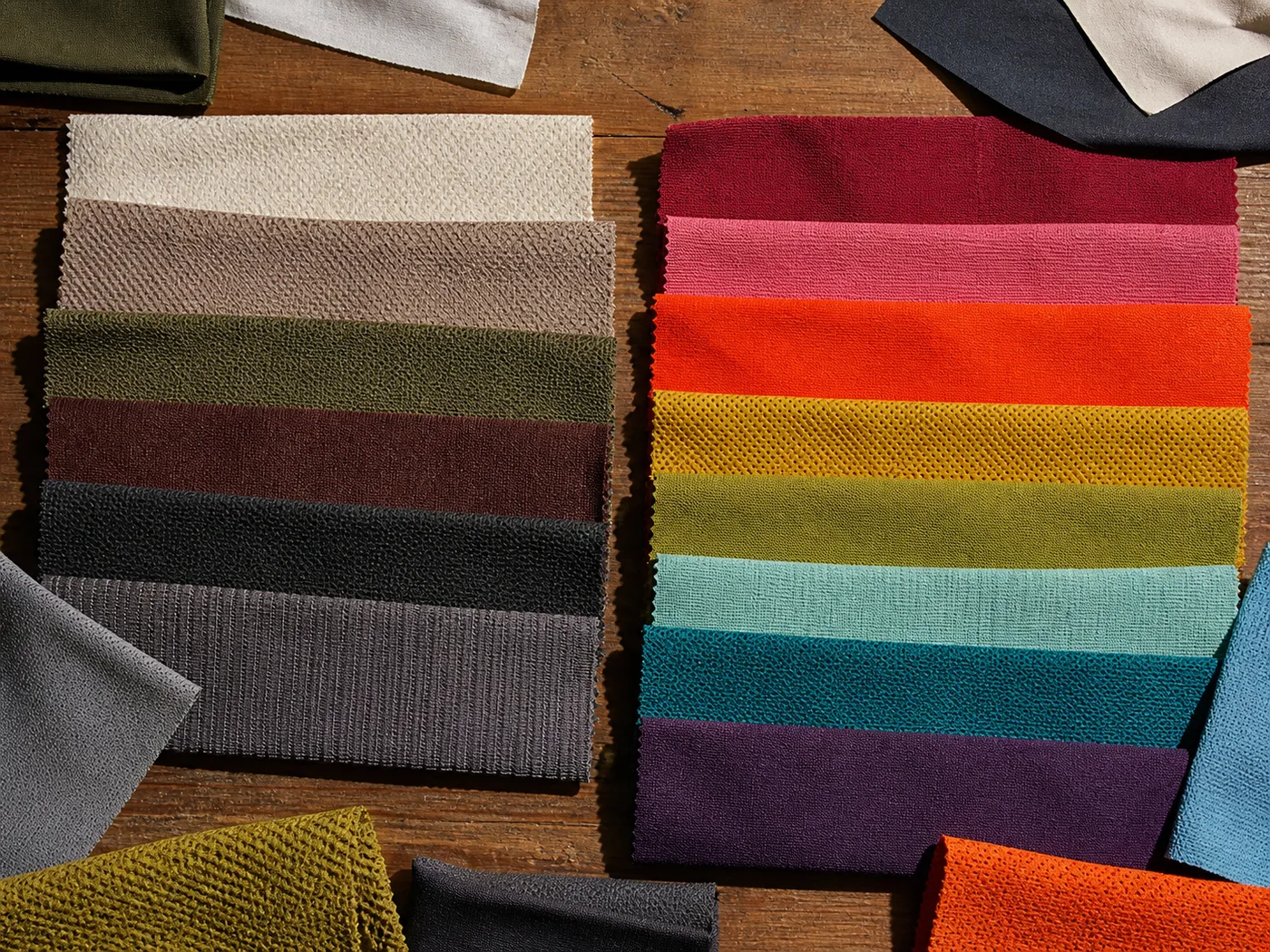
- Which part of the assortment is worth committing a repeatable colour reference to. A standing navy behaves differently from a one-season graphic — the first will be compared against itself for years, the second never will.
- What it is blind to
- Nothing about demand. This is a durability judgement, not a volume one.
- How to turn it into a number
- Decide before the first order which colourways you intend to still be selling in twelve months, because that decision — and not the total quantity — is what makes a matching restock possible.
-
 5 · Listening
Listening Where Riders Already Complain
The most specific product brief you will be handed.
- What it tells you
- Unprompted complaints about fit, sleeve length, hem ride-up and pocket depth are the most specific product brief you will ever be handed, and they cost nothing.
- What it is blind to
- Loud problems are not always common ones. Complaints tell you what to check on the sample, not what to make more of.
- How to turn it into a number
- Convert each recurring complaint into one line on the sampling checklist, so the first sample is judged against real grievances instead of against a drawing.
What One Brand's First Season Actually Came Out As
A newly formed DTC cycling brand: 6 SKUs developed under private label for the opening season, each in 2 colourways, every colourway produced at the per-style per-colourway floor — 360 pieces across the season, with its own main label and its own packaging.
Why That Shape and Not a Wider One
Six styles is about what the competitor read produces for an all-round brand. Two colourways is as far as a waitlist can rank honestly. Depth sat at the floor because none of the five signals could justify more — and an opening order you cannot read afterwards is a measurement thrown away.
What Season Two Inherited
Pattern, colour references and label artwork were already on file, so widening became an ordering decision rather than a development. The narrow opening bought speed later, not a discount.
Where This Case Stops Being Useful
Read it as one worked example, not a benchmark. It came out of a single market carrying a single product type, so your own size curve is nowhere inside it. And nothing here implies a concession on quantity: twelve colourways is simply what twelve counts look like when every one of them clears the floor by itself.

Got a Shape in Mind for the Opening Season?
Send Your ConceptFabric and Pad: The Two Decisions That Have to Be Made Before Cutting
Both get decided at specification stage, both are expensive to revisit afterwards, and only one of them is a decision we can make with you. The other one you have to bring.
Fabric family grading is on Custom Fabric Development; the values for each riding discipline are on Road, Gravel, Mountain Bike, Commuter and Triathlon.
Pad construction is on Cycling Chamois Development. This section is only about what you settle first.
Fabric — what actually gets chosen
- The family
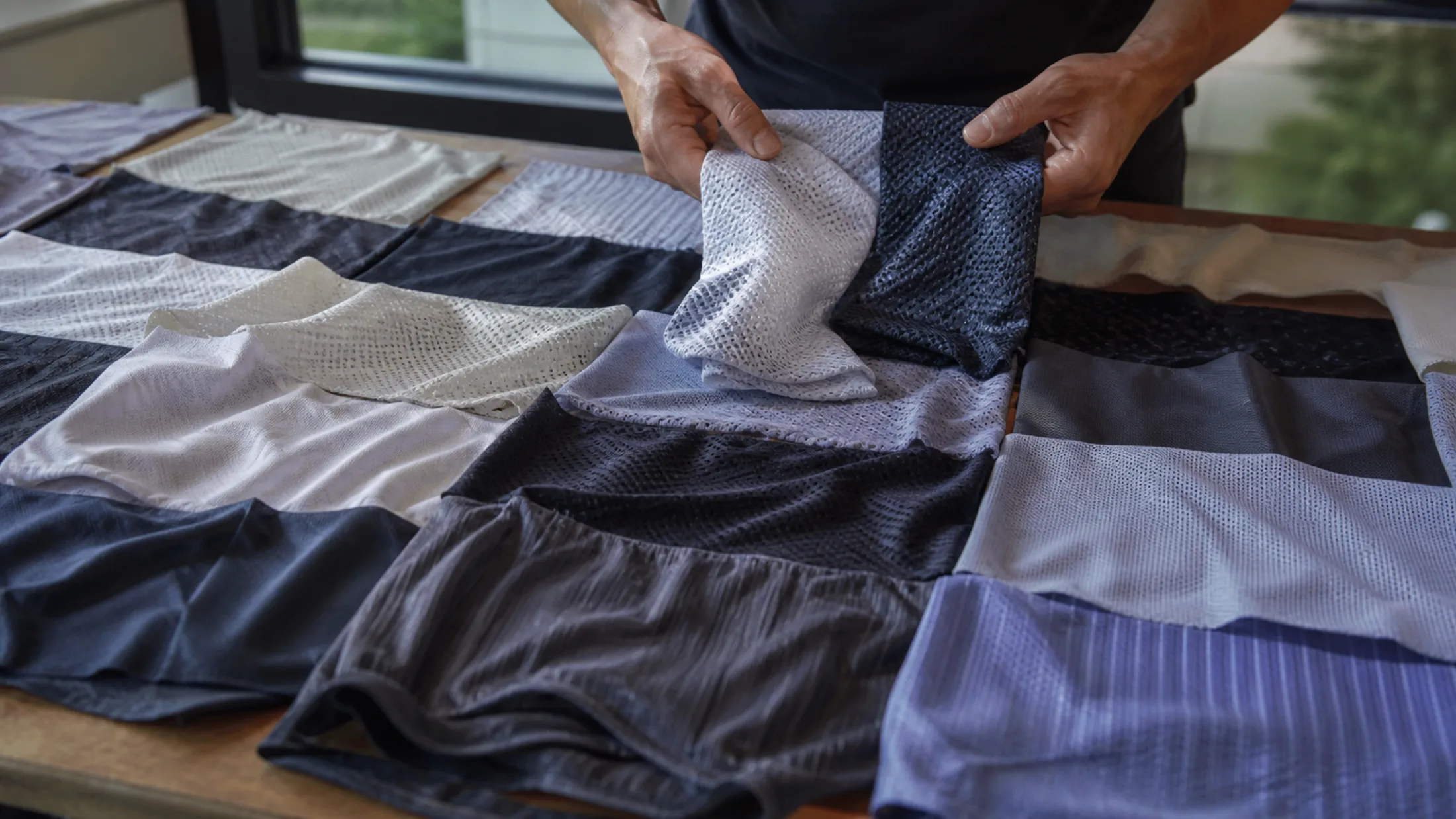
- One nylon/elastane family in three ratios: 88/12, 90/10, 91/9. Different stretch and recovery behaviour, same family — not three unrelated materials.
- The weight
- 140–230 gsmGrams per square metre — the standard way to state how heavy a fabric is. A lower number is lighter and more open; a higher one is denser and more opaque., taken within that band according to the piece and the season, not according to which number sounds more substantial.
- The finish
- A DWR treatment where an outer layer needs it. We write water-resistant and mean it literally; we do not make impermeability claims for any fabric or garment on this site, and we do not publish head or breathability figures we have no report for.
- The durability floor
- Body fabric clears 30,000 MartindaleA rub test: fabric is abraded in a figure-of-eight until it fails, and the count of cycles it survived is the result. Higher means it takes more wear before it goes. cycles before it goes to cutting. No third-party mill names appear anywhere on this site — we are not their authorised converter, and borrowing a mill's reputation is exactly the kind of borrowed authority a new brand should not build on.
Pad — the decision you have to bring
Chamois and bib work here is development and sampling against a pad specification you supply. You name the pad supplier and the spec; we develop and sample to it. Construction detail lives on Cycling Chamois Development.
- Not a stock product we hold. Nothing sits on a shelf here waiting to be picked.
- Not a graded range to choose from. There is no tier list of pads on this site to pick a level off.
The Part That Surprises First-Time Founders
Each pad specification is its own SKU. Two densities across one style is two SKUs, each carrying its own production floor — the number appears once on this page, in the FAQ. Founders routinely plan a customer-facing pad choice and discover it has doubled the opening range. One pad spec for season one keeps that range readable.
Nobody Is Standing Behind You at Sample Stage — Here Is What to Look At
A shop has a buyer and a till to argue with. A first-season brand has neither. The sample is the only object that tells you the truth before money is committed, so it is worth knowing what to judge it on and who puts their name to it.
- Proportion
- Structure
-
Proportion Changes Versus Structural Ones
Two kinds of change come out of a first sample and they behave nothing alike. Proportion — sleeve, body length, hem — moves inside the pattern that already exists. Structure — panel count, seam placement, closure — is a different garment.
Opening seasons are nearly always proportion; founders nearly always fear structure.
-
Judge It Against the Complaint List, Not the Drawing
Those rider grievances above convert straight into a checklist. Ride the sample, or put it on somebody who will, and walk the list item by item.
A rendering cannot fail that test. A garment can, which is the entire reason a physical round exists.

How a first order gets handled on the floor when there is no buying office in front of it. -
Somebody Has to Sign, and It Is You
With no buyer above you, the founder is the sign-off. That is not a formality. The moment you approve it, that object stops being a proposal and becomes the thing every later piece gets measured against — the second of the four locks set out further down.
Approve it wearing it, not on a screen.
How sampling itself is run is set out on Sampling & Prototyping. What follows is the part that has no owner but you: judging the object when there is no buyer above you.
The Clock, and Where Each Part of It Starts
- Working sample — 5 to 7 days. Counted from the point your specification stops moving, not from your first message.
- Revisions — 2 rounds. No extra sampling charge attaches to them. Spend them on proportion; that is what they are for.
- Production — 20 to 30 days. The window opens when you sign the sample off, which is exactly why judging the sample decides your launch date.
- Compressed production — 12 to 15 days. Available where a slot was reserved ahead of time. Reserving early is the mechanism; asking late is not.
Batch consistency
Making the Restock Match the Drop Your Customers Already Own
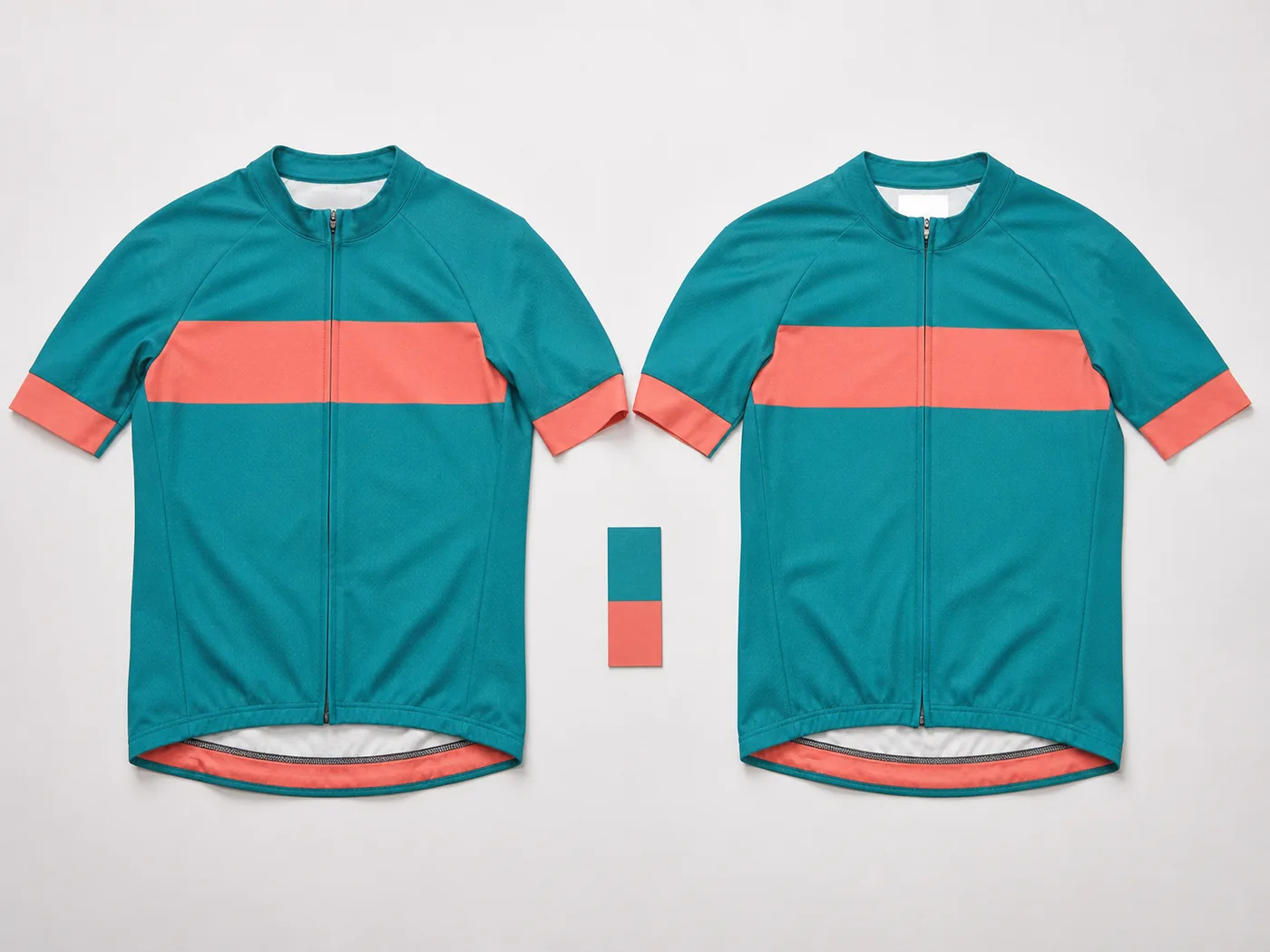
Batch consistency is not a quality slogan on this page. It is whether a customer who bought in March can hold that garment against one bought in September and not feel cheated.
- Dye lot drift
- Placement drift
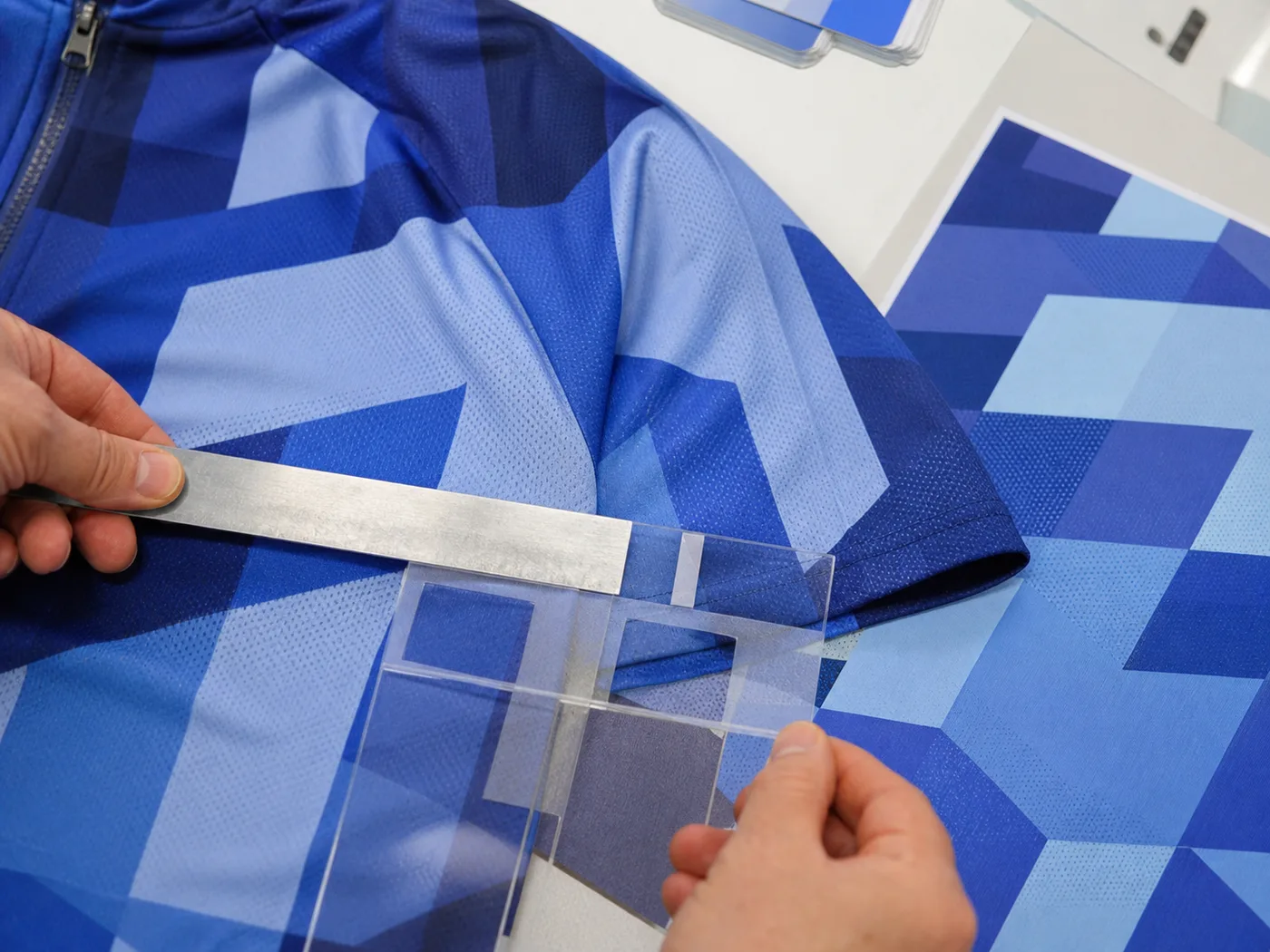
Drag the handle, or use the arrow keys, to move between the two checks. Both images are our own batches against the same records.
What Physically Carries Between Two Batches
Two artefacts do the work. Your signed-off pattern and the colour reference approved alongside it both stay on file once the opening run ships.
Every later batch is cut against those records instead of being rebuilt from the original brief — that is the whole mechanism, and everything below depends on it.
Where the Check Actually Happens
At the mid-run inspection against the confirmed reference sample — one of the six gates every order passes, set out in full on Quality Control.
It matters here because it is the last point at which a drift can still be corrected rather than discovered by a customer.
- Dye lot drift. Every dye lot sits inside a tolerance band. The control is matching each new lot to the retained reference before cutting, not hoping two lots agree.
- Placement drift. Sublimation and heat transfer positions move if they are re-set from artwork rather than from the confirmed production file. The control is that the file, not the artwork, drives the second run. Process detail is on Printing Methods.
What we will not claim: that two runs come out identical. Dye lots carry tolerance and pretending otherwise helps nobody. What we will tell you is the reference each run was matched to, that it has not moved since your opening approval, and that the comparison happens on our floor rather than on your unboxing table.

A first season is not a smaller version of a real one. It is the season that has to earn the right to have one.
For a DTC Brand the Parcel Is the Shop, and the Label Is the Only Thing They Keep
A club hands kit out at a club night. You ship into someone's hallway and never meet them. Everything below is specified at tech-pack stage, because none of it can be added afterwards without opening every bag.
What a retail shelf needs instead — shelf position, hang tags matched to a store's own system — is on Bike Shops & Retailers, which owns it. The two do not overlap.
- Garment
- Spec
- Timing

On the Garment
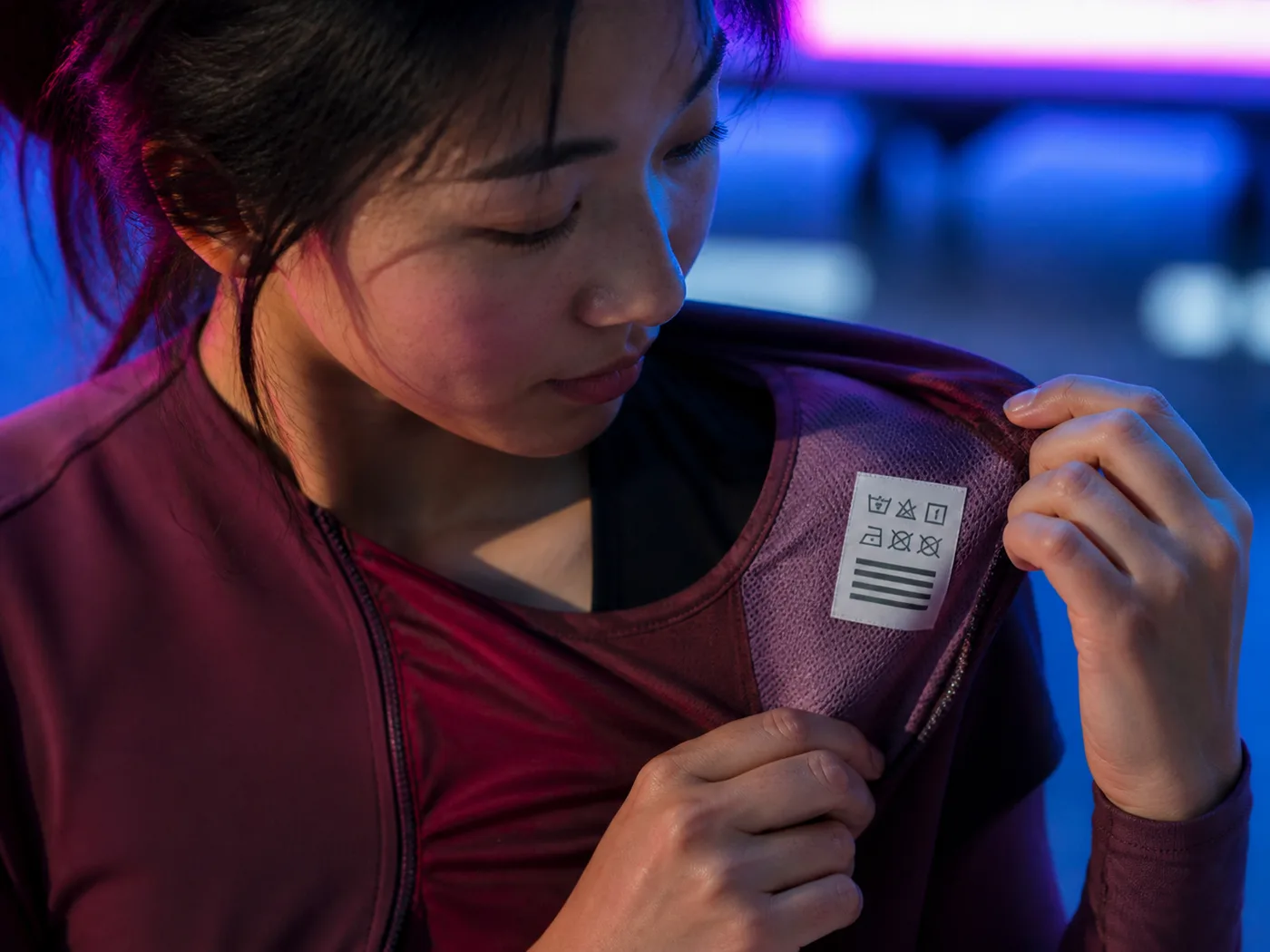
- Main label. Woven or printed to your artwork, at the neck. For most DTC brands this is the only physical object carrying the brand name that a customer keeps after the packaging goes in the bin.
- Care and composition label. Composition and wash symbology, written for whichever market the parcel is addressed to.
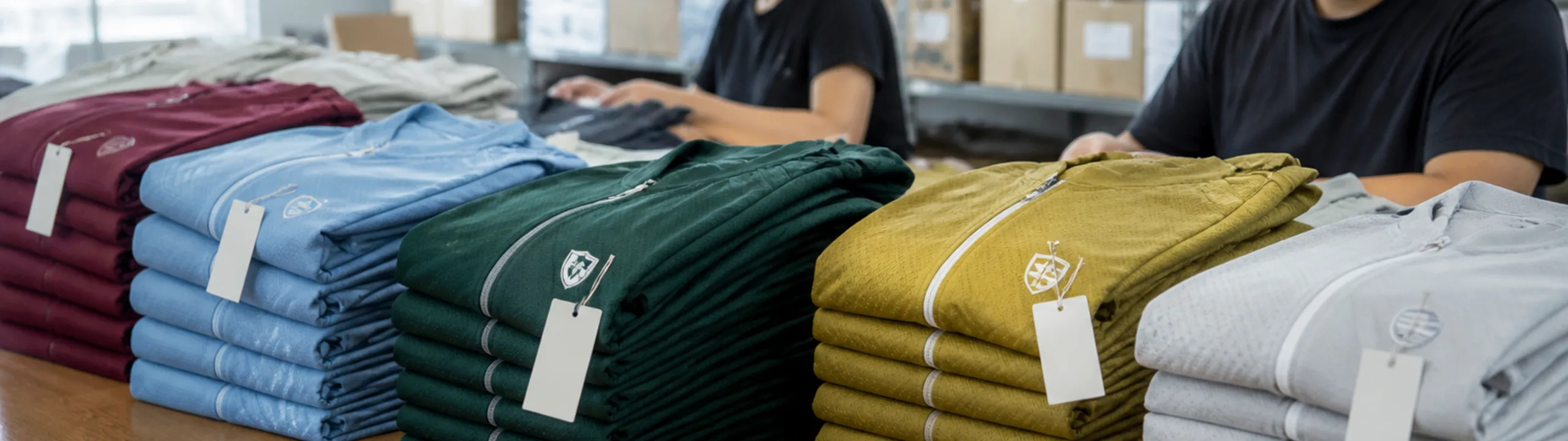
- Hangtag. Your artwork, attached, ready to photograph.
- Size marker. So a customer can identify a size without unfolding a garment — which matters more for exchanges than for the first purchase.
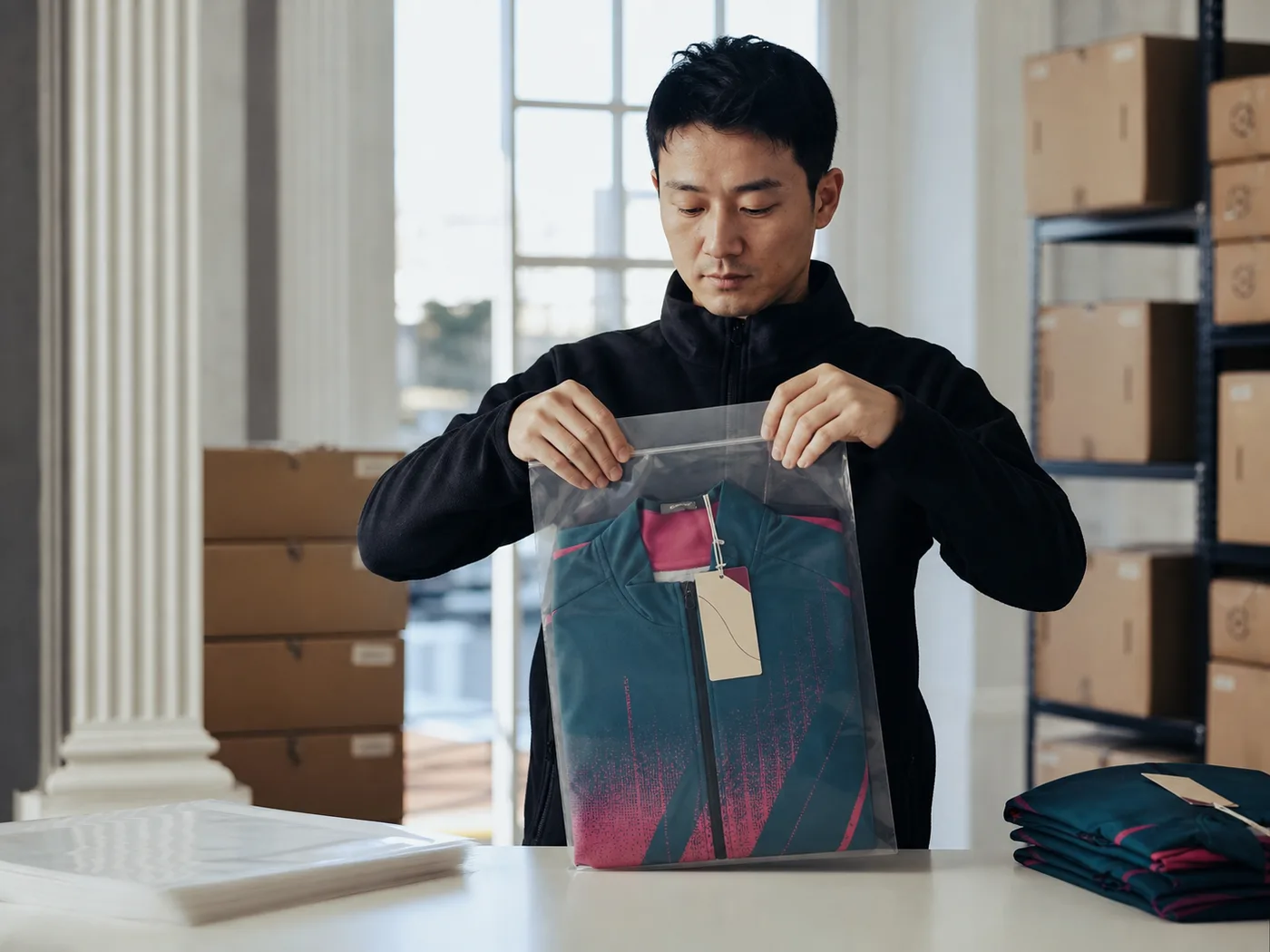
- Individual poly bag. One per garment, so what leaves the line is what lands on a doorstep.
- Barcode position. Printed where you specify, carrying the value you hand us. Issuing or registering those values is not something we do.
What We Build the Labelling To
Whatever written spec arrives with your files — origin marking, composition, care symbology, in the language your destination market expects. It goes on the tech pack and it is checked at the same gates as everything else.
What we will not pretend to do: no regulatory advice, no certifying your product for a market, no acting as anyone's compliance agent. Tell us the requirement and we produce to it. A supplier offering to handle compliance for a first-season brand is selling reassurance, and reassurance evaporates exactly when it is needed.
Where This Goes Wrong for First Seasons
Rarely in production. Almost always in the spec: nobody put the pack on the first tech pack, it surfaces when the cartons open, and then somebody tags a whole run by hand during launch week. On the tech pack these items are trivial. Off it they are not.
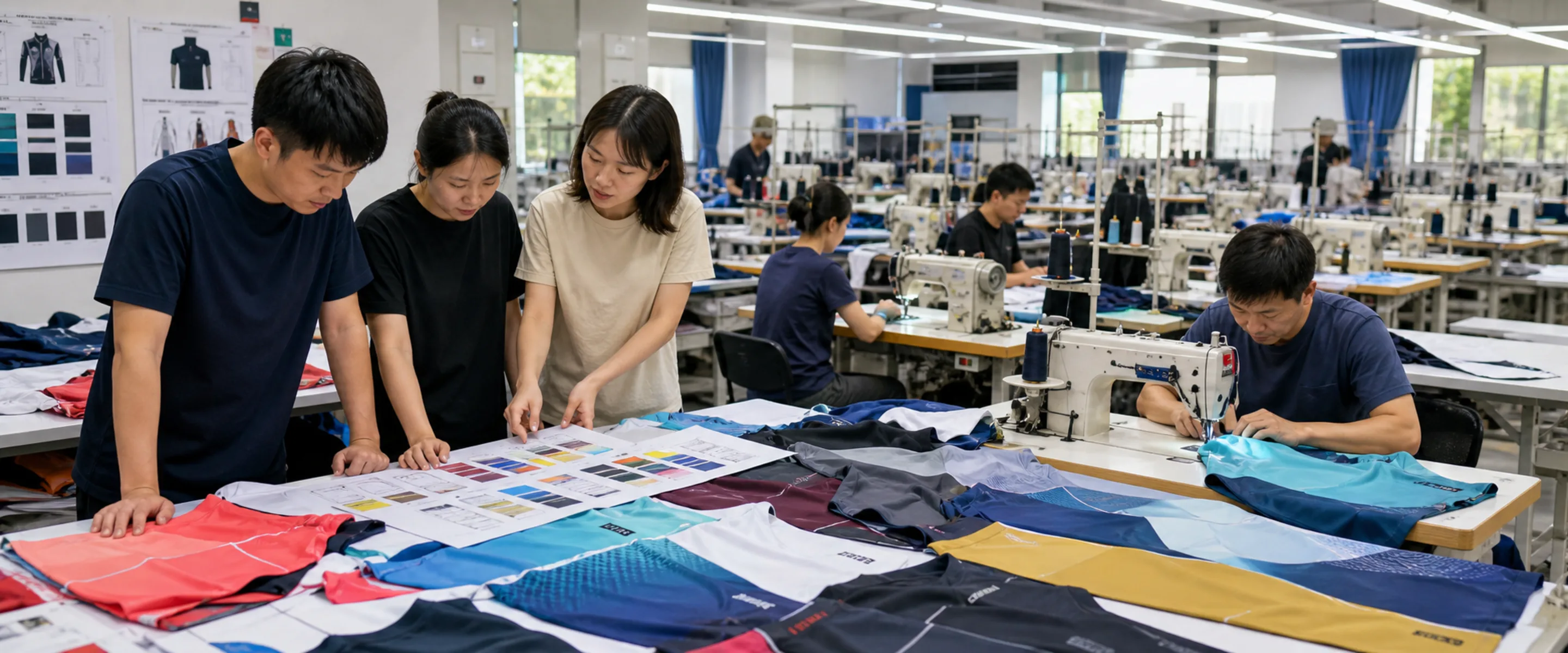
The Order Your First-Season Decisions Lock In
The cost of changing a decision is not a money question. It is which already-finished work it throws away — so the sequence matters more than the individual calls.
-
Locks earliest
Colourway Count — locks earliest, hardest to reverse
Every additional colourway is a separate production count, a separate colour reference to approve and a separate row in every later stage. Adding one after sampling is not an adjustment; it restarts colour approval for that style. This is the first decision and the one founders reopen most often.
- Locks when
- Before sampling begins — earliest of the four.
- Breaks what
- Colour approval for that style starts again from the beginning.

Decision 1 — every extra colourway is its own count and its own reference. -
Locks at sign-off
Pattern and Base Fit — locks at sample confirmation
Up to the moment you sign off the sample, proportions are cheap: sleeve length, body length, hem. After sign-off that garment is the specification, and changing it means a new sample and a new confirmation, not an email.
- Locks when
- At sample confirmation — the signature at sign-off.
- Breaks what
- A new sample and a new confirmation round, not a revision.
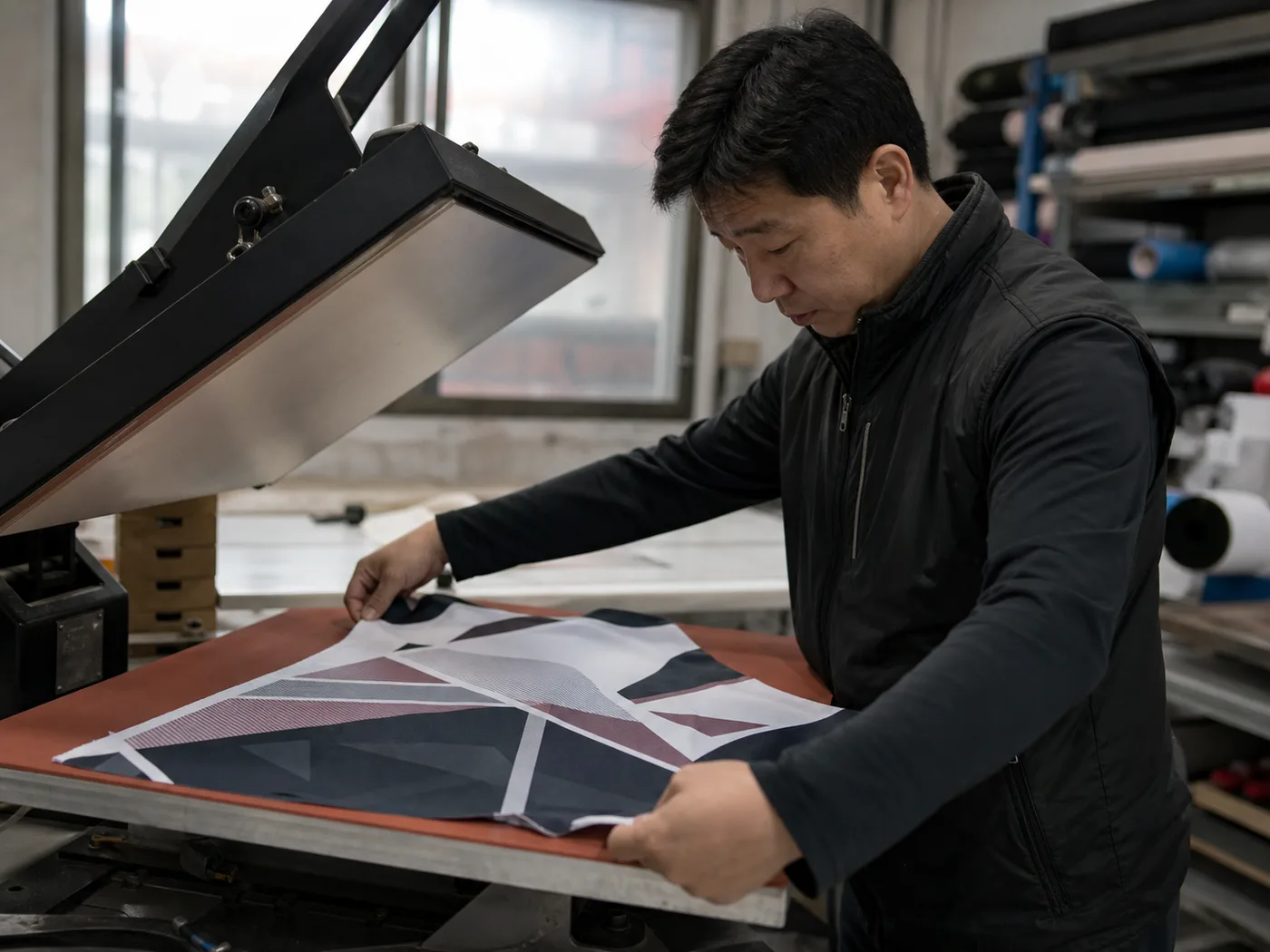
Decisions 2 and 3 — the pattern and then the production file that drives placement. -
Locks with the file
Artwork and Decoration Placement — locks with the production file
Artwork can still change right up until the production file is set. Once it is set, placement is driven by that file rather than by the artwork, which is exactly what makes a matching restock possible — and exactly why a late graphic tweak is more disruptive than it looks.
- Locks when
- When the production file is set, after artwork approval.
- Breaks what
- The file every later run is set from, which is the mechanism behind a matching restock.
-
Locks last
Labelling and Packaging Spec — locks last, but fails hardest
It locks latest of the four and is the one most often left out entirely. Its failure mode is unique: the garments are correct and unsellable at the same time, and the fix happens by hand across the whole run.
- Locks when
- Latest of the four — and most often left off the tech pack altogether.
- Breaks what
- Nothing in production. The whole run gets finished by hand instead, during launch week.
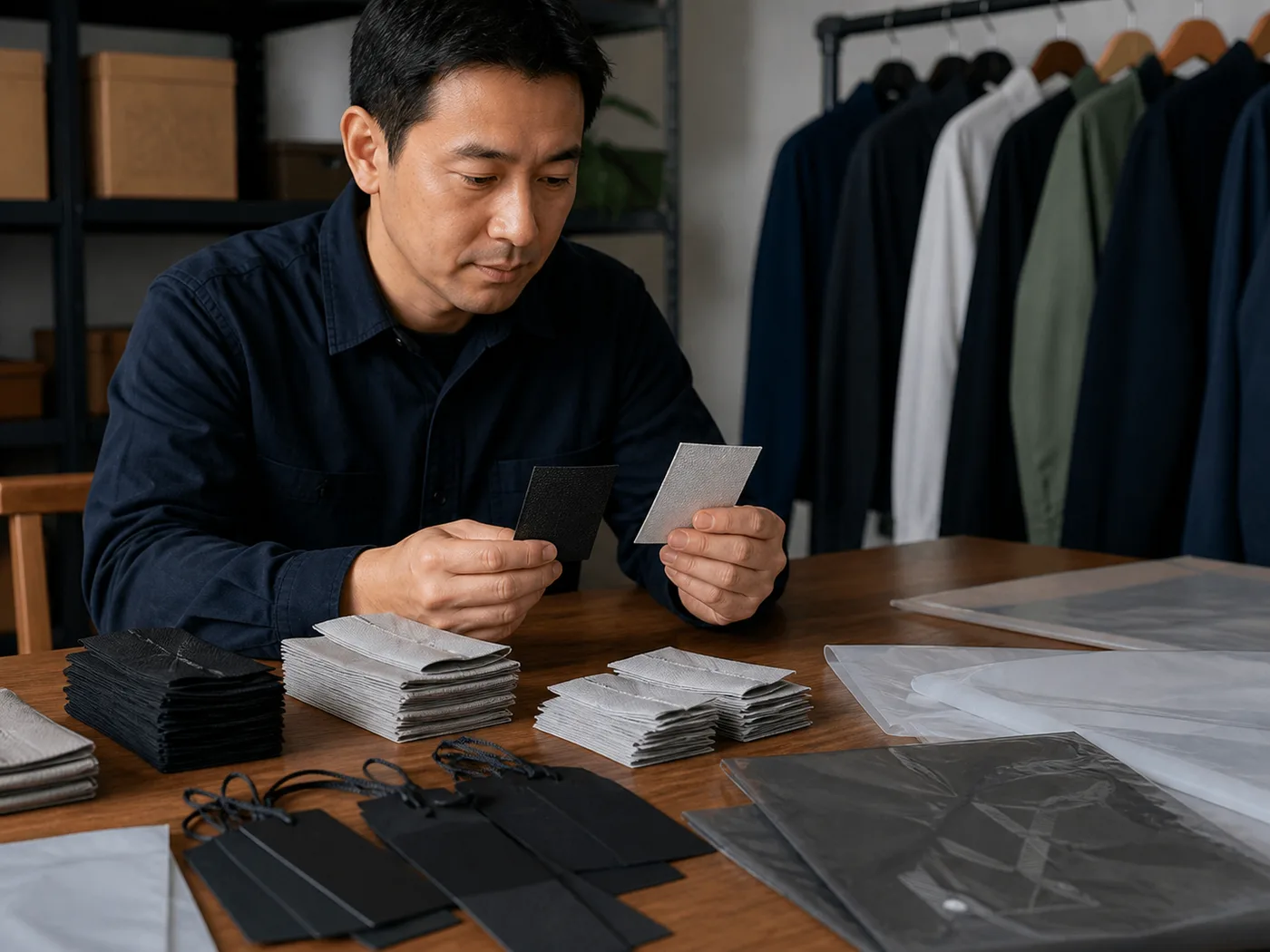
Decision 4 — the one that is trivial on a tech pack and brutal off it.
What Actually Causes Re-work
Not indecision — sequence. Deciding artwork before colourway count, or packaging after bulk has started, is what generates re-work. Making the same four decisions in the order above generally produces none, and that is the entire content of this section.

Want These Four Decisions Walked Through Against Your Own Range?
Talk to Our Development TeamFour Beats From Pre-Drop to Restock, and Which One You Own
A drop calendar is the one part of this that is entirely yours. What we can pin down is which beats depend on us and which do not — so a launch date stops being a hope.
Restock cadence for a channel that already exists is on Bike Shops & Retailers. These four beats are a direct first sale and a first restock.
-

Pre-drop
Goods are in hand before anything is announced. Bulk runs 20 to 30 days from sample confirmation, so the announcement date is set backwards from that window rather than forwards from optimism.
-

Launch weeks
The first two or three weeks are the only unpolluted read you will ever get of your own demand — before restock gaps and discounts distort it. Record the size and colourway split now; it is the sell-through report those substitutes stood in for.
-

Restock point
The trigger is yours to set. Our side knows the production window; only you know your own turn rate and how long you can stand to show a sold-out size. Set the level, and a restock stops being a scramble and becomes a date.
-

Restock run
Cut from the records already sitting on your account, so the run begins at production instead of at development.
What the Restock Does Not Skip
A repeat is a fresh production order in its own right: the same floor per style and per colourway as the opening run, and the same production window. Nothing is reduced or waived for repeats here.
A supplier suggesting otherwise is selling stock they already hold, not production.
Why Season Two Feels Completely Different
Because by then those five substitutes have been replaced by your own rows. Every one of those five signals exists to be thrown away as soon as a real sell-through report exists.
Which is the whole point of keeping season one narrow enough to read.
What You Receive at Delivery, and What Stays on Your Account Afterwards
Two lists. One arrives in the shipment; the other never physically arrives at all, and it is the one that decides how expensive your second season is.
- Arrives
- Stays on file
With the Shipment
-
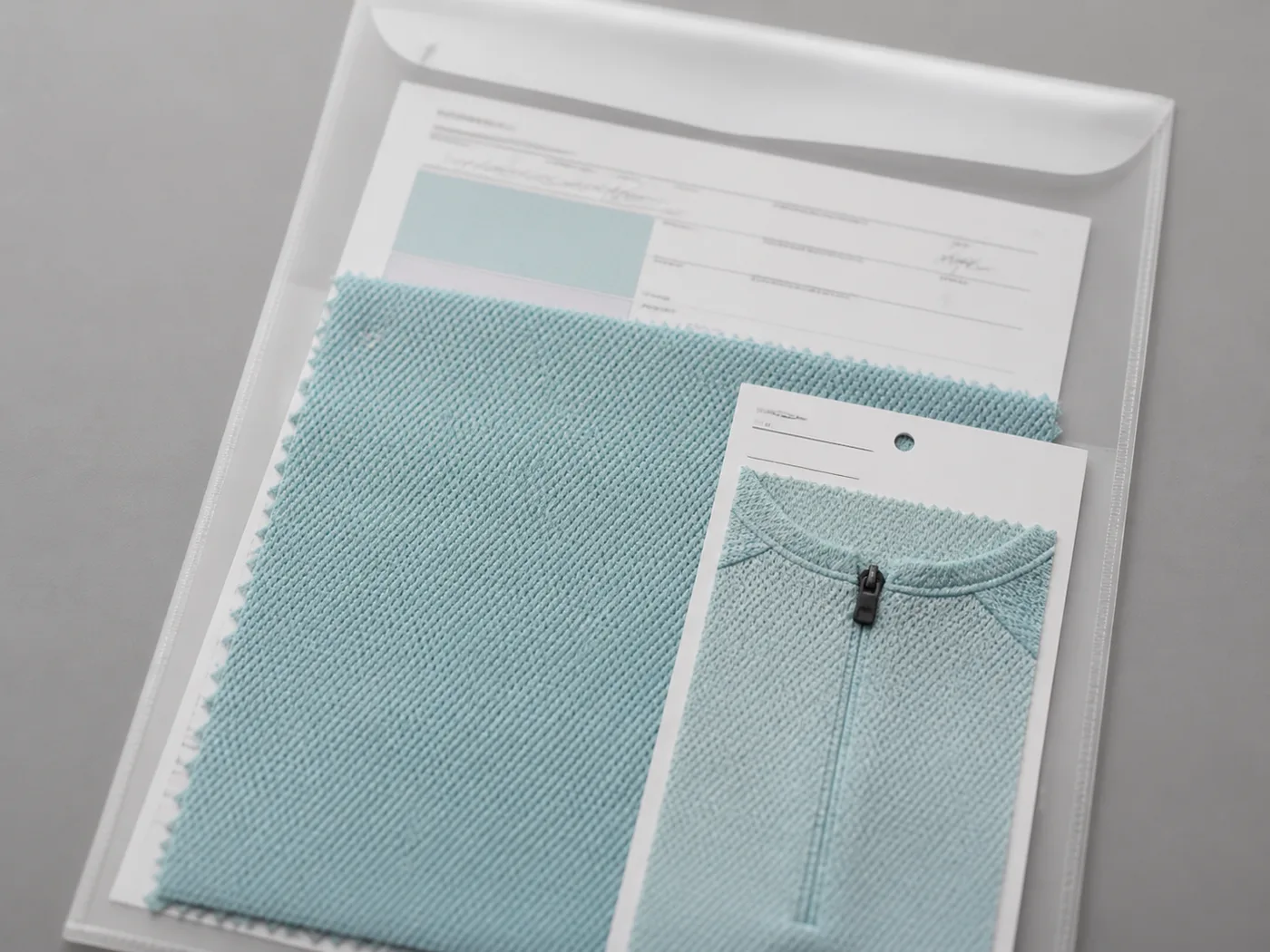 The confirmed sample. The physical object every piece in the run was checked against. Keep it — it is your reference in any later conversation, including with a different factory.
 -
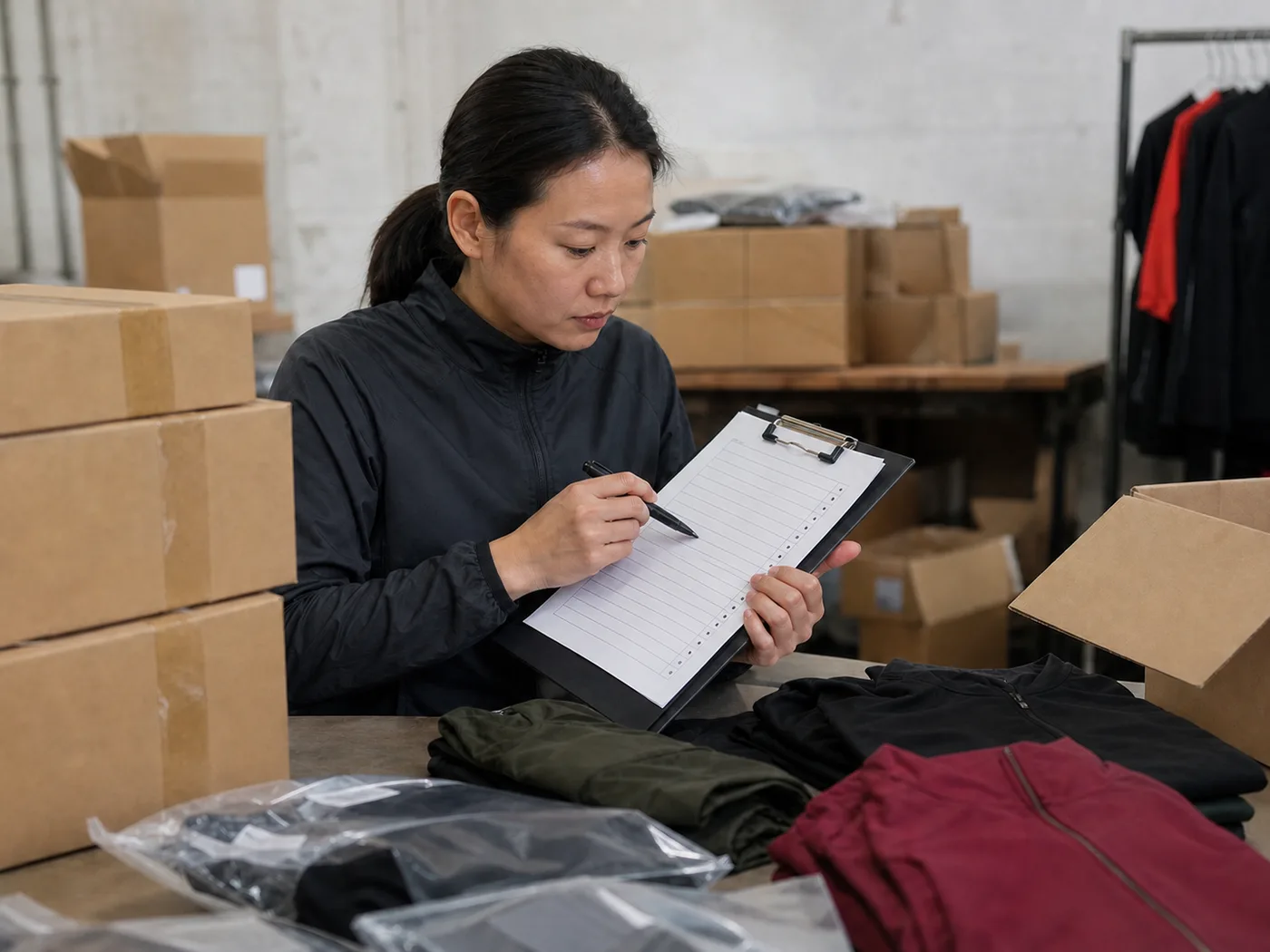 The packing list. Cartons, contents, size and colourway breakdown per carton, so a receiving count is a check rather than an unpacking exercise.
 -
 The care-label artwork as produced. What actually went on the garment, not what was requested — the two are worth comparing once.
 -
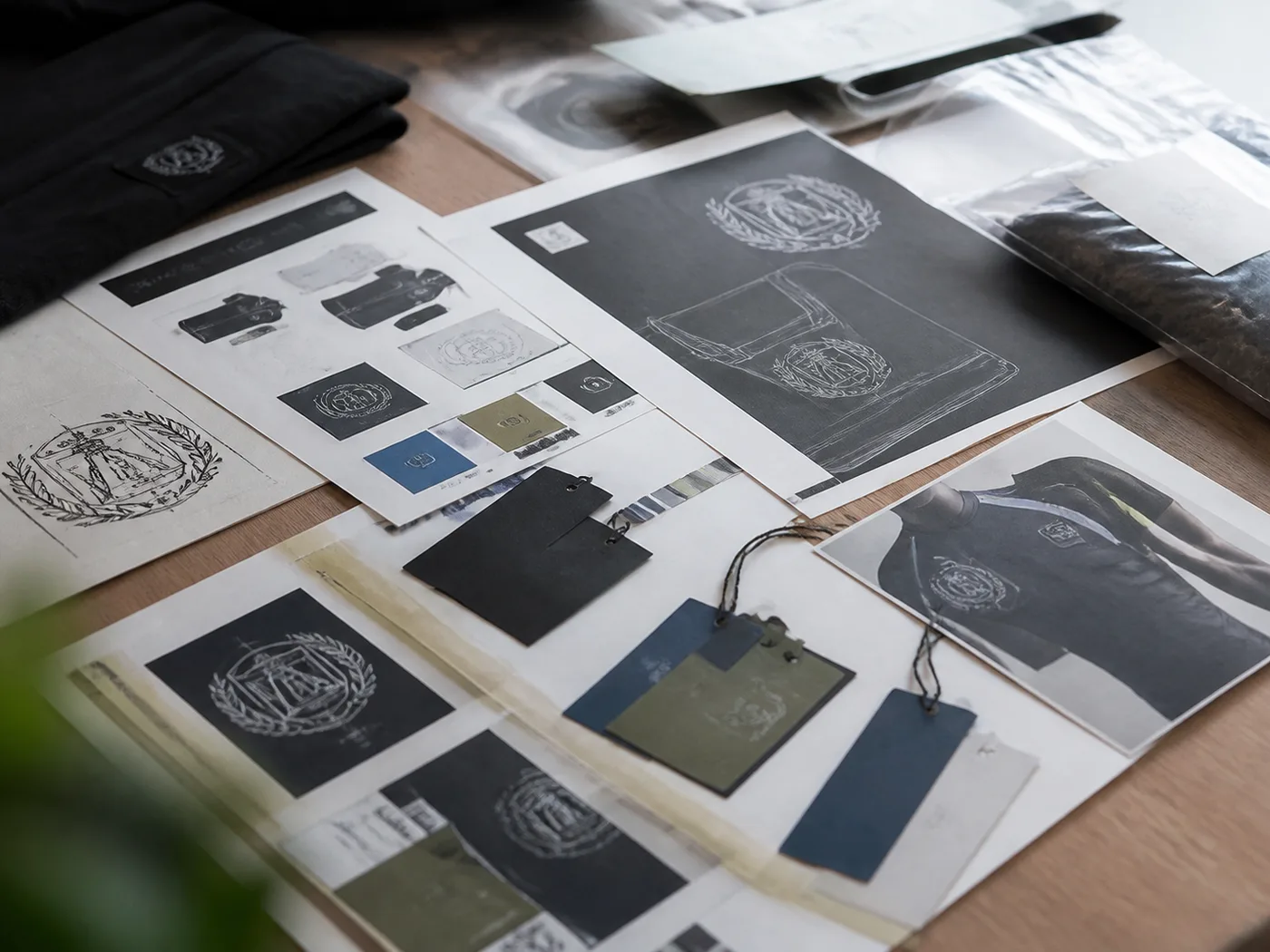 The artwork files as produced. Same principle, for decoration placement.
On Your Account
-
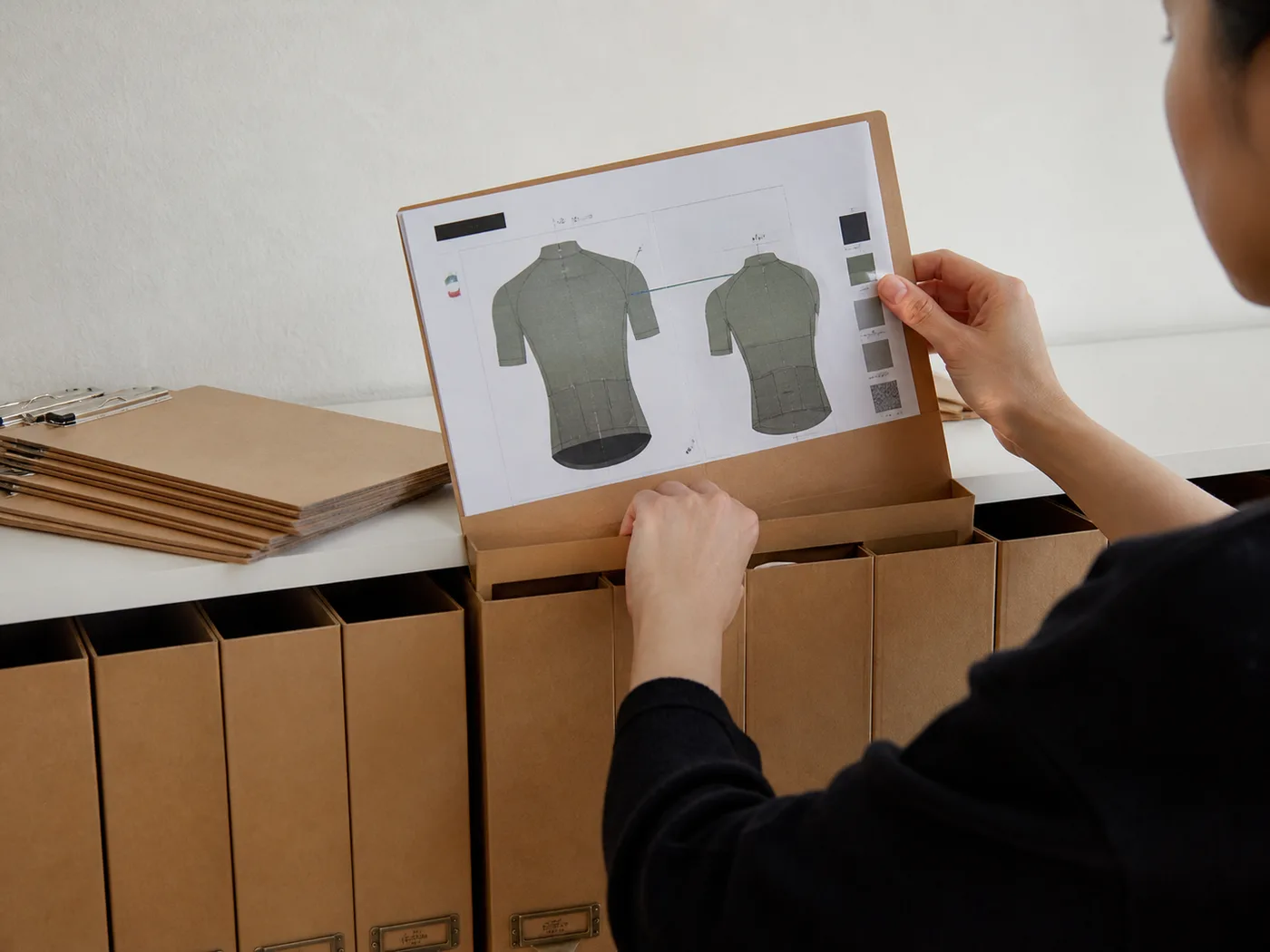 The confirmed pattern and spec sheet. Retained after shipping and archived by SKU. A reorder or a colourway change starts from these, not from a fresh development.
The Approved Colour References
Held alongside the pattern, by SKU. These are the mechanism behind a matching restock — every later batch is matched to them rather than to a memory of the first run.
- Who owns the development work — ODM
- Once the sample is confirmed, the finished tech pack is treated as your exclusive deliverable. Your pattern is not applied to another buyer's order.
- Who owns the development work — OEM
- The same footing, reached from the other direction: the tech pack you brought in yourself stays yours, and the factory holds a production copy only. Full mechanics on OEM & ODM Private Label Services.
Why This Matters More to You Than to a Larger Buyer
A large buyer absorbs a re-developed pattern. A first-season brand often cannot — and it is the quietest way season two gets expensive: not a worse quote, just paying twice for finished work. Ask what a supplier retains, and who owns it, before the opening order.
Six axes, one of them theirs
How This Factory Compares With a Large Traditional Manufacturer
Five axes that actually differ, and one where the comparison goes the other way. A comparison table with no losing row in it is an advertisement, not a comparison.
- Development depth
- Lead-time certainty
- Communication
- Quality regime
- Reorder behaviour
- Very large volumes

| Axis | This factory | A large traditional manufacturer |
|---|---|---|
| Development depth | Pattern and spec developed against your references when no tech pack exists; ODM output becomes your exclusive deliverable | Generally expects a complete tech pack on arrival; development is a separate commissioned project |
| Lead-time certainty | Sample in 5–7 days, bulk 20–30 days counted from sample confirmation, rush 12–15 days against a slot booked in advance | Windows are usually longer and set by a shared production calendar you are one line on |
| Communication response | Enquiries answered within 24 business hours; a quote within 48 hours of a complete tech pack | Routed through account management; response time scales with your position in the order book |
| Quality regime | Six inspection gates before shipping, executed by 10 QC staff, with mid-run checking against your confirmed reference | Comparable or stronger systems — the difference is access to them, not their existence |
| Reorder behaviour | Pattern, spec sheet and colour references retained by SKU; a repeat starts at production | Varies by contract; re-opening a dormant pattern is often quoted as new development |
| Very large volumes | Their advantage, not ours. Capacity here is 60,000 garments a month across 5 dedicated lines — excluding pad-specification pieces, which are not a product line here | Deeper scheduling flexibility at volumes well beyond a first season; if that is where you already are, that is where you should be |
How to Read the Last Row
It is there because it is true and you would find out regardless. Five lines suit a brand committing its opening seasons; they do not suit one already moving volume that would fill a floor.
Knowing which you are beats every row above it.
What This Table Deliberately Leaves Out
Figures. They are not on this site at all, and this table is not a workaround for that.
What moves a quote is scenario, fabric, decoration, quantity and lead time — the five inputs, not a table cell.
Questions From Founders Starting a Cycling Brand
What comes up before a first brief gets sent.
30 pieces per style per colourway. Three consequences follow, and they are the three that shape an opening range:
- Inside one colourway you choose how the sizes are split — lean it toward whatever those substitute signals pointed at.
- Every extra colourway starts its own 30, so 6 styles across 2 colourways is twelve separate counts.
- Samples do not count toward it at all.
Repeats are counted exactly as an opening order is. Full ordering logic sits on MOQ & Wholesale Pricing.
No. A concept, reference garments and a market are enough to start an ODM route, and that is how most first seasons here begin. The tech pack is an output of the sampling stage rather than an entry requirement.
XS–3XL, drafted as separate men's and women's patterns rather than one set of blocks relabelled. Already have a chart you intend to publish? Send it and development runs against yours — pattern method itself is on Riding Fit & Pattern Development.
Bib and chamois work here is development and sampling against a pad specification you supply — we do not hold graded pads as a stock product. Construction detail is on Cycling Chamois Development. Note that each pad specification is its own SKU carrying its own count.
A working sample lands in 5 to 7 days once your specification stops moving. Two revision rounds attract no extra sampling charge. Production occupies 20 to 30 days, opening at sign-off. Compressed production runs 12 to 15 days against a slot reserved ahead.
Every repeat is cut from the signed-off pattern and the colour reference held on your account, then compared to that reference part-way through the run. We will not claim two dye lots come out identical — tolerance is real — but the reference itself never moves, and the comparison happens before anything ships.
On an ODM programme the finished tech pack is your exclusive deliverable once the sample is confirmed, on the same footing as one you had brought in yourself. Your pattern is not applied to another buyer's order.
Monthly capacity stands at 60,000 garments, running on 5 dedicated sportswear lines staffed by 150+ people, 10 of them in QC, shipping to 20+ countries. That capacity figure excludes pad-specification pieces, which are not a product line here. Floor detail is on Factory & Production Capacity.
Helmets, gloves, hardware such as computers and lights, and footwear of every kind including overshoes. None of them are garments, so none of them come off these lines. Finished stock is not held either — everything here is produced to a specification.
An enquiry gets a reply inside 24 business hours. Hand over a complete tech pack and a quote follows inside 48 hours.

Start Your First Season
Tell us the shape you have in mind, the market you sell into, and the date it has to be live. Enough for an actual answer instead of a brochure.
Tech pack, artwork, size list and labelling spec go by email to [email protected] — this form carries your details and message only.