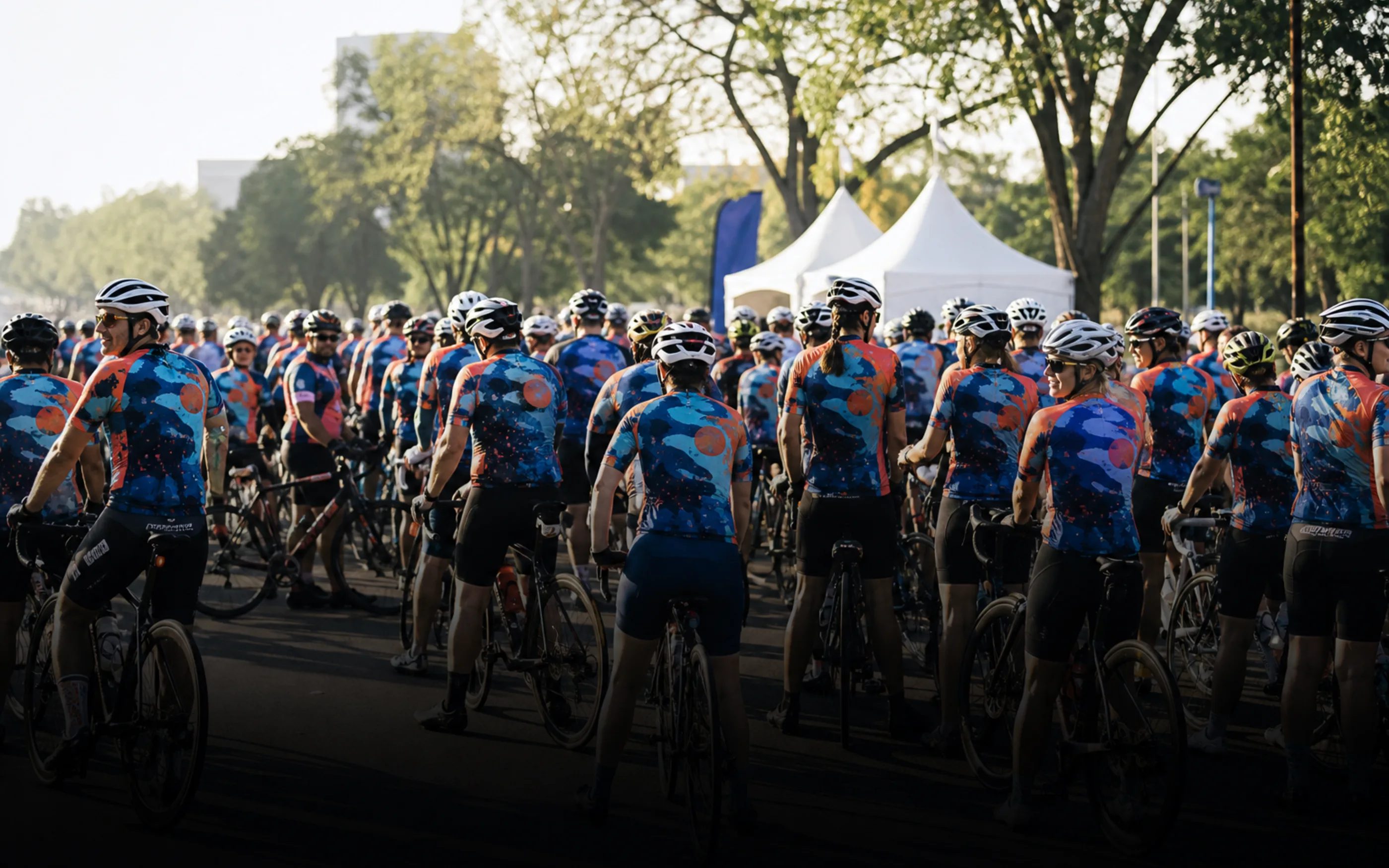
Bulk Team Cycling Kits for an Event Date That Will Not Move
Finisher jerseys, crew and volunteer kit, corporate ride sets. Everything else in your project can slip a week. That one date cannot, so it is the date we schedule from.
- Brief inWhat you have decided so far, however incomplete.
- Sample signed offThe point the clock actually starts.
- Bulk windowBulk runs 20 to 30 days from sample confirmation.
- Event dayThe fixed point. Everything above is arithmetic from here.
Figures with workings
Four Figures You Can Plan Against
We are not going to tell you how many events we have supplied or how many companies have ordered from us — we do not publish counts we cannot show you the workings for. These four are the ones that decide whether your date is reachable.
| Figure | What it actually tells you |
|---|---|
| 60,000 garments a month across 5 dedicated lines | Whether a roster your size is a routine week here or an exception. Pad-specification pieces sit outside that figure — this factory does not run them as a line. |
| 20 to 30 days | The bulk window, counted from sample confirmation — not from the day artwork was approved, which is always earlier and always flattering. |
| 20+ countries | Whether the paperwork and the carton marking for your destination are familiar or improvised. |
| 150+ staff, 10 of them in QC | Who is checking the run while it is still correctable, rather than after it lands. |
Why the Anchor Point Matters More Than the Number
Every supplier quotes a production window. The difference is what it is measured from. Ours opens when you sign a physical sample off, because that is the moment the specification stops moving — and a window measured from anything earlier is measuring a document, not a garment.
Two Kinds of Event, Two Different Jobs
A mass-participation ride and a company ride day both end with everyone in matching kit, and almost nothing in between them is the same. The split below decides which questions we ask you first.
Repeat buying, season cycles and member turnover are on Cycling Clubs & Teams. Riding conditions per discipline are on Custom Road Cycling Apparel and Custom Gravel Cycling Apparel.
- Race side
- Company side
| Organised rides and races | Company ride days and CSR events | |
|---|---|---|
| Who wears it | Entrants, plus crew, marshals and volunteers who need to be visibly not-entrants | Employees, a few executives, occasionally partners and their families |
| Roster behaviour | Grows until registration closes, then stops dead | Small, but confirmed late and reshuffled twice |
| Size behaviour | Predictable spread across a large number | Unpredictable spread across a small number — a wide band with one or two people at each end |
| The hard part | Volume against a fixed hand-out day | Range against a fixed hand-out day |
On the Race Side
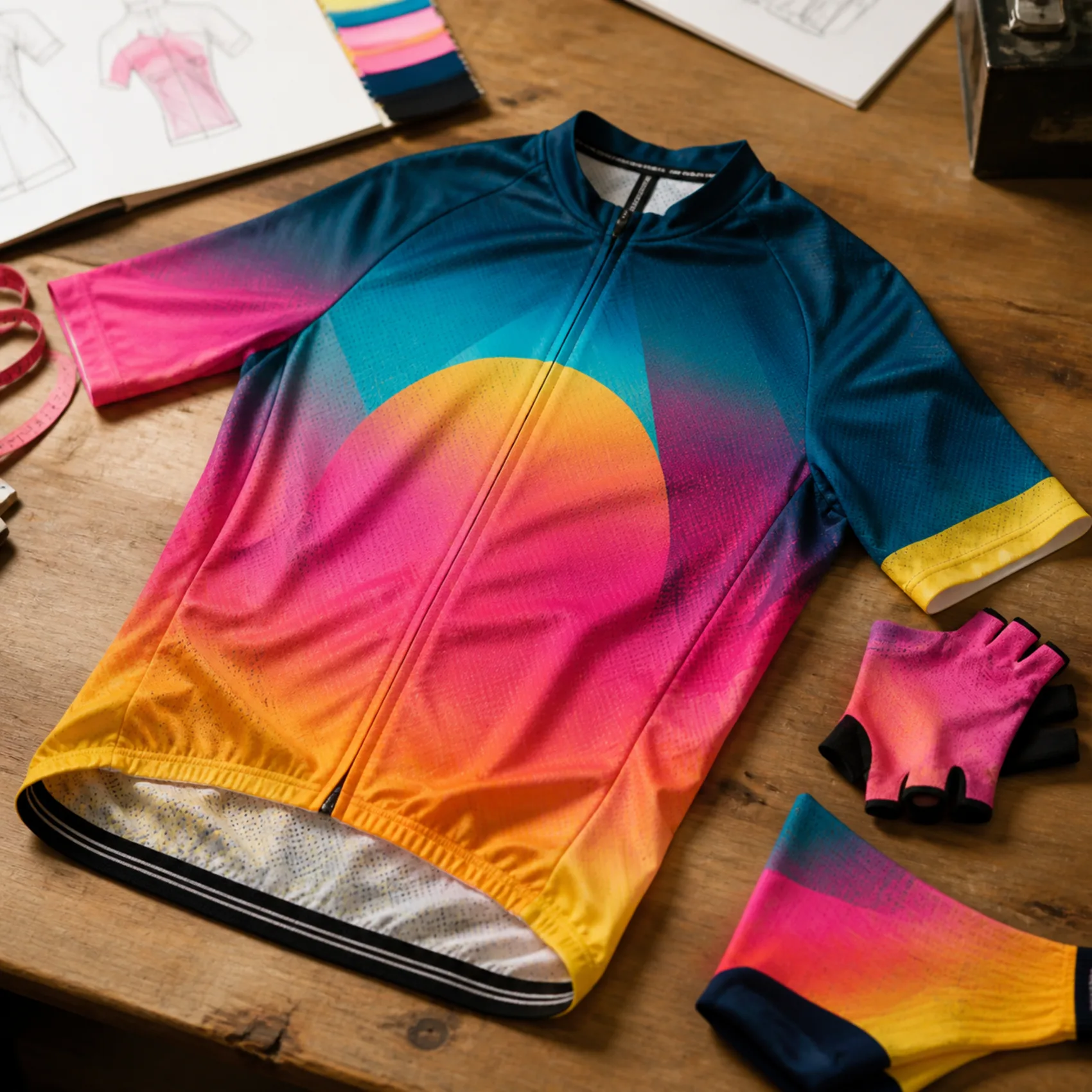
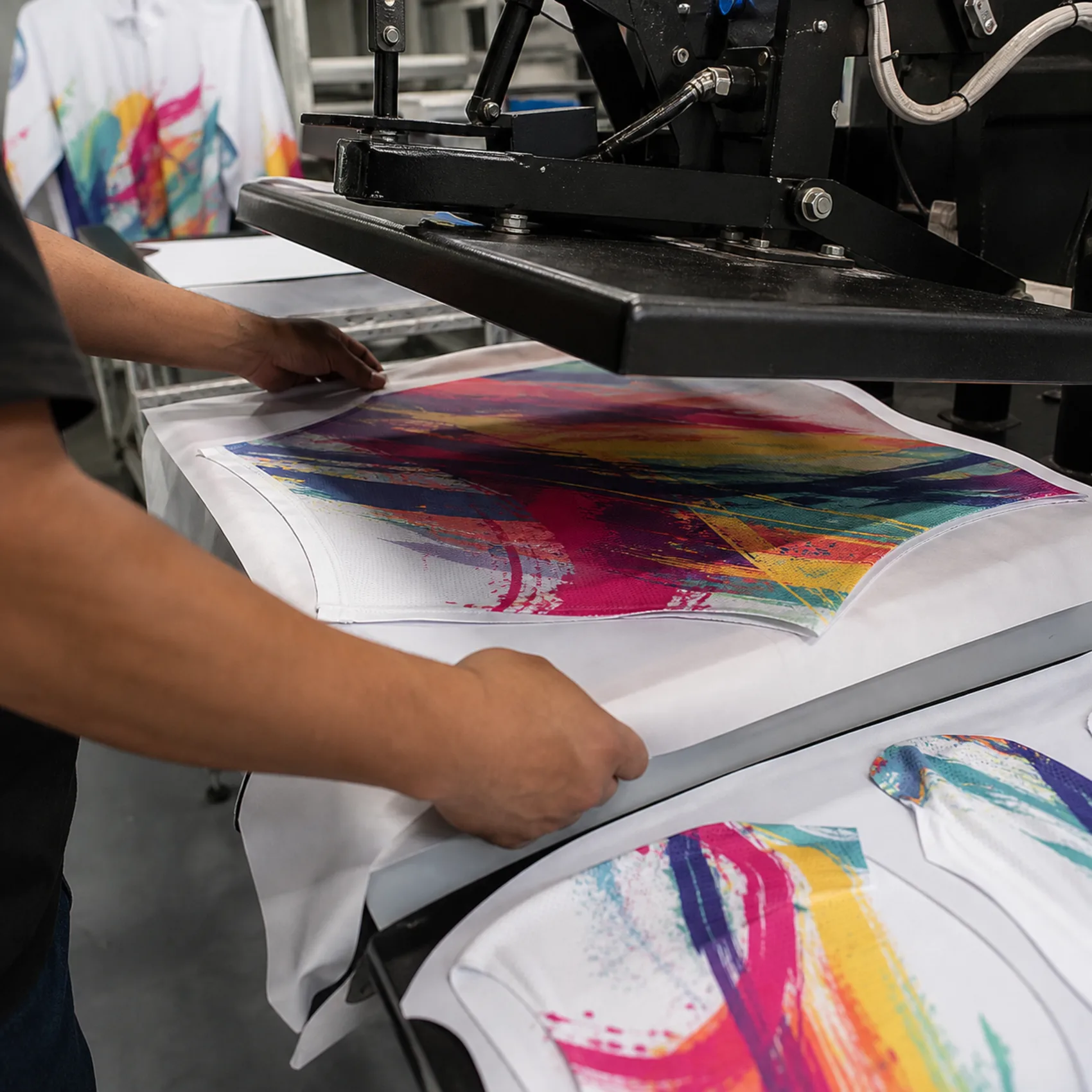
One design, produced once, worn on one morning and then kept. A European road event organiser had us produce commemorative finisher jerseys at a scale that is set out further down this page. The design work is modest; the scheduling work is the whole job.
On the Company Side
A US corporate charity ride ordered kit for roughly 80 riders across an unusually wide size band, against a date that had been in diaries for months.
Small rosters are not easier — they are just differently hard, because a wide band on a small number means several sizes with a single wearer behind them.
What Both Sides Get Asked First
The date. Then the rough number. Artwork can arrive weeks later and often does.
Subtraction, not a timeline
Counting Back From a Date You Did Not Choose
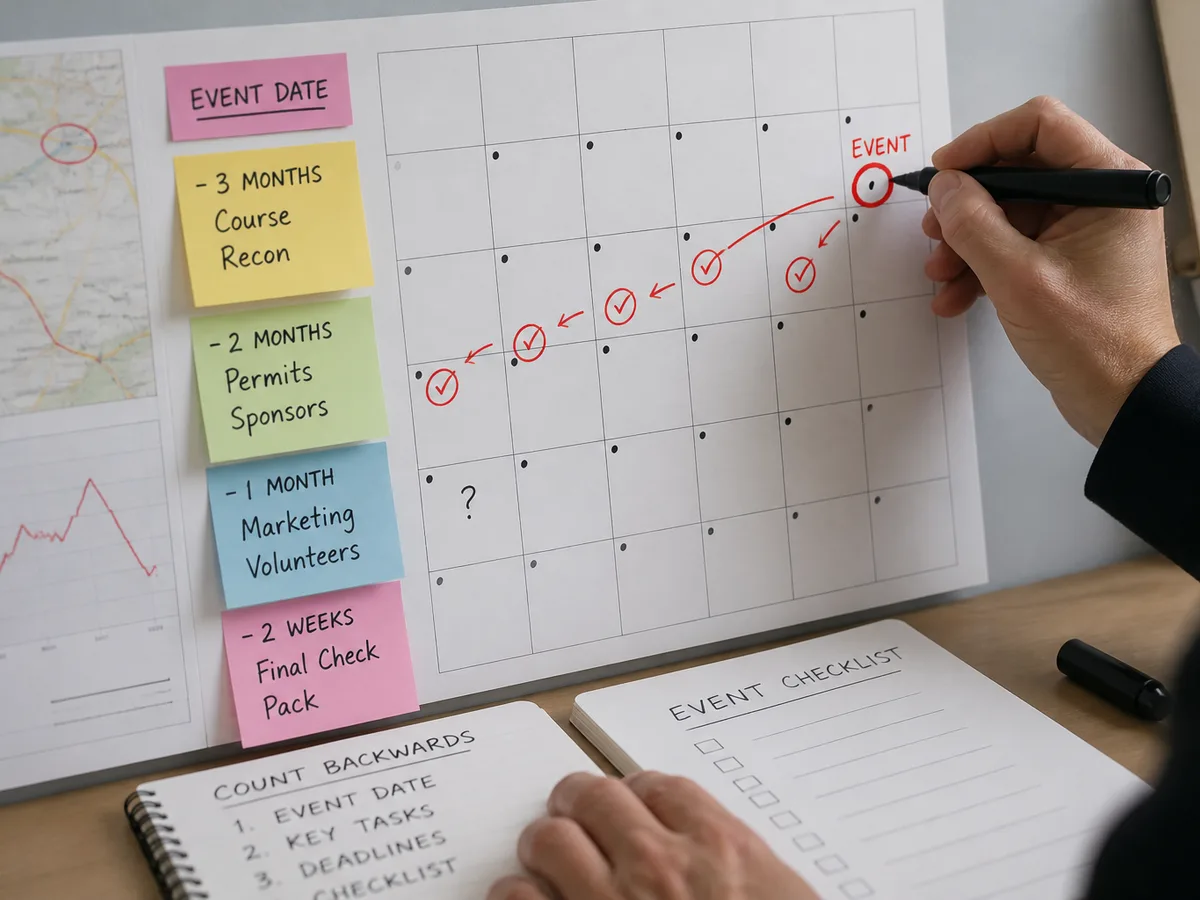
Most production timelines are written forwards, which is why they always end in "and then it ships". Yours has to be written the other way round, from the only date in the project that is already fixed.
-
04 · Event day
Day zero. Not the day the goods leave here, and not the day they clear customs — the morning somebody hands a jersey to a rider. Every date below is subtraction from this one.
-
03 · Goods in hand, with slack in front
Whatever your freight lane usually takes, plus the week you will wish you had when a shipment sits somewhere for reasons nobody explains.
-
02 · The bulk window
Bulk runs 20 to 30 days from sample confirmation. Rush production can pull that to 12 to 15 days when the slot was booked ahead of time — a contingency you reserve early, not a rescue you call in late.
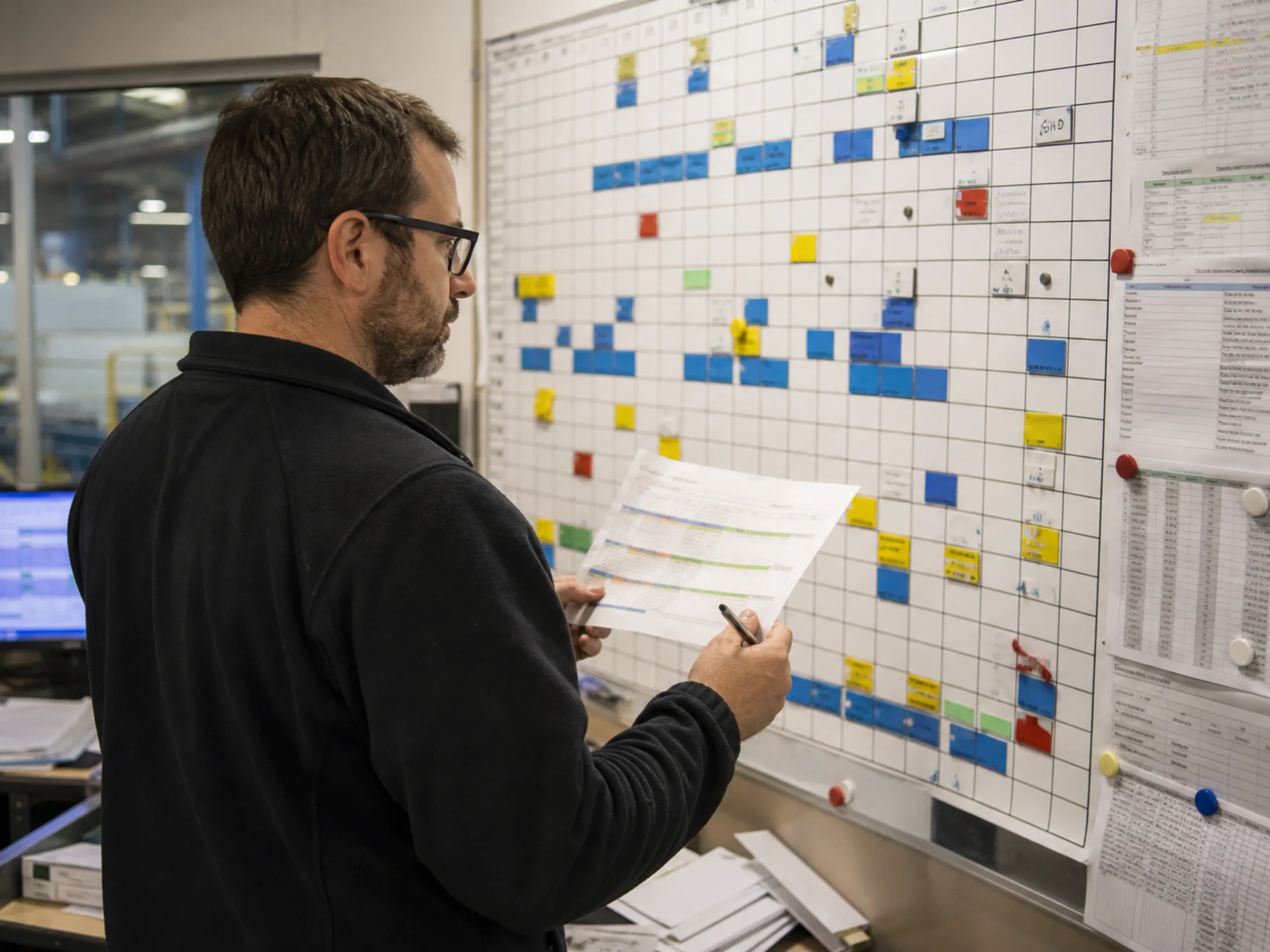
The board this window is booked on, read against a date that is already confirmed. -
01 · Sample and revisions
A working sample takes 5 to 7 days from the point the specification stops moving. Two revision rounds carry no additional sampling charge — they do carry calendar days, and those days come out of the same budget as everything else.
What the Subtraction Usually Reveals
That the deadline which matters is not the delivery date at all. It is the sample sign-off date, sitting quietly about six weeks earlier, with your artwork approvals stacked in front of it.
The One Thing That Is Not Negotiable Here
We will schedule against a tight date. We will not schedule against a date that only works if nothing goes wrong, because that is not a schedule — it is a hope with dates written on it.

Have a Date but Not a Number Yet?
Send the Date FirstThe question everyone arrives with
The Last Responsible Moment to Stop Counting People
This is the question every event buyer actually arrives with, and the one most suppliers answer with "as soon as possible". Here is the real answer: three moments, each of which closes a different door.
-
 Beat one
Early estimate — a shape, not a list
- What it is for
- Claiming a production slot and reserving cloth. Nothing is cut against it.
- What it can be
- A range. "Somewhere between four and six hundred" is a usable input; an empty cell is not.
- Still open
- The total, the colour split, every placement, the size curve.
- Already closing
- Nothing. This is the cheapest moment in the whole project to be wrong.
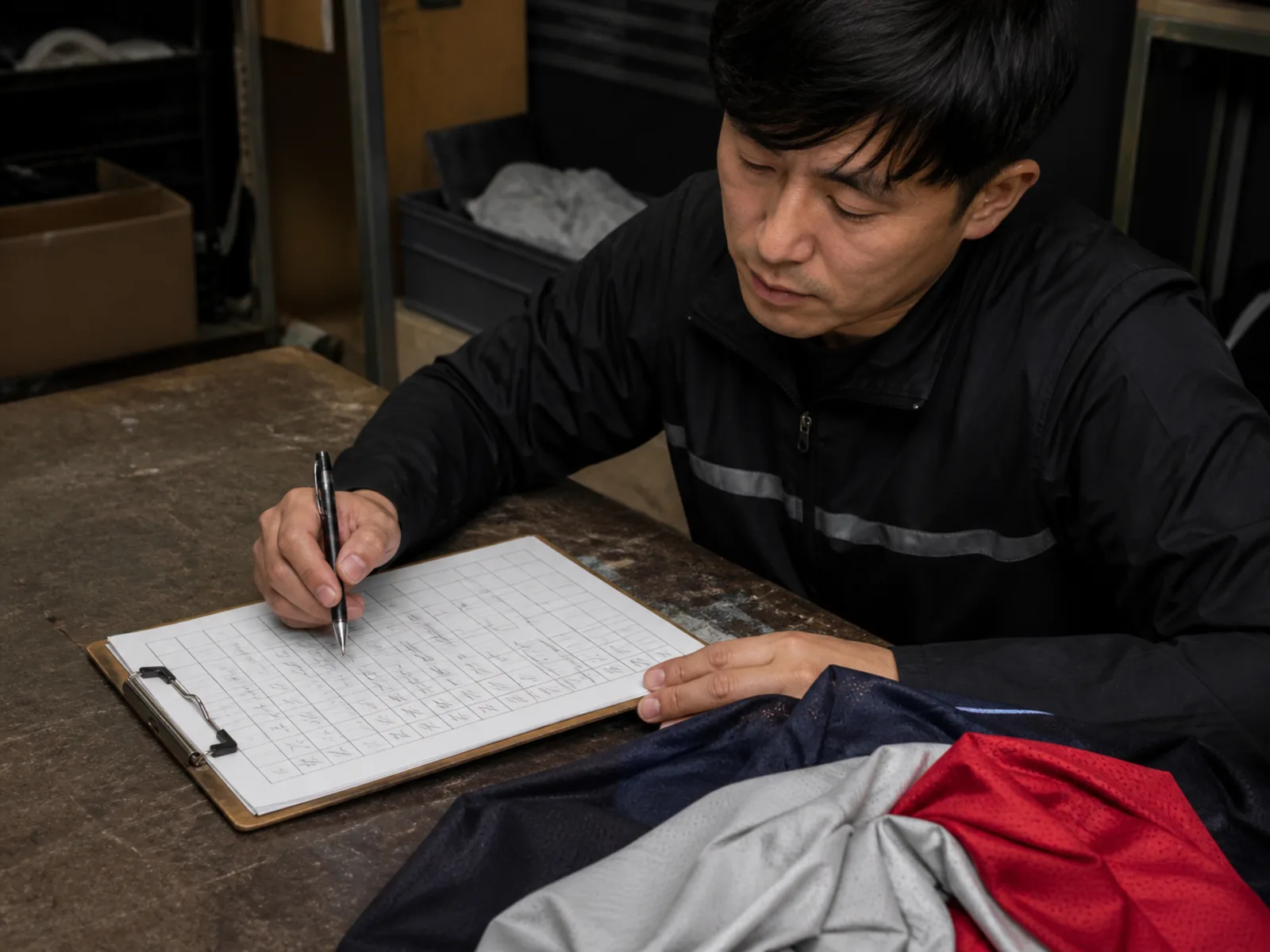
Before: a roster that is still a shape, and cheap to be wrong about. -
 Beat two
Mid-point check — read the curve, not the target
- What it is for
- Comparing how registrations are actually arriving against what you assumed in the estimate.
- What it can be
- A revised range plus a direction of travel. Halfway to the entry deadline, the shape of the curve is usually more honest than the target.
- Still open
- The total within a band, the split between roles, depth per size.
- Already closing
- Artwork. Marks and colour references need to be settled here, because the sample has to be made from something.
-
 Beat three
Final lock — the number that goes to the cutting plan
- What it is for
- The marker, the cut, the pack list. This is the one that becomes fabric.
- What it can be
- A number. Not a range, not a number with an asterisk.
- Still open
- Almost nothing.
- Already closed
- Additions after this point are not an edit to your order. They are a second, smaller production order with its own window — a real option, and one that needs its own place in the schedule rather than a slot borrowed from the first.

After: the same roster as one number, on its way to the cutting plan.
Why We Ask for the Estimate So Early and the Lock So Late
Because they do different work. The estimate buys you a place in the queue; the lock buys you accuracy. Suppliers who collapse the two into one date are asking you to be accurate months before you can be, and then quietly padding the schedule to survive the fact that you were not.
What Happens if the Lock Slips
The cutting plan waits, and everything behind it moves by the same amount. Nothing absorbs it silently — we would rather tell you the new hand-out date while it is still a conversation than discover it together in the final week.
A Production Slot Is Claimed, Not Requested
The queue in front of your order is made of other people's orders, and it fills in the order people commit — not in the order dates fall. This is the part of the process buyers most often find out about too late.
The lines and the equipment themselves are on Factory & Production Capacity; the six inspection gates every order clears are on Quality Control.

- Committed early
- Committed late


| Committed early | Committed late | |
|---|---|---|
| Where you sit | Near the front, with the standard window intact | In whatever gaps remain, which are narrower and further apart |
| Rush as an option | Available as a contingency you reserved | Often already spent by someone who reserved it |
| A design change | Absorbed inside the window | Pushes you to the back of the same queue |
| Freight choice | Still yours to make on cost | Increasingly made for you by the calendar |

A Hold Is Not a Slot
We can pencil a date while you get internal approval, and we will say plainly that it is pencilled. A held date is a courtesy between us; it is not a commitment the production plan recognises, and it does not survive somebody else signing a sample off first.
Sample Sign-Off Is the Gate
The scheduler does not act on an intention, a purchase order number or an encouraging email. It acts on a signed sample. That is the single most useful thing to know about this whole process: the fastest way to protect your date is to close the sample, not to chase the factory.
What Early Commitment Does Not Buy
A shorter production window. Bulk takes what bulk takes. What it buys is position, and the difference between position and no position is the whole of your buffer.
One order, two deliveries
Which Batch Ships First, and Who Decides
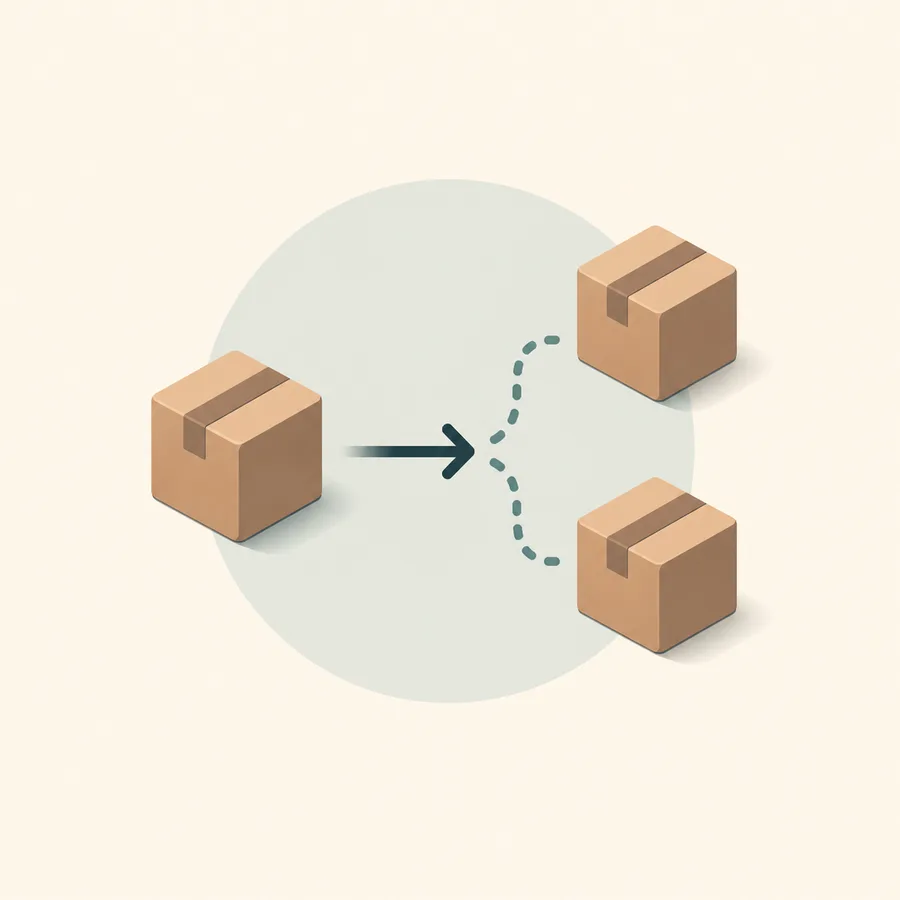
An order this size does not have to arrive in one piece, and splitting it is usually the cheapest way to buy back a week. The only real question is which half you want early.
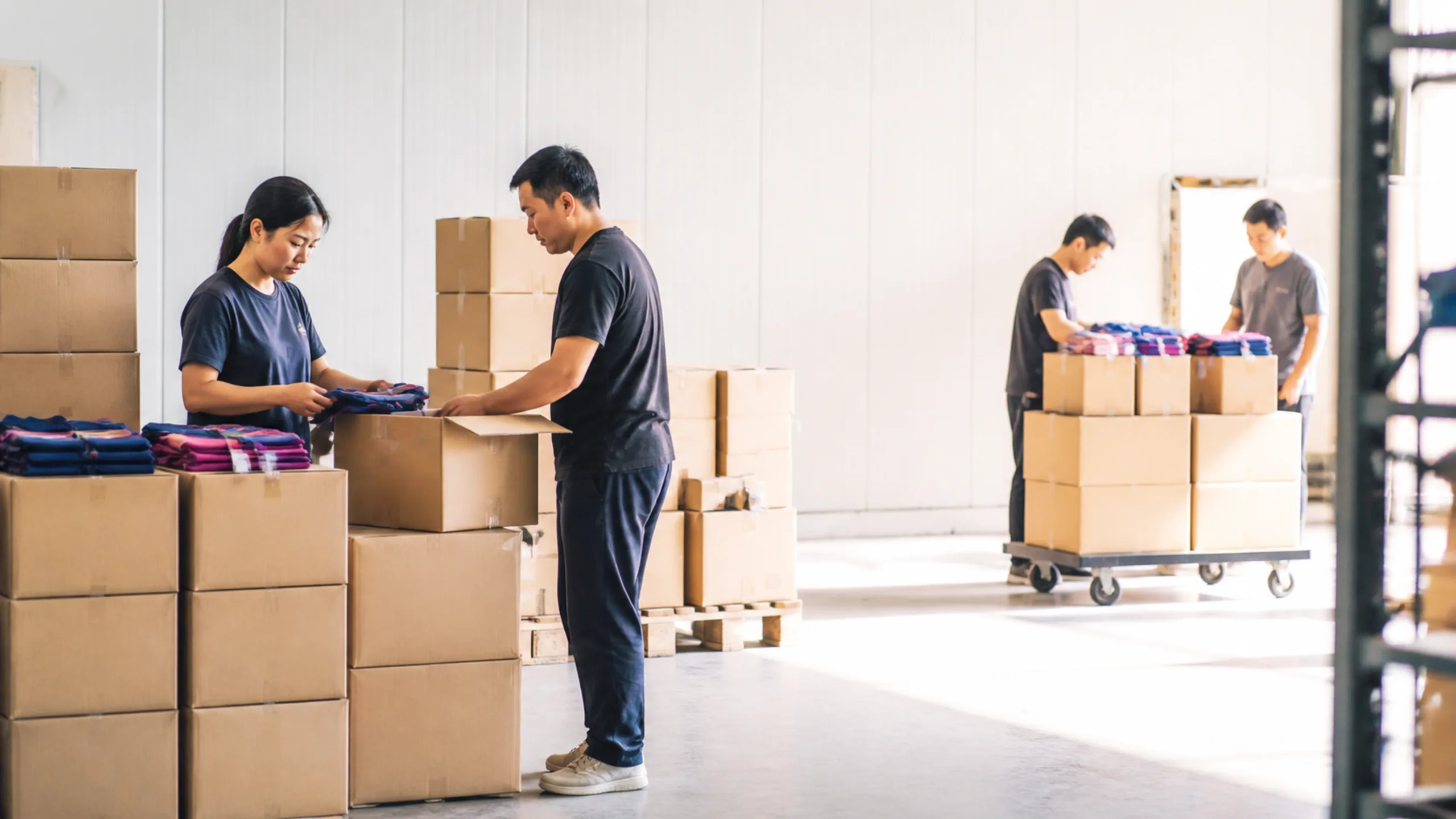
A European amateur road event organiser: commemorative finisher jerseys for the teams taking part, placed as one order and released in two deliveries, both of them landing inside the ordinary bulk window rather than either side of it. Recorded by category, scale and delivery structure alone — no organisation named, no marks shown, nobody quoted.
Why That Order Was Split at All
Not because production was short of capacity. Because the organiser needed a quantity of kit physically present for accreditation and pre-event checks before the bulk of the entrants would ever see theirs — and waiting for one complete shipment would have put that milestone after the day it was needed.

Two Ways to Cut the Split

By priority group
You choose who is in the first carton.
By production sequence
The line chooses, and you spend nothing arranging it.
| By priority group | By production sequence | |
|---|---|---|
| What goes first | Crew, marshals, VIP and anything needed for pre-event checks | Whatever clears the line first, in the order it clears |
| Best when | A named group needs kit before the main hand-out | The whole roster is handed out on one morning anyway |
| What it costs | A little sorting work before packing | Nothing, but you give up control of what lands first |
| What to tell us | The group and its size list, at the point you lock | Nothing extra |
What a Split Does Not Do
Move the finish line. The last carton still lands inside the same window; a split changes what is inside the first one. Anyone offering to split an order and finish sooner is describing a smaller order.
The Honest Limit of This Case
It is one organiser, one market, one garment type. It says nothing about what your size curve looks like or how your entries will arrive, and we would rather it stood alone and read properly than sat in a row with two invented siblings.

Registration closes when it closes. The cutting plan does not get to wait for it — which is exactly why the two are scheduled apart.
Placement is the easy half
Where Every Mark Goes, and Who Gets to Sign It Off
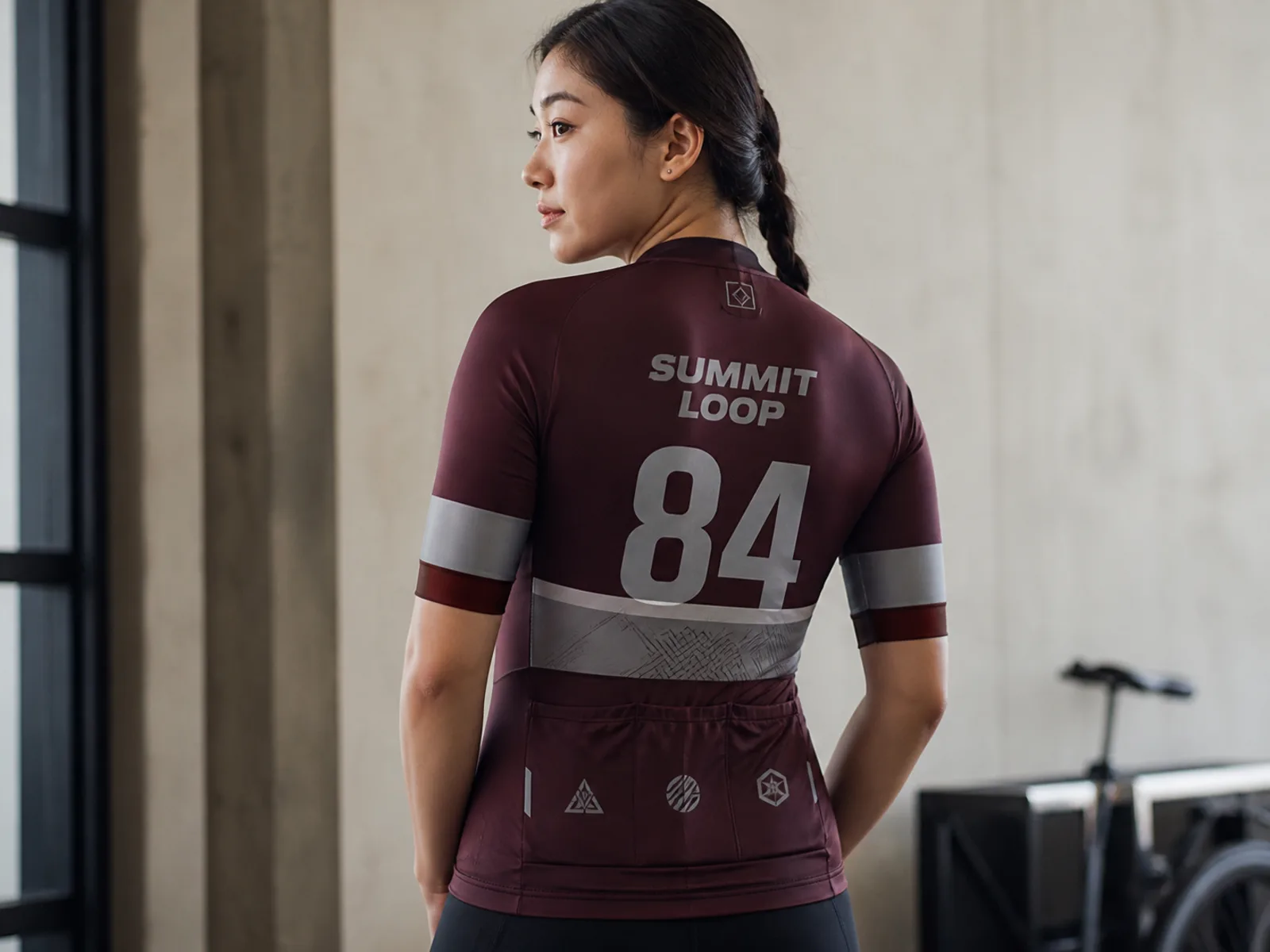
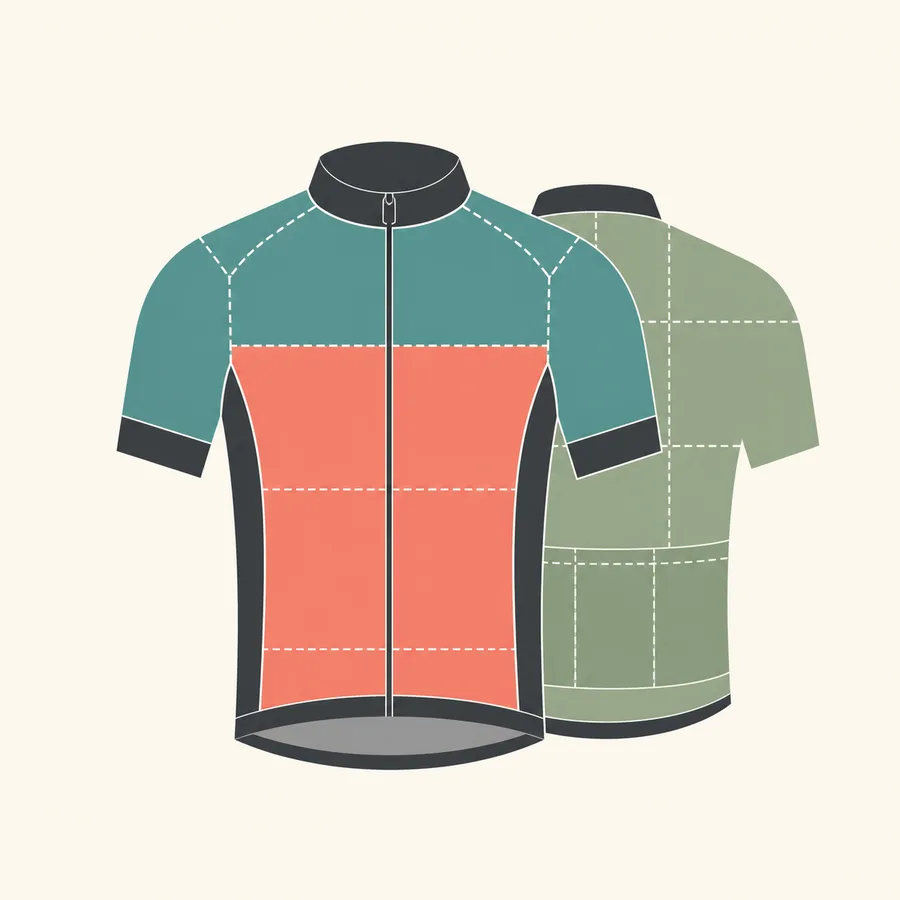
A host organisation, a title partner, three supporting partners and an edition year, all on one garment, all convinced theirs is the important one. Placement is the easy half. Approval is the half that eats your calendar.
The decoration processes themselves are on Cycling Apparel Printing Methods; the visual system and colour development are on Cycling Kit Design & Branding.
- Host
- Supporting
- Edition

-
Hierarchy — set once, then everything is relative to it. -
Zones — named areas, not measured boxes. -
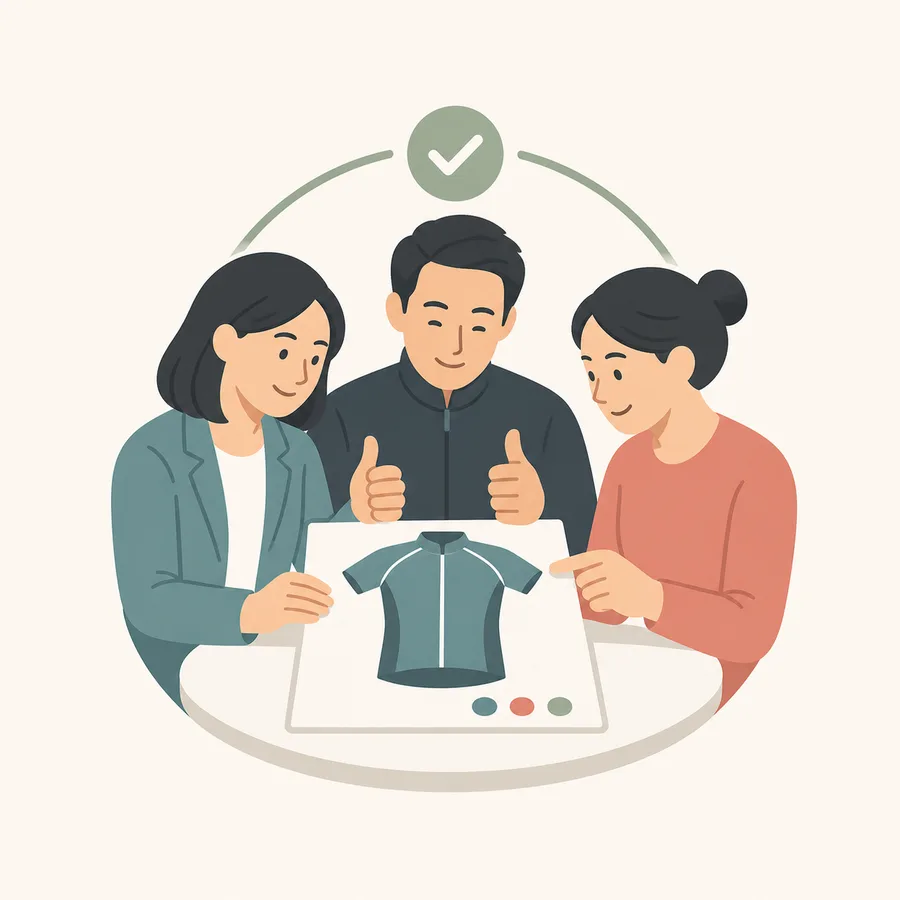
Approval — every party reviewing one file, once.
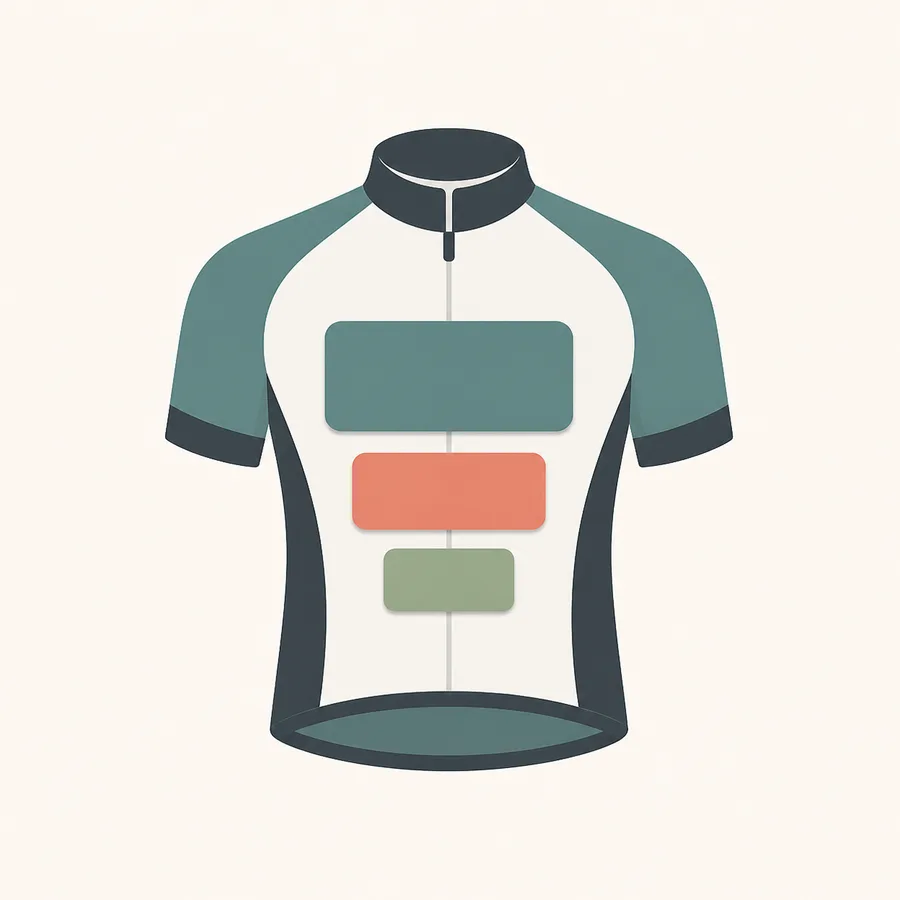
The Size Hierarchy, Set Once
| Tier | Where it sits | How it is sized |
|---|---|---|
| Host or title mark | Centre chest and upper back panel | The largest mark on the garment; everything else is set relative to it |
| Supporting partners | Sleeves, lower back, side panels | One clear step down, and equal to each other — partners compare against each other, not against the host |
| Edition or year | Sleeve hem, collar back or lower hem | Small and consistent, so next year's version is a one-line change |
Why Equal Beats Optimised
Sizing supporting partners individually invites a conversation with every one of them. Sizing them identically ends that conversation before it starts, and the tier itself does the work of saying who is who. Full-width sublimation means placement is not constrained by where a print head can reach.
One Owner Per Mark
Every mark needs a single named person who can approve it. Not a committee address, not "marketing will confirm" — one person, per mark, collected on one consolidated round.
The Approval Round That Actually Works
One deadline, one file, everyone reviewing the same version at the same time. Sequential approvals are where event schedules die: each party takes two days, five parties take a fortnight, and the fortnight comes out of your buffer rather than theirs.
What We Need From You, Exactly
Vector artwork with fonts outlined, a colour reference per mark, and a note of which tier each one belongs to. Send those to [email protected]. The form further down carries your details and your message; attachments are not something it can hold, and we would rather write that here than fit a control that silently discards them.
One Design, Every Body on the Start Line
A start line does not sort itself into a neat size curve, and a crew list sorts itself even less. The specification below is what lets one design cover all of it without a second development round.
How patterns are drafted and graded is on Riding Fit & Pattern Development; pad and bib development is on Cycling Chamois Development.
- Entrants
- Crew
- VIP
| Rule | What it means for an event roster |
|---|---|
| Size range | XS–3XL, drafted as separate men's and women's patterns — two blocks, not one relabelled twice |
| Your own chart | If your entry system already collects sizes against a chart your riders recognise, send it across and we draft to that one instead |
| Mixing sizes | Within one design in one colourway, the split is entirely yours — no even spread required, no penalty for one piece at the top of the band |
| Sample stage | 5 to 7 days for a working sample once the specification stops moving, so fit gets judged on cloth instead of on a rendering |
| Revisions | Two rounds carry no additional sampling charge |
| Sample pieces | Sit outside the order count entirely |

Telling Roles Apart Without a Second Design
Entrants, crew, marshals and VIP guests generally need to be distinguishable at fifty metres, not different garments. A colourway change on the same pattern does that, and it stays inside one design, one sample round and one production run.
Where a role genuinely needs a different piece — a gilet for marshals standing still all morning — that is a second item, not a second project.

Number Locked, or Close Enough to Book a Slot?
Start the ScheduleThe object the schedule is measured from
Signed Off Against the Real Thing, Under One Light
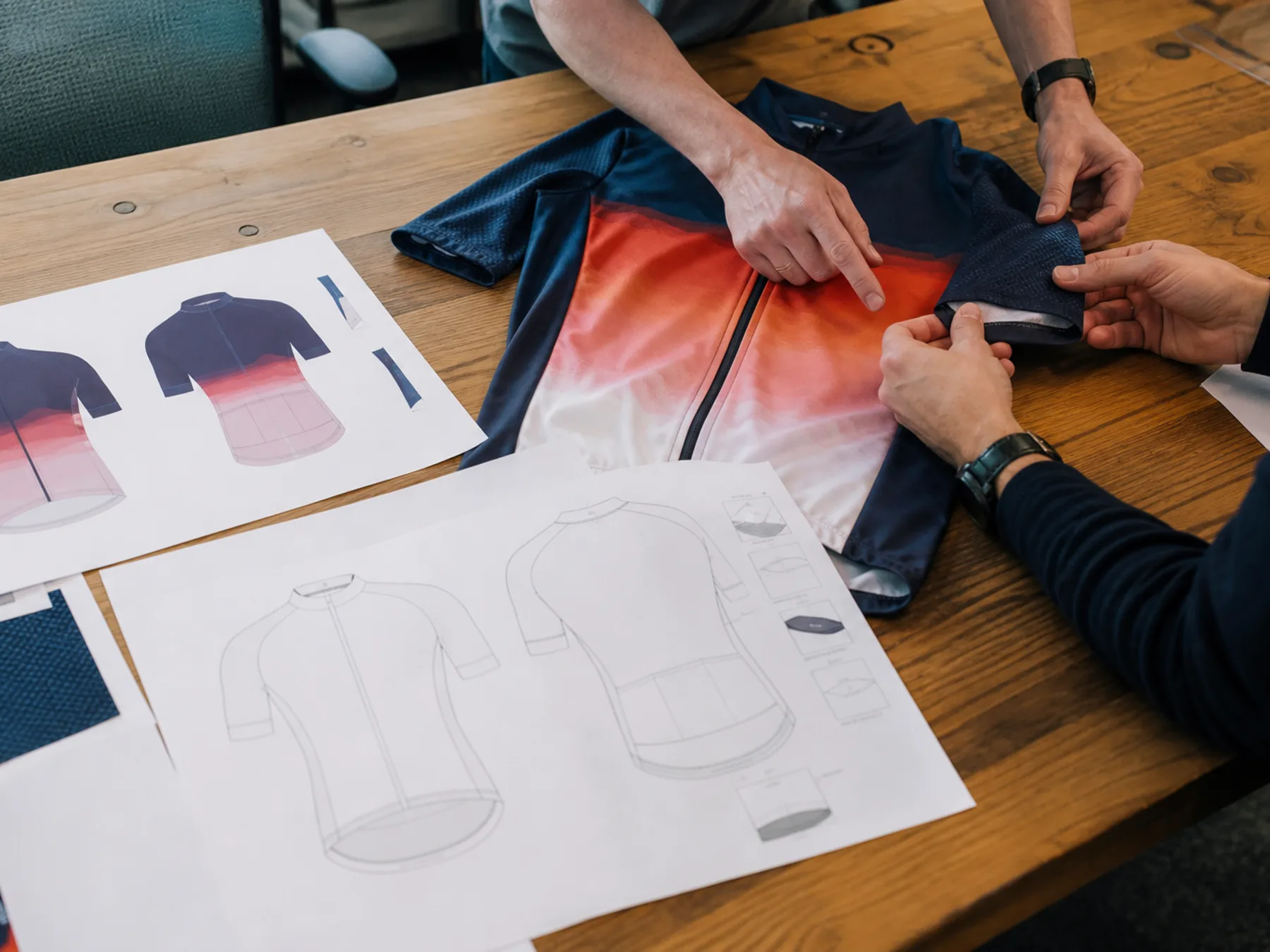
The sample is not a formality at the end of design. It is the object the whole schedule is measured from, and the final moment at which being wrong is still inexpensive.
The six gates every order clears before shipping are on Cycling Apparel Quality Control; how samples are built and revised is on Sampling & Prototyping.
Checked Piece by Piece Against the File
Every mark on the physical sample is compared against the approved artwork individually — position, orientation, tier size, and the small things that only show up on cloth, like a mark crossing a seam it looked clear of on screen.
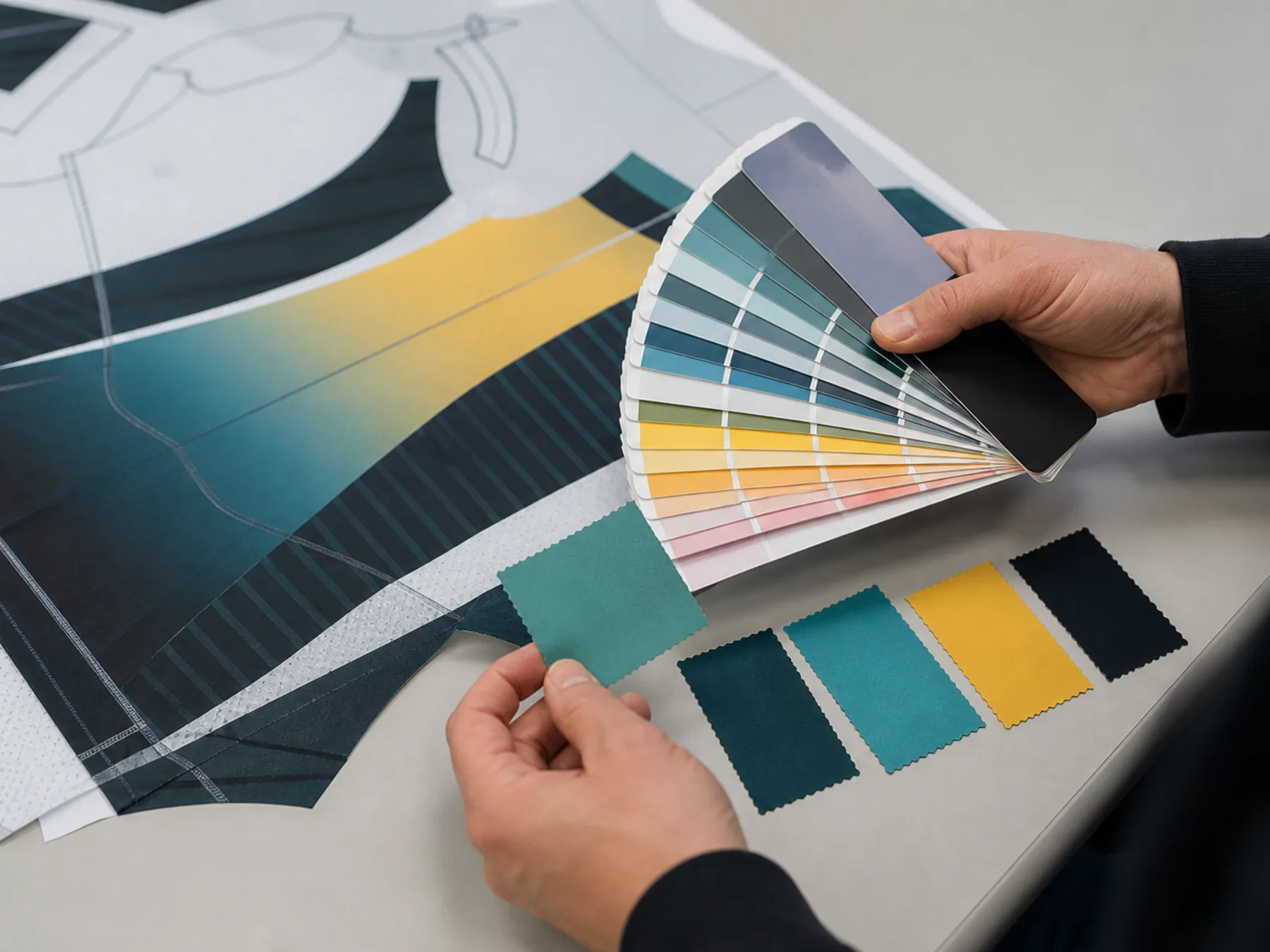
Colour Judged Under a Fixed Light Source
Colour is assessed against the approved reference under one consistent light, not under whatever is above the desk that afternoon and certainly not on a screen. Screens are the single most common reason a colour is signed off and then disputed on delivery.
What We Will and Will Not Claim
- We will tell you which reference the batch was matched against, and that the check happened before anything left the building.
- We will not tell you that two dyed lots come out the same. Dyeing happens in lots, and every lot sits inside a tolerance rather than on a point.
Why This Sits Before the Bulk Window, Not Inside It
Because a mark corrected on a sample costs a few days, and the same mark corrected after cutting costs the event.
Most Event Orders Never Repeat. The File Still Outlives Them.
Being honest about this is more useful than pretending every event is the start of a programme. Most are not, and the ones that are do not need to be flattered into it.
- Kept
- Not implied

What Is Kept After the Last Carton Ships
- The confirmed pattern.
- The specification sheet.
- Both, archived against your organisation and that design.
Keeping them costs you nothing and commits you to nothing.
What That Is Worth if There Is a Next Edition
Development does not restart. A second edition begins from a confirmed file rather than a blank one, so the work reduces to whatever genuinely changed — usually the year, occasionally a partner who joined or left.
What It Is Not
Not a standing arrangement, and not a lower bar. A second edition is scheduled as its own production run, meets the same per-colourway floor the first one met, and occupies the same bulk window. The figure behind that floor appears once on this page, in the questions below.
What the file saves is development time — not the minimum and not the clock.
Whose It Is
Yours. A specification developed for your event is not offered to anyone else, and a pattern drafted from artwork you own does not turn up on another organisation's garment. The full ownership and retention position is set out on OEM / ODM / Private Label Services.
After the day itself
The Pieces That Get Worn Again After the Event
A finisher jersey gets kept. A cap gets worn to the supermarket. If the point of the kit is that your event stays visible after the day, the small pieces do more of that work than the jersey does.
- Soft goods Cycling caps The piece most likely to outlive the event by years. Full-panel sublimation means the design is not limited to a front badge.
- Soft goods Gilets The layer entrants keep in a jersey pocket and crew wear all morning. Wind-resistant outer layer with a DWR finish, described as water-resistant, because that is honestly what the finish delivers.
- Soft goods Vests Including high-visibility builds for marshals and route staff, with reflective placement worked out around movement and the angle vehicles approach from. We build to a hi-vis specification you name.
- Soft goods Arm warmers The cheapest way to make a summer kit work at a 6am start, and one of the easiest surfaces to carry a partner mark.
- Soft goods Headbands and neck gaiters Small, flat, sublimated edge to edge, and the piece most often added late because it slots into a run without disturbing the size logic.

What never comes off our lines. Gloves. Footwear of every kind, overshoes included. Helmets. Hardware like computers and lights. Not one of those is a garment and not one is made here.
Anyone listing them beside the five pieces above is running a trading desk, and it is worth knowing which you are emailing. We also do not publish standard numbers we cannot hand you a report for.
Why the Small Pieces Carry the Visibility
A jersey comes out for a ride. A cap, a gaiter or a set of warmers comes out for the commute, the school run and the queue for coffee — so the surface your event is printed on is in daylight far more often than the garment everyone photographs on the day.
A Print Shop With a Deadline, or a Factory With a Slot
Both can put your artwork on a garment. The difference shows up in the four places below, and all four of them are about what happens when something moves.
- Blank route
- Specification route
| Decorating an off-the-shelf blank | Producing against your specification | |
|---|---|---|
| Delivery certainty | Depends on a blank being in stock in every size when you order — a supply chain neither of you controls | Depends on a scheduled slot and a signed sample, both of which are visible to you |
| Volume behaviour | Cost and availability wobble as quantity rises; large sizes run out first | Quantity is planned into the run from the start; the size split is an input, not a constraint |
| Handling multiple marks | Each additional mark is another pass, another setup, another failure point | Every mark is part of one printed panel, sized against one hierarchy |
| Batch consistency | Blanks come from whatever lot was available; two boxes can differ visibly | Matched against one approved reference and checked mid-run before shipping |

Where the Blank Route Genuinely Wins
Twenty shirts needed on Thursday. It is the right answer for that, and pretending otherwise would be dishonest. It stops being the right answer at the point the size range widens, the marks multiply, or the date is far enough out that a scheduled slot beats a stock lottery.
The Question That Separates Them
Not "who is cheaper" — that is a different page and a different conversation. It is: when something moves, who can tell you what it costs you in days?
Questions From Event and Corporate Buyers
What organisers and company buyers ask before sending a first brief.
30 pieces per style per colourway. For an event roster that resolves into three practical rules:
- Within one colourway the size split is entirely yours, weighted to however your entries actually arrive.
- Every additional colourway carries its own count of 30 — telling crew apart from entrants by colour is therefore two counts, not one.
- Sample pieces sit outside the count entirely.
A second edition counts exactly as the first did. The ordering logic behind all of it is set out on MOQ & Wholesale Pricing.
Later than most suppliers will tell you, provided the early estimate reached us in time to claim a slot. The lock has to land before the cutting plan is written; everything before that point is a range we can work with.
Read them as days off your countdown, not as a list of stages.
- Sample — 5 to 7 days once the specification is settled. Two revision rounds carry no extra sampling charge; they still spend calendar.
- Bulk — 20 to 30 days from sample confirmation. Which is exactly why the sign-off date, not the delivery date, is the one worth defending.
- Compressed bulk — 12 to 15 days where a slot was reserved ahead of time. A day lost at sign-off is a day lost at the far end.
Yes, and for a large roster it is often the better plan. Tell us which group needs kit first and by when; the split is arranged at packing, and the final batch still lands inside the same window.
XS–3XL, in separate men's and women's patterns. Already collecting sizes against a published chart on your entry form? Send it across and development runs to that one.
As many as the tier structure can hold legibly. Full-width sublimation means placement is not restricted to badge positions, so the practical limit is readability at distance rather than process. One named approver per mark is the part we do insist on.
Yes — a company ride with a handful of people at each end of the band is a normal shape here, and it is handled inside one design and one production run rather than as separate jobs.
Both are produced against the same approved colour reference in the same run, and checked mid-run against it before shipping. Identical dyed lots are not something we promise; what you get is the reference they were matched against and the point at which the check happened.
The useful way to read the capacity figures is as a question about your roster. 60,000 garments a month run across 5 dedicated sportswear lines, so an event-sized volume is an ordinary week here rather than a special arrangement.
Behind that sit 150+ staff, 10 of them in QC, and six inspection gates every order clears before shipping — those gates are set out on Cycling Apparel Quality Control and not re-listed here. Shipping reaches 20+ countries, and event and corporate organisers sit among the four audiences this factory was set up to serve.
Gloves, any kind of footwear including overshoes, helmets, and hardware — computers, lights and similar. Not garments, and not made here. There is no finished stock held either: every piece is produced to a specification.
An inquiry gets a reply inside 24 business hours. Once a complete tech pack is with us, a quote follows within 48 hours — early enough that it lands before your own sign-off deadline rather than after it.

Tell Us Your Event Date
The date, a rough number and what you want made. That is enough for us to tell you whether it is reachable and what the sign-off deadline would be.
Tech pack, artwork and size list go by email to [email protected] — this form carries your details and your message only.
- [email protected]
- +86 177 0272 7677 · WhatsApp 8617702727677